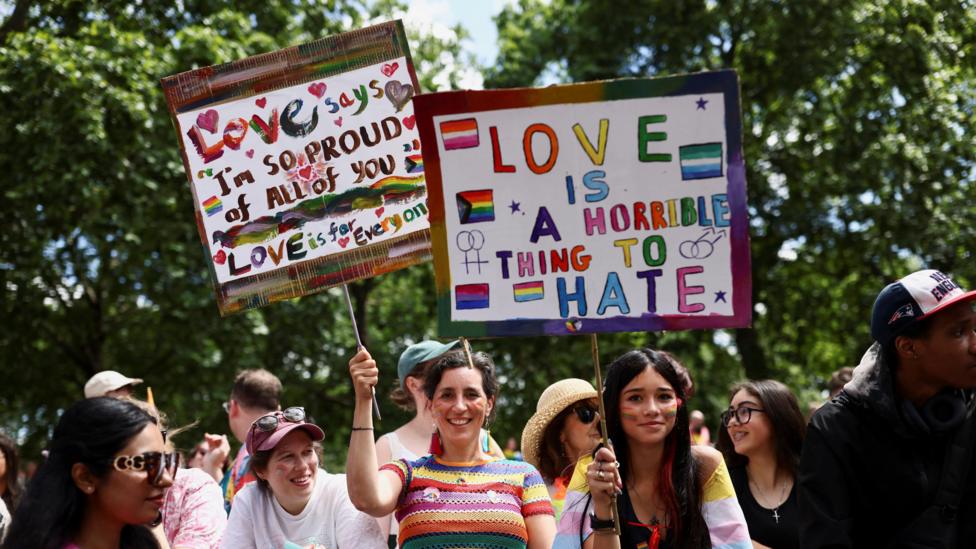
Massive Turnout at Pride in London
Organisers of Pride in London anticipated attendance exceeding one million people for the annual parade, the UK's largest Pride event and among the capital's most significant public gatherings.
Thousands participated in the festival, emphasizing the importance of supporting Pride in London, especially following a challenging year for the organisation.
The event's organisers expressed gratitude for the widespread support from the community, partners, volunteers, and stakeholders.
Voices from the Crowd
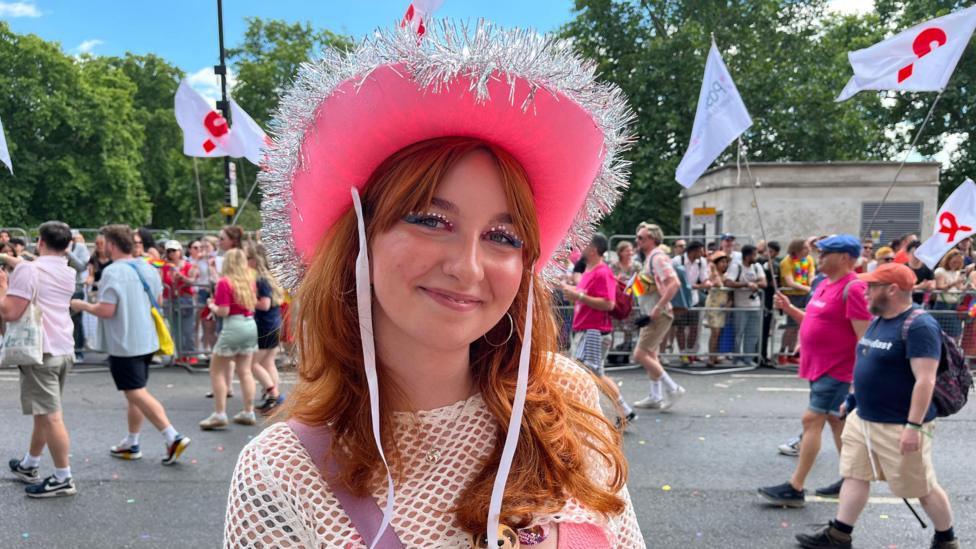
Magda Szewczak, a 25-year-old visitor from Poland, described attending Pride as "more important than ever." She shared with the BBC:
"I love to see people being free to be themselves and being whoever they want to be."
Many attendees echoed this sentiment, highlighting the significance of showing solidarity after the organisation's turbulent period.
The organisation has been engaged in a prolonged legal dispute with its former chief executive, Christopher Joell-Deshields, who was dismissed following an investigation into alleged misuse of vouchers donated by a sponsor.
Joell-Deshields, 55, is scheduled for sentencing later this month after admitting contempt of court for failing to comply with a legal order to return company property, including access to bank accounts and internal systems.
Nicole Edmondson, 46, from Surrey, attended with friends and told :
"We had concerns, but we felt it was important to come together and be with the community. It's a brilliant turn out and it makes you feel good."
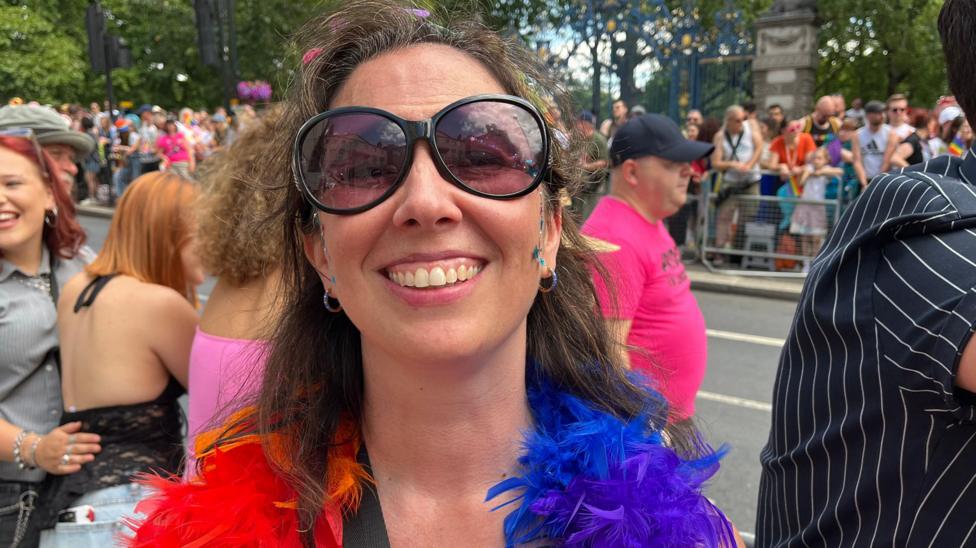
Besa Nolan, 25, who travelled from Liverpool, remarked on the scale of the event, stating it alleviated his worries about the future of the Pride movement:
"Other cities have downgraded their Prides. Everything feels under threat, but today I haven't thought about that because look at the size of the turnout."
Event Details and Organisers' Statements
While final attendance figures were not released, organisers had projected that over one million people would participate in the celebrations across London.
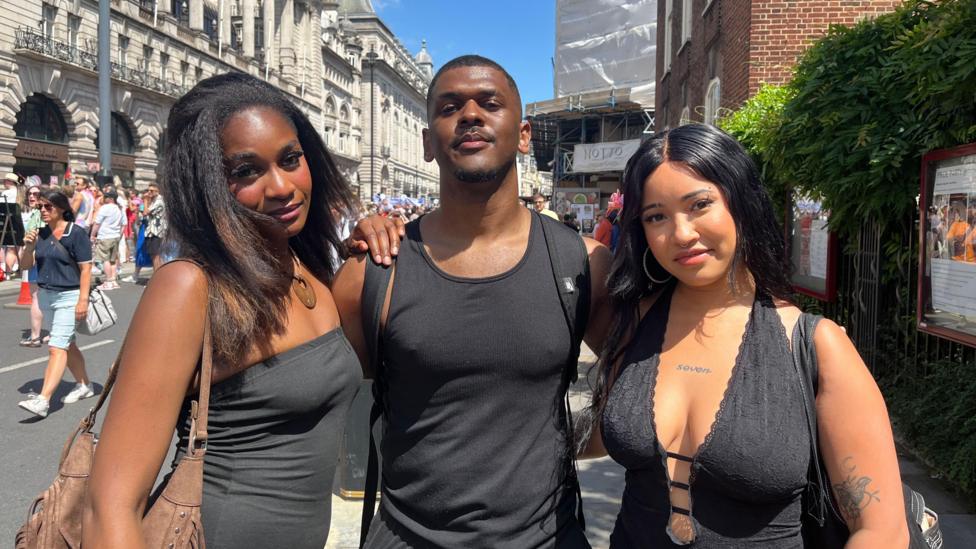
Tens of thousands lined the parade route through central London, which began shortly after midday on Saturday.
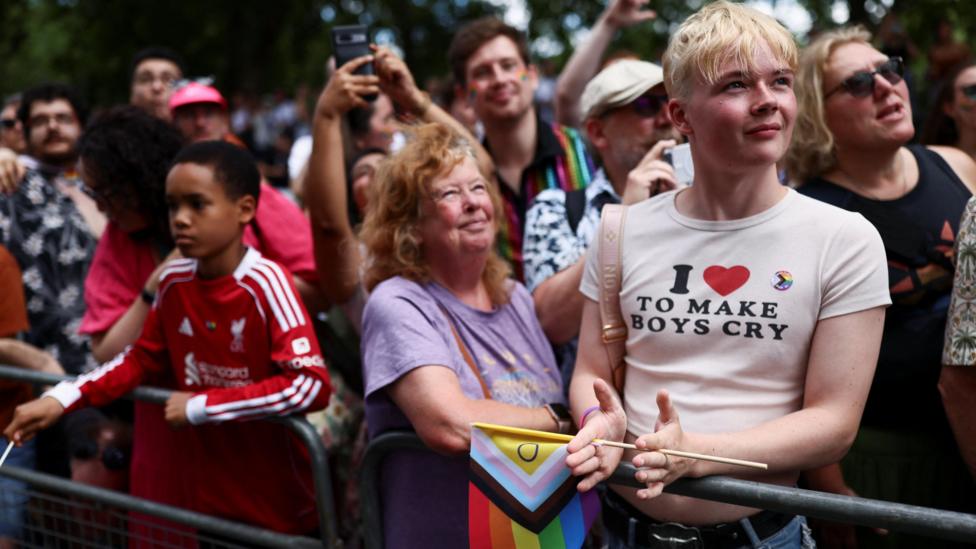
A spokesperson for Pride in London stated:
"Our priority is to always ensure the safe delivery of Pride for our LGBTQIA+ community and allies. Today's attendance proves the significance and importance of Pride in the capital and we hope that everyone has a safe and happy Pride in London."
In addition to the parade, the festival attracted thousands to various stages around the city, including Trafalgar Square and Soho Square.
This year's main stage featured performances by singer MNEK, Beth Ditto, and Meek.
Parade Highlights and Performances
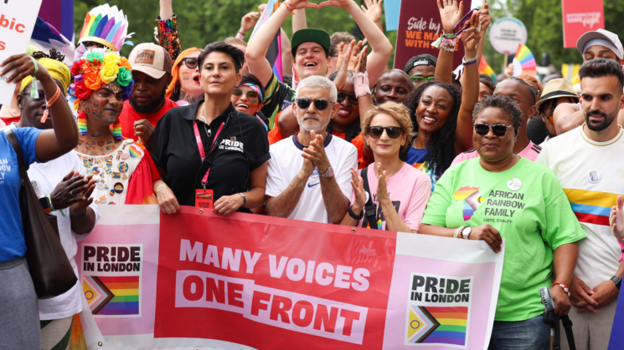
The parade, officially opened by the Mayor of London, Sir Sadiq Khan, and singer Beverley Knight, included approximately 35,000 participants representing 600 groups.
The procession moved from Hyde Park Corner via Piccadilly, concluding at Whitehall Place around 18:00 BST.
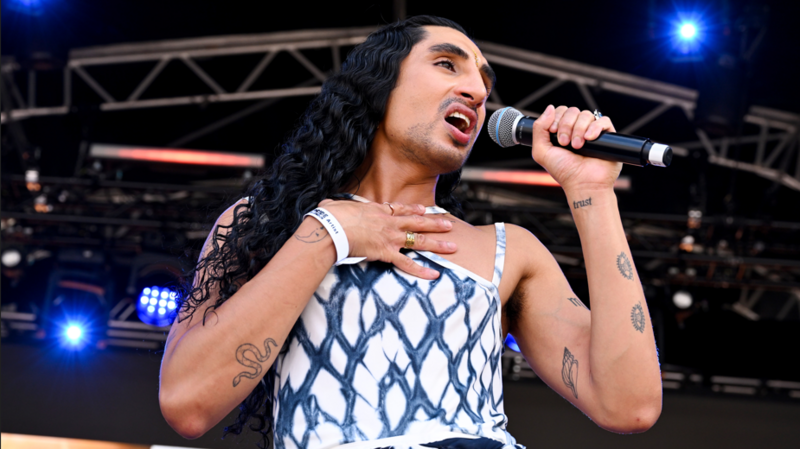
Performers at Trafalgar Square included Leo Kalyan and Bombaymami.
Despite rumours circulating about Madonna's appearance at Trafalgar Square, organisers clarified on social media that she would not be performing or attending. They stated:
"In response to the rumours, we can confirm that Madonna will not be appearing or performing at Pride in London. We have two fantastic headliners at Trafalgar Square to conclude a brilliant day of protest and celebration."
It was reported that while there had been communication between organisers and Madonna, she was never confirmed as an attendee.
Andrew Depass, 60, visiting from Miami with his children, expressed his admiration for Madonna, saying:
"Madonna is the only one that spoke up for us in the 90s when people were dying from Aids. She talked about them. That's why she's the most important music icon in my mind."
Context of UK Pride Events
Pride in London is one of over 200 Pride events expected across the UK this year, ranging from small local gatherings to large city-wide celebrations featuring prominent performers in cities such as Manchester and Brighton.
Organisers of these events have reported challenges including rising costs and a decline in corporate sponsorships, leading to some Prides being postponed, cancelled, or scaled back.