

Contrasting Personalities, Shared Political Impact
One is a former stockbroker from the south who, by his own admission, enjoys smoking, drinking, and women. The other is a proud vegan, gay, northern former actor who has never consumed alcohol.
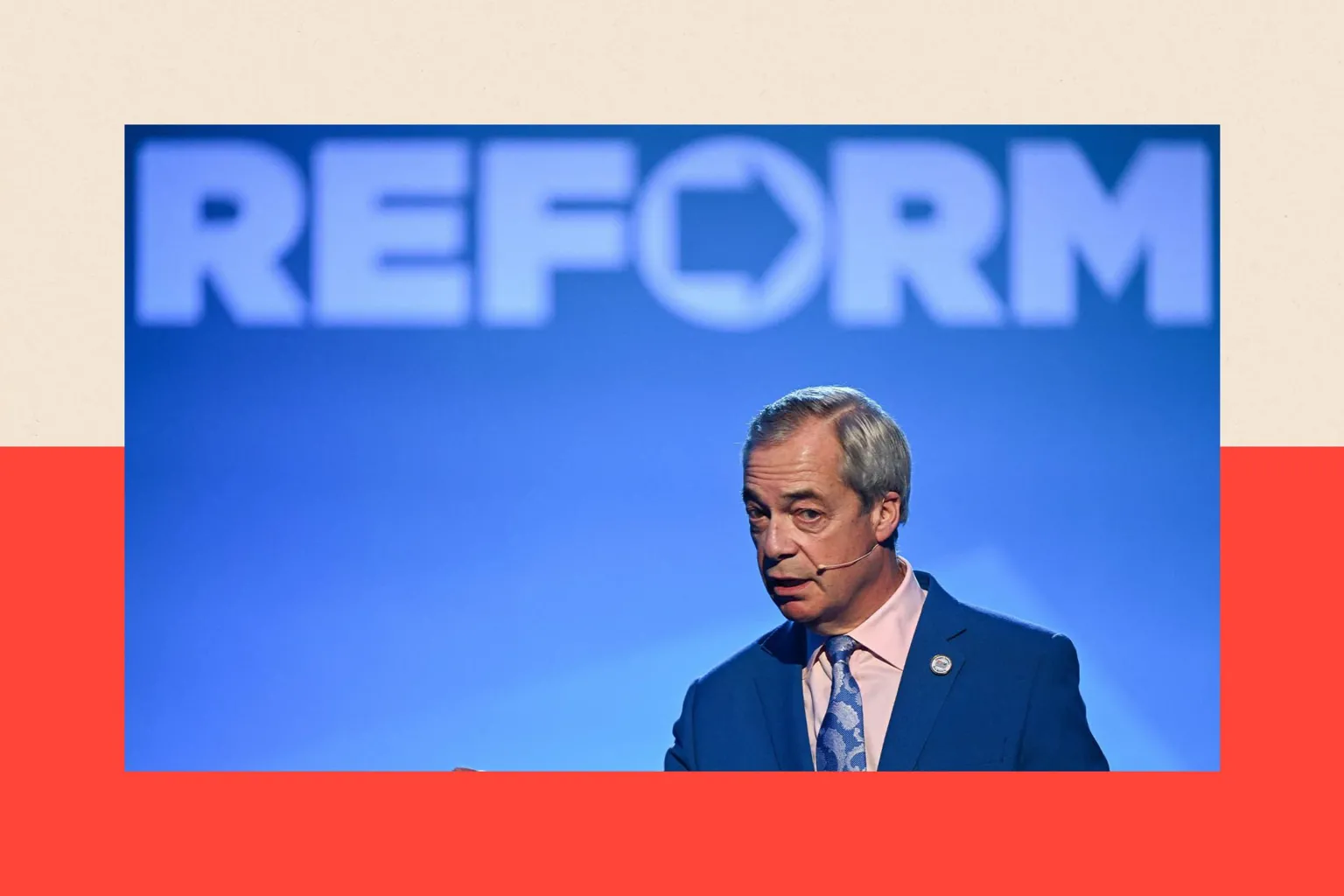
Despite these differences, the jubilant Zack Polanski and Nigel Farage share more in common than might be expected.
Before drawing conclusions, it is important to acknowledge their significant differences.
The Greens emphasize a climate emergency, while Reform UK dismisses government green policies as "net stupid zero." Polanski advocates for a "world without borders," whereas Farage supports deporting thousands from the UK. Unsurprisingly, they are not aligned politically.
Polanski has said he "despises" Farage's politics, accusing him of fostering hate and division.
Farage declined Polanski's offer for a debate, stating, "if you pick a fight with a chimney sweep, you get covered in soot," and added that Polanski "has a fan club: all the heroin smokers."
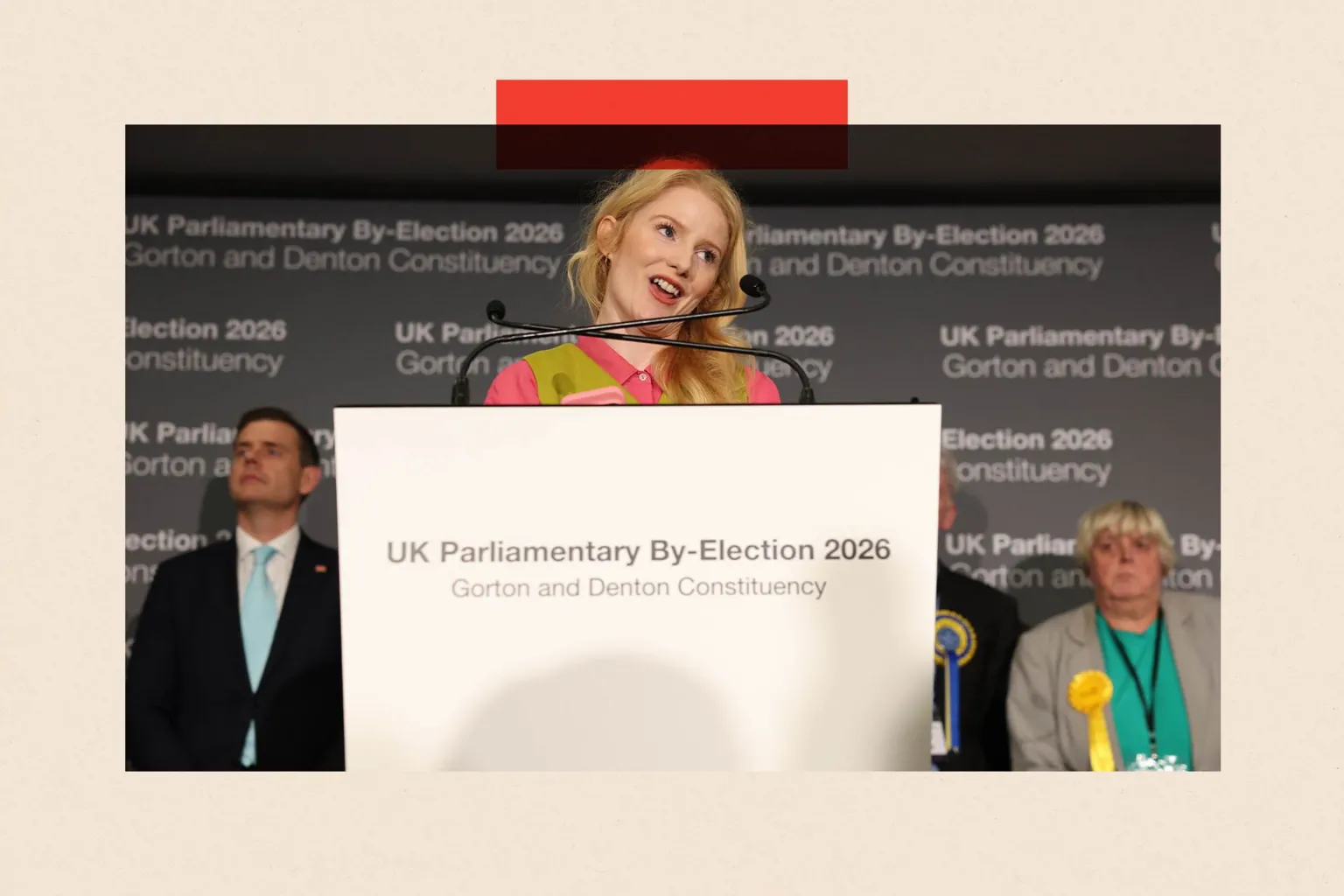
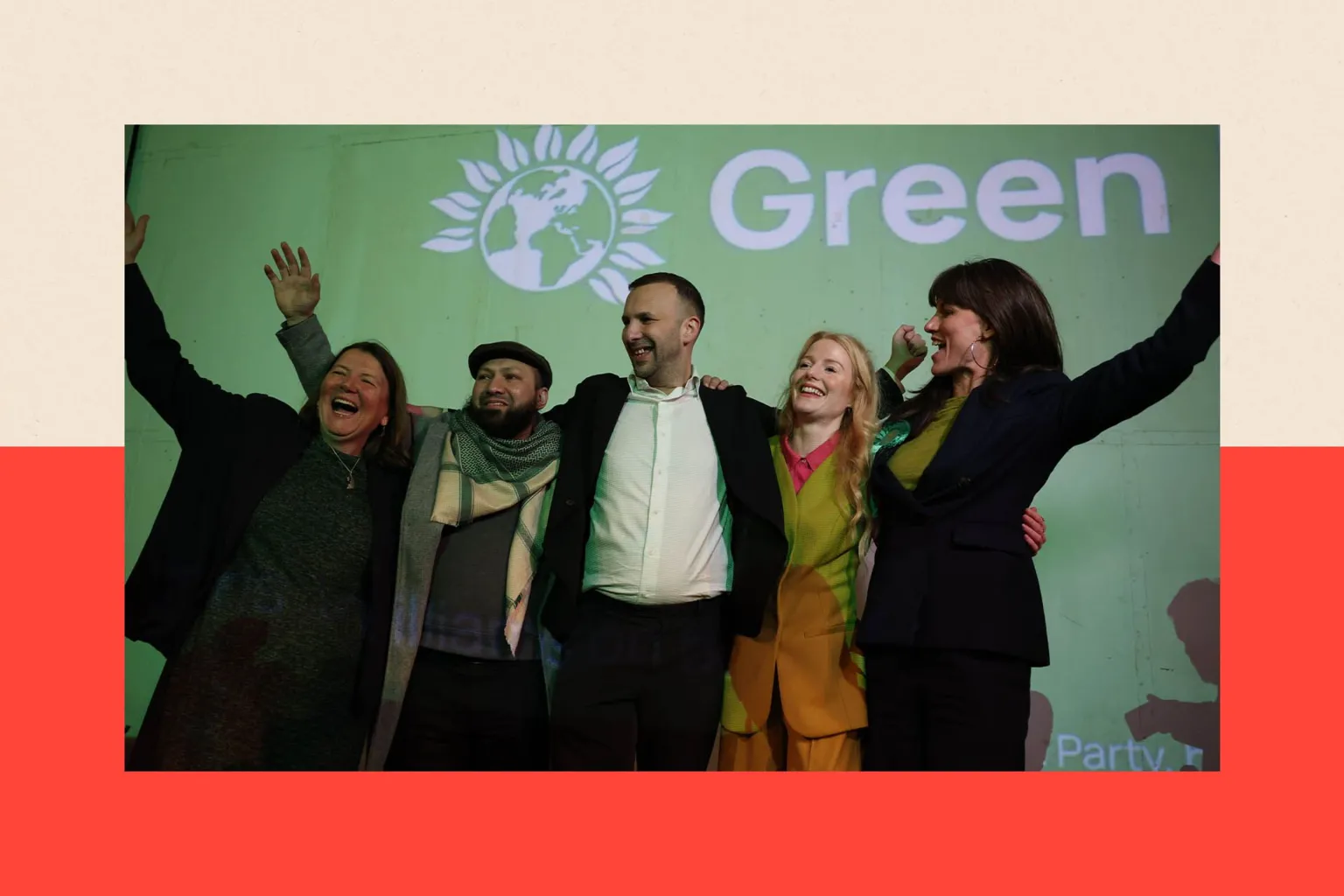
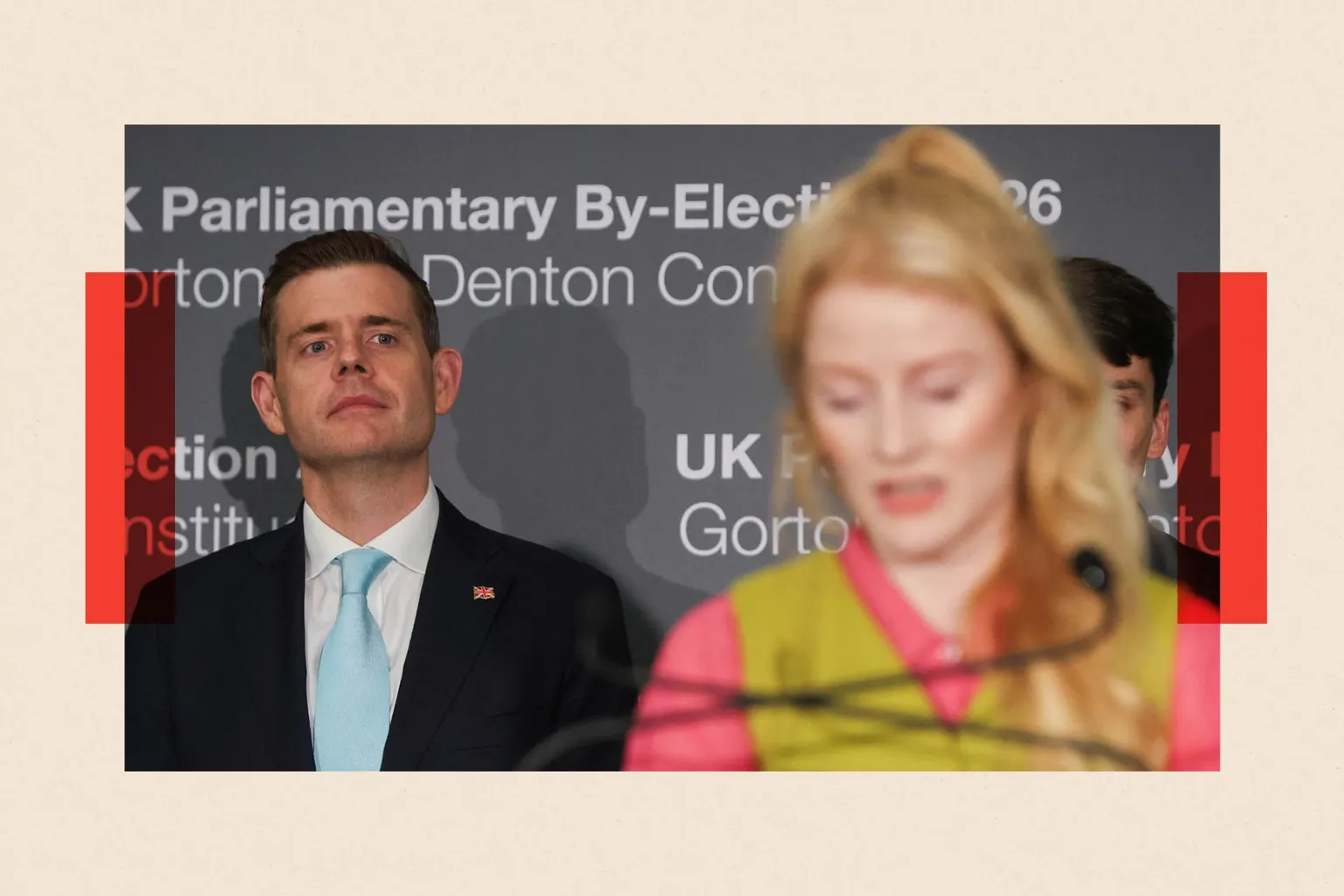
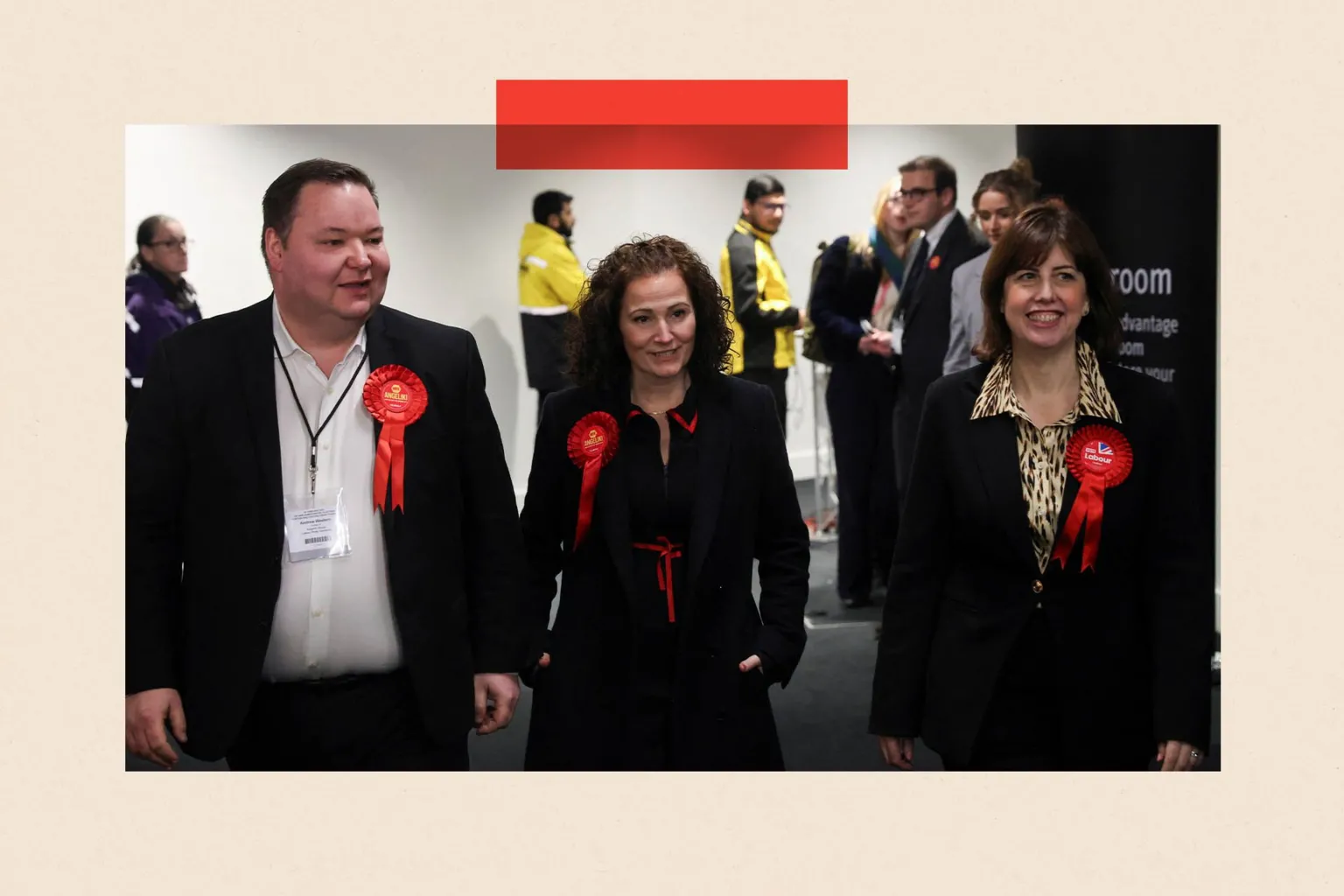
As Polanski and his newest MP Hannah Spencer celebrate a significant victory in Gorton and Denton, and Farage's party pushes Labour into third place, parallels between the leaders and their parties emerge despite apparent contradictions.
Political Success and Growing Influence
Before becoming leader, Polanski suggested the Greens could learn from Farage's success, a notion that appears to have materialized. Politics often reveals unexpected truths.
In recent by-elections and beyond, both Polanski and Farage have unsettled traditional party politicians by occasionally defeating them.
Reform UK disrupted Labour's hold by narrowly winning the Runcorn election in May last year, and now the Greens have secured their first by-election win, relegating Labour to third place.
Both parties have experienced rapid growth, attracting thousands of new members.
In an era where many are disillusioned with politicians, both parties have successfully engaged the public.
Observing them with the public, not just in studios or Parliament, reveals both men enjoy campaigning, drawing energy from brief interactions such as selfies, greetings, or honks from passing cars.
Both politicians seem to appreciate the attention they receive.
They are adept on social media, dedicating significant effort to maintaining active and engaging online presences.
For Polanski and Farage, online communication is central to their political strategy.
Disruptors with Political Histories
Both Farage and Polanski position themselves as disruptors intent on shaking up the political landscape.
However, both have histories with established political parties.
Nigel Farage was once a Conservative, though he disputes whether he was offered a safe seat or sought one.
Zack Polanski initially sought to stand as a Liberal Democrat MP but was displeased when not selected, leading to his party switch.
Both have built new political movements rooted in older organizations centered on specific causes.
Reform UK's origins trace back to the UK Independence Party (UKIP) and the Brexit Party, which emerged from concerns about the UK's relationship with the European Union.
The Green Party's roots extend to the 1970s People's Party and the Ecology Party, becoming the Green Party of England and Wales in 1990, driven by environmental concerns.
Expanding Beyond Founding Causes
Following Conservative instability and Labour's challenges since entering No 10, both parties campaign beyond their original focuses.
They occupy political space created by public disillusionment with the Tories and Labour, addressing broad unease in mid-2020s Britain.
Their diagnoses of Britain's issues differ markedly.
The Greens often blame the super-rich, frequently citing "donor billionaires."
Reform UK attributes many problems to immigration, controversially describing it as an "invasion" of unauthorized arrivals.
Nonetheless, both parties tap into widespread public sentiment that "Britain doesn't work anymore."
Whether it is the new Green MP stating,
"working hard used to get you something"in her victory speech, or Farage asserting repeatedly that
"Britain is broken,"both argue the country is in dire straits requiring new political leadership.

Challenging Political Norms
Both Reform and the Greens are willing to challenge traditional UK political conventions and what is considered electable.
This extends beyond their public images or informal campaigning styles—such as Farage's participation in the "I'm A Celebrity" show or Polanski's dance floor appearances in campaign videos—to their willingness to address sensitive topics avoided by mainstream parties.
Reform UK has discussed returning to the UK's "Judaeo Christian heritage," with MP Sarah Pochin controversially criticizing TV adverts for being "full of black people, full of Asian people," and focusing on grooming gangs early last year.
Pochin later apologized for "phrasing [her remarks] poorly" but maintained that many adverts were "unrepresentative of British society."
Polanski has advocated for legalizing and regulating hard drugs, criticized Israel's military actions in Gaza, and accused Labour of being
"complicit in genocide."
Accusations have arisen that the Greens' by-election campaign exploited sectarian differences.
When questioned on this, Polanski told BBC Breakfast there was an
"underlying racism"in the suggestion that discussing Gaza was merely appealing to a Muslim community.
Entering New Political Territory
Both leaders are guiding their parties into areas traditionally avoided by the main UK parties.
With voter dissatisfaction evident, recent results and polling indicate a public appetite for new political options.
Upcoming major elections in May across England, Scotland, and Wales present significant tests for both parties.
In Scotland and Wales, the SNP and Plaid Cymru aim to form governments—the SNP to retain power and Plaid to gain it for the first time.
Reform and the Greens are determined to increase their vote shares and make further advances.
Challenges for Established Parties
Labour faces the challenge of reversing voter losses to these emerging parties.
The recent by-election contradicted Sir Keir Starmer's claim that politics is now a direct contest between Labour and Reform.
On Friday, Starmer adopted a new approach, seemingly including the Greens in his critique of a politics of "extremes."
Labour is being squeezed from the right by Reform and nearly as intensely from the left by the Greens.
The Conservatives' prospects are uncertain, and the Liberal Democrats struggle to replicate local council by-election successes on a broader scale.
Historically, the Lib Dems might have been the outlet for left-wing discontent in by-elections, but this is no longer the case.
Evidence suggests that Westminster parties in power are increasingly unattractive to voters.
The smiles of their opponents grow wider as Farage and Polanski emphasize making politics enjoyable.
Future Prospects and Political Dynamics
Politics remains fluid; Labour could still recover, though recent events complicate this possibility.
Kemi Badenoch's improved parliamentary performance may influence public opinion.
Past predictions of irreversible multi-party politics have been proven wrong.
By-elections are unique, allowing smaller parties to focus resources effectively in ways not possible in general elections.
Conventional wisdom holds that general elections are won by centrist voters, not extremes.
However, Farage and Polanski share a final commonality: they aim not merely to compete with traditional rivals but to replace them entirely.
About BBC InDepth
BBC InDepth offers comprehensive analysis, fresh perspectives challenging assumptions, and in-depth reporting on major issues.
Emma Barnett and John Simpson curate thought-provoking reads and analyses every Saturday.
Readers can for the newsletter to stay informed.



