

Political Debate in Haverfordwest
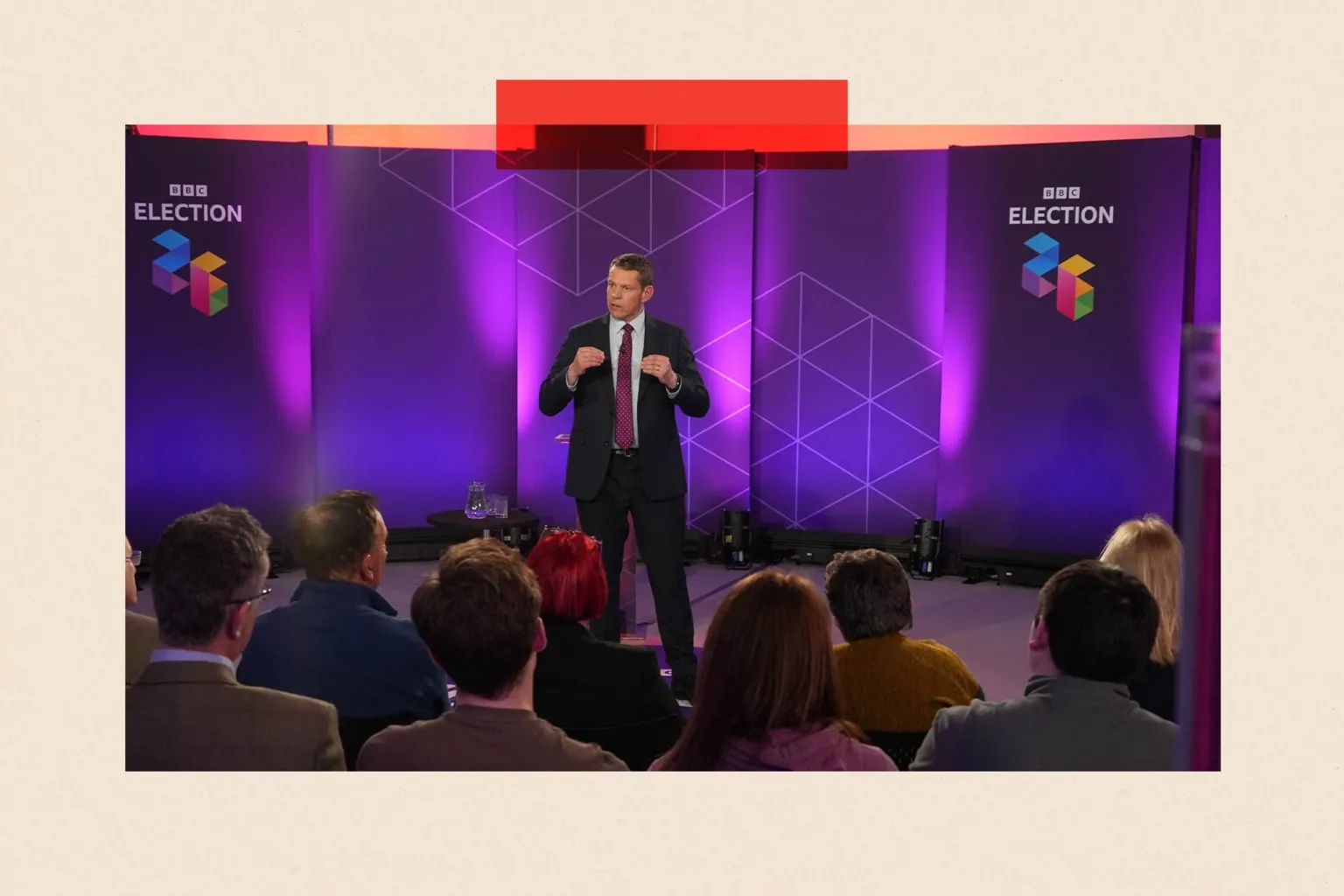
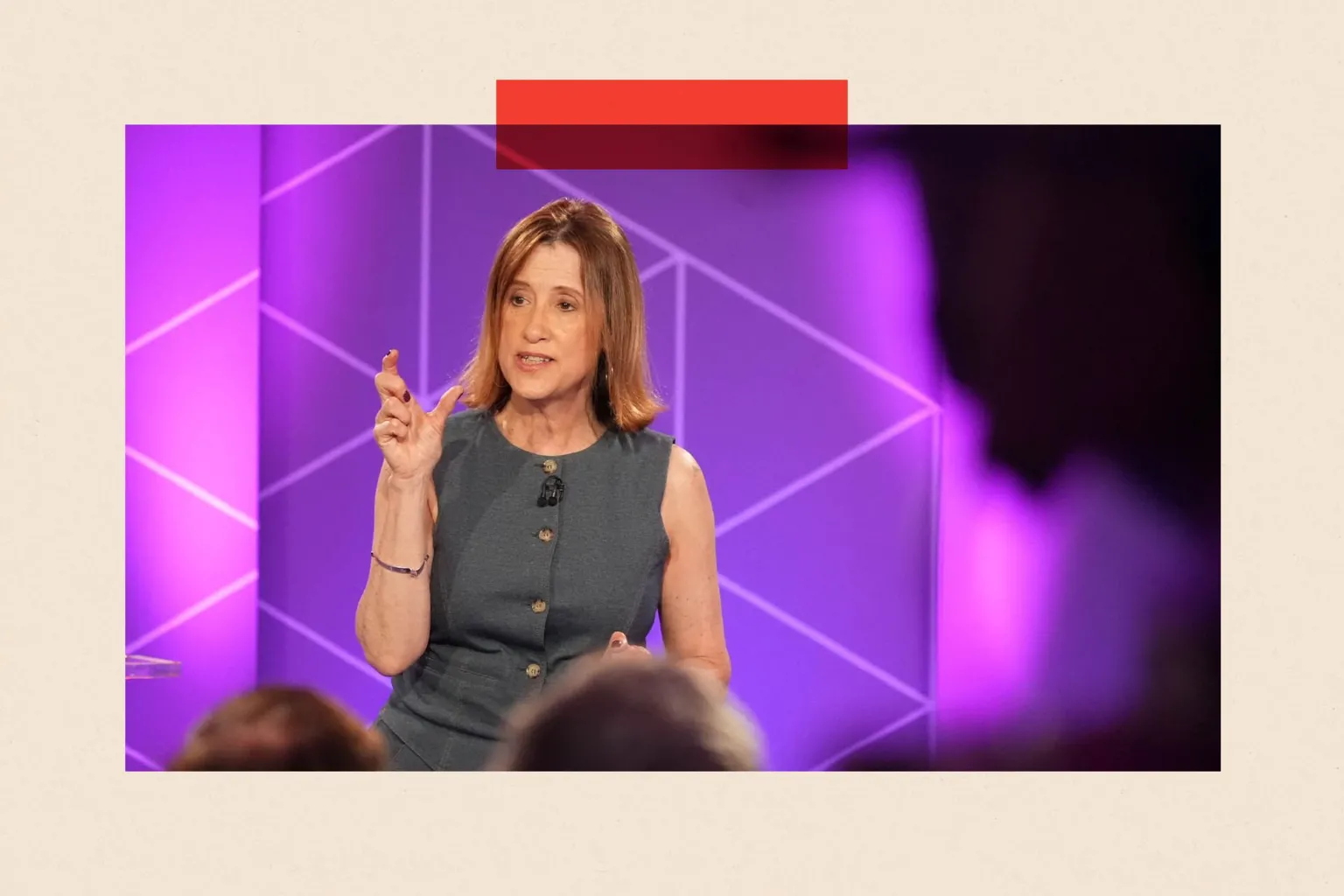
In a further education college in the Pembrokeshire town of Haverfordwest, a studio audience gathered to hear leaders of Wales' political parties present their platforms during a BBC Wales Ask the Leaders debate.
When an audience member asked Plaid Cymru leader Rhun ap Iorwerth about Welsh independence, presenter Nick Servini followed up by inquiring whether the party's plans for independence had been "paused."
Ap Iorwerth responded:
"Do I sound as if I've paused on my ambition for Wales or my belief that this isn't as good as things could be for Wales? No, my situation on this has been the same, life-long. It's a question for the people of Wales.
"How brave we want to be, how far we want to go."
A closer examination reveals that while the question concerned independence, ap Iorwerth's answer did not explicitly mention the term.
Polls indicate two opposing parties—Plaid Cymru and Reform, representing pro- and anti-independence views respectively—are competing to lead the Welsh government for the first time. Independence has been part of the election discourse, with claims ranging from it being "the normal state for any nation" to assertions that it is "unaffordable." However, independence has not dominated the campaign. Interestingly, pro-independence parties in Wales tend to discuss the issue less than their opponents.
Political parties are evaluating whether Welsh independence is a vote-winning or losing issue during the campaign.
The key question is what would happen to the independence cause if Plaid Cymru wins and ap Iorwerth becomes first minister. Furthermore, if the pro-independence Greens secure enough seats to form a majority in the Senedd favoring separation from the UK, what would be the implications?
Politicians across the spectrum are attempting to persuade the public that their predictions about the future are accurate.
Independence, but Not Immediately
Plaid Cymru's stance on independence is explicit. The second line of its constitution states: "As the National Party of Wales, the Party's aims shall be: to secure independence for Wales in Europe."
Nonetheless, party representatives have consistently maintained that this election is not about independence.
The word "independence" was absent from ap Iorwerth's February conference speech and from the April manifesto launch in Wrexham, which occurred the morning after the Haverfordwest debate. However, the manifesto document itself included a commitment to progressing towards that ultimate goal.
Opponents of Plaid argue that if the party wins, it will pursue independence "by stealth" or through the "back door," warning that Wales could not afford such a move. The Greens also appear hesitant to mention independence unprompted; the term does not appear in their Senedd election manifesto.
Welsh Green Party leader Anthony Slaughter told the BBC that he "won't shy away" from independence but believes the issue is "not front and centre of this campaign." Slaughter suggested that discussing an independence referendum during this campaign would be "divisive" and would hand the initiative to Reform.
He added that the cost-of-living crisis must be the focus for the next four years. Both pro-independence parties emphasize that the NHS, housing, and securing a better deal for Wales under the current constitutional framework are more pressing concerns than independence at present.
Plaid's proposed next step involves establishing a National Commission, with a budget of half a million pounds from the Welsh government's £27 billion budget, intended to "lay the foundation" for a future independence plan.
The party had already decided not to present a formal independence plan during a first term in office, contrasting with the 2021 campaign when then-leader Adam Price promised a referendum within five years.
In 2021, Plaid came third behind Labour and the Welsh Conservatives. Shortly after assuming leadership in 2023, ap Iorwerth stated there would be no timetable for independence.
"Independence by Stealth?"
Labour, which advocates for a stronger Wales within the UK, insists that Plaid remains committed to independence. First Minister Eluned Morgan has warned that "separatism is now very much on the agenda in our nation."
Labour faces challenges from all sides, with polling suggesting it is losing voters to Plaid, the Greens, and to a lesser extent Reform. In a January speech to the Institute for Government, Morgan said:
"Support for independence tends to rise when politics feels stuck or uncertain, and it falls when people see devolution deliver."
"Devolution is the best way to lower the temperature and raise trust."
After over a century of Westminster and Senedd elections in which Labour has been the largest party, it risks losing that status.
Labour is under scrutiny regarding its record, particularly in the largest area of Welsh government spending—the NHS. The health service consistently ranks among the top three voter concerns, according to the YouGov issue tracker.
After becoming leader in 2024, Eluned Morgan prioritized reducing waiting lists, highlighting their recent decline. However, waiting lists remain high.
Regarding devolution, especially since a Labour government took office in Westminster in 2024, questions remain about how effectively it has reduced political tensions as Morgan described.
Welsh Labour has made numerous demands for additional powers, including devolution of the Crown Estate—which manages much of the seabed around Wales and is crucial for floating offshore wind power development—and policing, as well as reforming Wales' funding. These requests have not been granted by UK Labour colleagues.
Welsh Labour emphasizes the benefits of two Labour governments working together, citing projects such as new nuclear power development on Anglesey, rail infrastructure investments, and record funding levels. However, opponents argue that Welsh Labour does not secure favorable deals from London and is perceived as weak when demands are unmet.
A dispute over the absence of specific Welsh funding from the HS2 high-speed rail project has become politically symbolic.
Plaid makes similar demands to Labour but promises to advocate more vigorously for a better deal.
Welsh Labour accuses Plaid of attempting to advance independence by stealth. A source described Plaid's National Commission as "an independence commission in all but name."
Passion and Pragmatism?
How serious is Plaid about independence as the election approaches?
Ap Iorwerth stated:
"I believe that the normal state for any nation is to be independent. I passionately believe that that is true for Wales,"
However, he added a caveat for 2026: not yet. In February, Plaid's finance spokesperson Heledd Fychan denied that the party was avoiding debate on independence and urged journalists to be "clear" about the election's focus.
Fychan accused Labour and Reform of attempting to "scare" voters by "shouting independence at us when we talk about a policy because they want to detract from their actual record or their lack of policies."
Given the reluctance of pro-independence parties to prioritize independence in their campaigns, it raises the question of whether Welsh independence is a vote winner.
Ap Iorwerth said it was not a matter of vote-winning but added:
"I do not think now is the time to have that referendum because the people of Wales are not telling us that it's that time."
In a recent BBC Radio interview, he acknowledged he would not win an independence referendum currently.
When asked about internal opposition within Plaid, ap Iorwerth replied:
"The answer to that is no, because we belief in what Wales can be."
Richard Wyn Jones, director of the Wales Governance Centre at Cardiff University, believes ap Iorwerth's confidence regarding internal support is justified.
"If Plaid is the largest party after the election and has managed to depose Labour after a century, frankly he's going to be unassailable,"he said.
A Secondary Consideration?
A recent BBC poll found support for Welsh independence at 32%, with 52% opposed and 16% uncertain. The poll also indicated that only 56% of Plaid voters support independence.
Dr Jac Larner, a prominent Welsh pollster and political analyst, notes that independence does not rank among the top three or four issues for Welsh voters.
Larner suggests another dynamic: some left-leaning voters view a pro-independence Welsh government as "not as scary" as a Reform-led government, making other issues "a secondary consideration" to preventing Reform from gaining power.
He added:
"Some people are thinking that even though Plaid wants independence, they're not going to be in a position to do it in the near future anyway."
Looking to Holyrood
There is a clear precedent for Plaid's approach to advancing independence in office—the Scottish National Party (SNP), which assumed power in Scotland in 2007.
Under Alex Salmond, the SNP secured a referendum on Scottish independence in 2014, which was lost, but the issue has remained central to Scottish politics.
Richard Wyn Jones said it is "obvious" to long-standing Plaid members that the party is pursuing a strategy similar to the SNP's post-2007 approach.
"That is the election in which the SNP forms a minority government, is perceived as governing well, returns to power four years later and then negotiates with the UK government for a referendum."
"So if there is a model then that is it,"he said.
A senior Plaid source stated that the two parties have not "sat down in a room and discussed a roadmap for Wales," but Plaid has visited Scotland to learn from the SNP's government experience.
The source added:
"The prospect of two first ministers from the SNP and Plaid Cymru would represent a different dynamic. Where we had a common interest or common goals we would work with them."
The source also suggested that if the SNP renewed calls for a second referendum, it could "focus minds" in Wales, with much depending on Sir Keir Starmer's stance on devolved powers and funding.
Crunching the Numbers
Affordability is a significant factor in the independence debate.
Wales Office figures published last autumn estimate a net fiscal deficit for an independent Wales of £21.5 billion, equating to just under £7,000 per person. This deficit represents the gap between tax revenue and public service spending.
Plaid Cymru accused Labour of "peddling dodgy numbers."
Labour responded by warning of the fiscal challenges an independent Wales would face, challenging Plaid to specify how much it would borrow, what taxes it would raise, or which services it would cut to manage the economy of a future independent state.
Ap Iorwerth argued that such statistics overlook how independent states operate but conceded that borrowing would be "inevitable," without specifying amounts, only stating it "would be very similar to the kinds of deficit that other countries have."
The Pro-UK Position
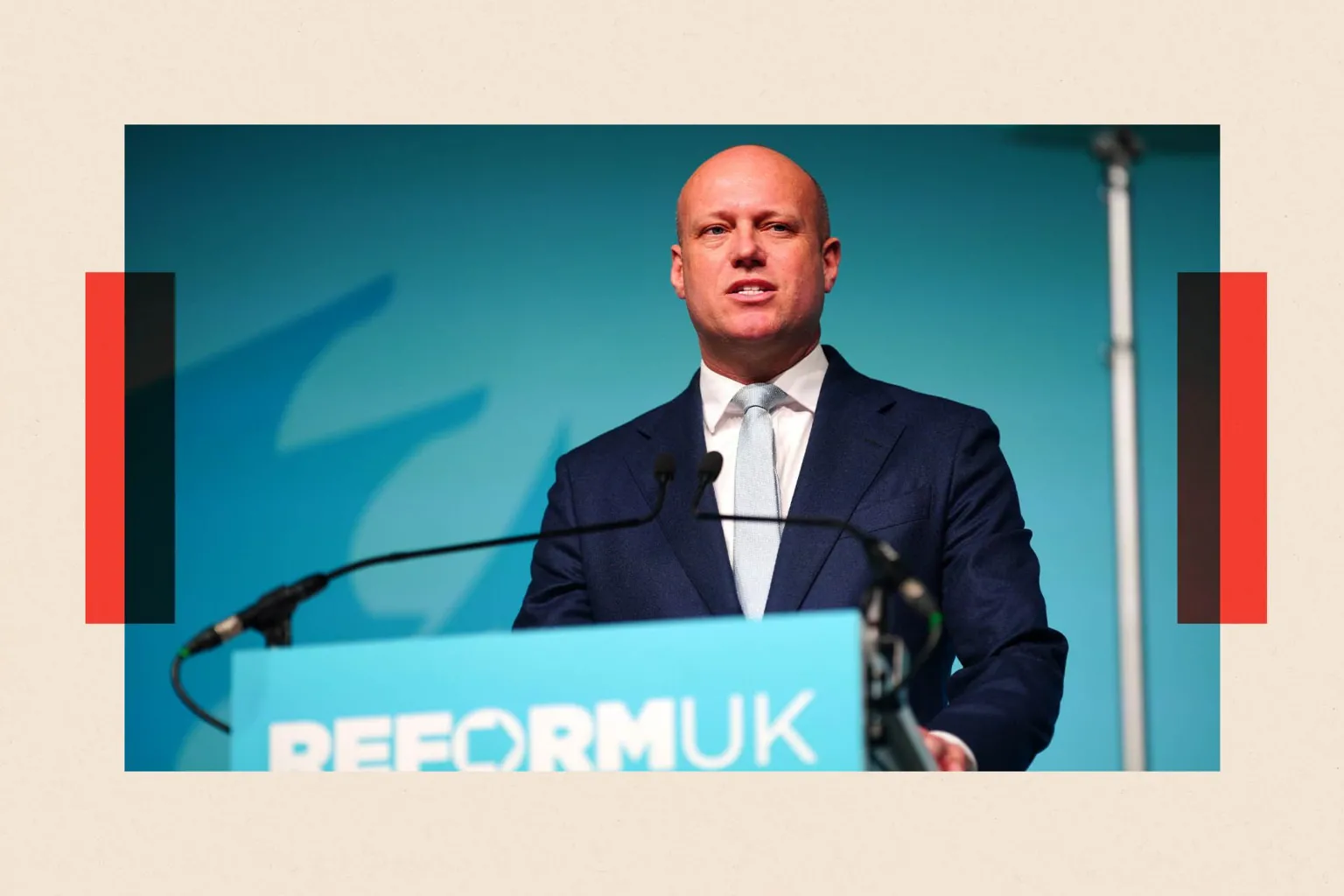
Reform's Welsh leader Dan Thomas is unequivocal about the "huge risk" independence poses. He believes an emboldened ap Iorwerth would intensify efforts to promote independence if Plaid wins in May.
Thomas acknowledged independence would likely be a "secondary" argument but considers it "fair game" to "keep reminding people about Plaid Cymru's ultimate goal."
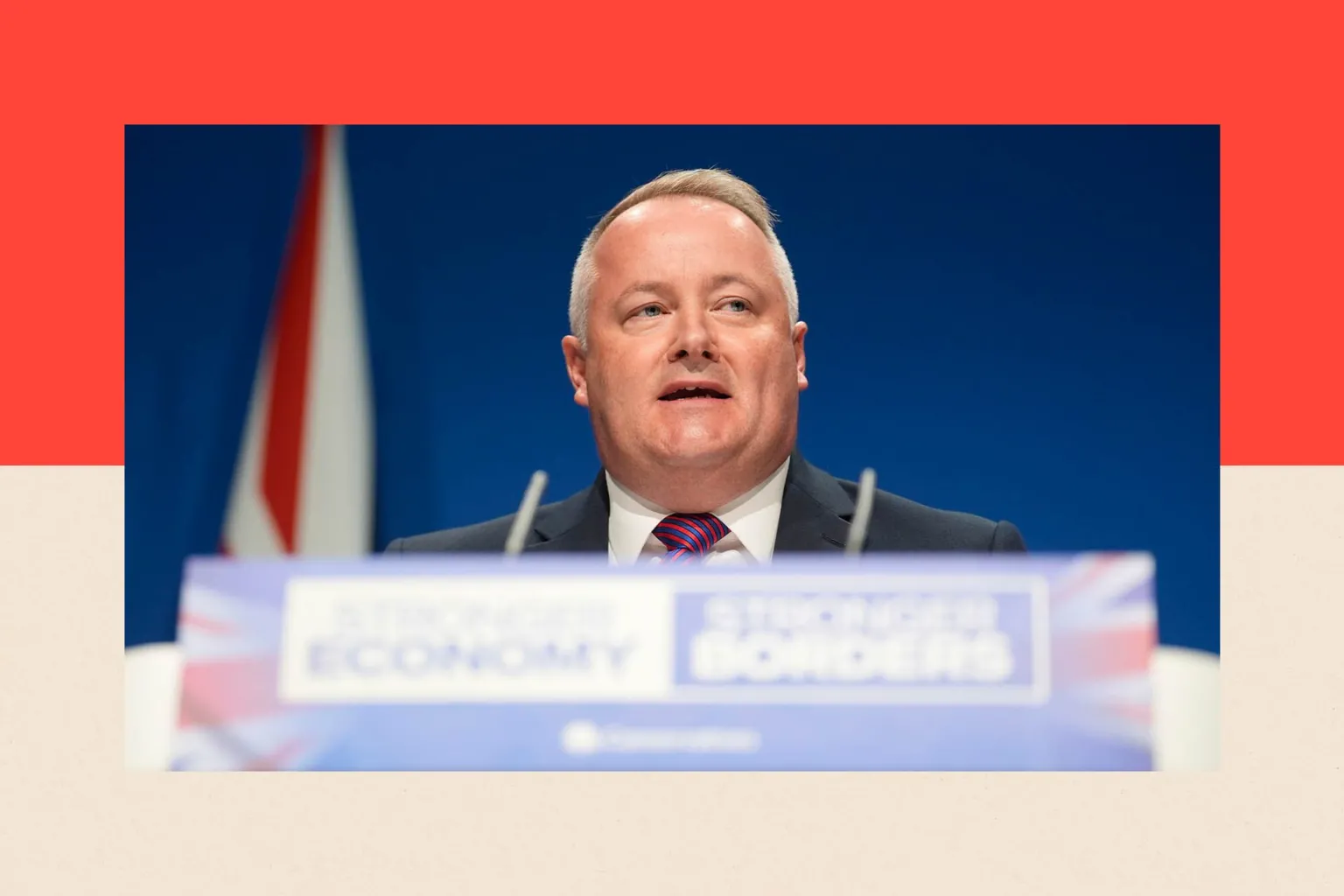
Darren Millar, the Conservatives' Senedd leader, expressed similar concerns.
He said:
"Wales does not need a government that is fixated on independence,"
Millar believes some within Plaid would interpret a May victory as a mandate to "try to break up the UK," adding:
"It is little wonder that Plaid is trying to calm the waters and suggest that independence is not a big deal."
The Welsh Liberal Democrats could theoretically enter a post-election agreement with Plaid, but the publication of the party's "red lines" appears to preclude this.
Leader Jane Dodds' party insists that "not a single penny" should be spent on preparations for independence. Although some members seem open to negotiation, Dodds maintains a firm stance. The Lib Dems' manifesto is titled "A Stronger Wales in a Stronger UK."
Is it worthwhile for pro-union parties to raise alarms about independence before the election?
Jac Larner commented:
"It might be the case that if everyone starts talking about it, then it raises the salience. It would be covered in the media and people would see it more. But I just think that for most voters, that is not what is on the table at this election.
"They see it as Reform or not, and that is the driving factor."
The End Destination?
The independence debate has been a minor yet vocal part of this campaign. Parties favoring the UK union view it as a means to counter Plaid's apparent poll lead.
Plaid is aware not only of the lack of majority support for independence but also that many voters seek immediate change and, as one source described, "instant gratification."
Independence would be a protracted process.
Ap Iorwerth has approached the issue cautiously since becoming Plaid leader in 2023.
However, his opponents remain concerned about the ultimate outcome.
Additional reporting by David Deans
BBC InDepth is the website and app's destination for in-depth analysis, offering fresh perspectives that challenge assumptions and comprehensive reporting on major issues. Emma Barnett and John Simpson curate thought-provoking reads and analyses every Saturday. for the newsletter here.



