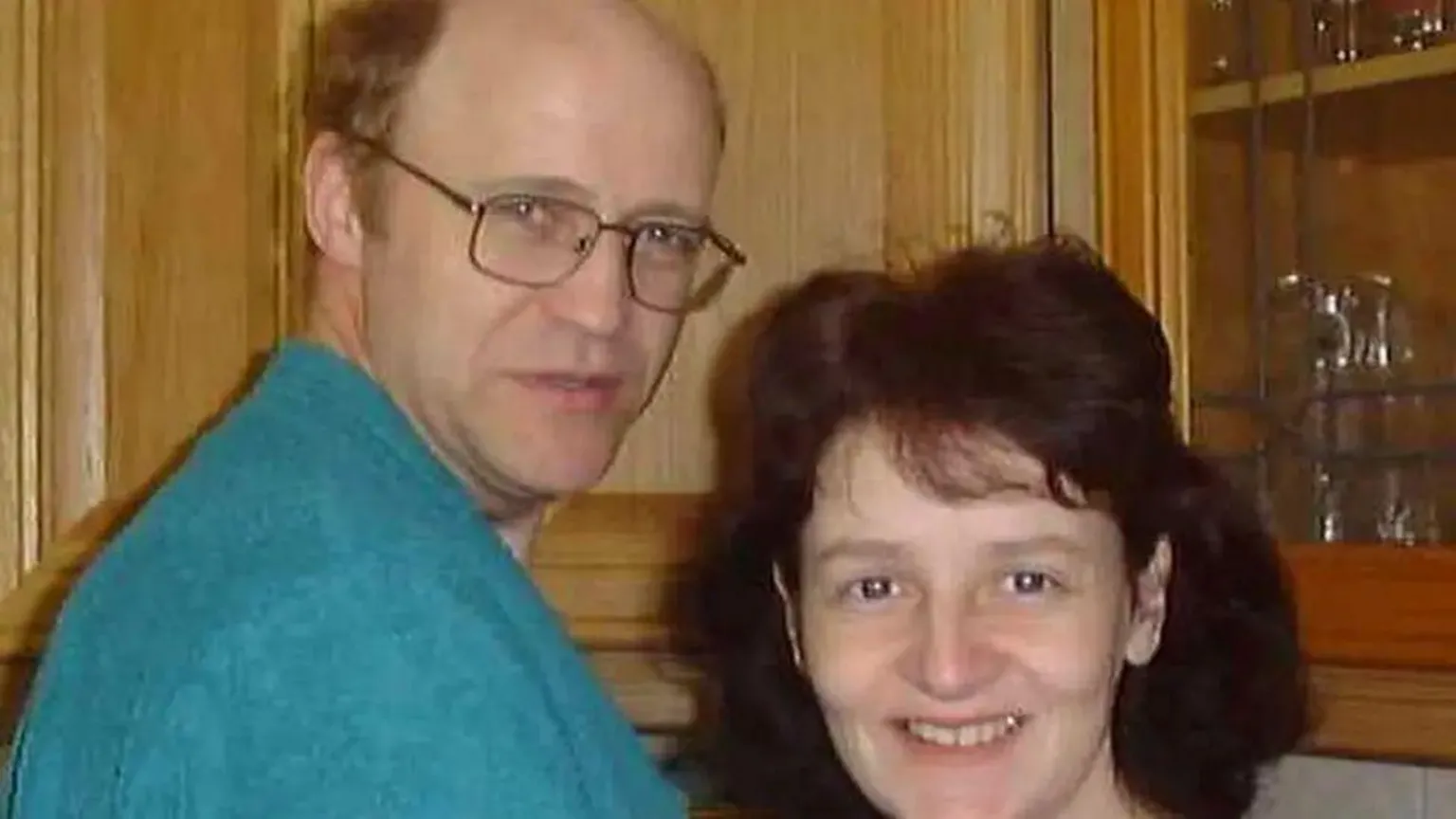
Parole Board Approves Release of Convicted Murderer
The Parole Board has decided that a man convicted of murdering his wife, who has never disclosed the location of her body, can be released from prison.
Glyn Razzell was sentenced to life imprisonment in November 2003 for the murder of his estranged wife Linda Razzell, who disappeared on her way to work in Swindon in 2002.
Linda's family criticized the ruling, stating it "ripped up" Helen's Law, which imposes a legal obligation on the Parole Board to consider the suffering caused by offenders who refuse to reveal the whereabouts of their victims' remains.
The Parole Board emphasized that its decisions are "solely focused on what risk a prisoner could represent to the public if released and whether that risk is manageable in the community." The Ministry of Justice has been contacted for comment.
In its ruling, the Parole Board acknowledged the "continuing cruelty" of Razzell's refusal to disclose Linda's remains but concluded that he no longer posed a risk to the public.
The full rationale for the decision was detailed in documents obtained by the BBC.
Greg Worrall, Linda's fiancé at the time of her disappearance, said: "This is just going to be another level of stress to the family and myself."
Helen's Law, named after Helen McCourt who was murdered in 1988 and whose killer never revealed her body's location, requires the Parole Board to consider a prisoner's refusal to disclose the victim's remains when evaluating parole suitability.
While the Parole Board acknowledged the family's concerns and the provisions of Helen's Law in their decision regarding Razzell, they stated: "Denial [of the victim's body's whereabouts] cannot be a bar to release."
Details of the Crime and Investigation
Linda, aged 41, was last seen parking her car on Alvescot Road in Swindon in March 2002.
At the time, she and Razzell, originally from Somerset, were undergoing divorce proceedings. The week before her disappearance, she had visited a local bank with a court order to freeze his bank accounts.
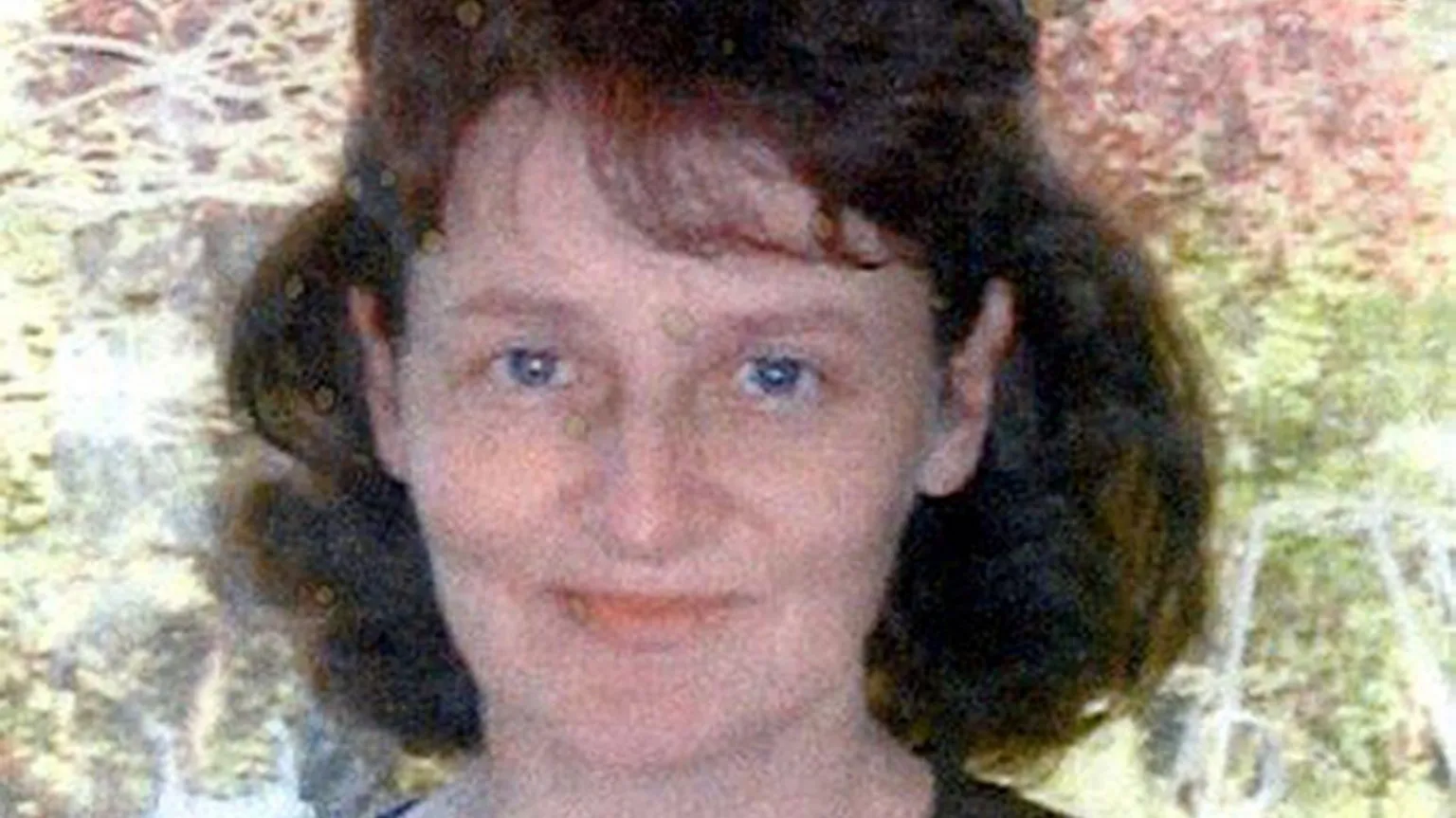
Although Razzell initially appeared in media appeals for Linda's return, he was subsequently arrested and charged with her murder.
He was found guilty following a trial. Despite Linda's body never being recovered, police presented forensic evidence, including traces of her blood found in the boot of a car used by Razzell.
He received a life sentence with a minimum term of 16 years.
Parole History and Decision
Razzell's minimum term expired in 2019, after which he applied for parole but was refused three times, including in 2021 when he became the first prisoner denied parole under Helen's Law.
In January 2026, the Parole Board reviewed another appeal from Razzell. The BBC has obtained an exclusive summary of the decision.
The summary stated: "After considering the circumstances of his offending, including...his conduct while in custody and all the evidence presented at the hearing and in the dossier, the panel was satisfied that imprisonment was no longer necessary for the protection of the public."
"The panel considered that he could, if he had the courage and the decency, do something to reduce the family's pain in a moment, by admitting what the jury concluded he did and saying what he did after the murder," it continues.
However, the panel determined that Razzell posed only a minimal risk to the public. It noted he had spent "an extensive period of time in the community, unsupervised" and demonstrated that "he can comply with controls placed upon him for the protection of the public."
Consequently, the panel concluded that Razzell met the criteria for release.
Conditions of his release include supervision and monitoring, disclosure of any relationships, and compliance with social media restrictions to protect the victim's family from further distress.
Official Statement from the Parole Board
In a statement to the BBC, the Parole Board said: "We can confirm that a panel of the Parole Board has directed the release of Glyn Razzell following an oral hearing.
"Parole Board decisions are solely focused on what risk a prisoner could represent to the public if released and whether that risk is manageable in the community.
"A panel will carefully examine a huge range of evidence, including details of the original crime, and any evidence of behaviour change, as well as explore the harm done and impact the crime has had on the victims.
"Members read and digest hundreds of pages of evidence and reports in the lead up to an oral hearing.
"Evidence from witnesses such as probation officers, psychiatrists and psychologists, officials supervising the offender in prison as well as victim personal statements may be given at the hearing.
"It is standard for the prisoner and witnesses to be questioned at length during the hearing which often lasts a full day or more.
"Parole reviews are undertaken thoroughly and with extreme care. Protecting the public is our number one priority."