Social Housing Waiting List Exceeds 50,000
The number of households on the social housing waiting list in Northern Ireland has now exceeded 50,000, according to official data released by the Department for Communities.
Over the past decade, the waiting list has increased by more than 30%, highlighting the ongoing challenges in meeting demand for social housing amid limited new supply.
The data also reveals a significant shift in the composition of households on the list. More than 33,000 individuals are classified as "full duty applicants" (FDA), a designation indicating they are homeless and awaiting rehousing by the Housing Executive.
The number of households with FDA status has more than doubled in the last ten years. It is important to note that FDA status does not imply rough sleeping; rather, these individuals are in temporary and unstable accommodation while the Housing Executive fulfills its legal obligation to rehouse them.
The Housing Executive has set a programme for government target to commence construction on 5,850 social houses over a three-year period ending in 2027. However, current building rates suggest that meeting this target will be challenging.
In the previous year, Communities Minister Gordon Lyons introduced changes to the funding model for social housing providers. These changes, though controversial, were intended to maximize output within a constrained budget.
Reactions to the Housing Figures
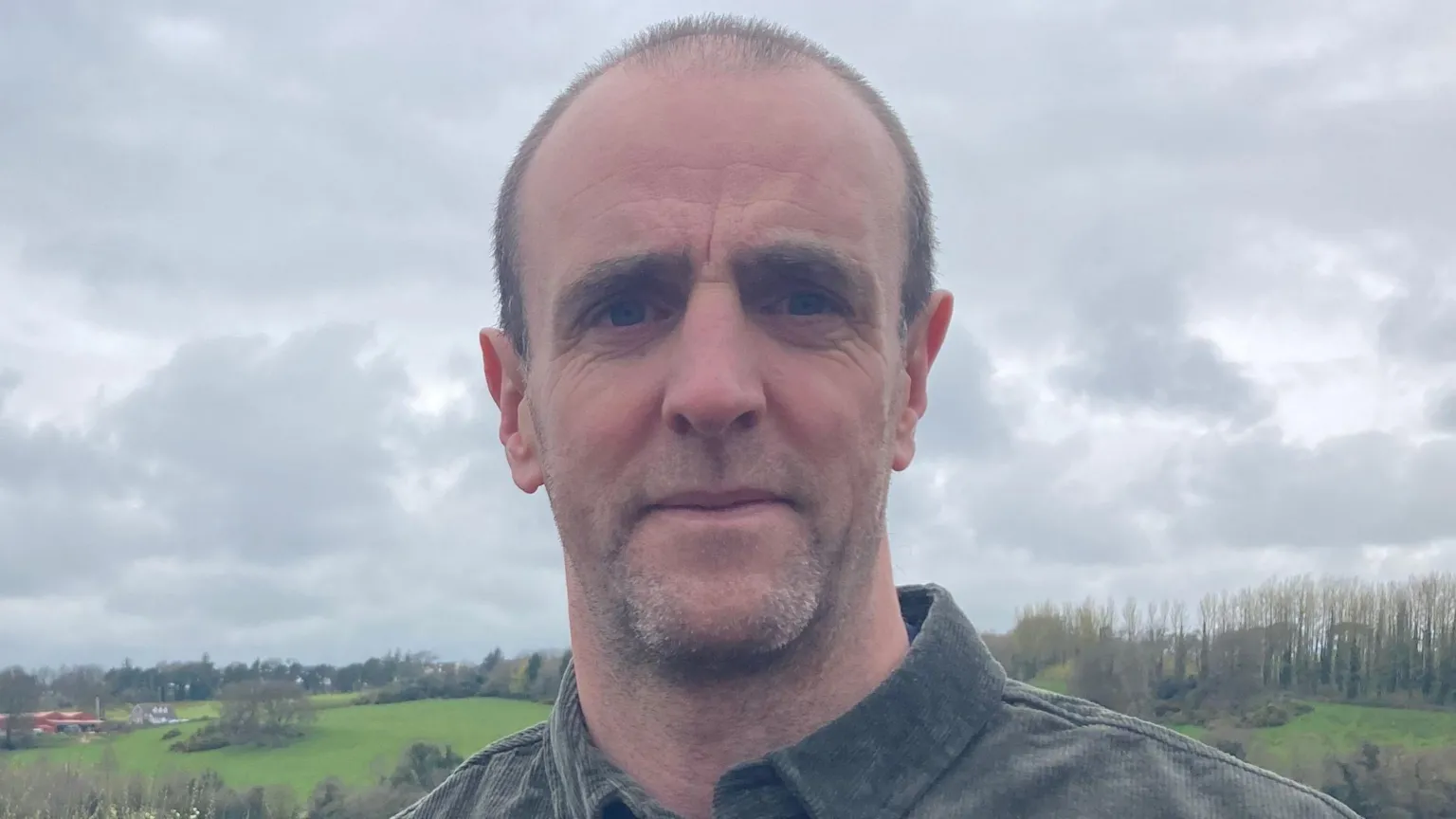
Deirdre Canavan, representing the homelessness charity Depaul, called for "radical action" to address what she described as a deepening crisis.
"We need to see much more if the executive is going to hit its target of beginning building 5,850 new social homes by 2027," she said.
"We also remain greatly concerned over budgets - we are almost in June and still no budget has been agreed by the executive so we are operating services at risk."
Canavan emphasized that the current funding and demand situation is unsustainable, warning of broader impacts on health and social care systems.
"They (people facing homelessness) would have no other option than to turn to acute emergency and statutory services who are already under pressure. That cannot and should not happen."
Ciarán Fox, director of the Royal Society of Ulster Architects (RSUA), noted that the executive had committed to producing a homeless action plan by March 2025 but, 18 months later, no such plan has been released.
"The minister for communities has instigated some important reviews that hopefully will result in the removal of some barriers to the delivery of social housing," he said.
"However, this is a challenge that must be addressed in a co-ordinated way across government.
There is great potential to provide additional homes and address dereliction through the re-use of existing buildings. However, government policy must incentivise this."
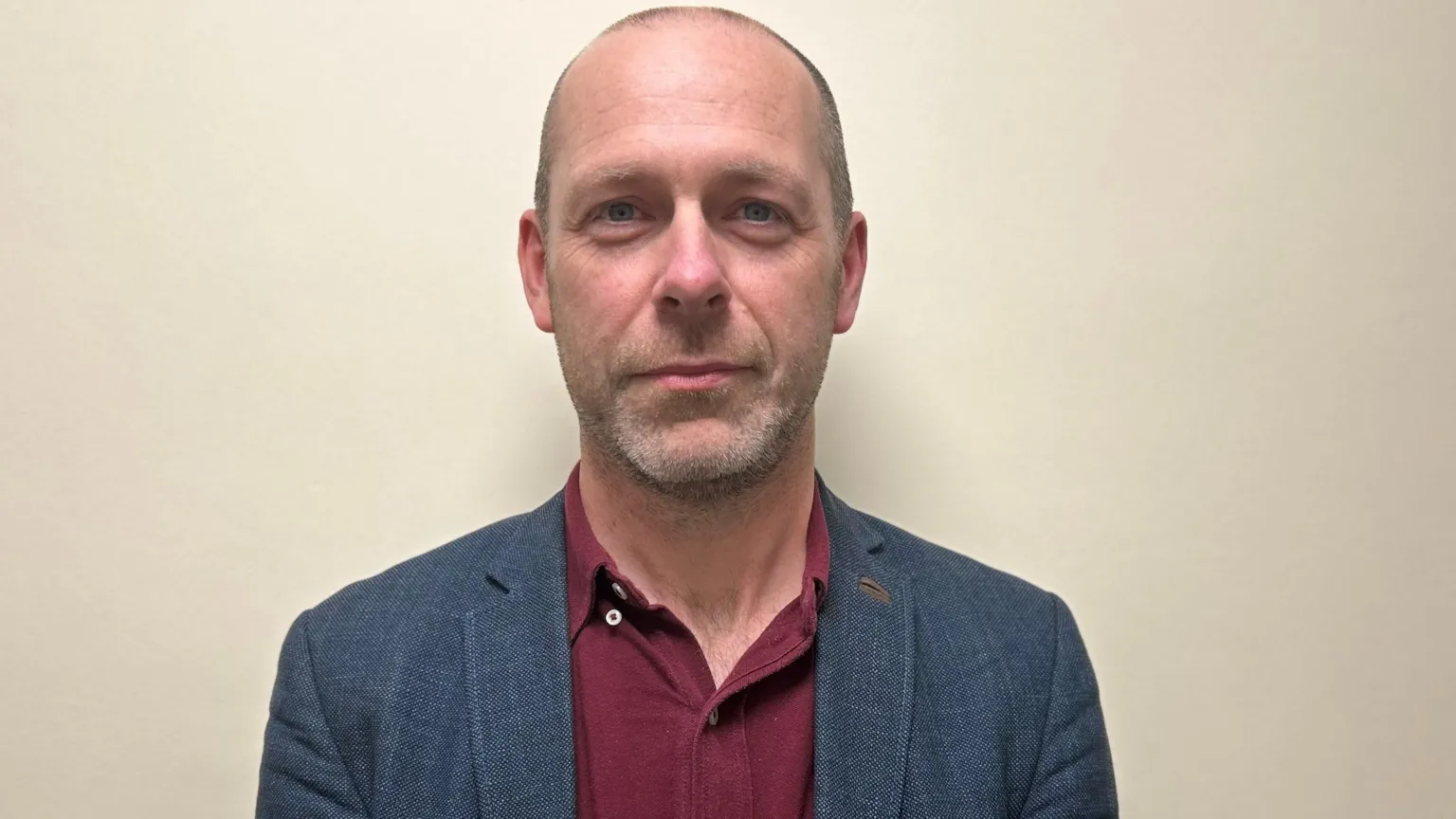
Sinn Féin MLA Colm Gildernew, chairperson of the Stormont communities committee, described the latest figures as evidence of a worsening housing crisis.
He also criticized a scheme intended to purchase 600 homes for temporary accommodation, noting that it had yet to deliver a single property.
"The statistics should act as a wake up call to minister Lyons who urgently needs to get to grips with the crisis in housing," he stated.
SDLP communities spokesperson Mark H Durkan expressed concern over the persistent rise in social housing waiting lists, homelessness, and housing costs.
"It has become accepted that every time we see a new set of housing figures the situation around social housing waiting lists, homelessness and the cost of buying and renting a home only gets higher.
We cannot allow ourselves to become numb to these figures. Behind every single one of them is a family who is struggling to get a roof over their heads."