

Digital Facial Reconstruction Could Unlock Identity of Man Found in Wetsuit
Detectives are hopeful that a new digital facial reconstruction of a man found deceased in a wetsuit could finally lead to identifying him, 18 months after his highly decomposed body was discovered in a remote reservoir in mid Wales.
The man was found wearing only a £200 XXL wetsuit, which prompted extensive police investigations and international appeals, though no relatives have come forward to date.
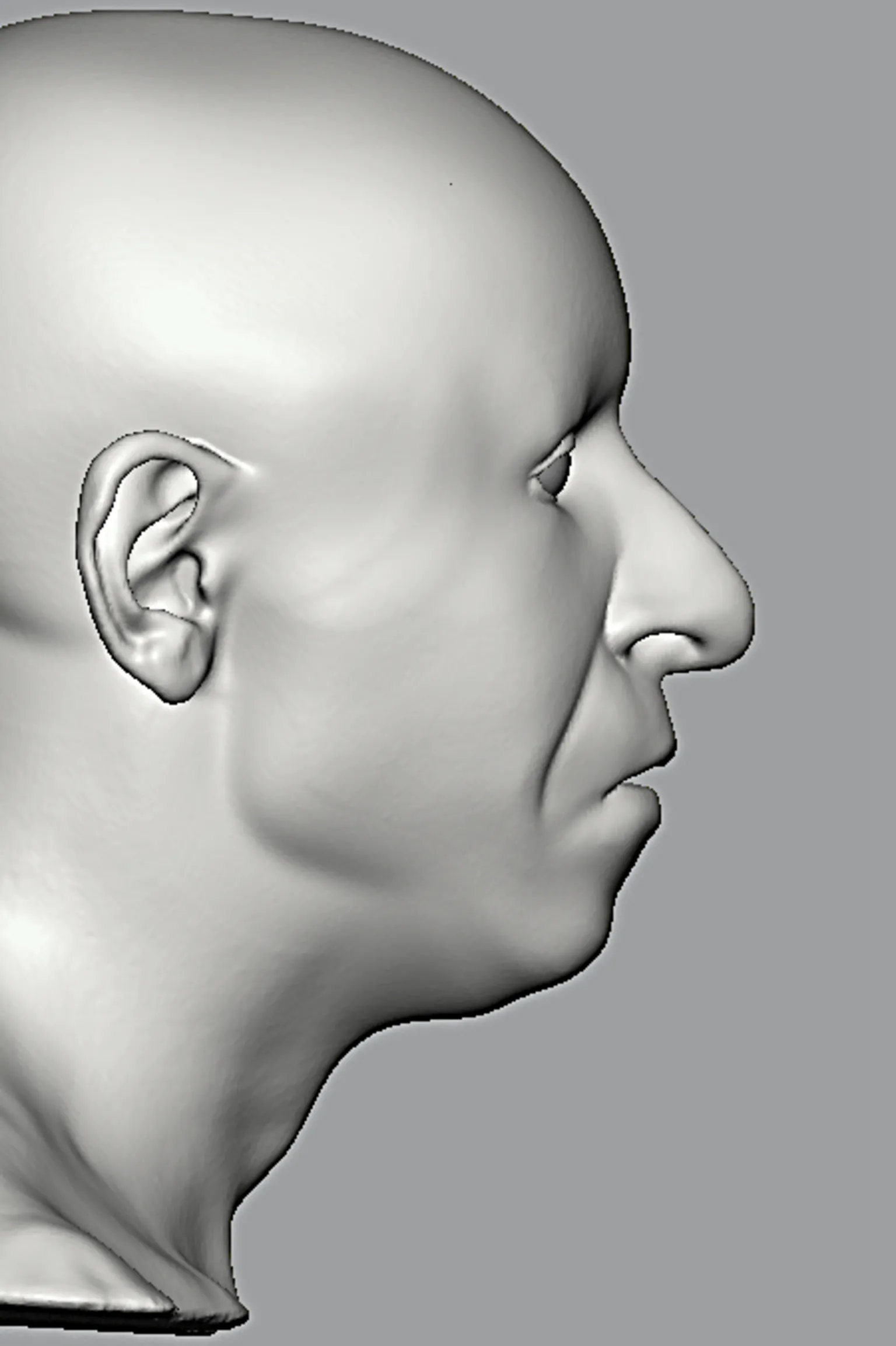
Specialists at Liverpool John Moores University have utilized photographs, dental records, and CT scans of the man's skull to create a detailed 3D model, revealing distinctive facial features including an overbite.
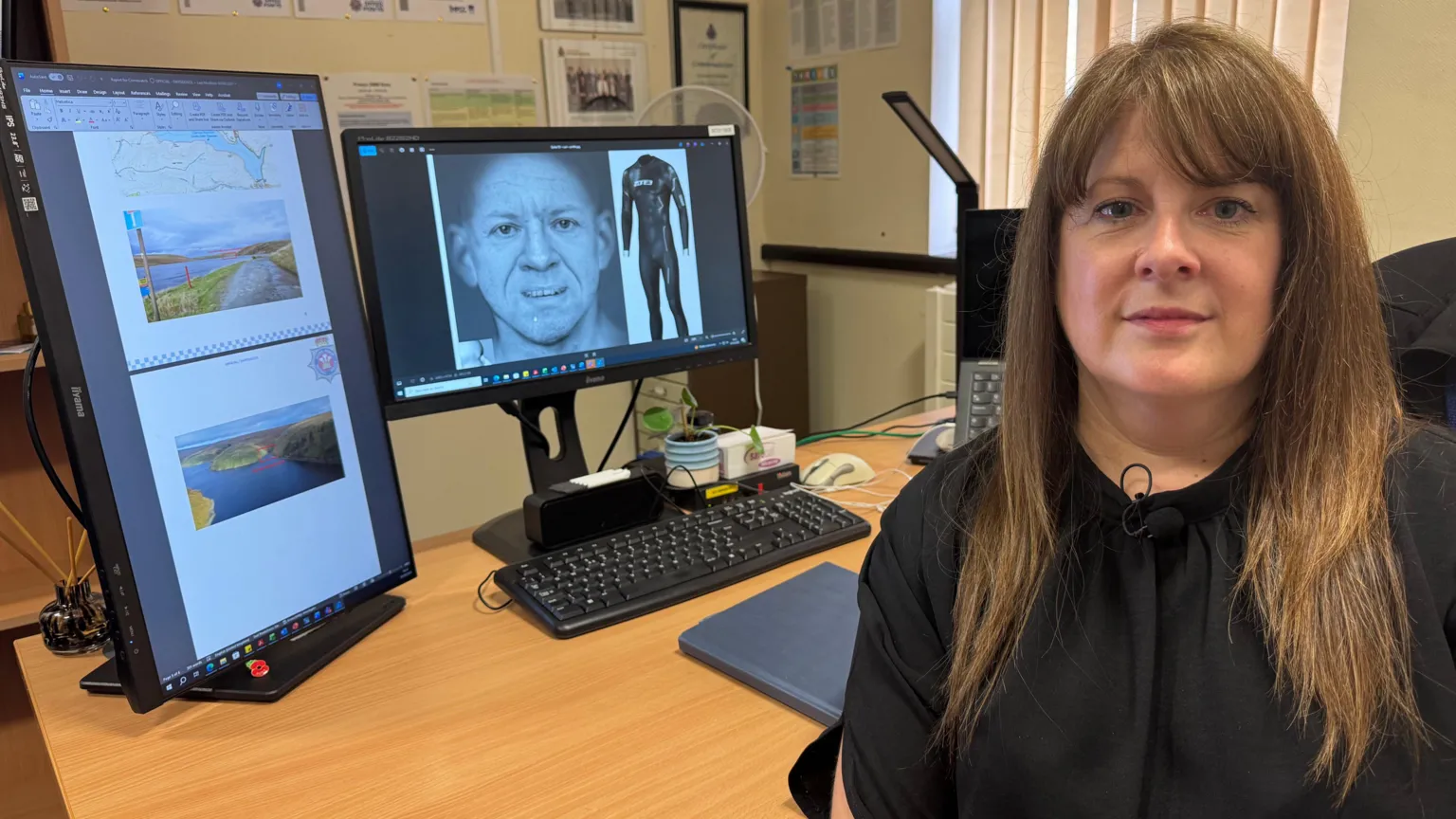
"Ultimately we're trying to do as much as we can to identify and return him to any family members that are out there who may be missing him,"said Detective Inspector Anthea Ponting of Dyfed-Powys Police.
"We believe this is our best chance to identify the male."
The case attracted significant public attention across the UK after police issued an appeal for information in October 2024.
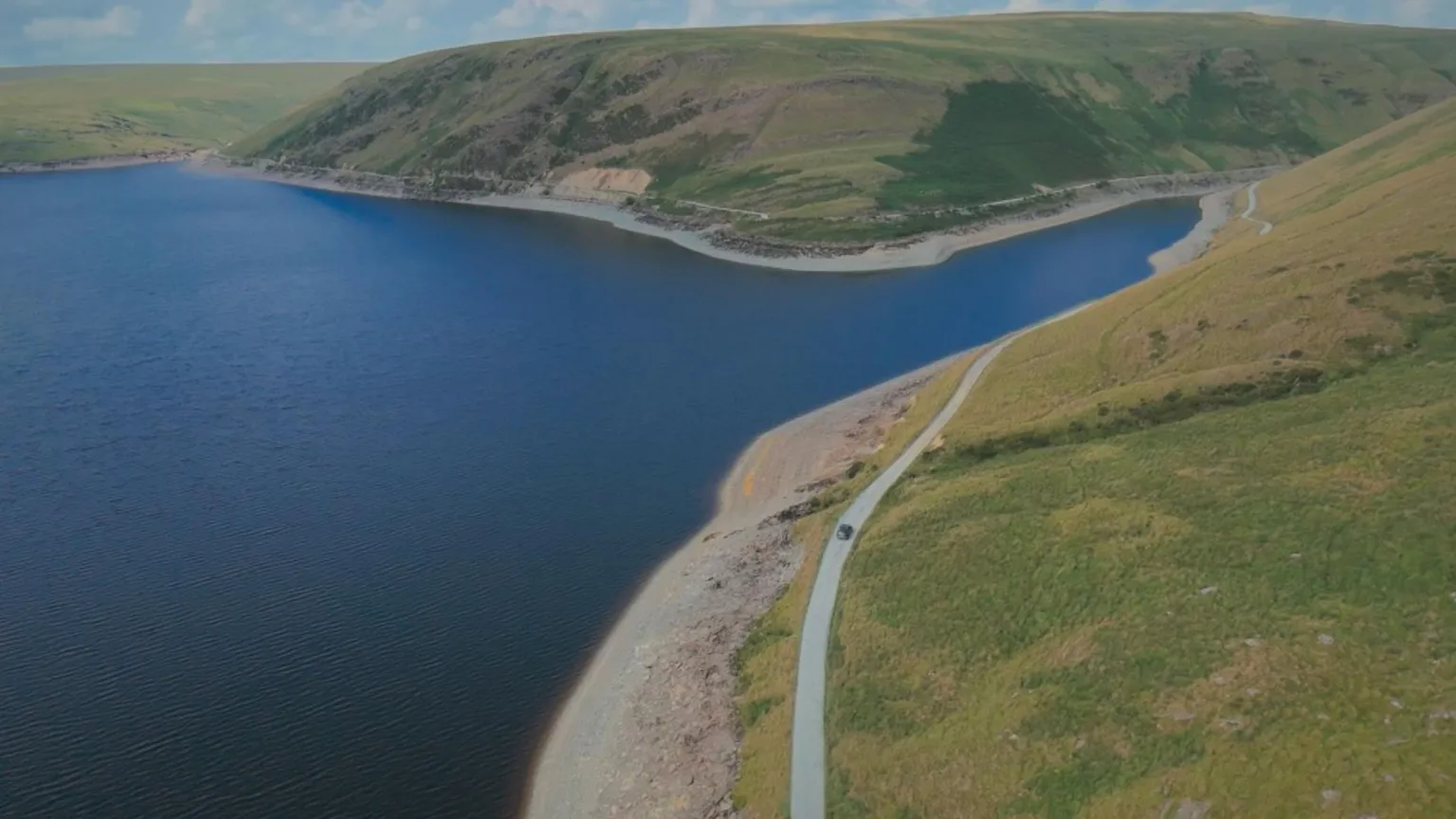
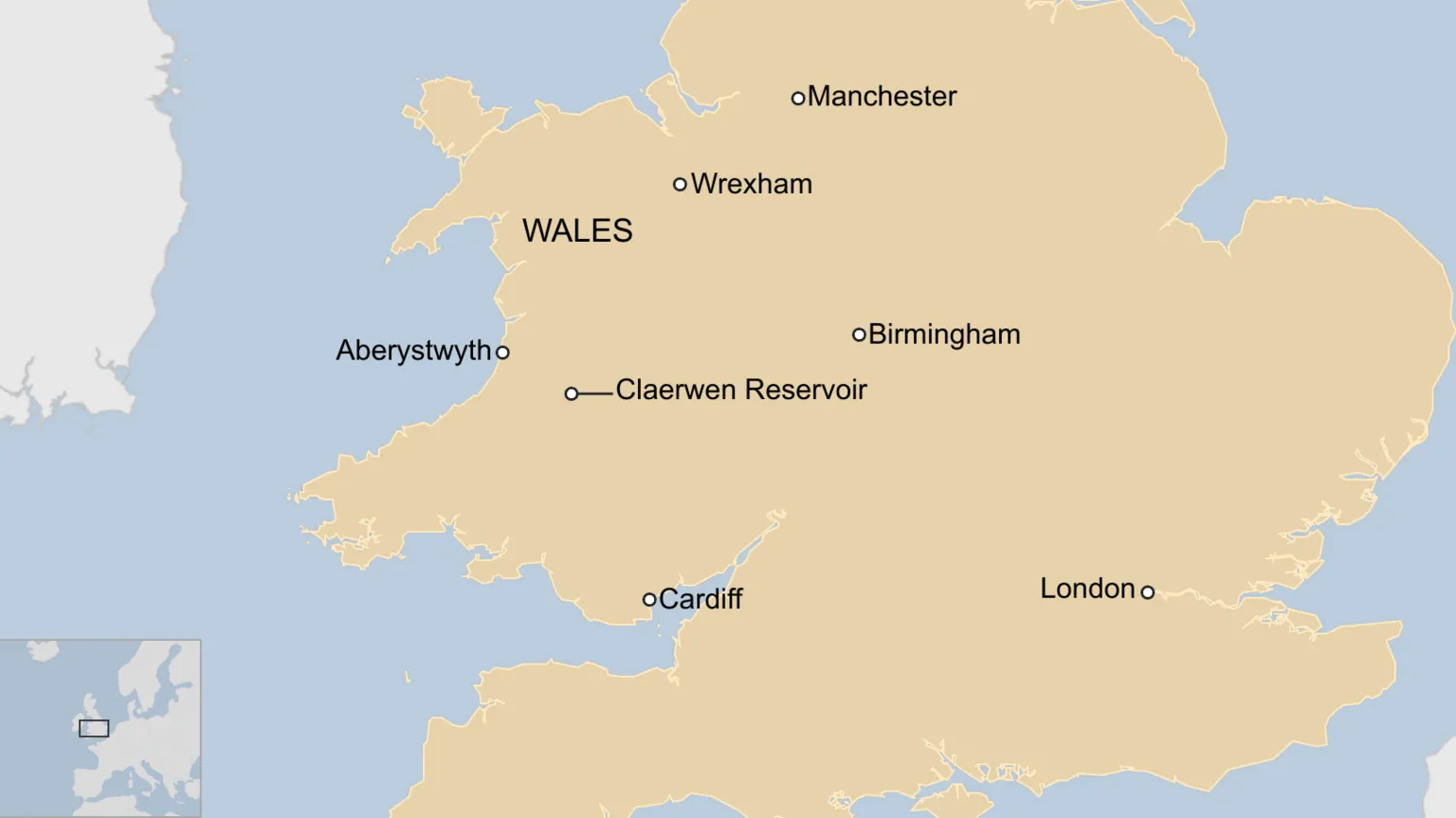
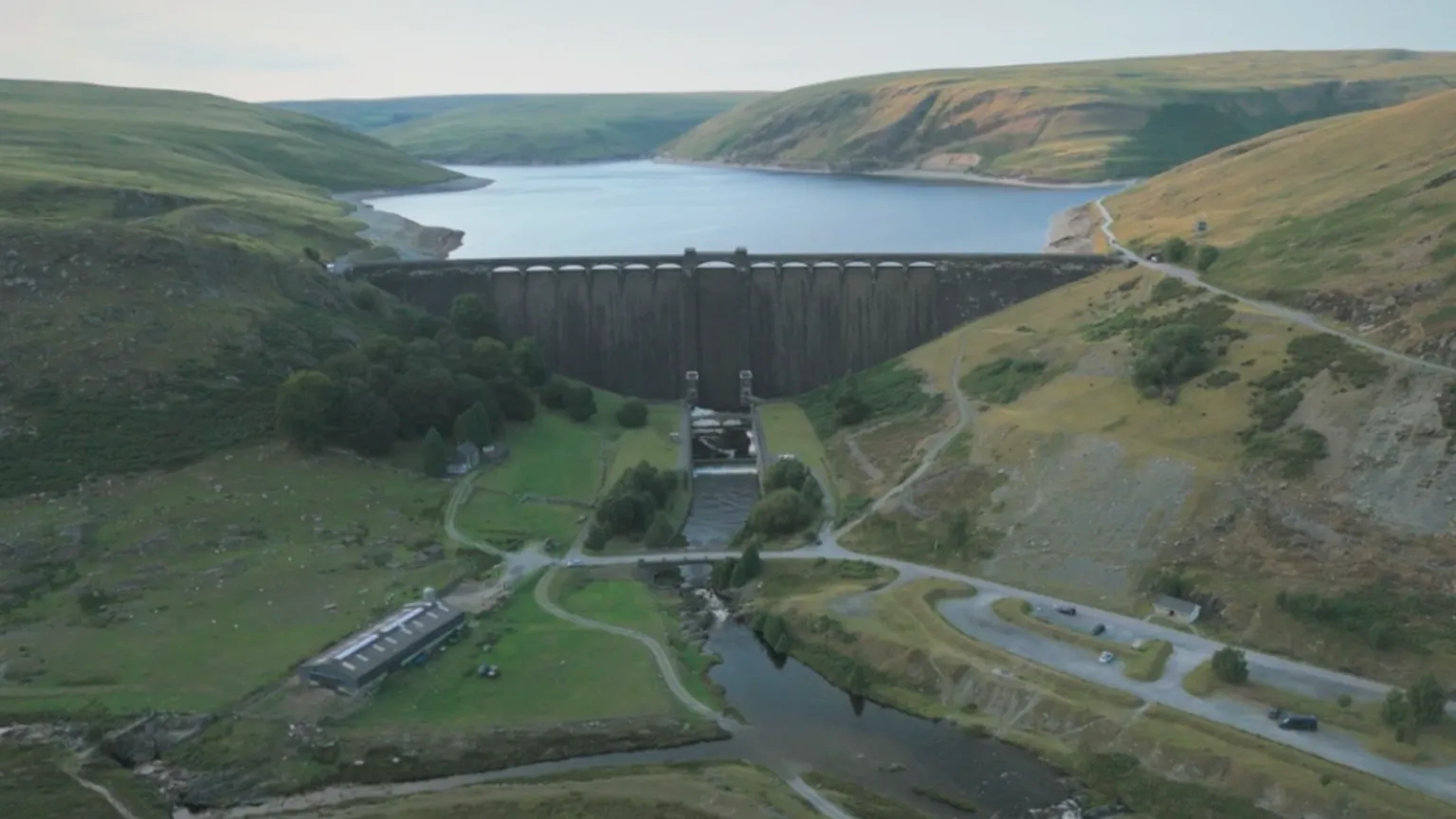
Earlier that month, a lone walker discovered the man's body floating a few metres from the shore at Claerwen Reservoir, the largest and most remote reservoir among a series in the scenic Elan Valley, Powys.
Police launched search operations on foot and by boat, seeking any belongings left behind on the shoreline that might indicate the man's identity or reason for being there.
A police helicopter was deployed to conduct low-level flights over the surrounding upland hills and farm tracks, searching for vehicles or tents that might be connected to the case.
Due to the reservoir's depth and cold water, warnings advise against swimming or other water activities, as the water can cause cold water shock.
Deaths in the Elan Valley dams are not uncommon; annually, 55 people die in inland waters across Wales, and the local fire station maintains a rescue boat for emergencies.
In this case, no personal belongings, jewellery, or distinctive marks such as scars or tattoos were found on the man.
Furthermore, the reservoir is located approximately 20km (12 miles) from the nearest town, with no public transport service, and no evidence has emerged to explain how the man arrived there.
Detectives requested local police forces to review missing persons databases and compared the man's DNA and fingerprints with national records, but no matches were found.
Expanding their search, investigators checked the National Crime Agency's missing persons register and eventually contacted Interpol, requesting international appeals be sent to 24 European countries.
"Each time we have reached out to the public, we've been provided with some lines of inquiry to follow up on, but unfortunately none have proven to be the key to finding out who this person is,"said Ponting, who was on duty the day the body was found and has led the investigation since.
"It is more unusual than not that we are in this situation,"she added,
"but the team is determined to get to the bottom of this big unsolved case."
Due to the body's decomposition, police estimate the man may have been in the water for up to 12 weeks.
Residents of the nearby town of Rhayader have questioned how someone could reach the reservoir without obvious transport and why no belongings were found on the shore.

Even during summer months, the reservoir sees few visitors, and swimming is uncommon due to warning signs about the dangers.
Despite various theories regarding the man's arrival, police state there is currently no evidence suggesting foul play.
An inquest opened and adjourned in February 2025 concluded the death is "not currently thought to be suspicious."
"We obviously remain very open-minded, but we have to be guided by the information that's available to us,"Ponting said.
"We know very little about him other than what we've been able to establish from the post-mortem examinations."
The investigation has determined the deceased was a white male, aged between 30 and 60, approximately 6ft (1.8 metres) tall.
"The wetsuit that he was wearing was classed as an XXL size which gave us a weight range of approximately 200 to 220 pounds,"Ponting explained.
"And that is pretty much what we were able to establish from our initial inquiries."
She expressed hope that the new facial reconstruction by Liverpool John Moores University specialists could change the course of the investigation.
Police provided the university's Face Lab team with photographs, the post-mortem report, a forensic dental report, and a CT scan, which were used to create a 3D model using medical imaging software.
The dental report and images helped shape the man's lower face and mouth, revealing protruding teeth and a left-sided cross bite.
The team estimated the overall facial shape, lips, and nose by adding muscles to the model, concluding the man had a rounded chin, square jawline, and a down-turned nose.
"We have now been provided with a very clear and detailed estimation of what the man could have looked like, which I sincerely hope will result in some positive information coming forward,"Ponting stated.
"The image has already been processed through the Police National Computer for any matches and has been shared with Interpol, and we are once again asking the public for their assistance.
This is someone's family member - someone's loved one - and I would like nothing more than to return him to his loved ones who might be missing him."
Additional reporting by Stephen Fairclough


