

Introduction to Liam McArthur's Political Focus
For nearly twenty years, Orkney MSP Liam McArthur has concentrated on addressing the specific concerns of the islands he represents, maintaining a low national profile throughout his tenure.
However, he has recently come into the spotlight due to his role in advancing the assisted dying bill, which is scheduled for its final debate in the Scottish Parliament.
Background on Assisted Dying Legislation in Scotland
Previous attempts to change the law on assisted dying were rejected by MSPs in 2010 and 2015. McArthur had supported those earlier bills before deciding to introduce his own legislation aimed at legalising medical assistance for terminally ill adults seeking to end their lives.
His position as a politician advocating for such a sensitive issue is notable, not because of personal family experiences with end-of-life trauma—he has stated he has none—but due to his personality and political approach.
McArthur’s Political Style and Reputation
McArthur is known for his understated manner. He remains composed, rarely showing anger, and has cultivated amicable relationships across party lines. His conduct during discussions on assisted dying has earned praise from the First Minister and others for his respectfulness and openness to suggestions for improving his proposals.
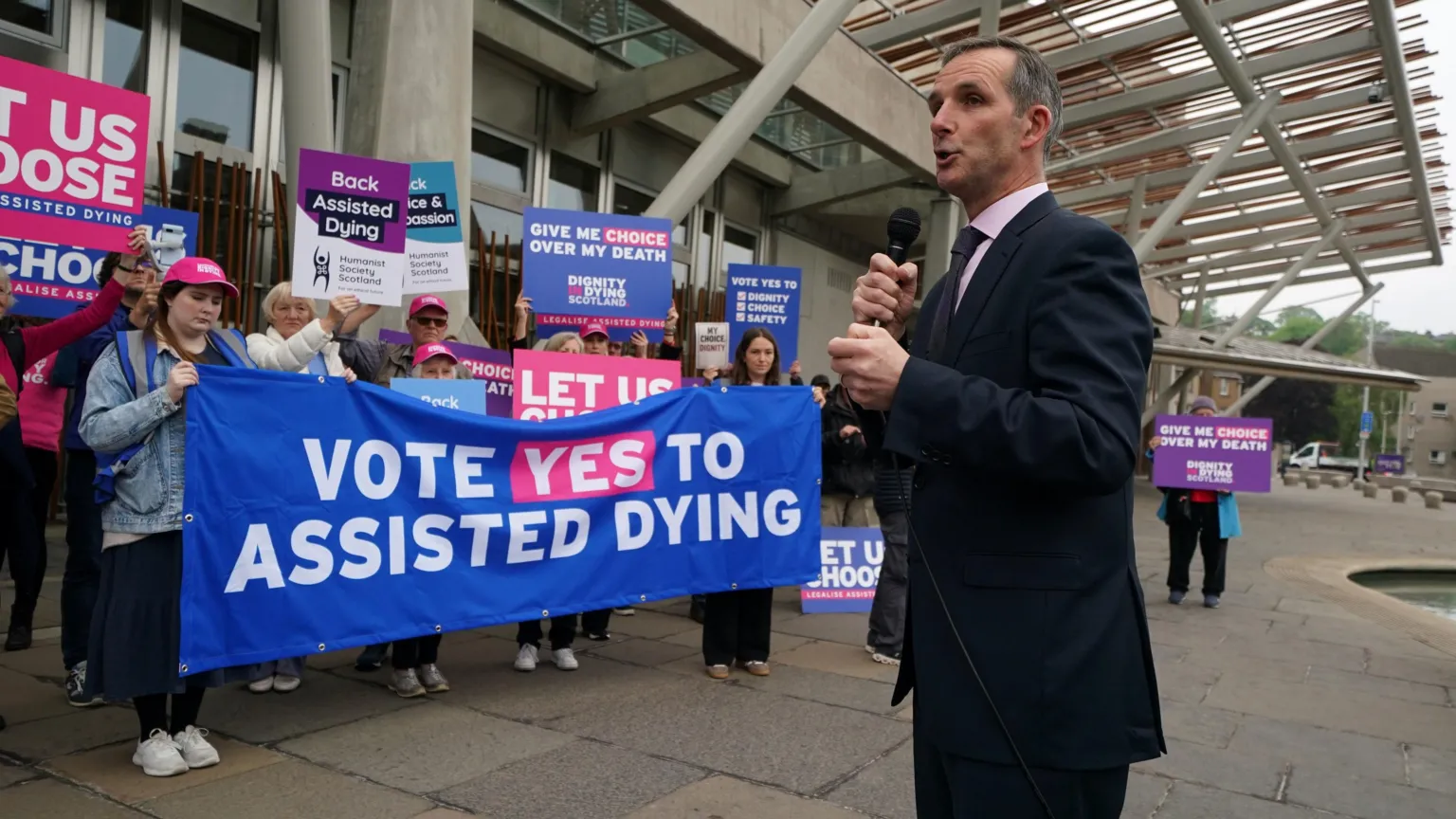
This approach has enabled him to garner more support than anticipated. He had predicted a close vote on his bill, but it passed by 70 votes to 56, with one abstention—exceeding expectations.
Despite the victory, McArthur’s reaction was not triumphant; instead, he was emotional and relieved that his extensive efforts culminated in a vote in principle supporting assisted dying.
Legacy and Political Context
McArthur has succeeded where previous proponents, Jeremy Purvis and Patrick Harvie (on behalf of the late Margo MacDonald), did not secure enough backing. After his re-election in 2021, he chose to build on their work, believing the parliamentary climate had shifted with new members.
This change in attitude may be influenced by the increasing acceptance of "right to die" laws internationally and the broader public conversations about death prompted by the COVID-19 pandemic.
Meanwhile, a similar assisted dying proposal for England and Wales passed the House of Commons in June but remains stalled in the House of Lords.
Personal Background and Career
Liam McArthur was born in Edinburgh and lived there until his family relocated to Orkney when he was ten. He returned to Edinburgh for university, studying politics, and began his career as a researcher for Jim Wallace, the then-Lib Dem MP for Orkney and Shetland.

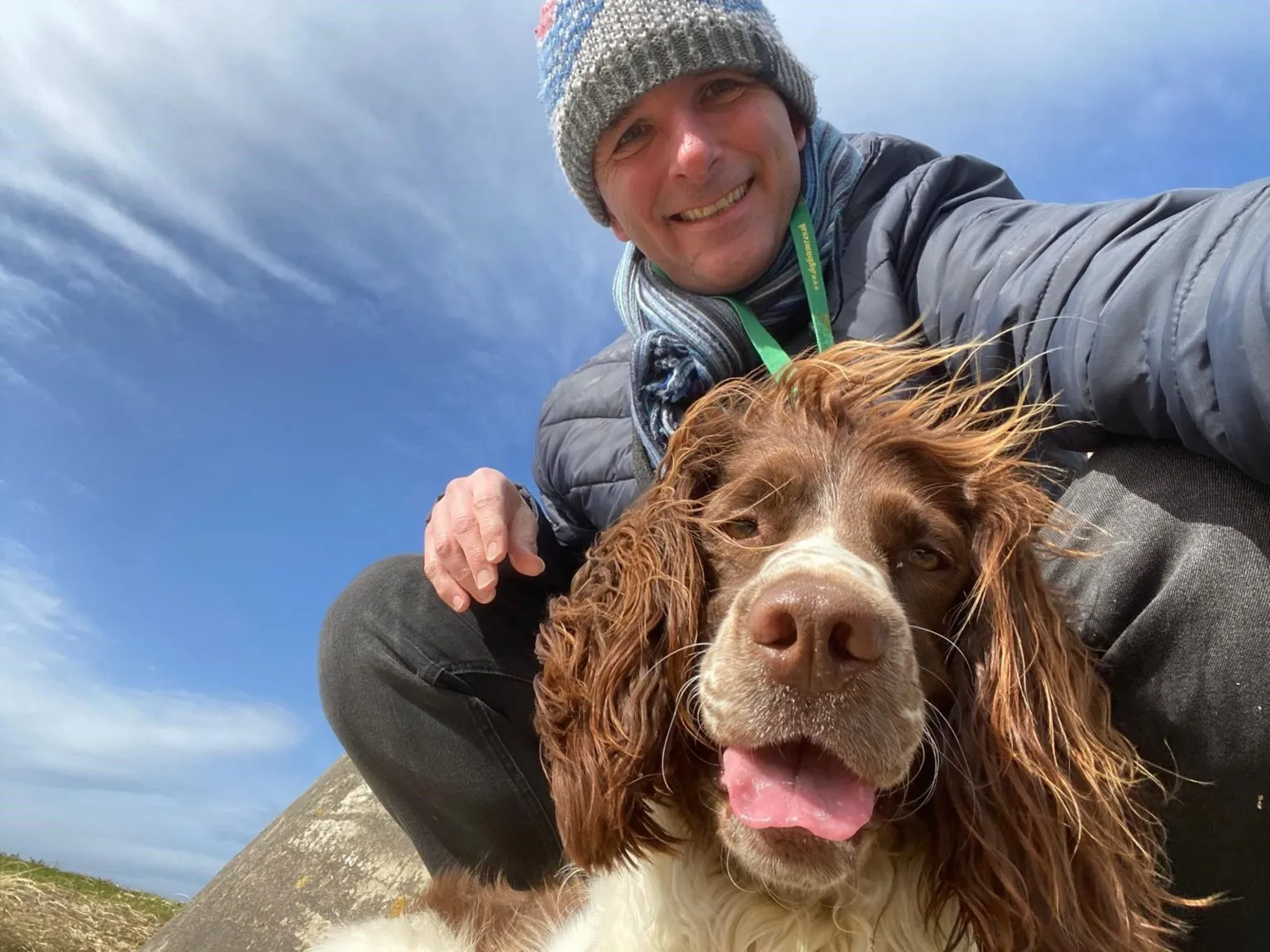
He has held various roles in public affairs and political consultancy, including a period in Brussels where he met his wife, Tamsin. They have two children and a dog named Gerry.
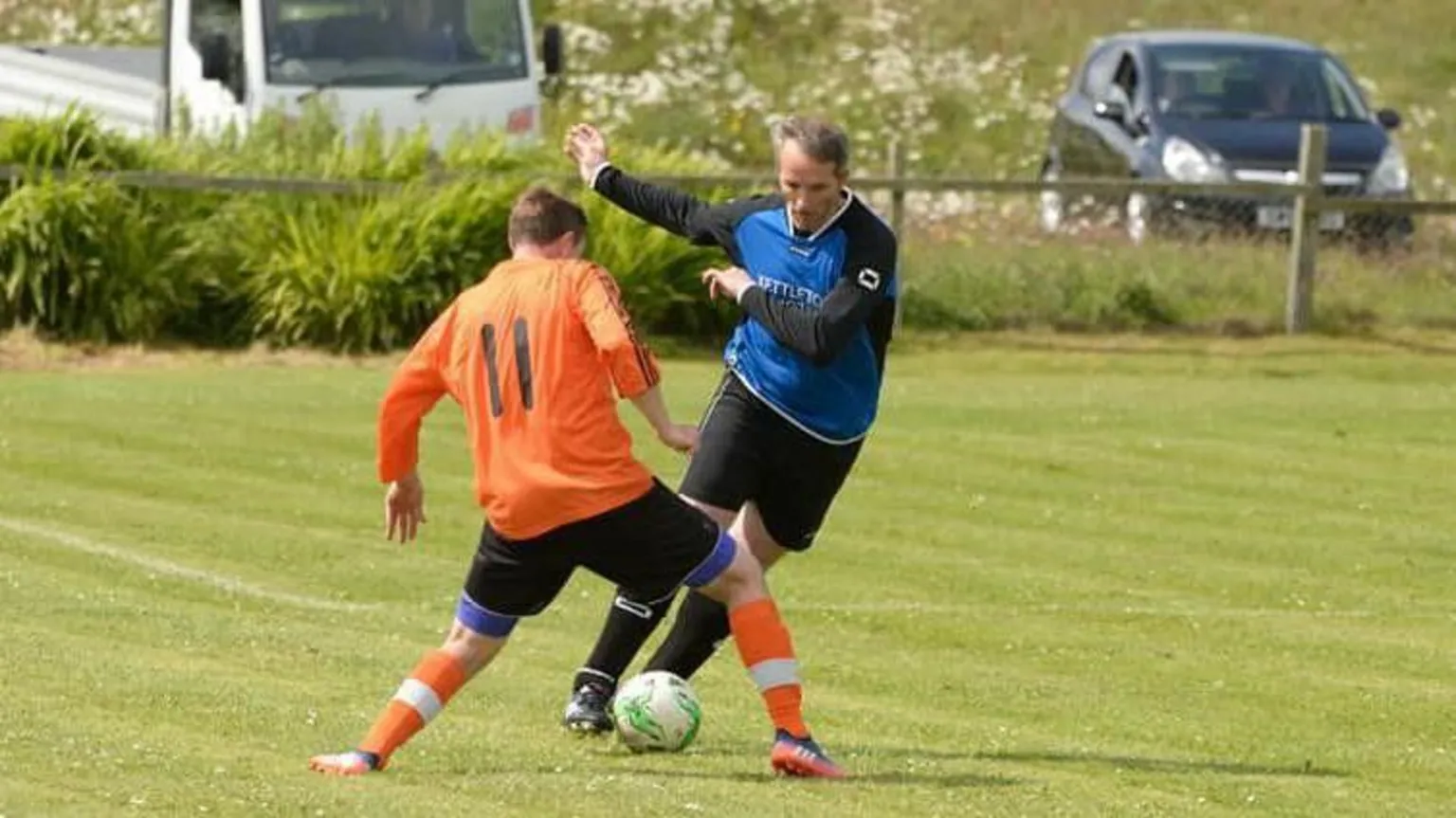
Despite a colleague describing him as "bomb-proof" for his calmness at work, McArthur was also known as a highly competitive footballer during his student days and at Holyrood.
Political Career and Current Role
McArthur was elected as an MSP in 2007. Prior to that, he worked behind the scenes as a special advisor to Deputy First Minister Jim Wallace during the coalition government between the Liberal Democrats and Labour.
He currently serves as a deputy presiding officer in the Scottish Parliament, assisting in managing parliamentary proceedings and chairing debates.
While many MSPs serve without notable public recognition, McArthur’s assisted dying bill may be remembered as a landmark achievement in the Scottish Parliament’s history.
Challenges and Considerations in the Assisted Dying Debate
During the bill’s earlier stages, McArthur was aware that some MSPs had serious reservations, voting "yes" initially only to see if their concerns could be addressed in subsequent debates.
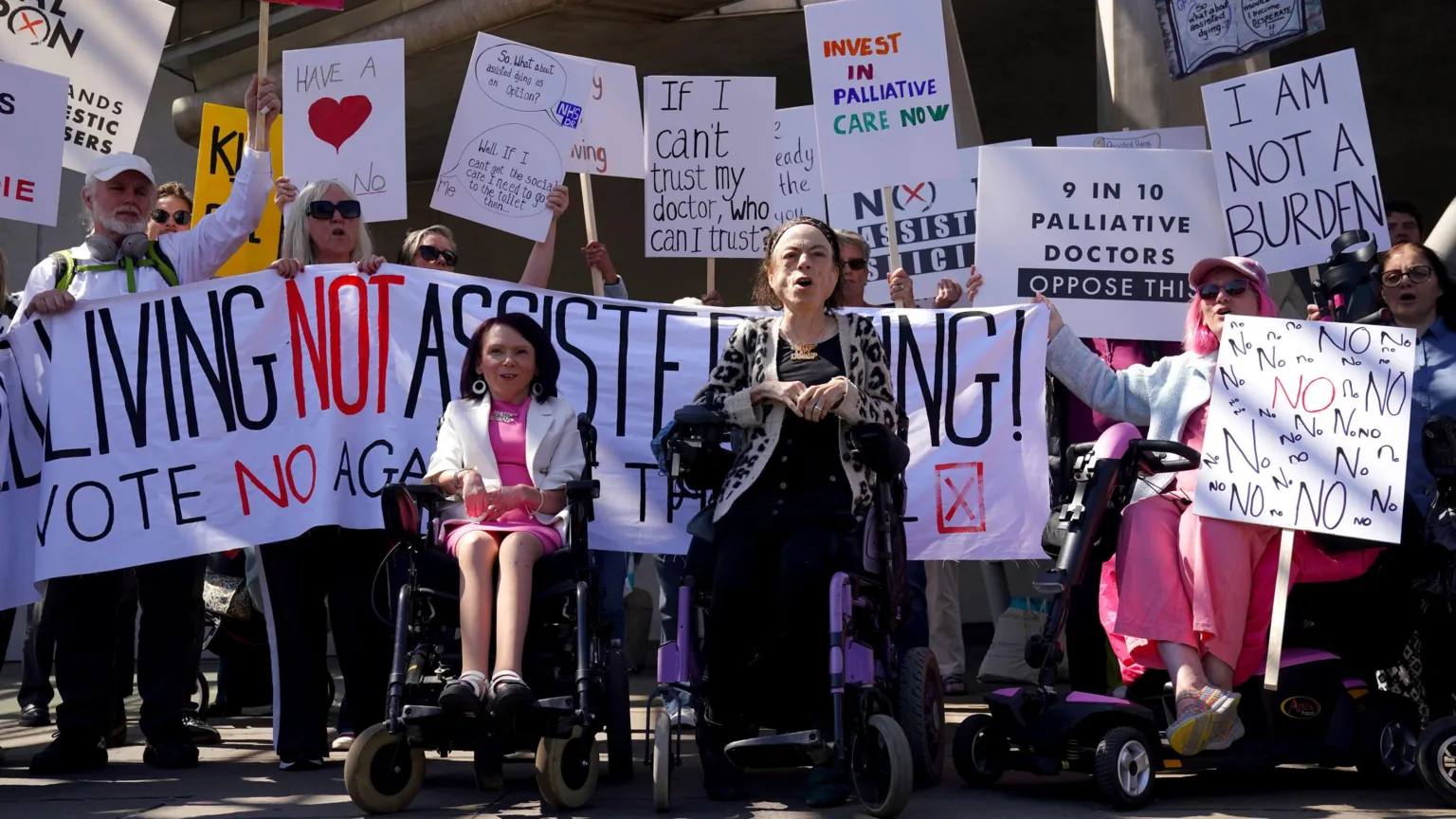
Concerns included the practical operation of the law, potential impacts on doctor-patient relationships, and the risk that vulnerable individuals might feel pressured to choose premature death.
McArthur has expressed particular empathy for disabled rights campaigners, noting that his brother Dugald is quadriplegic due to a rugby accident. He has openly welcomed dialogue and indicated his willingness to amend the bill to strengthen safeguards and alleviate worries.
For instance, he agreed to raise the minimum age for seeking assisted dying from 16 to 18 years.
Upcoming Final Debate and Vote
The detailed provisions of the bill will be debated extensively, with the final vote involving the entire Scottish Parliament. Advocates and opponents of assisted dying await the outcome with great anticipation outside Holyrood.
McArthur will need to employ all his skills of quiet persuasion to ensure that assisted dying becomes a legally available option in Scotland.


