
Life Sentence for Killer in Southampton Student Stabbing
A weapons-obsessed man who fatally stabbed a university student has been sentenced to life imprisonment with a minimum term of 21 years.
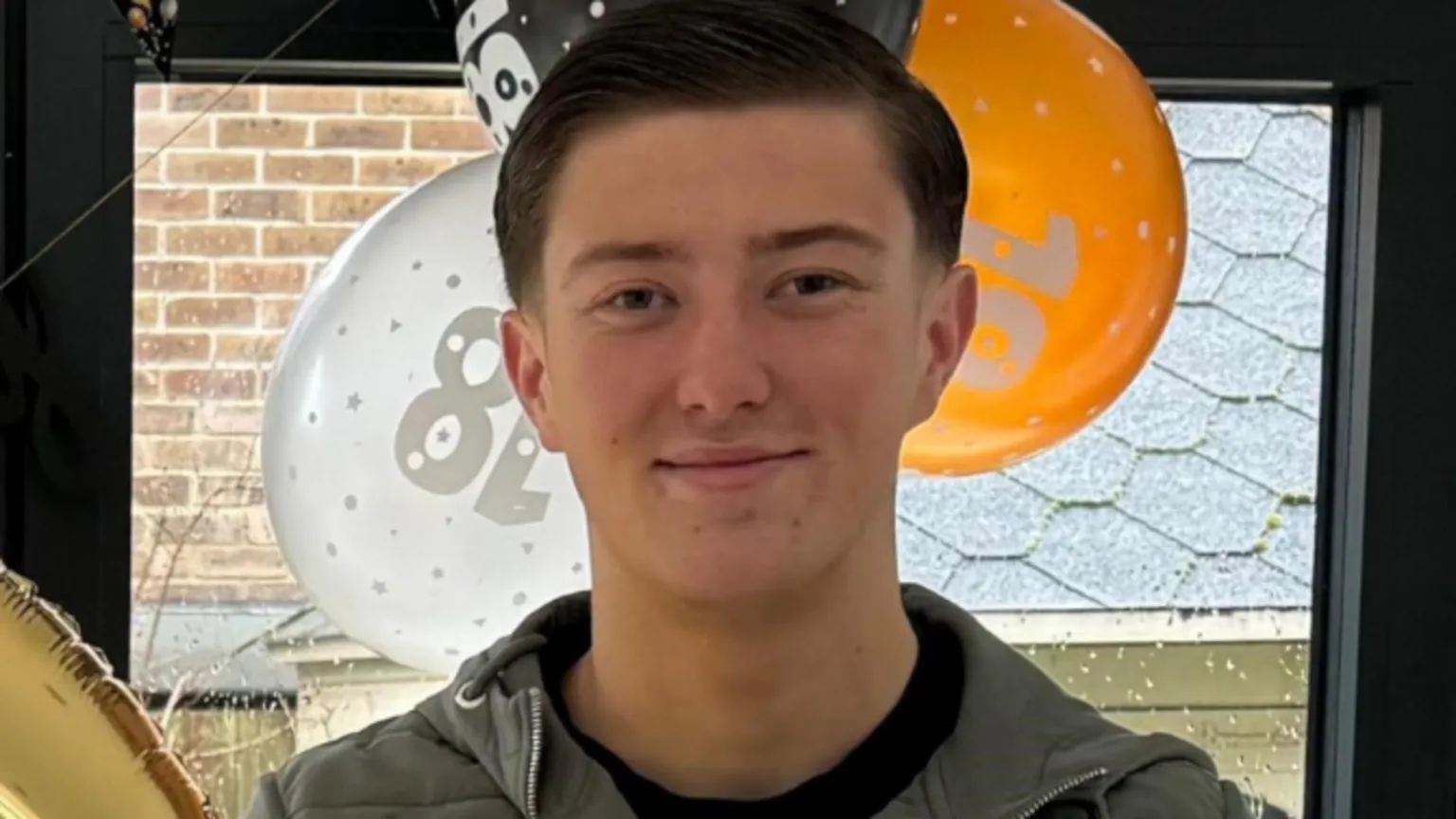
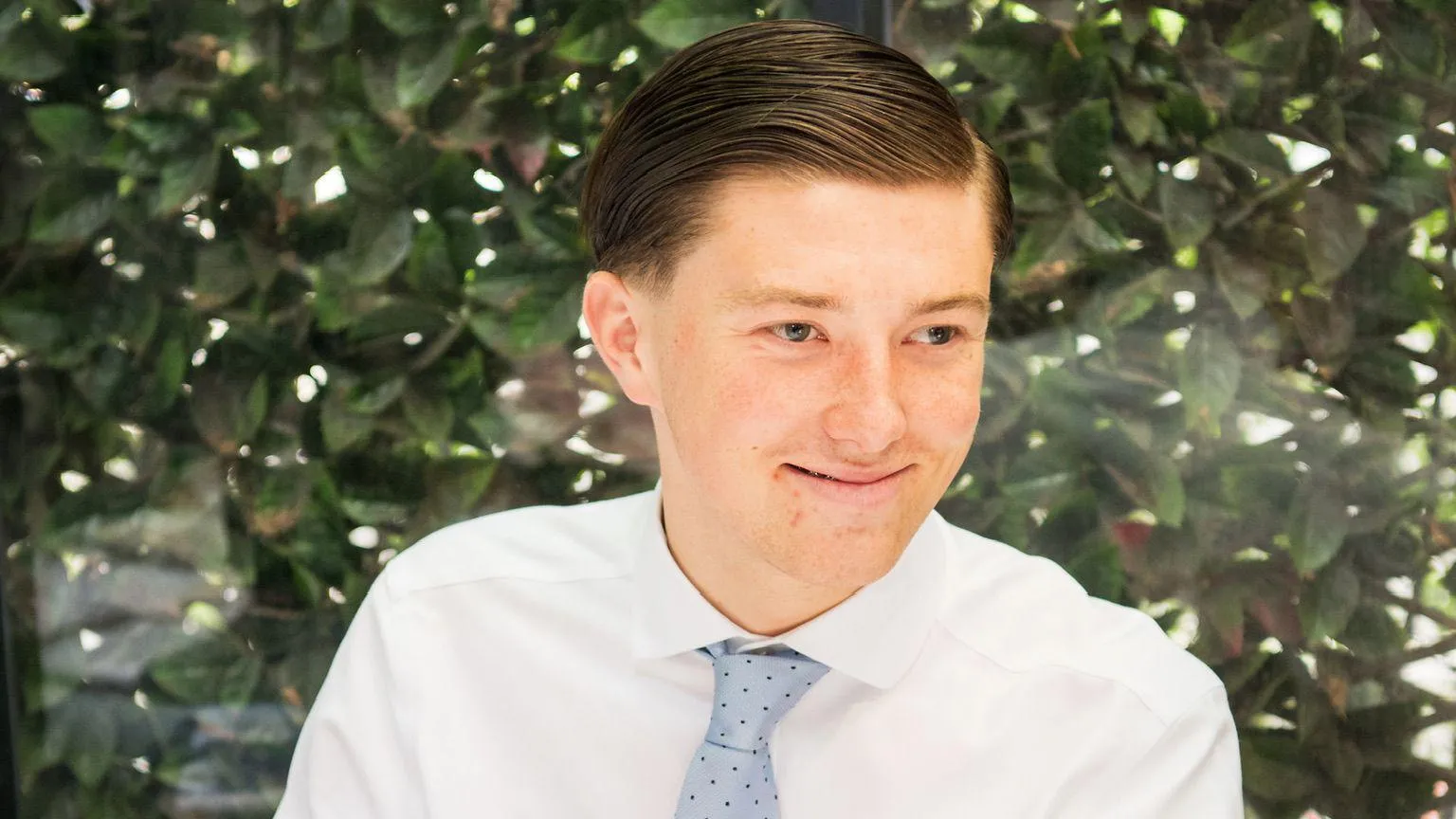
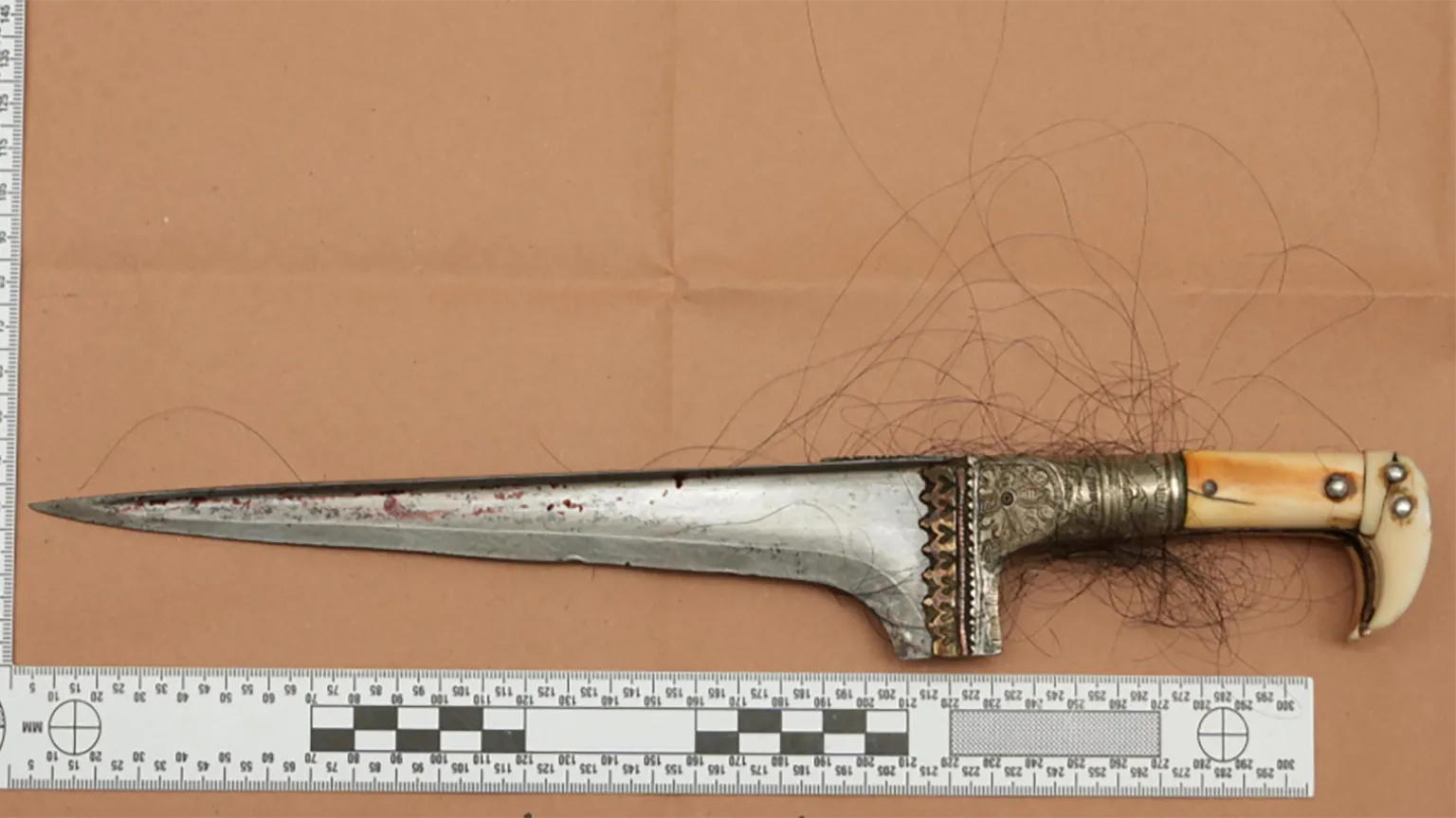
Vickrum Digwa, aged 23, used a 21cm (8in) blade which he claimed to carry as part of his Sikh faith to kill 18-year-old Henry Nowak. Nowak was walking home alone after a night out with friends in Southampton on 3 December.
Nowak, originally from Essex, was handcuffed by police while he was dying at the scene after Digwa falsely claimed that the teenager had racially abused him and that he had acted in self-defence.
Judge’s Remarks and Courtroom Incident
Judge William Mousley KC, addressing a crowded Southampton Crown Court, stated that Digwa had brought "shame" upon both his family and his religion.
The judge rejected the racism allegations made by Digwa, noting that his actions had "stirred up racial tension in Southampton and across the country which have made many Sikhs worried about their safety".
"You were sober but were carrying a large Sikh dagger," Mousley said.
He further described the victim as a "much-loved" young man and said Digwa’s crime had inflicted a "lifetime of loss upon his family".
As Digwa was sentenced, a verbal altercation erupted in the courtroom, which was quickly defused by security personnel and family members.
Victim’s Family Speak Out
Outside the court, Henry Nowak’s father, Mark Nowak, expressed his distress over the differing treatment of his son and the perpetrator.
"Henry should not have died on the streets of Southampton in police custody," he said, calling the situation "inhumane and degrading".
"Digwa was afforded decency and we understand he was never handcuffed at all."
"Henry did not die with dignity. He did not die with the care he deserved. He lost consciousness before anyone believed him," he added.
Mark Nowak called for a "full, fearless and transparent" investigation into the police’s handling of the case, emphasizing that the family "should not have to fight for the truth".
Police Investigation and Response
Hampshire and Isle of Wight Constabulary has referred itself to the Independent Office for Police Conduct (IOPC) for investigation.
Speaking inside the courtroom, Mark Nowak said he was "tormented" by thoughts of his son’s death.
"I couldn't help Henry in his final moments and there is nothing I can do to bring him back," he said.
With his voice breaking, he concluded:
"To my dying son, who I love beyond words, I'm so sorry that I let this happen."
Prosecution and Political Reaction
Prosecuting barrister Nicholas Lobbenberg KC described Digwa as having a "weapons obsession" and criticized his false portrayal of Nowak as a "racist, drunk, violent aggressor," which compounded the grief of the victim’s family.
Sir Keir Starmer commented on the case via a post on X, stating:
"This an awful, shocking case.
Henry's loved ones have gone through the trauma of a long trial and endured Henry's killer making up appalling claims about their son who was thoughtful, kind and deeply loved.
It is right that the IOPC is investigating the police's response to his senseless murder. And we must end the cycle of tragedy by tackling the horror of knife crime."
Details of the Incident
Henry Nowak, from Chafford Hundred in Essex, was a first-year student at the University of Southampton.
The court heard that he was walking back to his accommodation after consuming alcohol below the drink-drive limit.
Digwa was in Belmont Road at approximately 23:30 GMT, carrying the murder weapon in a sheath attached to his belt.
The attack was not witnessed directly, but neighbours reported hearing Nowak say he had been stabbed and was dying.
Nowak attempted to escape by climbing over a fence, leaving a trail of blood behind him.
Prosecutors stated that he was stabbed five times: twice in the back of his legs, once in the face, and a fatal wound to the chest.
Digwa handed the knife to his mother, and police later found it at their family home along with over 20 other weapons.
Police Actions and Controversy
Digwa lied to police, claiming he had been attacked but did not inform officers that Nowak had been injured.
When officers arrived, they initially handcuffed Nowak before discovering his fatal injury shortly thereafter.
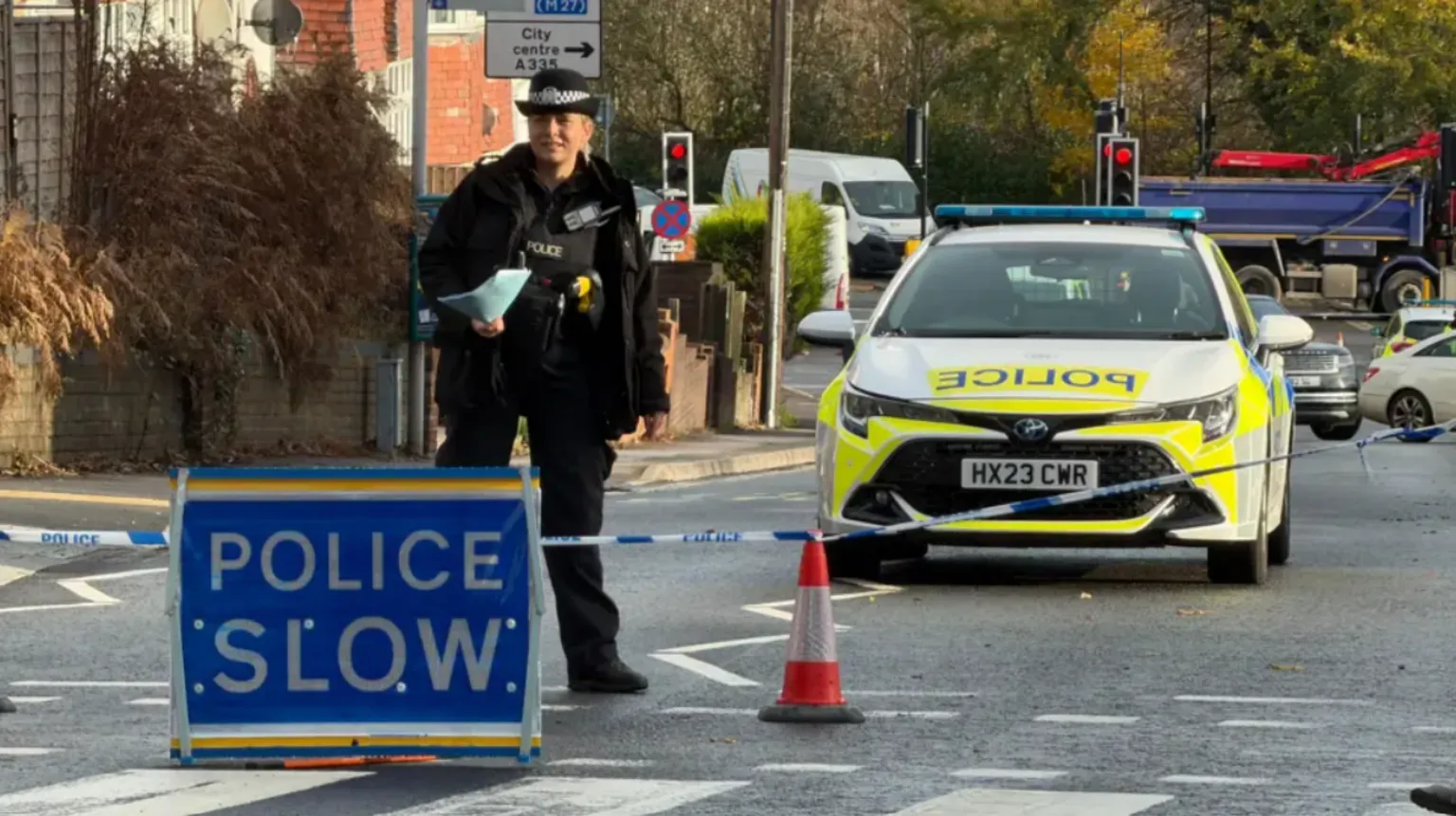
Temporary Deputy Chief Constable Robert France apologized for the police response, explaining that officers had been misled by a 999 call made by Digwa’s brother and faced an "extremely complex" crime scene.
Hampshire Police and Crime Commissioner Donna Jones described the incident as a "national tragedy".
"It is devastating officers did not believe Henry Nowak when he said he had been stabbed and could not breathe," she said.
"The details of the police response raises serious concerns about police impartiality, fairness and judgement," she added.
Jones confirmed that any findings from the IOPC investigation would be "implemented without delay".
Community Response and Legal Clarifications
The Sikh Federation clarified that the blade used by Digwa was not a religious knife, known as a Kirpan.
It condemned the Crown Prosecution Service (CPS) for failing to make this distinction clear during the trial, stating to the BBC that the Sikh community has been "demonised".
The BBC has reached out to the CPS for comment.
According to Section 139 of the Criminal Justice Act 1988, it is a defence for a person charged with carrying a bladed article in a public place to prove it was for religious reasons. However, if the item is used in an act of violence, it is considered an offensive weapon.
Further Sentencing and Public Debate
Following his conviction, Digwa was also sentenced for carrying a knife in public.
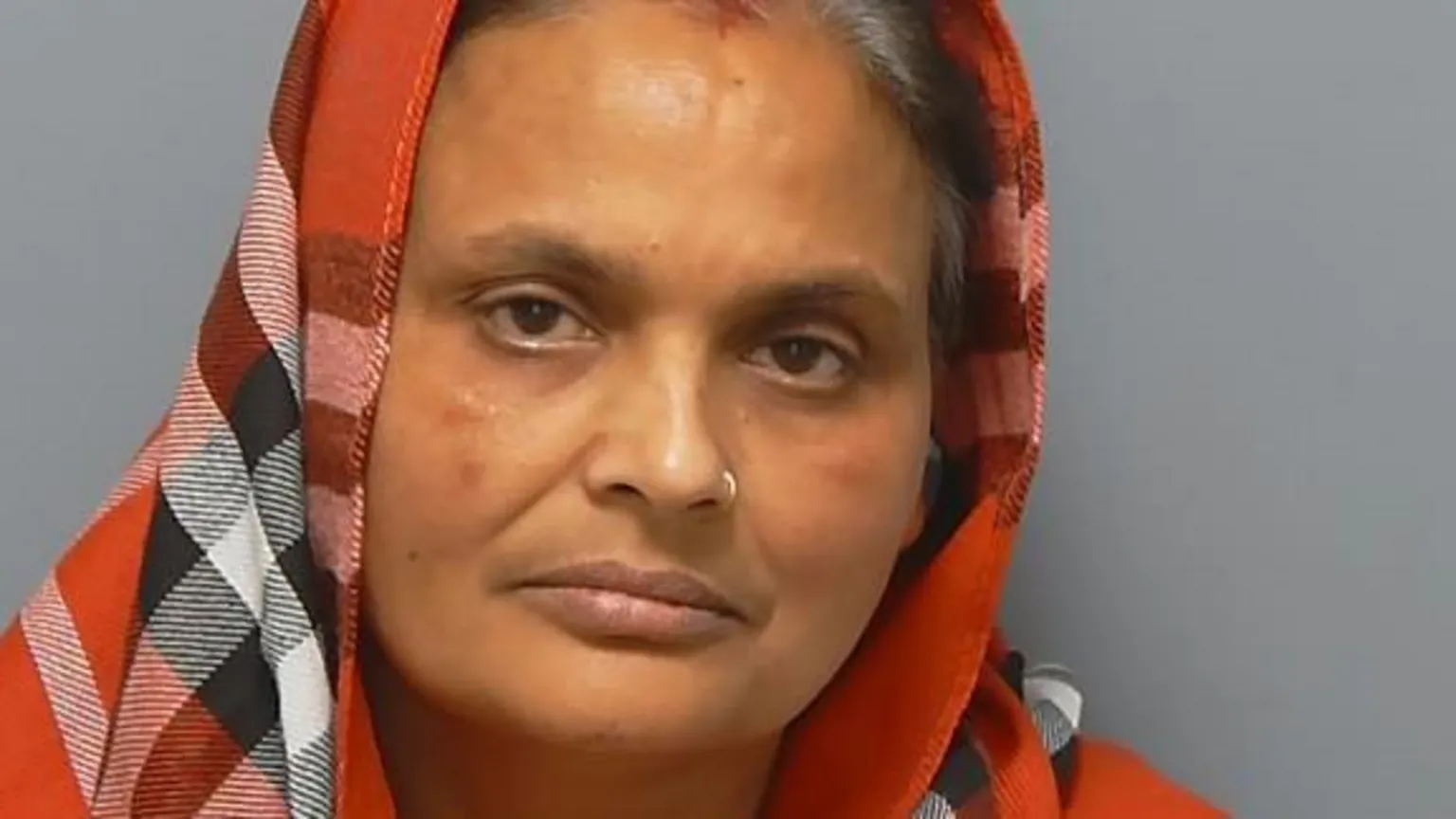
His mother, Kiran Kaur, aged 53, was found guilty of assisting an offender after attempting to conceal the blade used in the attack. She is scheduled to be sentenced on 17 July.
Prominent right-wing figures, including Elon Musk, have criticized current UK laws regarding carrying knives in public following the case.


