

Overview of Upcoming London Tube Strikes
A series of six 24-hour strikes by London Underground drivers is scheduled to commence later this month. The walkouts are organised by members of the Rail, Maritime and Transport (RMT) union, who have voted against the introduction of a four-day working week with condensed hours. The initial strike will begin on Tuesday, 21 April at 11:59 BST, resulting in the complete closure of two Tube lines.
The RMT union has expressed concerns regarding shift lengths, unacceptable working time arrangements, and the potential impact of fatigue on safety.
Transport for London (TfL) has described the strikes as "completely unnecessary" and noted that it is currently trialling a voluntary four-day week for drivers on the Bakerloo line.
When are the Tube strikes?
As it stands, members of the RMT union will strike on:
- Tuesday 21 April
- Wednesday 22 April
- Thursday 23 April
- Friday 24 April
- Saturday 25 April
- Sunday 26 April
Expected Disruption
There will be no service on the Piccadilly and Circle lines, nor on the Metropolitan line between Baker Street and Aldgate. Central line services will not operate between White City and Liverpool Street.
London Underground has indicated that "significant" disruption is expected across most Tube lines, although the impact will not be as severe as the strikes experienced in September.
According to TfL, boarding the first Tube train may be impossible, with London Overground, the Docklands Light Railway (DLR), Elizabeth line, trams, and buses anticipated to be busier than usual.
A separate bus strike is scheduled for 24 April, affecting routes 8, N8, 25, N25, 425, 205, and N205, which operate from Bow bus garage.
Only RMT union drivers are expected to participate in the walkouts, representing approximately half of the total number of drivers on the network. Last year's strike, which included participation from the Aslef union alongside the RMT, affected nearly all services.
Many Tube drivers, including members of the Aslef train drivers' trade union, are expected to work as usual. Aslef has accepted the proposals, describing them as “exactly the sort of deal every trade union should be trying to achieve.”
Details of the Dispute
The RMT has rejected an offer allowing drivers to voluntarily work a four-day week.
Under the proposals, most drivers would see their working week reduced from 36 hours to 35 hours. However, contractual hours would remain unchanged due to the introduction of paid meal breaks.
This arrangement effectively means drivers would work longer days but fewer days each week, resulting in fewer overall hours.
The voluntary four-day week is currently being trialled on the Bakerloo line to assess its viability.
The RMT contends that the proposed working day would be excessively long, increasing the risk of driver fatigue and compromising safety.
The union advocates for a 32-hour week over four days, which would reduce weekly hours by three while maintaining the same salary.
TfL has stated that drivers may choose to remain on a five-day week if they prefer, emphasising that the change is voluntary.
Prospects for Resolution
The RMT confirmed on Saturday that Underground drivers will proceed with strikes next week. The union stated that negotiations had failed and accused TfL of refusing to make concessions.
"We have approached negotiations with TfL in good faith throughout this entire process, but despite our best efforts, TfL seem unwilling to make any concessions in a bid to avert strike action. This is extremely disappointing and has baffled our negotiators. The approach of TfL is not one which leads to industrial peace and will infuriate our members who want to see a negotiated settlement to this avoidable dispute."
Eddie Dempsey, the union's general secretary, made these remarks regarding the ongoing dispute.
Claire Mann, TfL's chief operating officer, responded by stating:
"The proposals allow us to offer train operators an additional day off, whilst at the same time bringing London Underground in line with the working patterns of other train operating companies, improving reliability and flexibility at no additional cost. The changes would be voluntary, there would be no reduction in contractual hours and those who wish to continue a five-day working week pattern would be able to do so."
Context and Previous Industrial Action
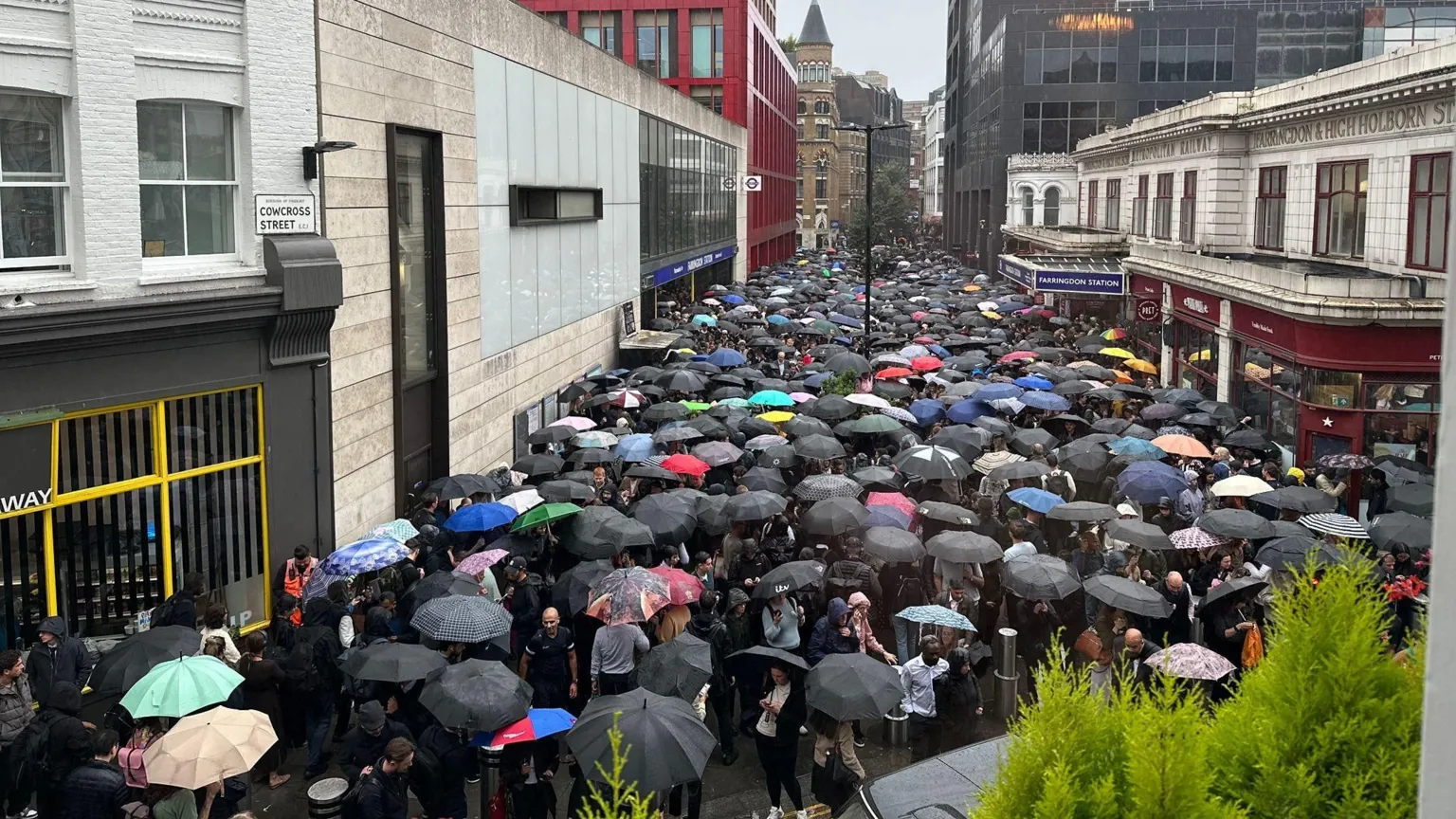
London Underground drivers last went on strike in September over pay and conditions, causing severe disruption across the capital's transport network.
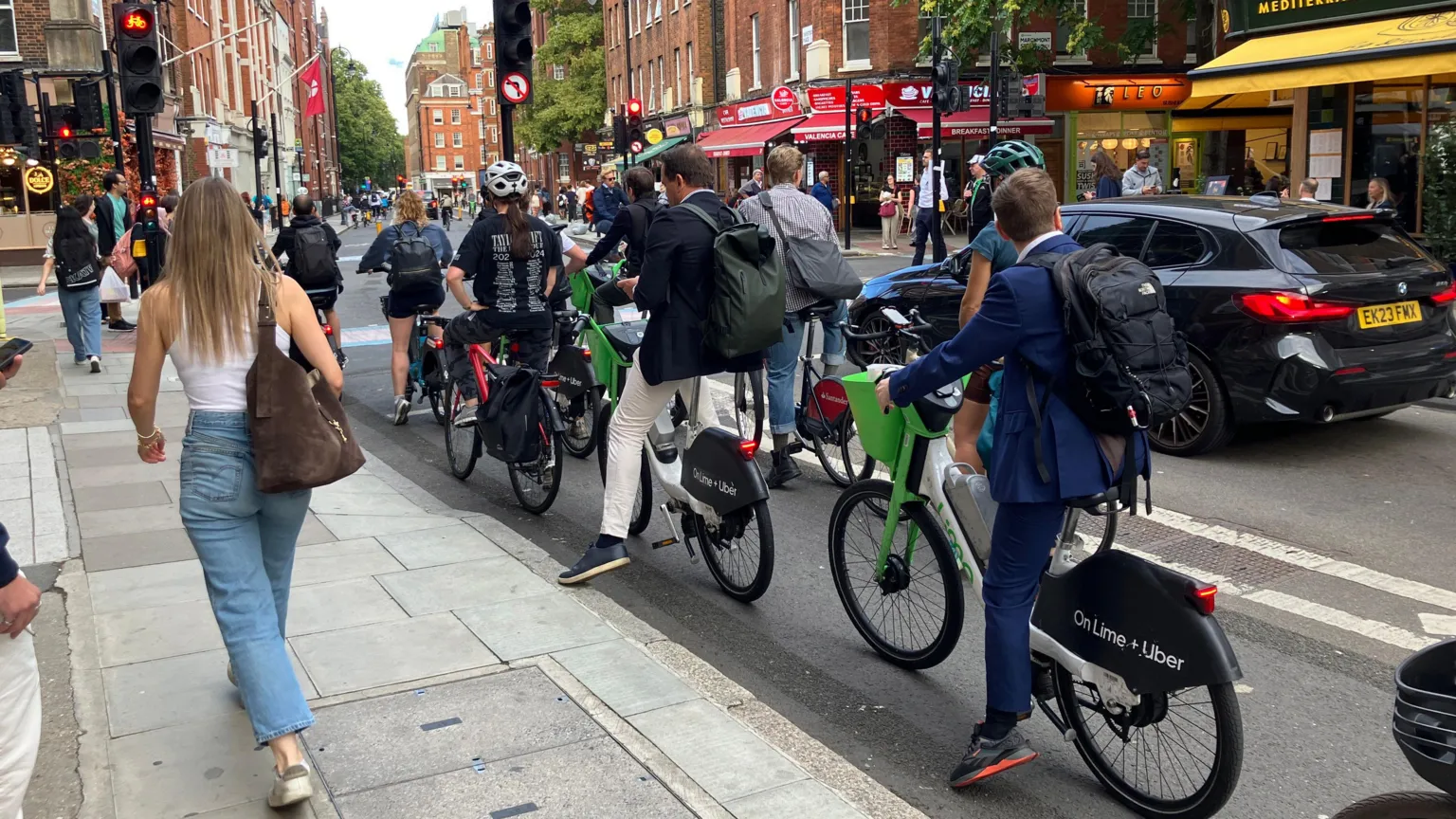
During that period, many Londoners resorted to using e-bikes to navigate the city.
Listeners can access the best of BBC Radio London on Sounds and follow BBC London on Facebook, X, and Instagram. Story ideas can be sent to hello.bbclondon@bbc.co.uk.


