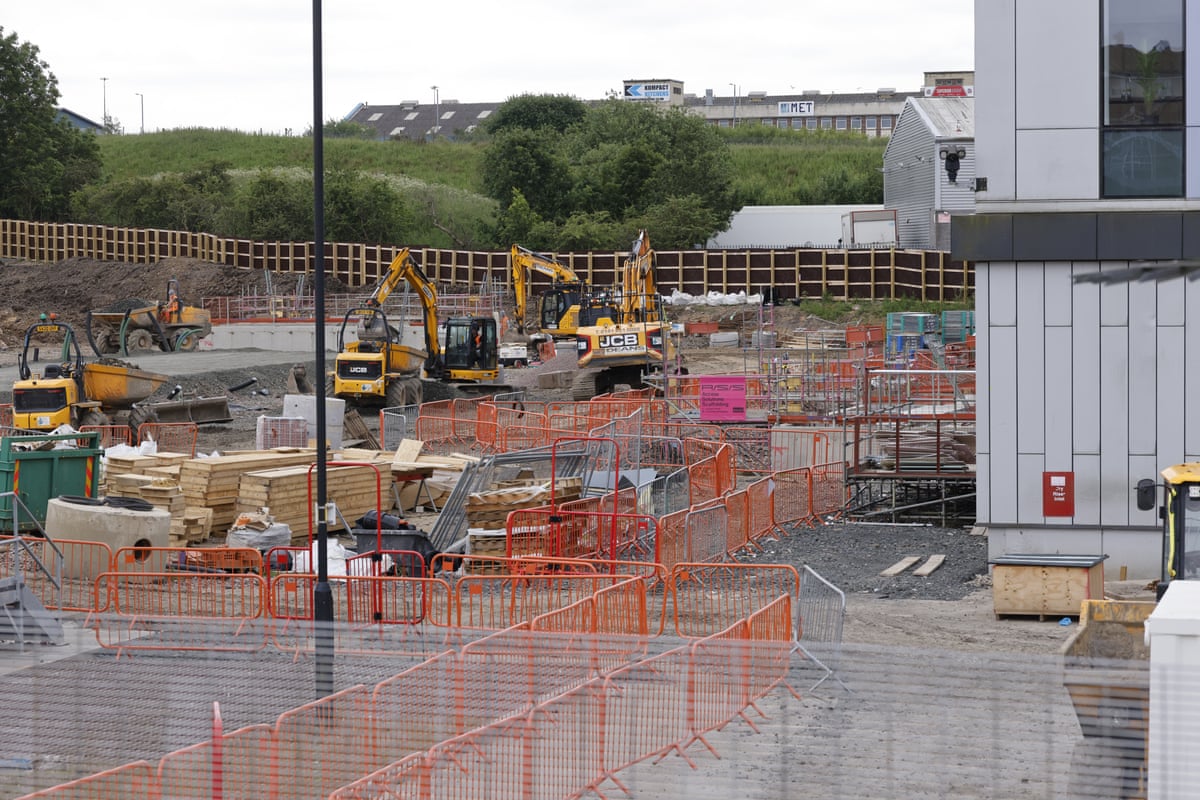
Growing Concerns in Lanarkshire Over AI Datacentre Development
In Lanarkshire, Scotland, local residents are increasingly concerned that they have been misled regarding the benefits of a large AI datacentre development planned for their area. Initial promises of significant investment and future job opportunities have given way to fears about property sales and loss of green belt land due to what many see as poor planning of the project.
Late last year, representatives from Oakes Services began door-to-door visits in Newarthill, a village east of Glasgow. According to letters reviewed by , residents were invited to individual meetings where they were informed about plans for a solar farm and offered incentives such as free solar panels, tree planting, or cash offers for their properties.
“It was a sweetener: don’t oppose this and you’ll be OK, kind of thing,” said Diane Davidson, a resident. “None of these sweeteners are enforceable, there’s nothing written down.”
Two months later, the UK government designated Lanarkshire as a key site for its AI strategy, announcing a multibillion-pound development termed an “AI growth zone.” The project is to be constructed by the US company CoreWeave and DataVita, a Glasgow-based real estate firm.
The development will consist of AI datacentres—large facilities housing specialized silicon chips that perform the calculations behind AI models. Globally, technology firms are investing hundreds of billions of dollars in such datacentres, betting on AI’s transformative potential for the economy and expecting the datacentres to be financially self-sustaining.
Success depends on rapidly establishing large infrastructure projects in communities like Newarthill. The initial announcement described a sprawling site including “datacentres, supportive infrastructure, and a renewables park.”
Promises accompanying the announcement included the creation of 3,400 new “high-value” jobs and a community fund projected to inject “up to £543m” into local initiatives over the coming years.
Initially, the community was not alarmed.
“The datacentre itself is not much. It’s just a big imposing building,”Davidson said. However, concerns grew when it became clear the project would require vast amounts of energy and, consequently, extensive land.
“The quantities it would need, it would definitely approach into our area,”Davidson explained.
“It was like: oh, crikey. It was just growing arms and legs the more we looked into it.”
Residents began to scrutinize Oakes Energy Services and another company, Locogen, which recently submitted a planning application for a solar farm adjacent to the site on behalf of a larger international energy group.
A investigation into public plans for the Lanarkshire AI growth zone, a key component of the government’s ambitious AI development strategy across Britain, reveals discrepancies between the government’s and DataVita’s public statements and their actual intentions.
Specifically, while the government and DataVita initially stated the site would be powered by substantial “on-site” renewable energy, they later acknowledged under questioning by that the AI growth zone would connect to the already strained UK electricity grid.
It remains unclear how much renewable energy the development intends to generate. DataVita has stated it will have 1GW of power supplied by energy parks directly connected to its datacentres. Conservative estimates indicate this would require approximately 44 square kilometers of land near the site. Currently, DataVita appears to possess less than one-tenth of this land.
Although there is no apparent connection between Oakes Energy Services and DataVita, the energy companies’ shared interest in developing energy parks has heightened local fears that the remaining land required will be taken from the community.
Across the UK, the anticipated AI boom has fueled speculative activity as industrial site owners, investors, and property developers seek to capitalize on promises of datacentre investments. Hundreds of companies have applied to build datacentres, and investors are strategizing ways to convert vacant land or former industrial sites into productive assets.
Oakes Energy Services did not respond to ’s request for comment. Locogen stated it has no connection to DataVita and was not involved in any pre-application consultations with local residents. DataVita also denied any commercial relationship with Locogen or Oakes.
However, documents submitted by DataVita to the government suggest plans to utilize surrounding areas, solar farms or otherwise, to power its datacentre. A Scottish government audit obtained under freedom of information (FoI) laws notes that DataVita’s proposal
“leverages the region’s strength as a renewable energy hub by proposing that available, adjacent land at both sites is used to build renewable energy parks that will feed the hyperscalers and AI innovation parks.”
Local residents have questioned DataVita and the energy companies about their development plans but have received no clear answers. In an April meeting, energy company representatives declined to disclose their customer when directly asked, according to Meghan Gallacher, a Scottish parliament member representing the region.

“I don’t believe in relation to the planning proposal that the company has been honest in relation to how it’s engaged with local residents,”Gallacher said.
“There has been, in my view, some doubts in relation to the information that’s been forthcoming, the questions that they’re willing to answer.”
DataVita told that all proposals comply with local and national planning legislation through an open public process at every stage and that it welcomes feedback and engagement throughout.
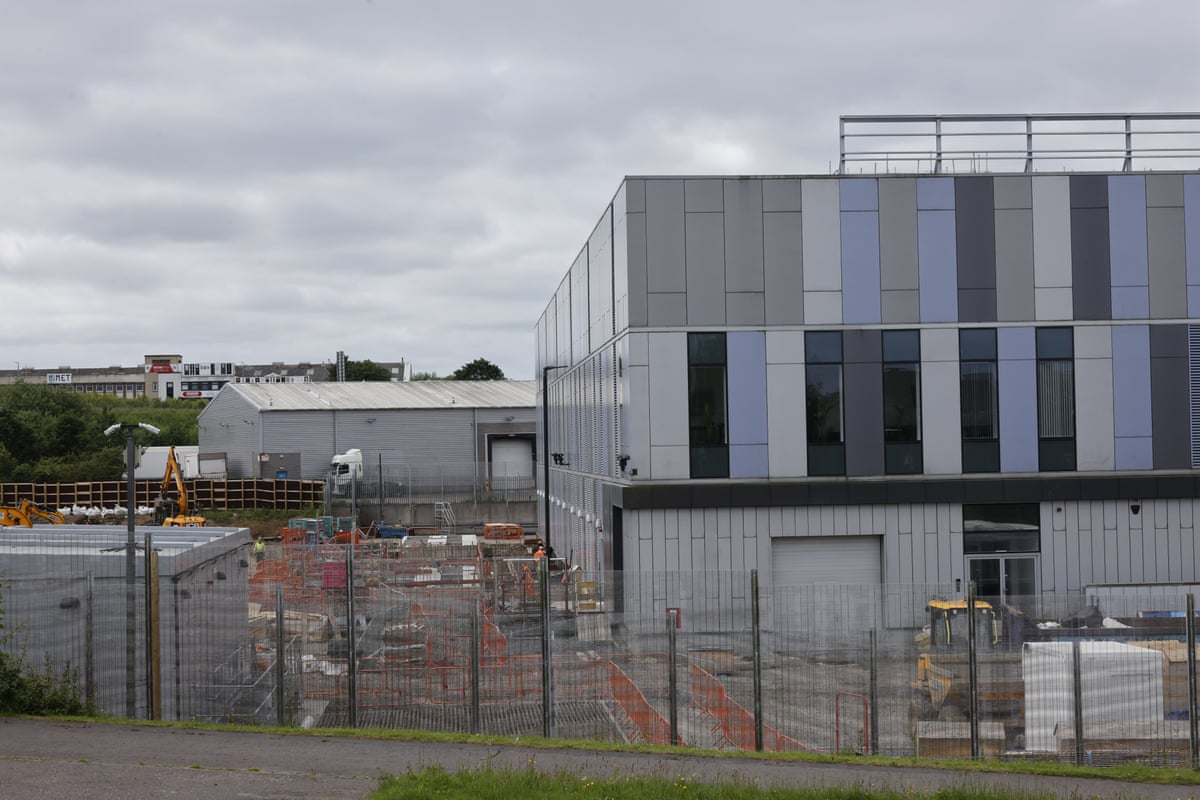
Historical Context and Community Impact
The Lanarkshire AI growth zone has revived longstanding concerns in Airdrie, located just over four miles from Newarthill. For a decade, residents opposed a plan to develop a community park on land owned by the daughters of the late Tory minister William Whitelaw.
In 2017, prominent Scottish business figures announced plans to convert the site into a multimillion-pound luxury housing development called EuroPark. Among them were former Scotland football player Graeme Souness and members of the local Gillespie mining family.
Last June, Davidson said the community felt victorious when local authorities rejected the EuroPark plans, a decision later upheld by the Scottish government. However, that sense of victory now seems fleeting.
“Now we’re back here, and instead of this EuroPark, we have a datacentre,”said Ann Glen, a local historian and author.
“Everybody is quite agitated and quite worried about it. Nobody is getting any benefit out of it. They are worried about their property values going down,”Davidson added.
The potential benefits of the Lanarkshire development for Airdrie residents appear less substantial than government announcements suggest. understands that the £543m community fund currently contains no money; it is expected to be funded by DataVita revenues if generated.
Meanwhile, the Scottish charity Action to Protect Rural Scotland (APRS) filed an FoI request to understand the origin of the 3,400 jobs figure. The investigation revealed the number was derived from industry estimates for a different site, Cambois in Northumberland, scaled up to reflect Lanarkshire’s larger size.
APRS found those industry estimates to be unreliable and indicated no evidence supports the claim that the Lanarkshire site could directly employ hundreds of people as suggested. Instead, most jobs would be temporary construction roles.
“Our conclusion is that the UK government figures given in their press release could be a hundred times bigger than the probable jobs that the datacentre will create,”APRS wrote.
understands the Department for Science, Innovation and Technology maintains its estimate, which includes jobs created during construction, in the supply chain, and across the wider regional economy.
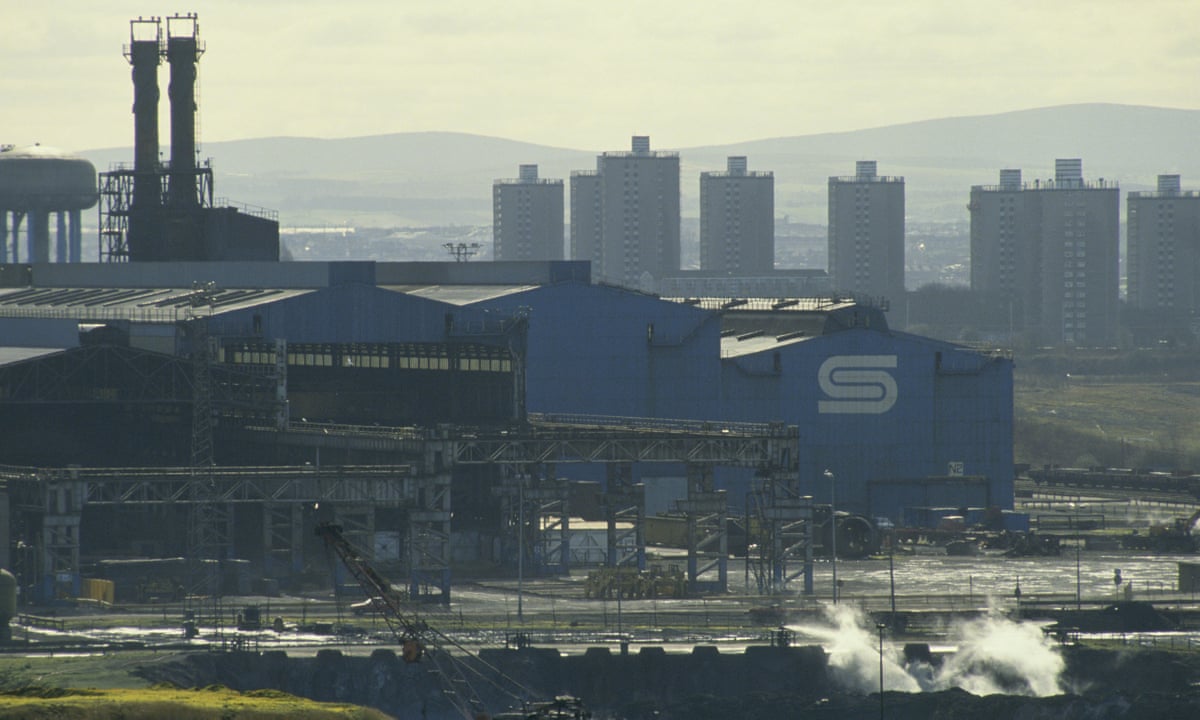
The local communities expected to benefit may instead bear the greatest costs. North Lanarkshire encompasses some of Scotland’s most deprived areas, formerly reliant on coal and steel industries, now facing some of the worst health outcomes in Western Europe, according to Glen.
Dozens of residents have voiced concerns on online forums and North Lanarkshire’s portal regarding the progression of energy developments and the datacentre, as well as the confusing and contradictory information about the future use of their land.
“It’s again smoke and mirrors. Smoke and mirrors,”Glen said.
“People thinking that – jobs – oh, phenomenal, what will it be like? A new age! But they’re being misled in a way, there’s no jobs. They don’t realise to what extent they’re being conned.”
“The announcement gives you the impression of poor aspiration. Poor aspiration. Just a job. Anything will do.”