

Scrap the child benefit cap
BBC Politics London has engaged with three distinct groups to identify the main priorities for Prime Minister Keir Starmer—or his successor—in improving the lives of London residents. These discussions covered a broad spectrum, from vulnerable populations such as children living in poverty to entrepreneurs managing small businesses.
Conversations were held with the Little Village charity, the London Chamber of Commerce, and the think tank Centre for London to determine which policies could have the most significant impact.
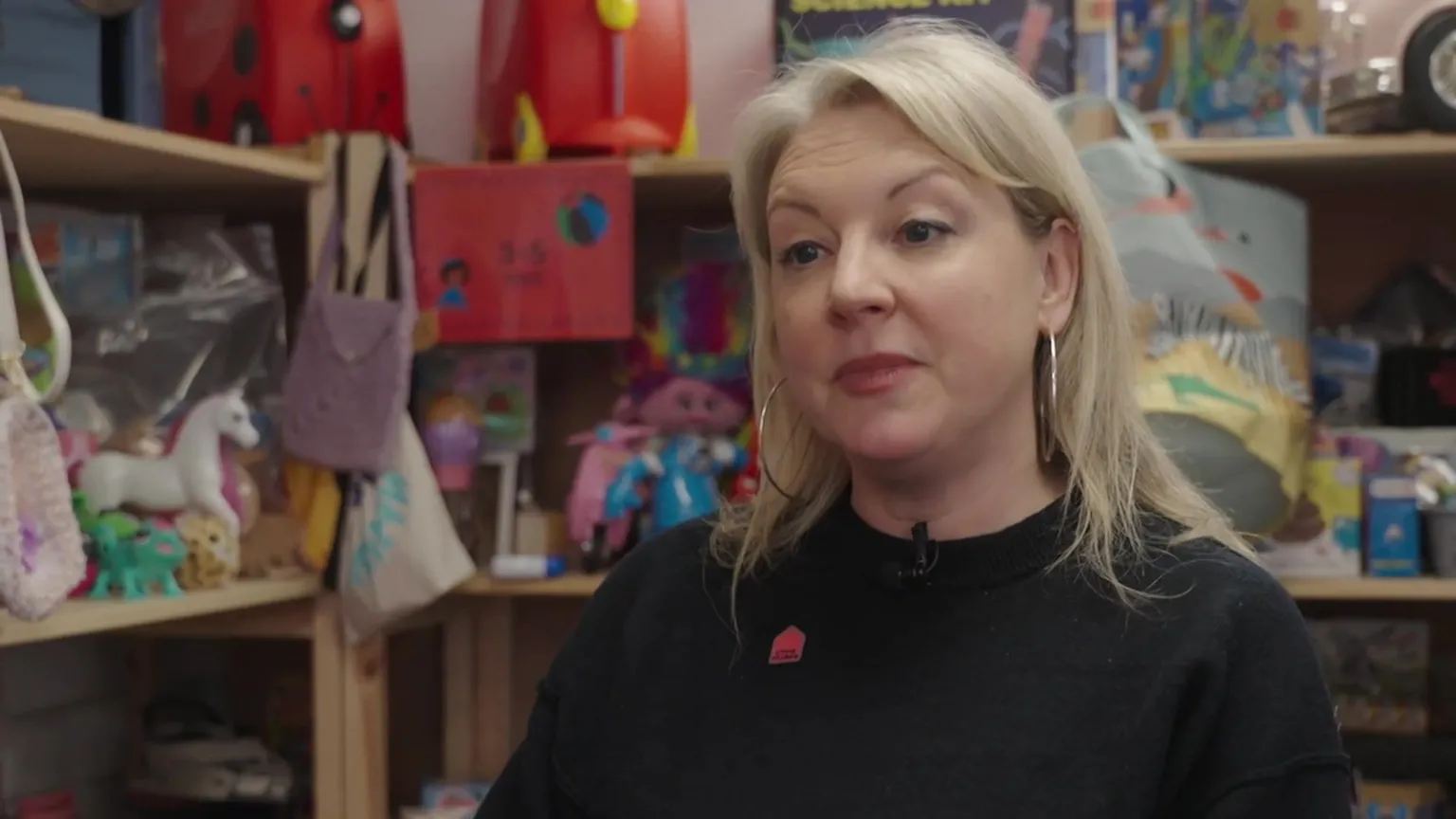
Sophie Livingstone, chief executive of Little Village, a charity that provides essential items to families in London, emphasized that poverty is "a political choice."
While the charity welcomed Labour's move to eliminate the two-child benefit cap, Ms Livingstone urged the government to act "further and faster."
She advocated for addressing the benefit cap, which restricts the total financial support a single family can receive, as well as revising the local housing allowance, which she identified as having a substantial effect on families.
"I would like them to think about specific measures that build on the two-child limits, so things like the benefit cap, which limits the amount of money a single family can get, and also the local housing allowance, which is having a really big impact," she said.
"Housing is one of the biggest issues that we see families coming to Little Village facing, and awful situations like a whole family of five in one room, but also the conditions of that housing.
Lots of health impacts from things like mould and damp, families needing everything new in terms of clothing for their children because the damp's eaten away through it for example."
Tax and small businesses
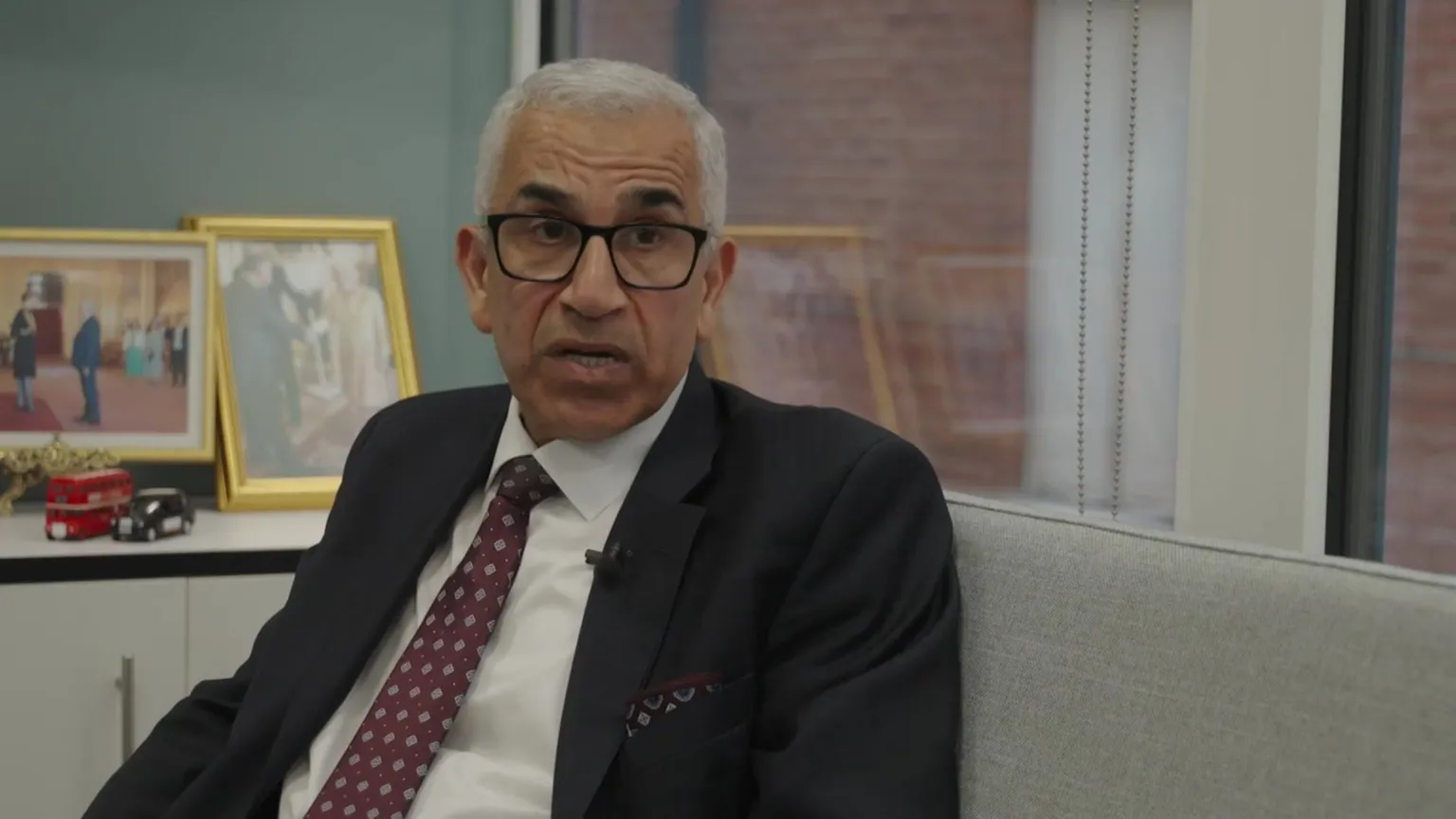
The London Chamber of Commerce, representing 12,000 businesses, highlighted the challenges small firms face regarding uncertainty over taxation and regulation.
Karim Fatehi, the chamber's chief executive, stated that small businesses cannot afford to be concerned about business rates and taxation.
"Small businesses cannot afford to worry about business rates and taxation."
He further emphasized the need for a clear and predictable environment to help businesses navigate ongoing challenges.
"The environment should be absolutely crystal clear for them to be able to navigate through the challenges."
Fatehi also pointed out the broader economic importance of London’s success.
"London's success equates to the success of the rest of the country.
If London succeeds, the rest of the country will succeed."
Tax-raising powers
The Centre for London, an independent think tank, called for a significant reform in the governance of the capital, advocating for substantially increased powers for the Mayor of London.
Antonia Jennings, the think tank’s chief executive, explained that London is disadvantaged compared to other global cities due to limited fiscal devolution.
She provided context by comparing London to New York, where Mayor Eric Adams retains 70% of his budget and directly raises it.
In contrast, the Mayor of London directly raises only around 7% of the budget, approximately one-tenth of New York’s figure.
"One way that London is really held back compared to other global competitors is the extent to which it has fiscal devolution.
So to put that in some context, in New York, Mayor Mamdani will retain 70% of his budget. He will directly raise it.
If you compare that to London, where the mayor of London only raises directly around 7%, so just a tenth of that."
Jennings also noted that London and the wider southeast are net contributors to the Treasury, paying more into the system than they receive back, which she argued necessitates change.
"We'd like to see much more whole-scale fiscal devolution, given it is only London and the wider southeast that are regions that are net contributors to the Treasury," she said.

Listeners can access the best of BBC Radio London on Sounds and follow BBC London on Facebook, X, and Instagram. Story ideas can be sent to hello.bbclondon@bbc.co.uk.


