Will there be an SNP majority?
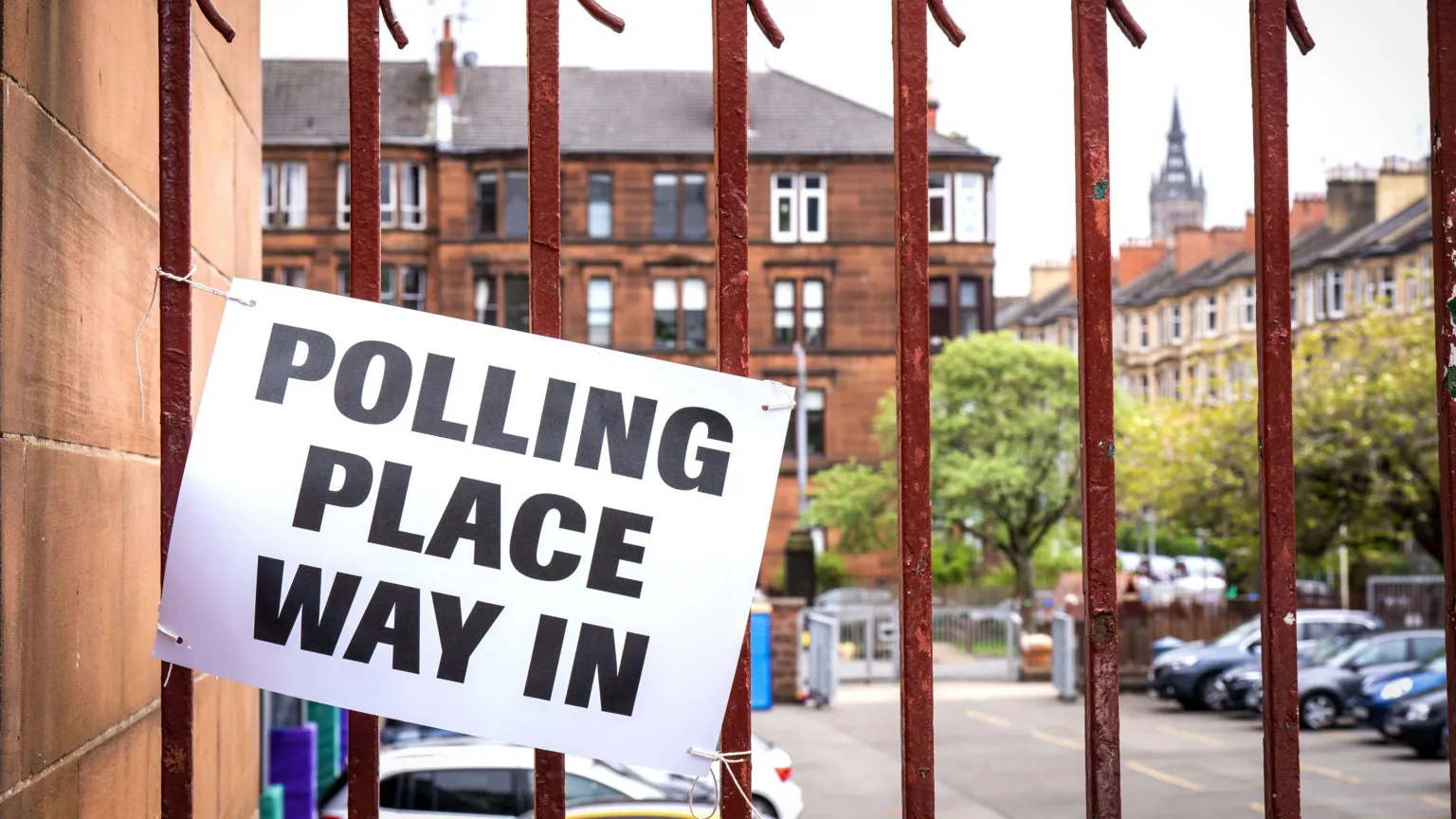
The campaigning has concluded, and votes have been cast. Now, the focus turns to counting the ballots to determine the outcome of the Scottish Parliament election. With local strongholds contested, incumbents striving to retain their seats, and the future trajectory of Scottish politics at stake, every party plays a significant role in this unfolding narrative.
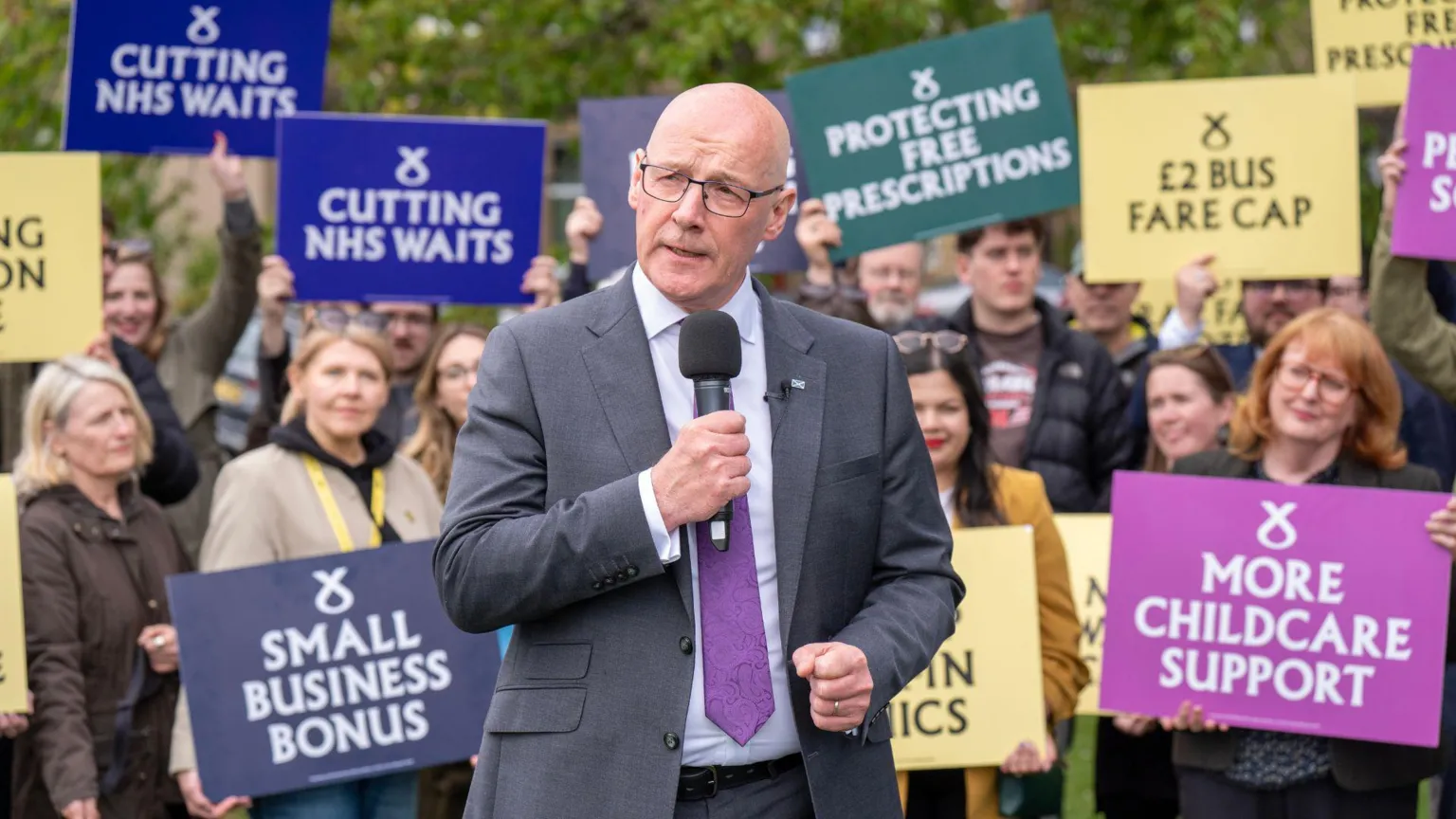
One of the primary questions is whether the Scottish National Party (SNP) will secure an outright majority. John Swinney has set an ambitious target for the SNP: winning 65 seats to push forward the agenda for Scottish independence.
Holyrood's electoral system presents challenges to this goal. The Parliament consists of 73 constituencies elected via first-past-the-post, similar to Westminster, alongside 56 additional seats allocated through a form of proportional representation to balance outcomes.
In theory, the SNP could achieve the necessary majority solely through constituency wins. This would require gaining ground from both Labour and the Conservatives simultaneously, while avoiding losses to Labour or the Liberal Democrats.
A critical factor is whether votes among the challenger parties are fragmented or whether tactical voting occurs on a seat-by-seat basis among voters united in opposing the SNP's advance.
If the SNP attains a majority, it would prompt broader discussions about mandates and the UK government's continued resistance to a new independence referendum. However, this remains a significant "if" that must be addressed before proceeding further.
Who will be first minister?
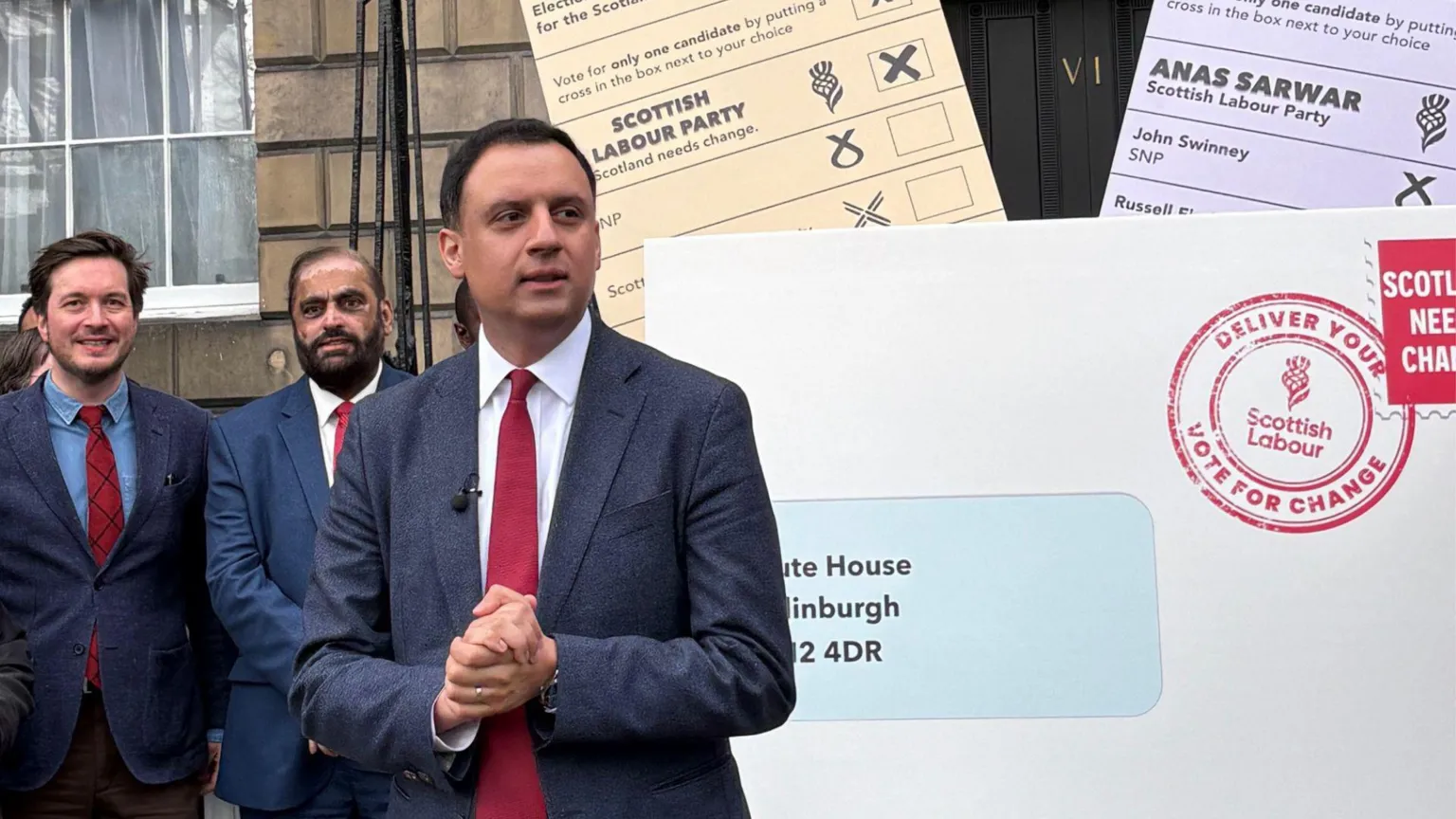
Aside from John Swinney, Labour leader Anas Sarwar has been the only figure consistently positioning himself as a candidate for first minister.
The likelihood of an outright Labour victory appears slim, influenced by the party's difficulties in Westminster government, which have negatively impacted its standing in Scottish polls.
Therefore, the possibility of a Sarwar-led government depends on complex post-election calculations regarding the composition of Holyrood.
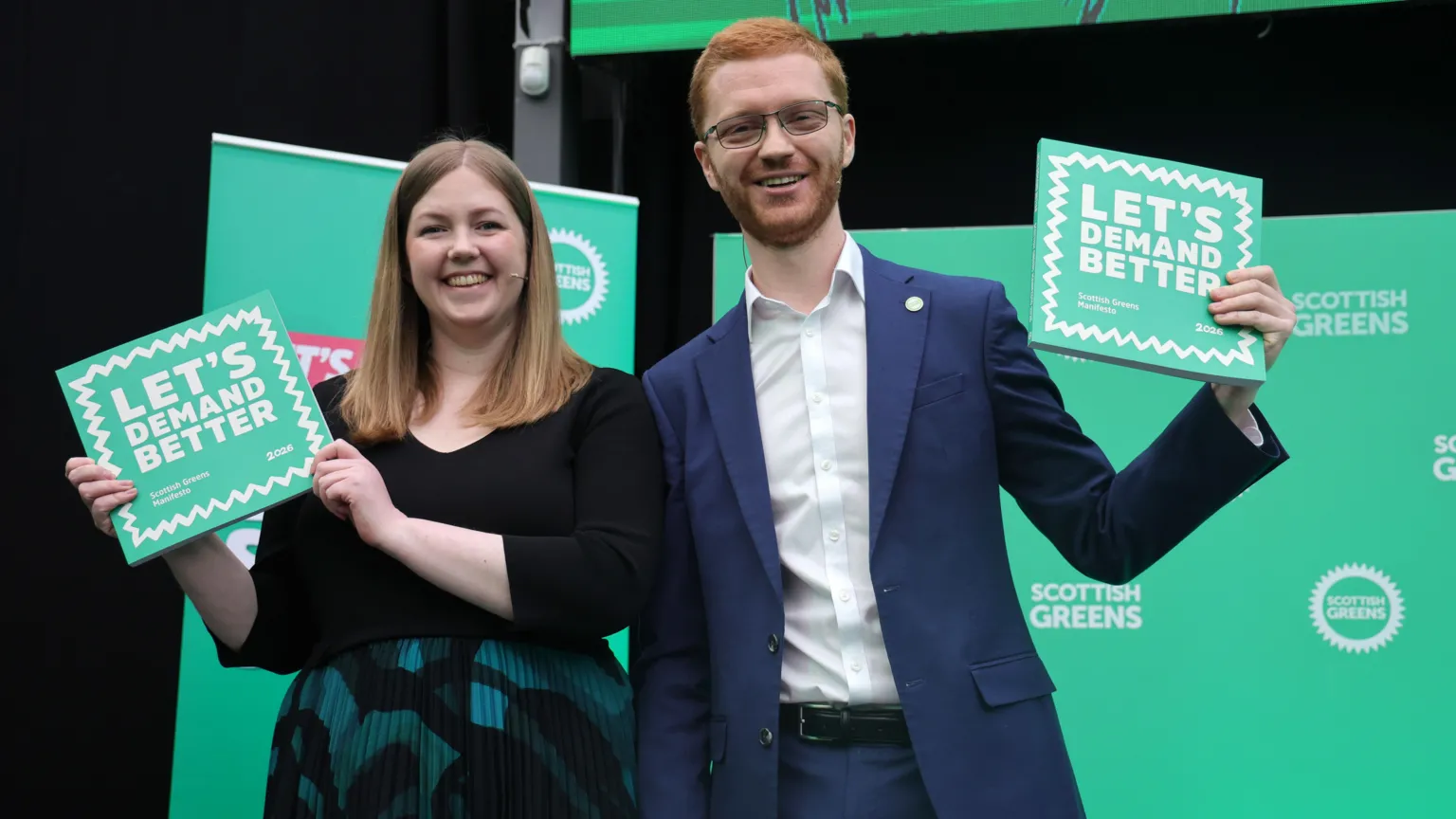
If the SNP falls short of a majority, attention turns to the number of Green MSPs elected. Scottish Greens co-leaders Ross Greer and Gillian Mackay have indicated their willingness to support John Swinney's return to power if it secures a pro-independence majority.
Should that not be achievable, the question arises whether unionist parties—the Liberal Democrats, Conservatives, and Reform UK—could unite to back Sarwar as first minister.
This scenario has already sparked intense debate, including allegations that Sarwar sought a "grubby deal" with Malcolm Offord, leader of Reform UK in Scotland.
"The Scottish Labour leader has since insisted he would not accept Reform votes as the price of getting into Bute House."
However, the possibility remains that Sarwar might reconsider if Labour has a genuine chance of forming a government.
How many people will vote?
Voter turnout is a crucial factor in determining the election's outcome, especially in a political climate where all parties acknowledge public disenchantment with politics.
Indicators suggest turnout may decline from the record 63% achieved in 2021. Professor Ailsa Henderson of the University of Edinburgh noted that polling points to a turnout in the low to mid-50% range, aligning more closely with Holyrood turnout levels during the 2000s.
A record 4.2 million individuals registered to vote in this election; however, there has been a decrease of 150,000 in postal voter registrations. Postal voters tend to have higher participation rates, so this decline could signal reduced overall turnout.
Consequently, the party most effective at mobilizing its supporters to vote will have a significant advantage.
Will any big names lose their seats?
Several prominent figures face uncertain prospects in this election.
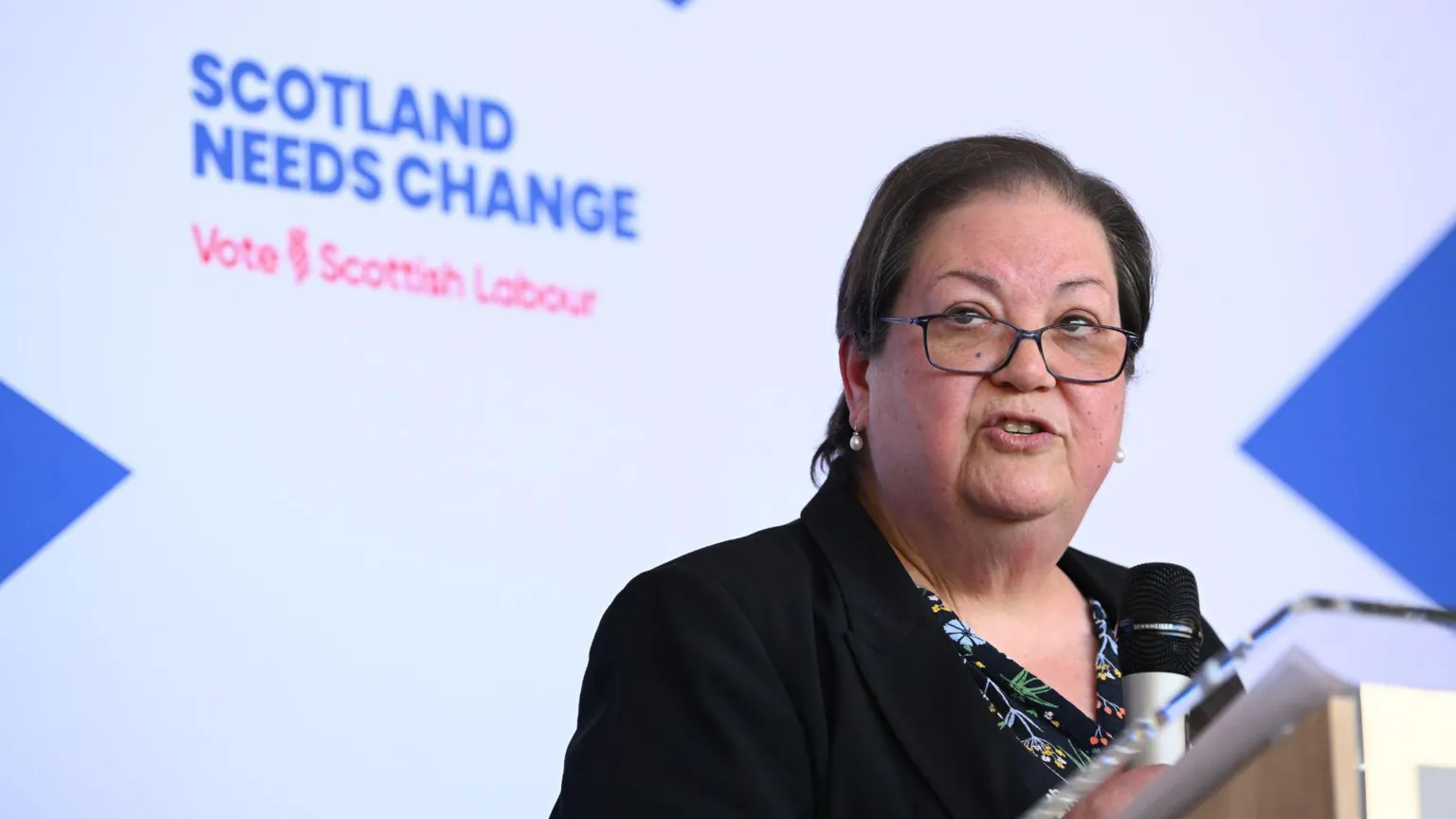
Labour's deputy leader Jackie Baillie has represented Dumbarton since 1999, successfully resisting numerous challenges from the SNP. However, with low turnout and potentially divided votes, this election could see the seat change hands.
Practically, Baillie is likely to return to Holyrood regardless, as she leads Labour's West Scotland list.
Angus Robertson, the SNP's campaign manager and government secretary for external affairs and culture, faces a more precarious situation. Boundary changes have made his Edinburgh Central seat a target for Labour, while the Scottish Greens, led by former leader Lorna Slater, are campaigning vigorously in the area, aiming for their first constituency win.
Should Robertson lose his seat, his chances of returning via the regional ballot are slim, as he is fourth on the SNP list.
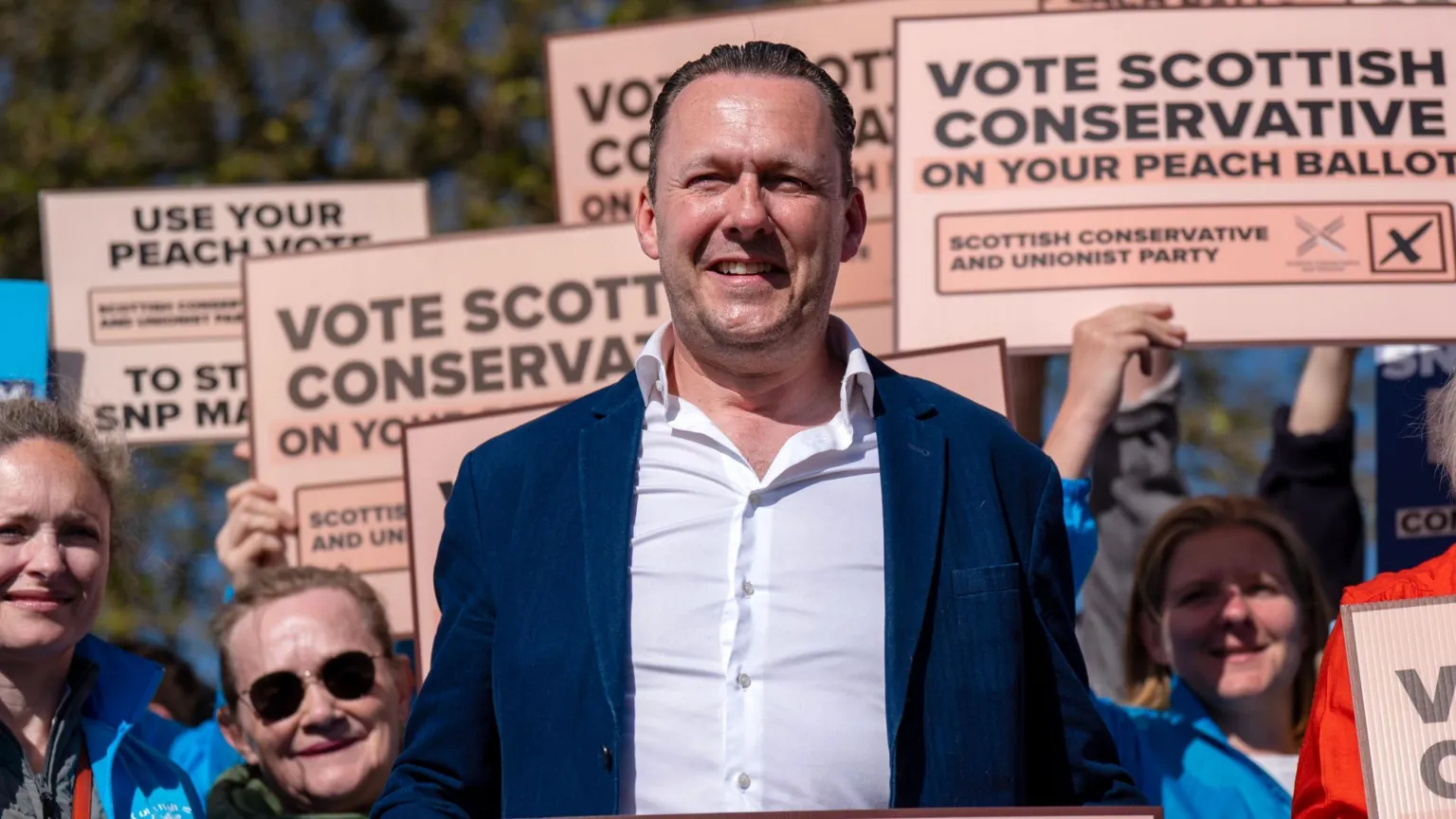
Scottish Conservative leader Russell Findlay also confronts challenges. Although he tops the party's West Scotland list, other election results could jeopardize his position. If Conservative colleague Jackson Carlaw retains his Eastwood seat, it would reduce the party's ability to secure seats through the top-up list system, potentially costing Findlay his place in Holyrood.
Will Reform have a breakthrough?
Reform UK previously participated in the 2021 Holyrood election on the regional ballot, securing just 0.2% of the list vote under the leadership of Michelle Ballantyne in Scotland and Richard Tice nationally.
Since Nigel Farage's return to frontline politics, the party has surged in national polls and aims to make a significant impact in Holyrood.
Reform's success is expected mainly through regional list seats, although it is contesting constituencies such as Banffshire and Buchan Coast.
The party's fortunes are closely linked to those of the Scottish Conservatives, as Reform seeks to attract voters from the right-wing spectrum, potentially drawing support away from the Tories, who have finished second in the last two elections.
Polling and council by-election results suggest Reform has potential in areas not traditionally Conservative, particularly in communities exhibiting strong political dissatisfaction.
Reform has influenced the campaign dynamics, with multiple opponents vying to position themselves as the most effective "anti-Reform" choice to encourage turnout and tactical voting against Nigel Farage's party.
If Malcolm Offord enters Holyrood with a substantial group of MSPs, it could significantly reshape the political landscape for the coming term.
Who could be the kingmakers?
The previous term marked a breakthrough for the Scottish Greens, who entered government through the Bute House Agreement with Nicola Sturgeon's SNP.
In this election, the Greens aim to increase their number of MSPs to enhance their influence in Parliament. They pledge to hold the SNP accountable, pushing for stronger action on climate change and other issues.
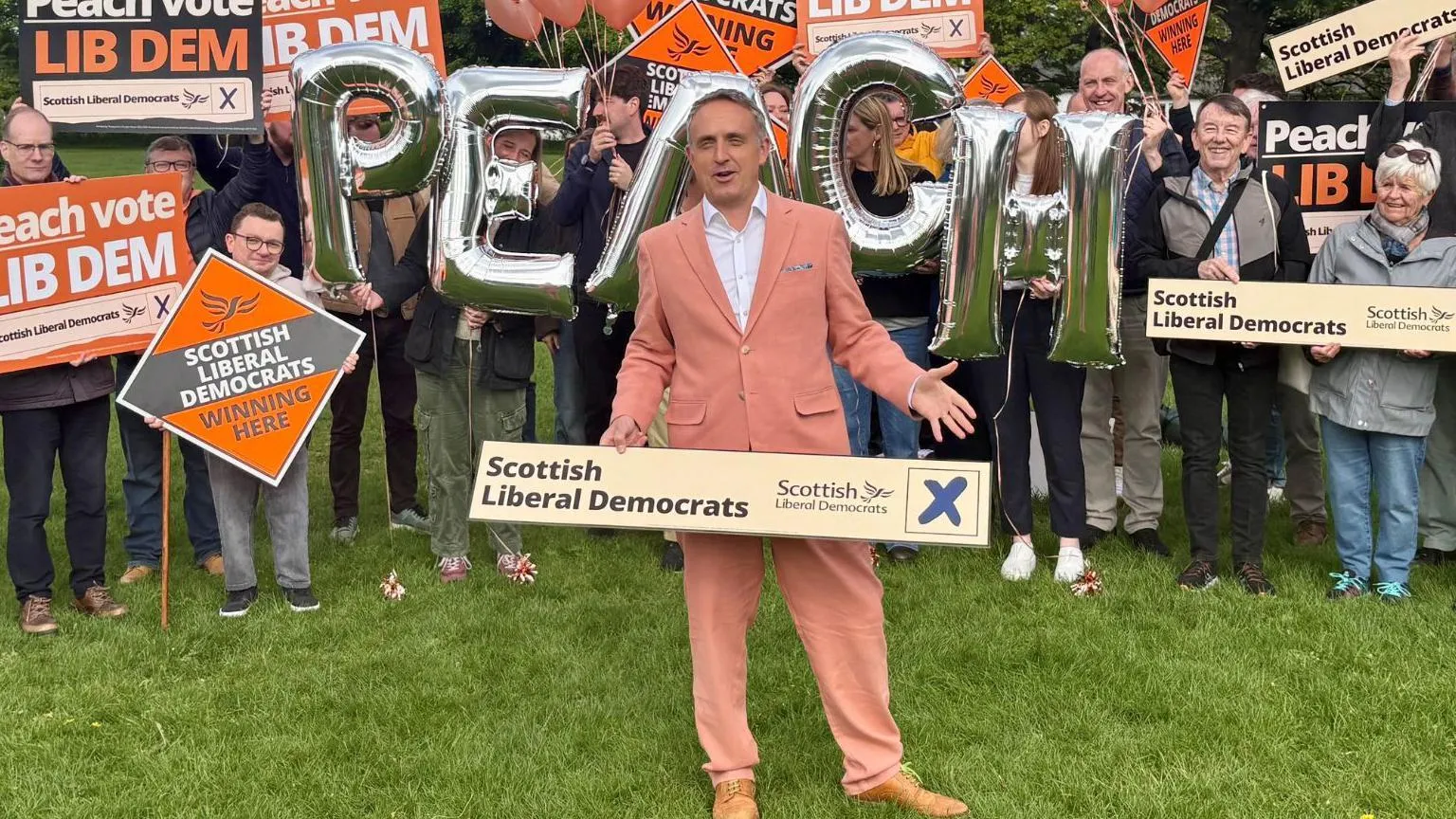
The Liberal Democrats seek a resurgence after serving as junior coalition partners in 1999 and 2003. Their support declined following a controversial coalition with the Conservatives at Westminster from 2010 to 2015, but they are now working to overcome that legacy.
Both parties present manifestos designed to position themselves as potential partners in budget negotiations with larger governing parties.
However, their paths to success differ markedly. The Liberal Democrats aim to gain constituency seats in the Highlands and around Glasgow and Edinburgh, supplemented by some list seats. Conversely, the Greens target gains primarily through regional lists, with a few constituency wins.
Campaign managers must navigate competing against multiple parties across diverse regions, each with unique local issues, while crafting national messages capable of addressing various opponents in regional contests.
This complexity underscores the challenges of contesting a Holyrood election and interpreting its results.