

John Major Warns Against Frequent Changes in UK Prime Ministers
Britain must avoid the frequent replacement of prime ministers, Sir John Major has cautioned, criticizing those who treat politics like a "game show" while deferring significant challenges to future generations.
The former Conservative prime minister condemned contemporary politicians for their obsession with focus groups, suggesting they view their role as merely "providing fodder for the media and projecting their own careers" instead of addressing complex issues such as healthcare, pensions, and climate change.
In an interview with BBC Radio 5 Live and Newsnight, Sir John stated:
"The best aphrodisiac in politics is hope. If people can see a change, there's a change in atmosphere."
He expressed strong feelings that the avoidance of difficult discussions on major issues "demeans politics." He warned that without a new generation of young people committed to public service entering politics, "we are in deep doodah."
Sir John Major served as Conservative prime minister from 1990 to 1997, securing the 1992 election with the highest number of votes ever recorded for a British political party. Three years into his tenure, he confronted internal party divisions by challenging rivals to "put up or shut up," defeating Tory MP John Redwood in a parliamentary ballot.
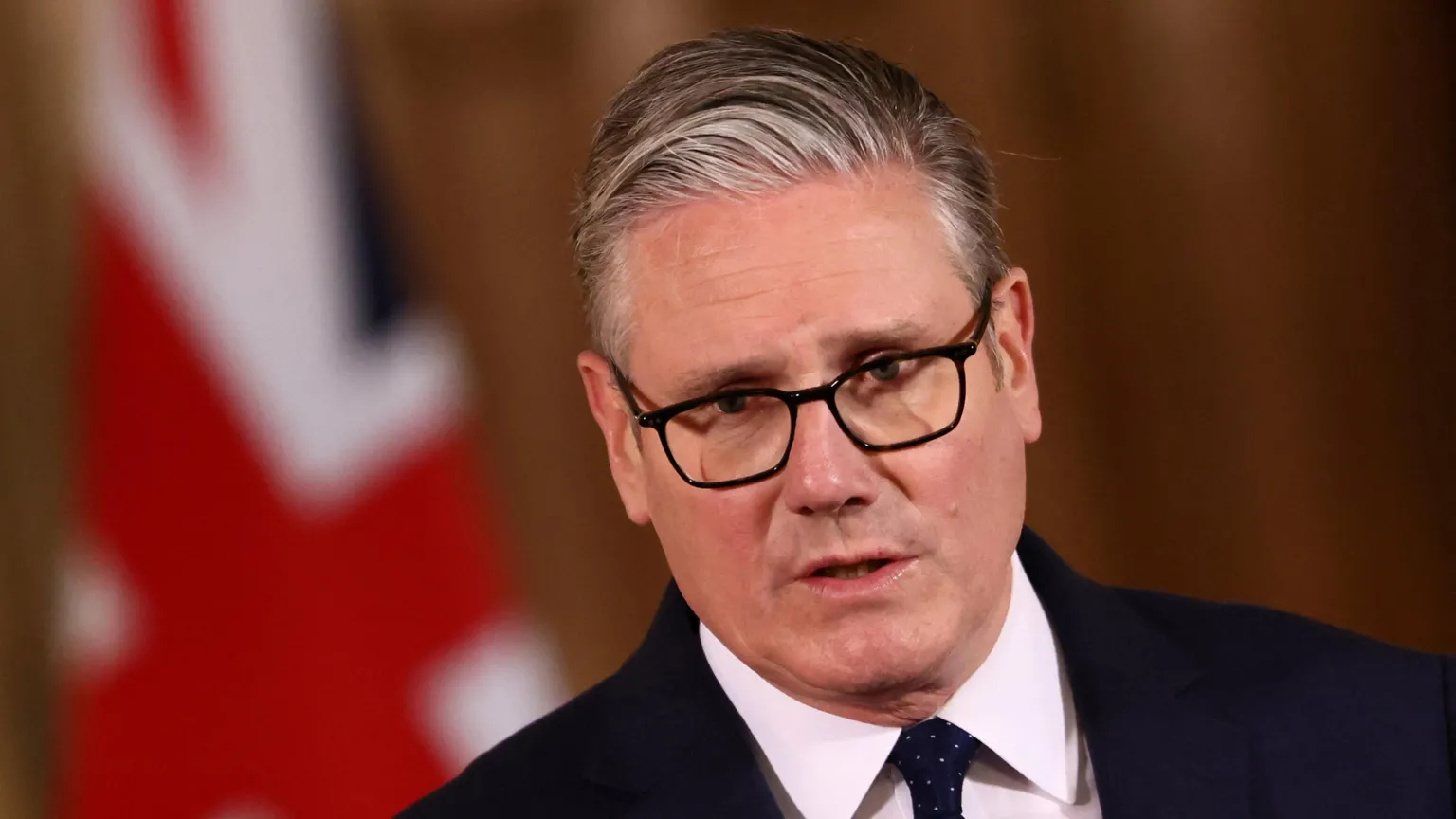
Speculation has arisen that Sir Keir Starmer, reportedly under pressure from rivals including Angela Rayner and Wes Streeting, might face a similar challenge.
Sir John commented:
"The fate of individual politicians doesn't really matter as much as the development of the right policy.
I mean, it isn't a good idea to keep changing prime ministers. I think it is an idea to have a limited number of years. I think the Americans who have two terms of a president and then stop. I think that is sensible."
He refrained from publicly advising a Labour prime minister but noted that the role of prime minister is "undoubtedly getting harder," partly due to social media.
Sir John emphasized that many of the UK's current challenges are long-term problems, cautioning that leaders are avoiding necessary action on issues such as an ageing population, healthcare costs, and pensions.
'Tough luck, chaps'
He criticized current governmental attitudes, stating:
"All they are doing is saying to my children and your children and their grandchildren 'tough luck chaps, we're not only leaving you a difficult economy with too many old people that you can't afford to care for, we are going to leave you with climate change that we should have put right for you and didn't'.
The first role of any government, in my view, is to leave something better for the next generation than your generation inherited. And this is not done now.
The youngsters of today are inheriting a more difficult world and the less favourable world for them than my generation."
He warned that governments have "lost the capacity to say no" to voters demanding increased public spending.
"They say you can't do that, you'll lose votes. Really? When you're setting out a policy that will... ease the lives of their children and their grandchildren? Are we so self-centred that we can't take in that message? I don't believe it.
It's not a game show, you are not there just to provide fodder for the media and project your own career. You're there to deal with problems that the ordinary people elect you to do."
Working class MPs
Sir John also criticized the increasing number of professional politicians across all parties.
He observed that Labour MPs were once "people without money, without privilege, working class people who really knew their constituents," but now they are "much younger, much better educated, and in my judgement, much less close to their constituents than their predecessors were."
Regarding the Conservative Party, he noted:
"And you can see on the Conservative side, where are the businessmen? Where are the soldiers?
Where are the people who would have been a staple part of the party in the 1950s, 60s and 70s? They're very sparse now on the Conservative benches."
Sir John, the last prime minister not to attend university, was inspired to enter politics after a chance meeting at age 13 with his local MP, Marcus Lipton, who arranged a visit to the House of Commons.
He hopes others will still be willing to pursue political careers.
"Well, I would say to young people, we need you in politics. If all the talent in this country concentrates on how can I earn more money, how can I avoid public service like the plague because I don't like the idea of it, then we are in deep doodah."
Matt Chorley is on BBC Radio 5 Live weekdays from 2pm and night on Fridays from 10.30pm.

for our Politics Essential newsletter to keep up with the inner workings of Westminster and beyond.


