

Thousands Report Confusion Over Student Loan Terms
Thousands of individuals have informed a government inquiry that they did not fully understand the terms and conditions of their student loans prior to taking them out.
More than 52,000 people responded to a call for evidence by the Treasury Committee for its inquiry into the taxation of graduates, with over half indicating they did not comprehend what they had agreed to.
The inquiry is examining all student loan plans in England and assessing whether repayment terms are "reasonable."
Treasury Committee chairwoman Dame Meg Hillier stated,
"the massive scale and strength of frustration and upset is powerful."
The inquiry was initiated following controversy surrounding Plan 2 loans, which were issued in England between September 2012 and July 2023 and continue to be issued in Wales.
Graduates with Plan 2 loans repay 9% of their earnings above the repayment threshold, which currently stands at £28,470.
The government has announced that from 2027 to 2030, the threshold will remain frozen at £29,385 rather than increasing with inflation.
This freeze means graduates will begin repayments earlier, and those earning above the threshold will have a larger portion of their income subject to student loan repayments than previously.
In April, following the inquiry's launch, the government declared that interest on some student loans in England will be capped at 6% in the next academic year to shield graduates from inflation risks linked to the Iran war.
Campaigners have welcomed this measure but have called for broader reforms to the student loan system.
Campaigners Highlight Impact on Graduates
Alex Stanley, vice-president of the National Union of Students, commented on the data, saying,
"how damning the situation is."
He added,
"Students and graduates already knew this was the case, because we are living it. Governments have repeatedly changed the terms, in a move that no bank could do, making the conditions worse while we have no option but to take the financial hit."
Ollie Gardner, founder of Rethink Repayment, a campaign group advocating for student loan reform, stated,
"They are preventing many from reaching key life milestones such as buying a home, starting a family and saving for retirement, simply because they chose to pursue higher education."
Inquiry Participation and Findings
As part of its inquiry, the committee invited individuals aged over 16 to share their experiences with the student loan system.
Of the 49,357 respondents who have taken out student loans, most indicated they would not have been able to attend higher education without this financial support.
Dame Meg Hillier remarked,
"Unfortunately, what these findings tell us is that far too many young people feel over-burdened and demoralised by their student debt."
The committee will now evaluate various options before making recommendations for change.
Perceptions of Inequality and Impact on Social Mobility
The committee's report highlights a strong perception that "poorer and middle-income" students bear the greatest financial burden over their lifetime, whereas those with parental support can pay fees upfront and avoid interest and prolonged repayment periods.
The survey indicates that graduates performing the same job receive different net pay depending solely on their parents' wealth, which is viewed as "entrenching class inequality and undermining social mobility."
The report includes several quotes from respondents illustrating these concerns.
One individual stated,
"It's fundamentally unfair that students with wealthy parents can be bought out of paying interest on their tuition fees entirely.
If I am on the same salary doing the same job as a wealthy graduate who paid upfront, I will pay far more for far longer compared to them. This means that my parents' circumstances have a profound effect on my debt and availability of money."
Student Loan Repayments Affect Mortgage Availability
The report also notes that student loan repayments "directly reduce mortgage availability," with many respondents reporting lower borrowing limits, delayed home ownership, or mortgage refusals.
Monthly repayments, which the report states can range between £200 and £600, can "significantly slow or prevent" saving for house deposits.
One respondent shared,
"I was told it would be less than a phone bill and barely noticeable.
I am now an adult paying back £100s a month. It was a complete lie. It's reduced my mortgage affordability, the amount I am able to invest or spend in the economy.
What's been even more frustrating is the impact on my life outside education: this loan has reduced my mortgage affordability by almost £100k, I was told it would not affect my ability to get a mortgage, when in fact I was refused a mortgage on affordability grounds due to my student loan."
Concerns Over Transparency and Changing Terms
Respondents also indicated that the mechanics of interest were "not explained" and that terms have changed retrospectively, which the report suggests would be unlawful in products regulated by the Financial Conduct Authority (FCA).
They expressed frustration over repeated claims that loans were "like a phone contract" and that repayments "wouldn't be noticeable."
Promotional Materials and Government Messaging
The committee published a collection of student loan promotional materials received from the Department for Education.
One document stated that tuition fee and maintenance loans are combined for repayment purposes "to keep it simple" and that the system is designed to ensure repayments "are always affordable."
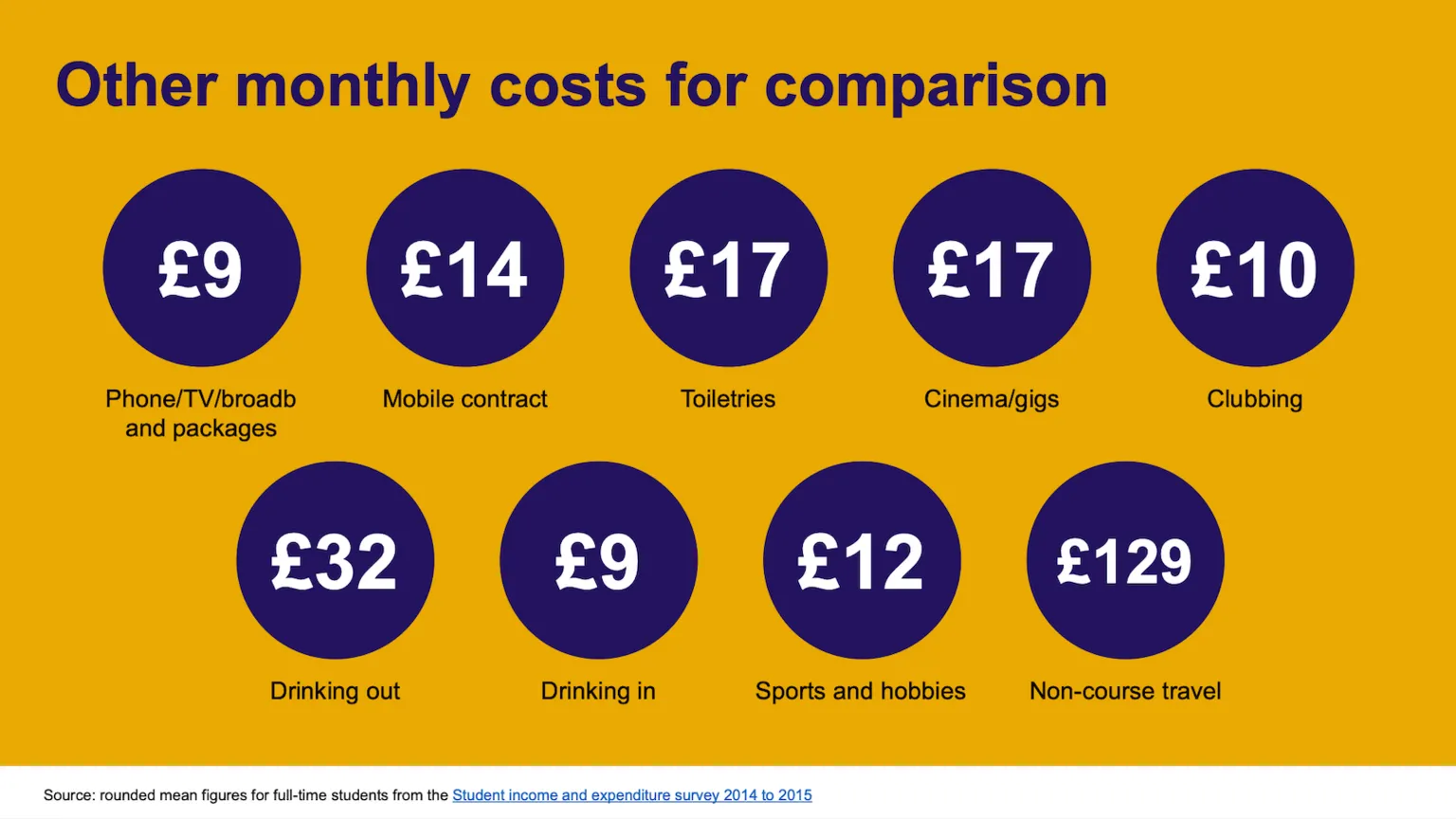
A PowerPoint presentation compared a student loan repayment of £15 to other monthly costs, including £10 for clubbing, based on a 2014/15 expenditure survey, though the presentation was delivered for the academic year 2020/21.
Next Steps
The Treasury Committee is expected to report back later this year. The Department for Education (DfE) has been contacted for comment.



