Government Moves Asylum Seekers from Hotels to Military Barracks
Hundreds of asylum seekers have been relocated from government-funded hotels, with some transferred to army barracks, the Home Office has confirmed. Eleven hotels across England, Scotland, and Northern Ireland have been closed, as initially reported by , with additional closures planned in the coming weeks. Approximately 350 asylum claimants have been moved to the Crowborough military camp in East Sussex, which a Home Office spokesperson described as providing "basic accommodation."
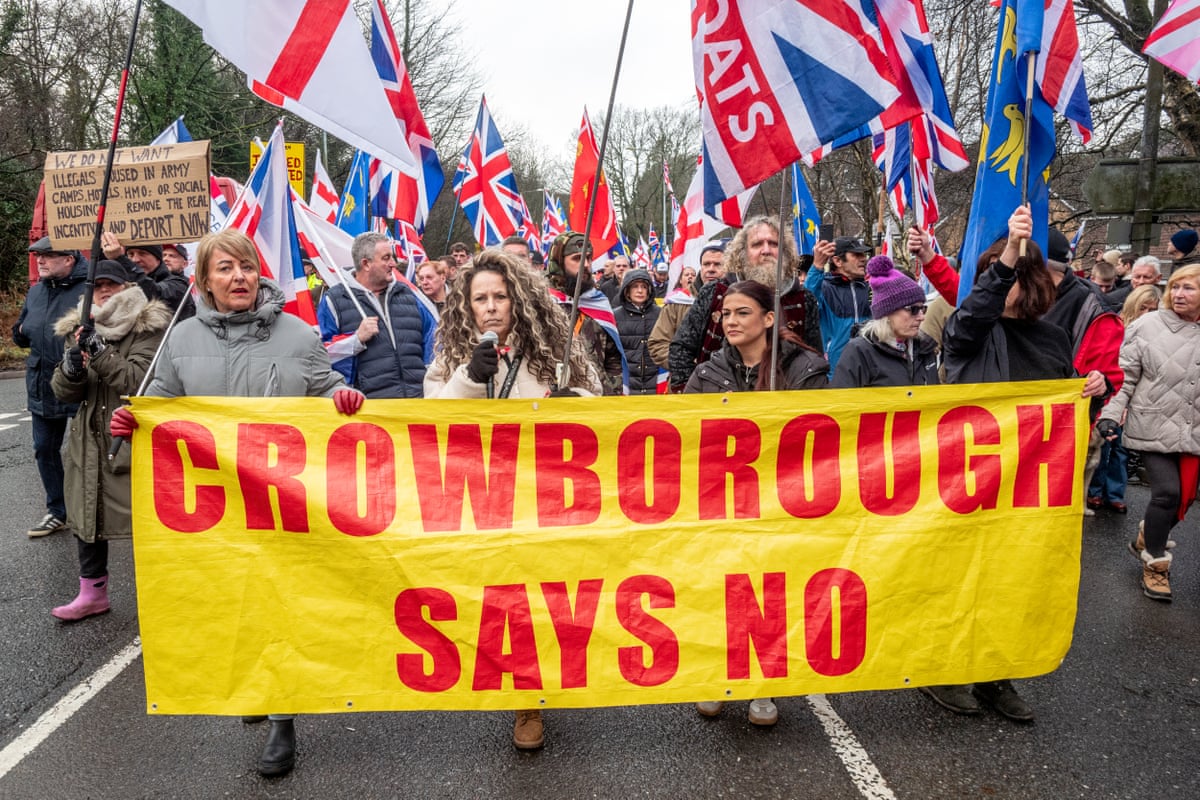
These changes follow Labour leader Keir Starmer’s commitment to close all hotels housing asylum seekers before the next general election. The announcement comes weeks ahead of potentially significant losses for Labour in England’s local elections.
Meanwhile, Reform UK continues to campaign for the closure of all 200 asylum hotels, which currently accommodate around 30,000 people. Beyond these hotels, over 70,000 asylum seekers reside in other forms of accommodation, including shared housing and military barracks.
The number of hotels used to house asylum seekers has decreased to 185 from a peak of 400. Asylum seekers are required to live in government-funded accommodation because they are prohibited from working during their first year in the UK while their claims are processed. The Home Office is legally responsible for providing housing for these individuals.
Details of Hotel Closures and Relocations
In a statement, the Home Office confirmed it no longer houses asylum seekers at the Banbury House hotel in Oxfordshire, a three-storey Georgian building that had been the focus of protests. The Marine Court hotel in Bangor, County Down, was closed to asylum seekers in February after four years of use, according to the local authority.
The Citrus hotel in Cheltenham, Gloucestershire, was emptied of asylum seekers several weeks ago following a campaign by local activists. Other hotels closed to asylum seekers include the Holiday Inn near Heathrow; the Britannia hotel in Wolverhampton; the Madeley Court hotel near Telford, which closed earlier this week; the OYO Lakeside in St Helens, Merseyside, which was vandalised in December; the Crewe Arms hotel in Crewe; the Sure hotel in Aberdeen; and both the Rock hotel and the Wool Merchant hotel in Halifax.
Government and Opposition Responses
Immigration Minister Alex Norris stated:
"Hotels were meant to be a short-term stopgap under the previous government, but they spiralled out of control – costing taxpayers billions and dumping the consequences on local communities.
We are shutting them down by moving people into more basic accommodation, scaling up large sites, removing record numbers of people with no right to remain."
Under the previous government, asylum decision-making stalled, and the use of hotels increased to nearly 400 sites. The Home Office estimates that the latest hotel closures will save £65 million.
Protests and Concerns Over Accommodation Conditions
Protests outside hotels across England have intensified over the past two summers, with some demonstrations turning violent. One incident involved protesters attempting to set fire to a hotel while asylum seekers were inside.
Refugee non-governmental organizations have criticized hotels as unsuitable for long-term accommodation. A parliamentary investigation found that the government had failed to adequately address these concerns.
Imran Hussain, Director of External Affairs at the Refugee Council, commented on the use of military sites as alternatives:
"The government’s own spending watchdog previously found that they are more expensive than hotels, and they isolate people from local communities and essential services."
"There is a better way to end the use of hotels. By giving permission to stay for a limited period – subject to rigorous security checks – to people from countries like Sudan and Iran, the government could empty hotels within a few months."
Political Criticism and Housing Implications
Chris Philp, the shadow home secretary, criticized the government’s handling of asylum seeker accommodation, stating:
"There are more asylum seekers in hotels than at the time of the election. That’s despite the government shunting people from hotels into residential apartments to hide what is going on.
Those apartments are then not available for young people struggling to get on the housing ladder."