

Voter Shift in Wales and North-East England
At the Caerphilly social club in Wales on Friday night, Bernard and Linda discussed the risk they were taking with their vote.
"With Labour I think you get nowhere," Linda told BBC Radio 4's Today programme. "They're not the working class now," Bernard added.
Like thousands of voters from Sunderland to Swansea, Bernard and Linda have turned to Reform UK, significantly impacting the traditional dominance of the two main parties.
In Wales, where Labour has held sway for a century, the party now holds only nine of 96 Senedd seats. Reform UK, which previously had virtually no presence, now holds 34 Senedd seats, while in Scotland, Reform UK gained 17 Members of the Scottish Parliament (MSPs).
In north-east England, the local election results exceeded Reform UK's expectations and were a severe setback for Labour.
Both Labour and Reform UK agree that national issues played a critical role. Voters expressed dissatisfaction with the government and strong disapproval of the prime minister. Reform UK's strategy of framing the elections as a referendum on Sir Keir Starmer proved effective, overshadowing Labour's local messaging. Additionally, anger over small boat crossings influenced voter sentiment.
However, the situation is more complex than a simple rejection of the current prime minister.
Local Factors Influencing Voter Behavior
While Westminster politics contributed, distinctive local issues were also significant.
Incumbency presents challenges for governments and councils alike. Labour believed its local authorities were beginning to reverse austerity's damage in the region.
Nevertheless, residents have endured 15 years of cuts to local services alongside rising council tax. The North East has some of the highest council tax rates in the country. Except for Hartlepool, Labour councils in the region increased bills by nearly 5% again this year.
Previously, Labour councils could blame Conservative or coalition governments for difficulties, but now they face accountability without an alternative party to blame.
Voters in Sunderland recognized some regeneration efforts in the past two years but felt this did not compensate for the previous 50 years of neglect.
"Too little, too late," some said.
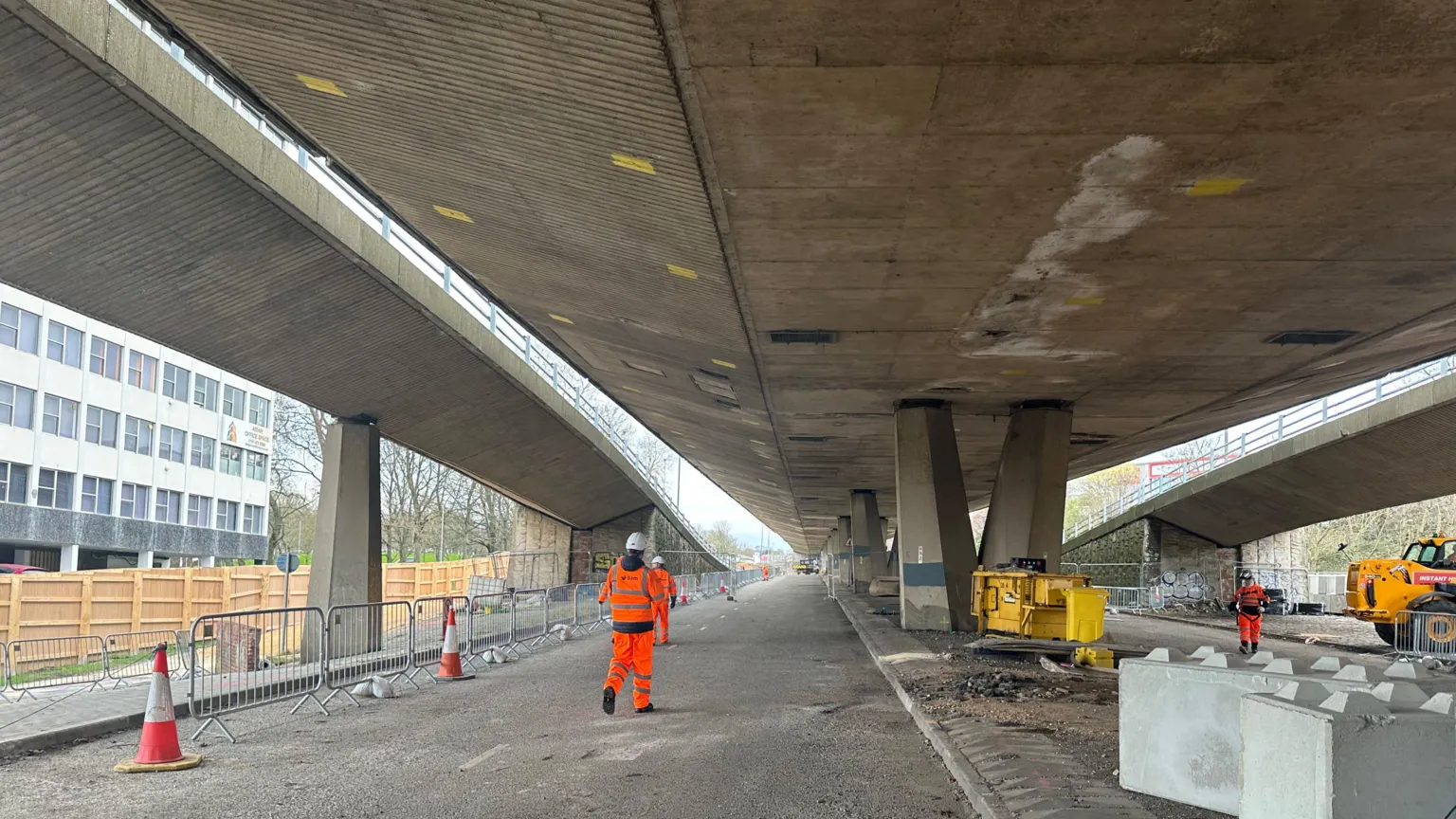
In Gateshead, the closure of a deteriorating motorway flyover connecting the town to Newcastle symbolized a broader sense of neglect. The structure was closed overnight in December 2024 after being declared unsafe, but demolition only began amid the election campaign.
The Labour council may not have been solely responsible for the flyover's condition, but it bore the brunt of voter dissatisfaction. Many in the town expressed skepticism about the council's ability to deliver the promised regeneration following demolition.
Warning signs for Labour date back further. The 2024 general election appeared to restore the North East's traditional Labour dominance, with the party winning all but one constituency.
However, the MPs' majorities were narrow, and Reform UK placed a strong second in many seats despite low-profile candidates and minimal ground campaigns.
This indicated an opportunity for a more focused effort by Reform UK.
Economic Concerns and Voter Risk Appetite
Since the 2008 credit crunch, no government has provided a lasting solution to the core issue of restoring economic confidence for people on modest and low incomes, who increasingly worry about the rising cost of living.
When Labour warned voters about the risks of electing Reform candidates with little or no local government experience, many responded by questioning what they had to lose.
There were parallels with the 2016 Brexit referendum, when North East voters, asked about the risks of leaving the EU, replied that things could not get worse.
When established parties and politicians seem ineffective for communities, voters are more willing to take a chance on alternatives.
North East voters in this election said they felt someone different deserved a chance to move the dial.
This presents a risk for Labour that these losses may not be temporary but could mark a tipping point in a longer-term decline in a region they have traditionally relied on.
Reform UK's Expanding Influence and Resources
Nigel Farage's party has built an operation capable of attracting former Labour voters and also making inroads in former Conservative areas such as Essex, Suffolk, and Havering.

The scale of Reform UK's operation is partly due to substantial financial backing. In the final three months of last year, Reform UK received over £5.4 million in large donations, more than any other political party, according to new Electoral Commission data.
This included a £3 million donation from cryptocurrency investor and aviation entrepreneur Christopher Harborne.
These funds have enabled Farage to invest heavily in targeted social media advertising, delivering tailored messages to specific voters in particular areas.
Reform UK also benefits from broader public dissatisfaction with politics, reflecting a perception that key services such as the NHS, the economy, and border control are not functioning effectively.
Consequently, as Bernard and Linda and many voters in the North East and elsewhere have expressed, an increasing number of people are willing to "take a chance" on a party with limited experience in long-term government.
A significant obstacle for Reform UK has been a sizeable segment of the electorate vehemently opposed to Farage, willing to vote for any party best positioned to defeat him.
However, early indications suggest limits to the 'Stop Reform' approach. In Wigan, for example, ward-level results show that combined votes for Labour, Greens, and the Liberal Democrats often failed to surpass Reform UK.
Implications for Future Elections
These results provide Reform UK with substantial opportunities, as demonstrated by their performance.
From Basildon to Barnsley; Walsall to Wakefield; Thurrock to Tamworth, Reform UK dealt a significant blow to the traditionally dominant Labour and Conservative parties.
This success gives Farage a larger base of councillors, volunteers, and activists to mobilize for the next general election.
However, challenges remain. As Labour has experienced, promising change while in opposition differs greatly from governing and delivering results.
In many areas, Reform UK is no longer an insurgent force but has become the incumbent party.


