

Introduction: A Family Amidst Political Turmoil
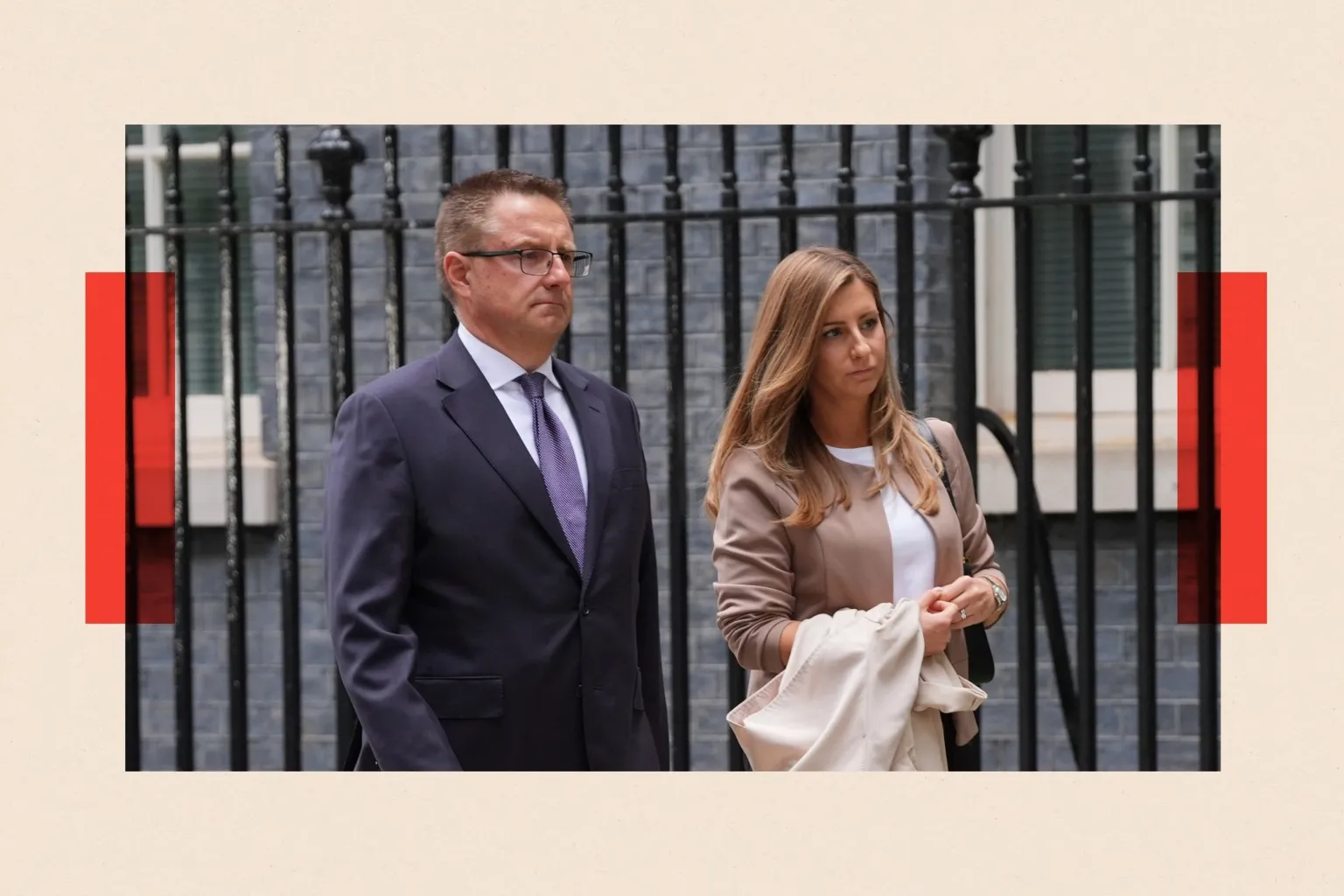
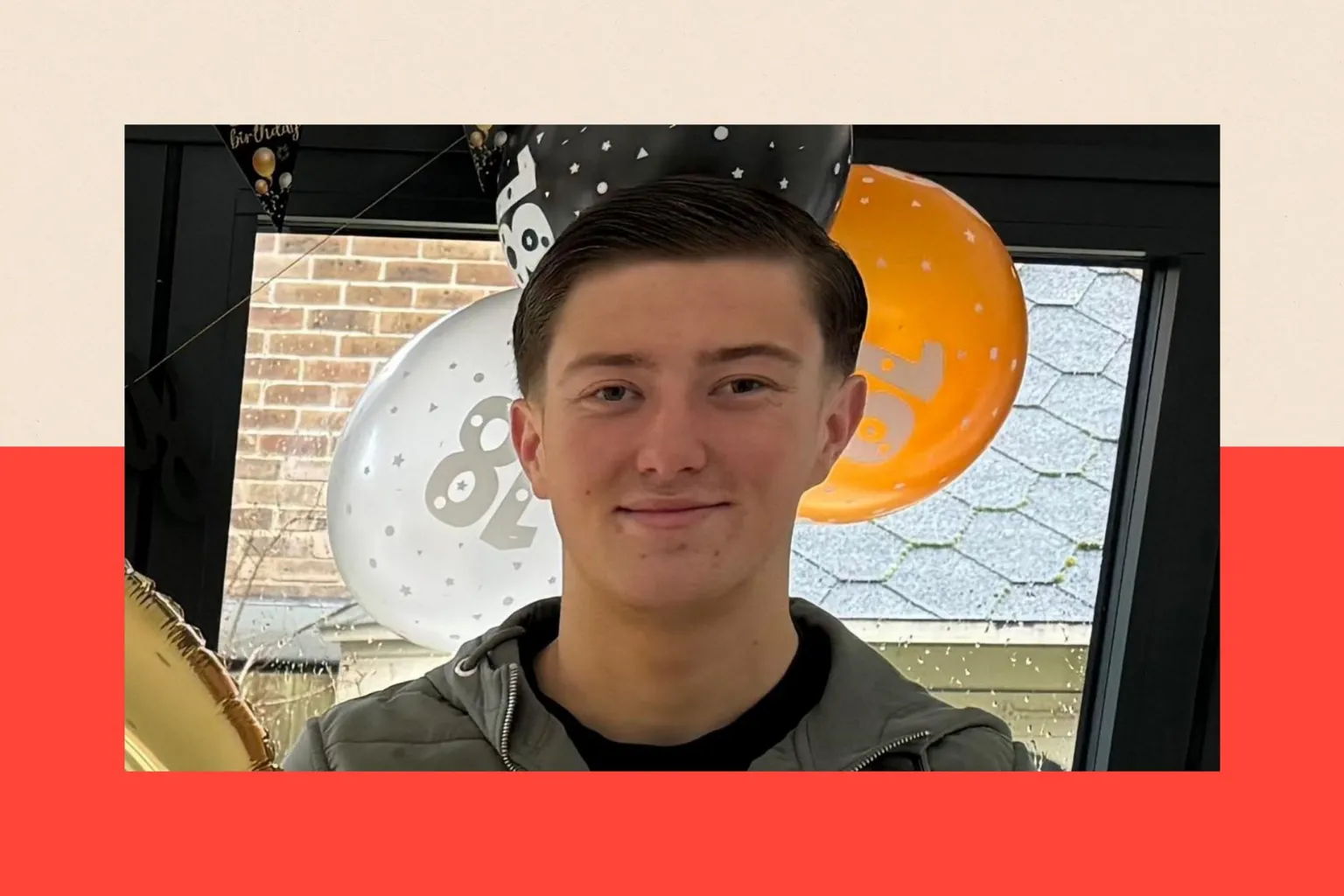
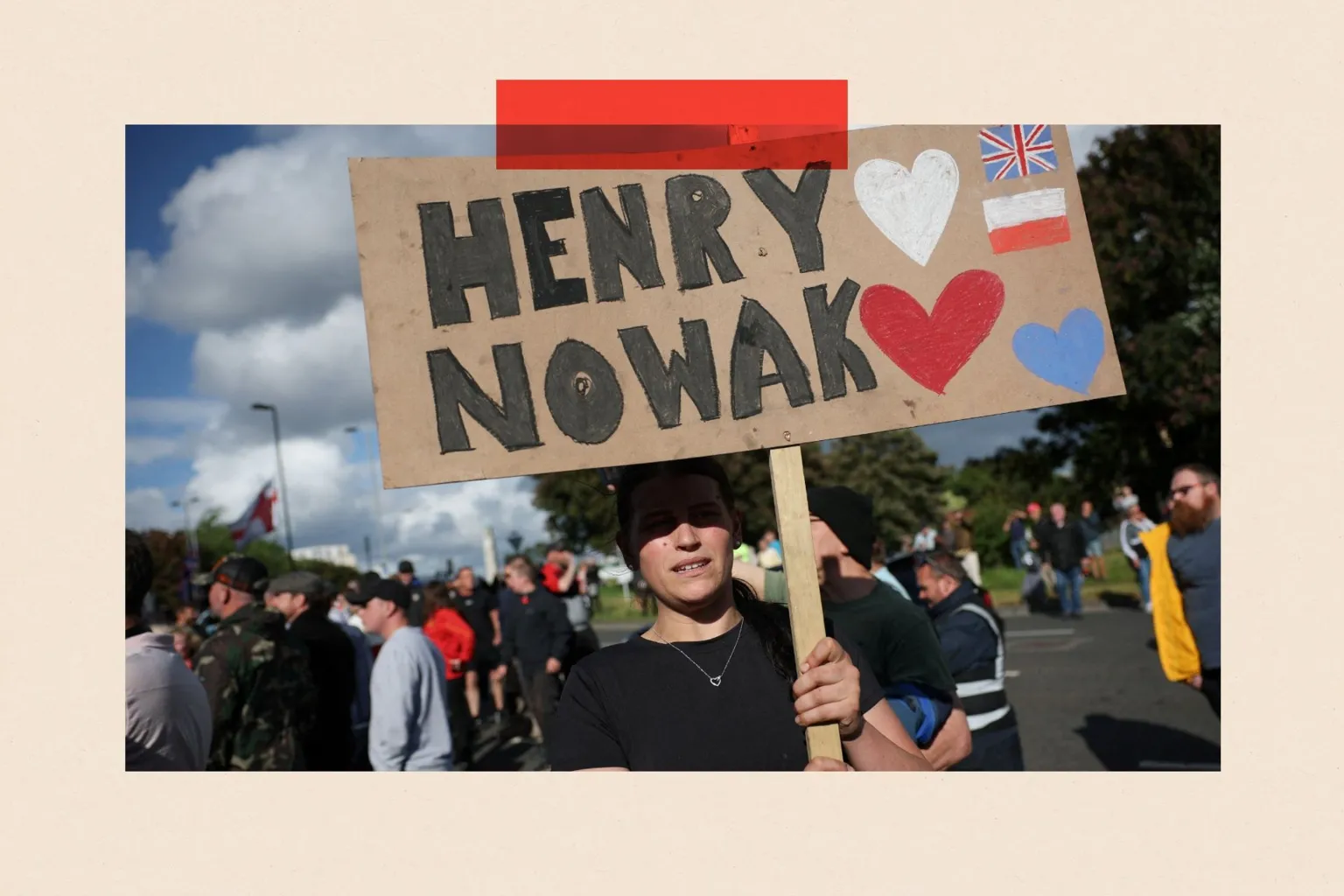
Henry Nowak's parents were touring the intricate Victorian corridors of the Houses of Parliament when they unexpectedly heard politicians discussing their 18-year-old son's murder.
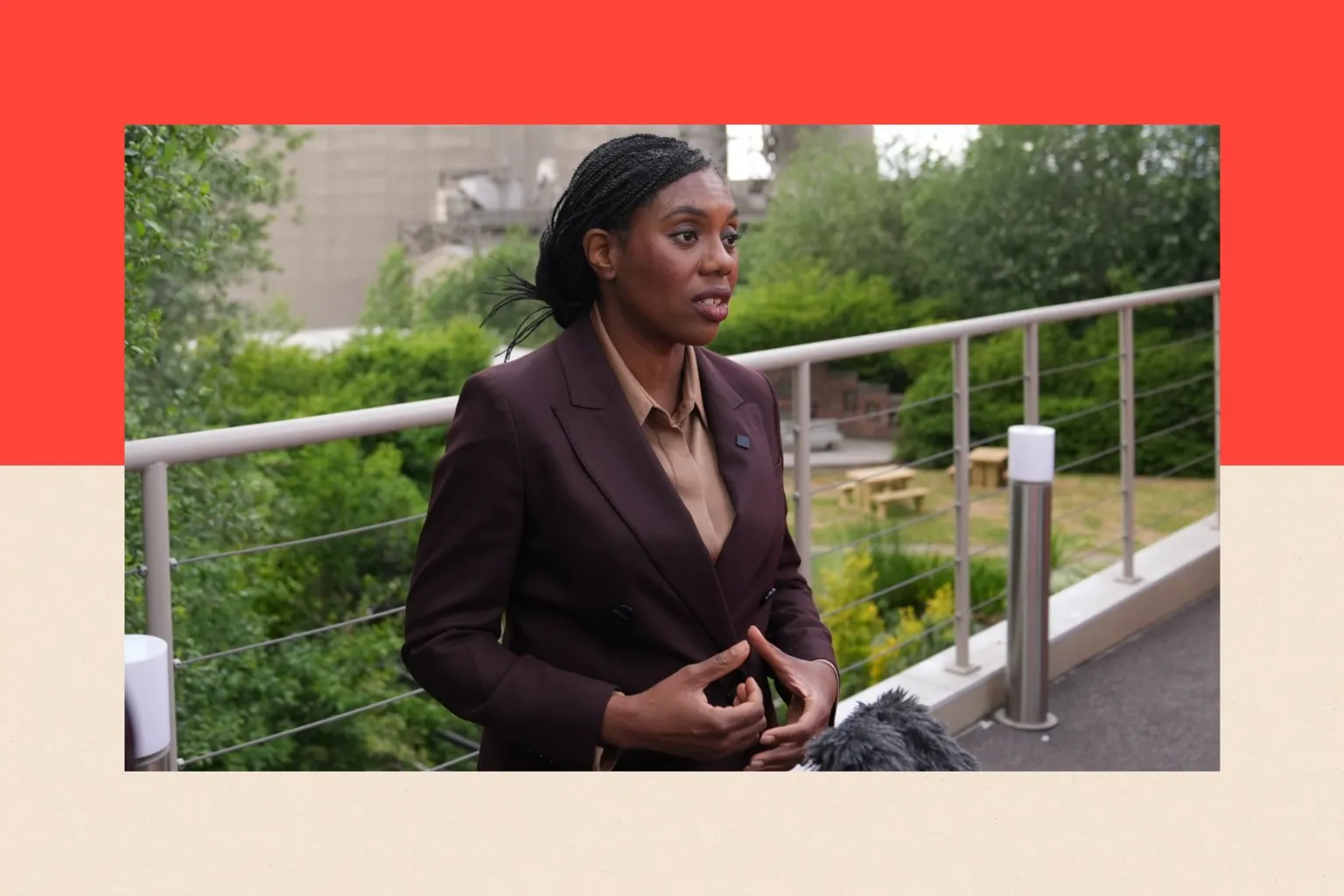
During their visit, which included meetings with Conservative leader Kemi Badenoch and an appointment at Downing Street with the prime minister, they ascended the steep steps to the crowded public gallery for a glimpse of the Commons Chamber. By chance, the leader of the Commons, Alan Campbell, and his counterpart, Jesse Norman, both paid tribute to their son and acknowledged the family's dignity.
In a profoundly sorrowful week, the family found solace in hearing their son's death calmly recognized within the nation's parliament.
Political Discord and Public Outcry
However, the atmosphere was starkly different the previous day. The family was, fortunately, not present to witness the heated exchanges marked by calls to "condemn it," shouts of "shame," and jeers during a parliamentary session on Wednesday.
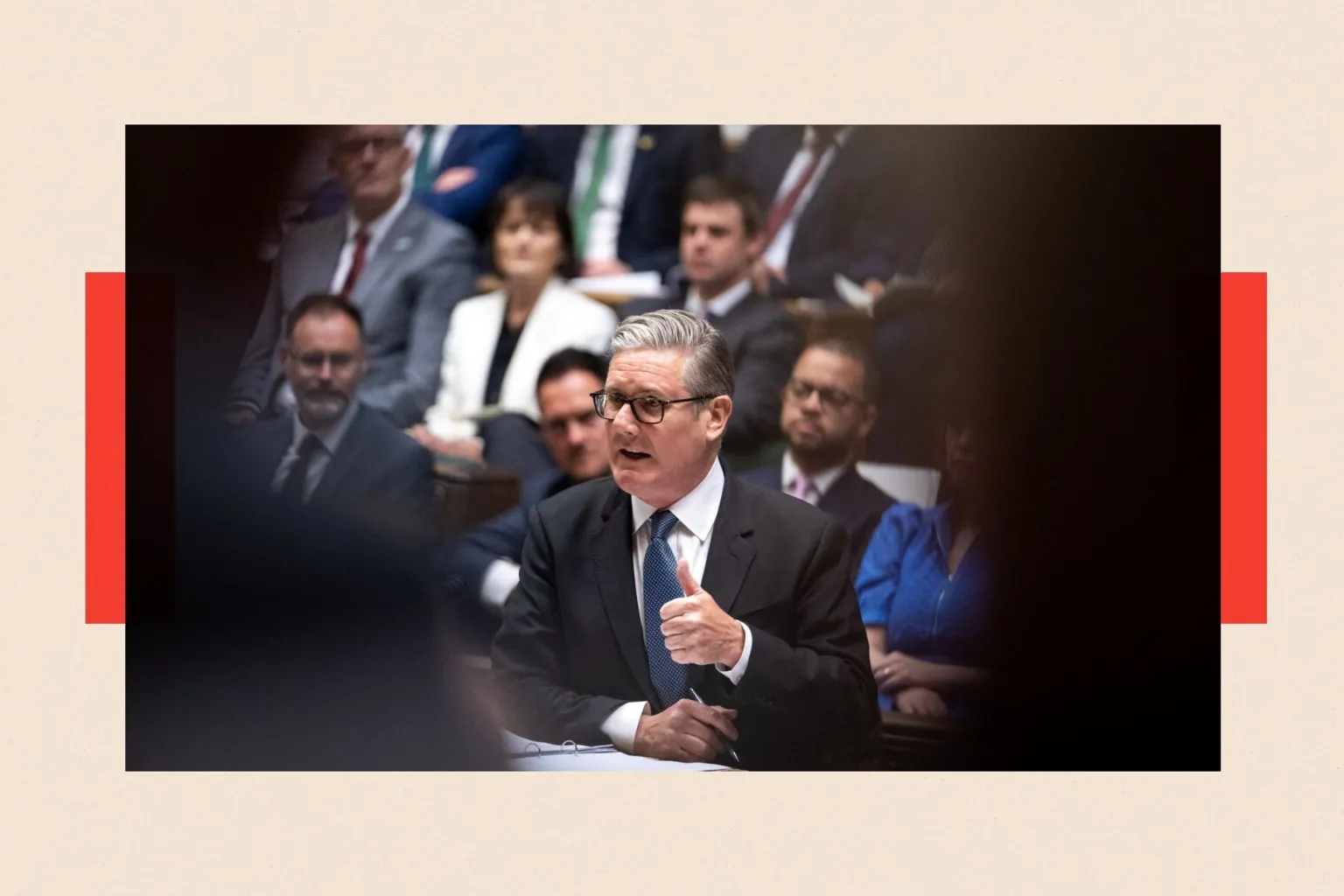
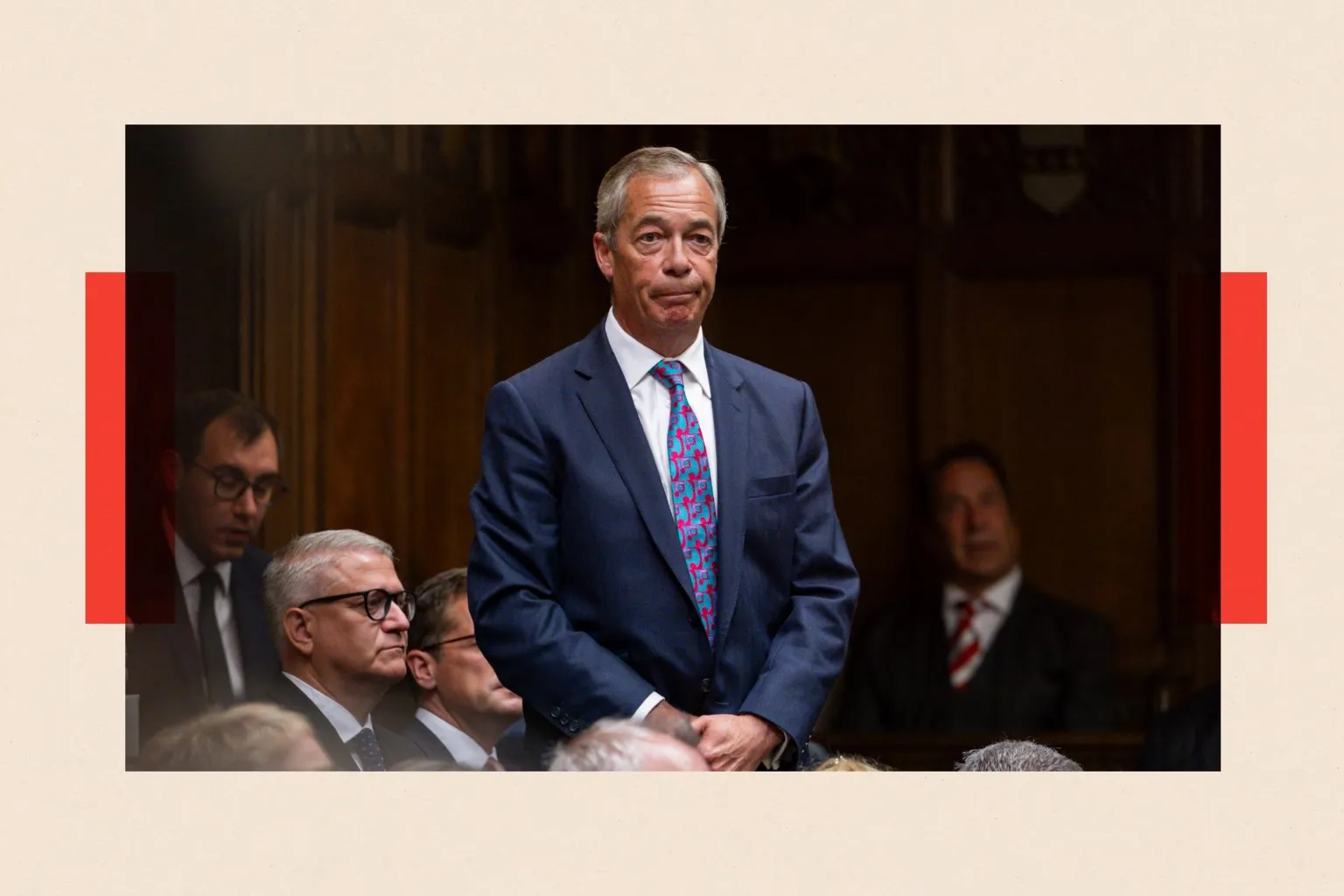
Members of Parliament criticized Reform leader Nigel Farage as he reiterated his claim that "growing millions" in the UK believe in a so-called "two-tier policing" system. This system suggests that police are more lenient towards ethnic minorities than white people, allegedly to avoid racial tensions or accusations of prejudice. Farage warned that the anger witnessed "spilling out" in Southampton risked worsening if public trust in the police eroded further.
Donna Jones, Hampshire's Conservative police commissioner who has supported Nowak's parents, described Farage's remarks as irresponsible, stating they would deepen divisions on Britain's streets. She emphasized that the Nowak family had called for calm reflection and had asked her to convey this message.
International Involvement and Political Fallout
This weekend, to the dismay of Downing Street, even the Vice President of the United States became involved. The political debate has escalated far beyond the tragedy of one family, exposing a new fault line in British politics that now includes the Trump administration.
Claims of "two-tier" policing, which critics of the prime minister have mockingly dubbed "two-tier Keir," began circulating in mainstream politics in the summer of 2024. Although the phrase had been used previously by far-right activist Stephen Yaxley Lennon (Tommy Robinson), it gained renewed attention.
Background: The 2024 Protests and Unrest
Two years prior, violent protests erupted across England and Northern Ireland following fatal stabbings at a children's dance class in Southport on 29 July. Misinformation on social media falsely claimed the suspect was an illegal migrant. The identity of the girls' killer was only revealed on 1 August.
The public's grief and the digital uproar led to clashes with police, attacks on mosques and asylum hotels, and over 1,800 arrests. Suspects were expedited through the courts.
Sir Keir Starmer, then the new prime minister, sought to assert his authority swiftly. However, accusations arose that rioters, predominantly white, were treated more harshly than participants in other recent demonstrations. The early release of some offenders due to prison overcrowding further complicated public perception.
Police rejected claims of unfair treatment, and an independent committee of MPs later found no evidence supporting the "two-tier" policing allegation, reporting that the response was appropriate given the seriousness of the disorder. Nevertheless, the idea gained traction, partly fueled by online usage of the prime minister's unflattering nickname, popularized by Elon Musk, owner of a major social media platform.
Renewed Focus on Grooming Gangs and Political Pressure
At the start of 2025, concerns resurfaced regarding gangs of South Asian or British Pakistani men abusing young girls in British towns, as seen in Rochdale, Rotherham, and Telford. Oldham Council's request for a new inquiry into "grooming gangs" was denied.
Following media reports, opposition politicians pressed the prime minister for a national inquiry. Elon Musk again intervened with extraordinary accusations against the prime minister and minister Jess Phillips, reviving the "two-tier Keir" nickname.
Unlike the unproven claims about the 2024 protests, there is documented evidence that investigations into grooming gangs, mainly involving Pakistani men, were hindered by concerns over race.
Dame Louise Casey, who led the Rotherham inquiry and later reviewed the national situation, disclosed that in one case, the word "Pakistani" had been obscured with tippex, suggesting that some "do-gooders" had concealed the abusers' identities to avoid inflaming racial tensions.
It is now widely recognized across political lines that girls were severely failed, partly because authorities feared provoking community discord. Despite Keir Starmer's record of prosecuting abusers as director of public prosecutions, critics used this controversy to argue that the authorities do not treat everyone equally, fueling the "two-tier Keir" narrative.

Statistical Overview and Police Conduct Debate
Setting aside contested claims about the 2024 protests and grooming gangs, broader statistics reveal that ethnic minorities generally face harsher treatment in the police and justice system.
Black individuals are seven times more likely to be stopped and searched than white individuals and five times more likely to experience use of force. The police have a documented history of racism, from the Stephen Lawrence murder in the 1990s to a recent undercover Panorama investigation exposing such attitudes in a London police station.
A genuine political debate exists over whether recent efforts to address these wrongs have gone too far. Ministers acknowledge that current guidance to police forces is cumbersome and requires review, while also recognizing the historical racism in policing.
The Conservatives have called for an "independent rapid review" into the circumstances surrounding Nowak's death. Shadow home secretary Chris Philp stated:
"Two-tier policing is real. It is hardcoded into policy documents, recruitment, and training".
Liberal Democrat leader Ed Davey described the killing as "an evil murder made so much worse by the police response" but cautioned against politicizing the death and dividing the country.
Some officers report feeling pressured to alter their conduct due to fears of racism allegations, as reported by journalist Sima Kotecha. However, this does not validate broad claims that the entire system is biased against white people.
Farage, US Politicians, and the Culture War
Farage, now supported by the White House, has used the case to assert a broader cultural claim that ethnic minority rights are prioritized over those of white people. He stated:
"We're living in a two-tier culture in this country where the rights and privileges of white people matter less than those of ethnic minorities."
JD Vance further claimed that Nowak's death resulted from a "mass invasion" of migrants and made dramatic remarks about the decline of European civilizations, which Farage shared online. It is unclear whether Vance is aware that Nowak's killer was British-born or that his involvement contradicts the Nowak family's wishes.
Unanswered Questions in the Nowak Case
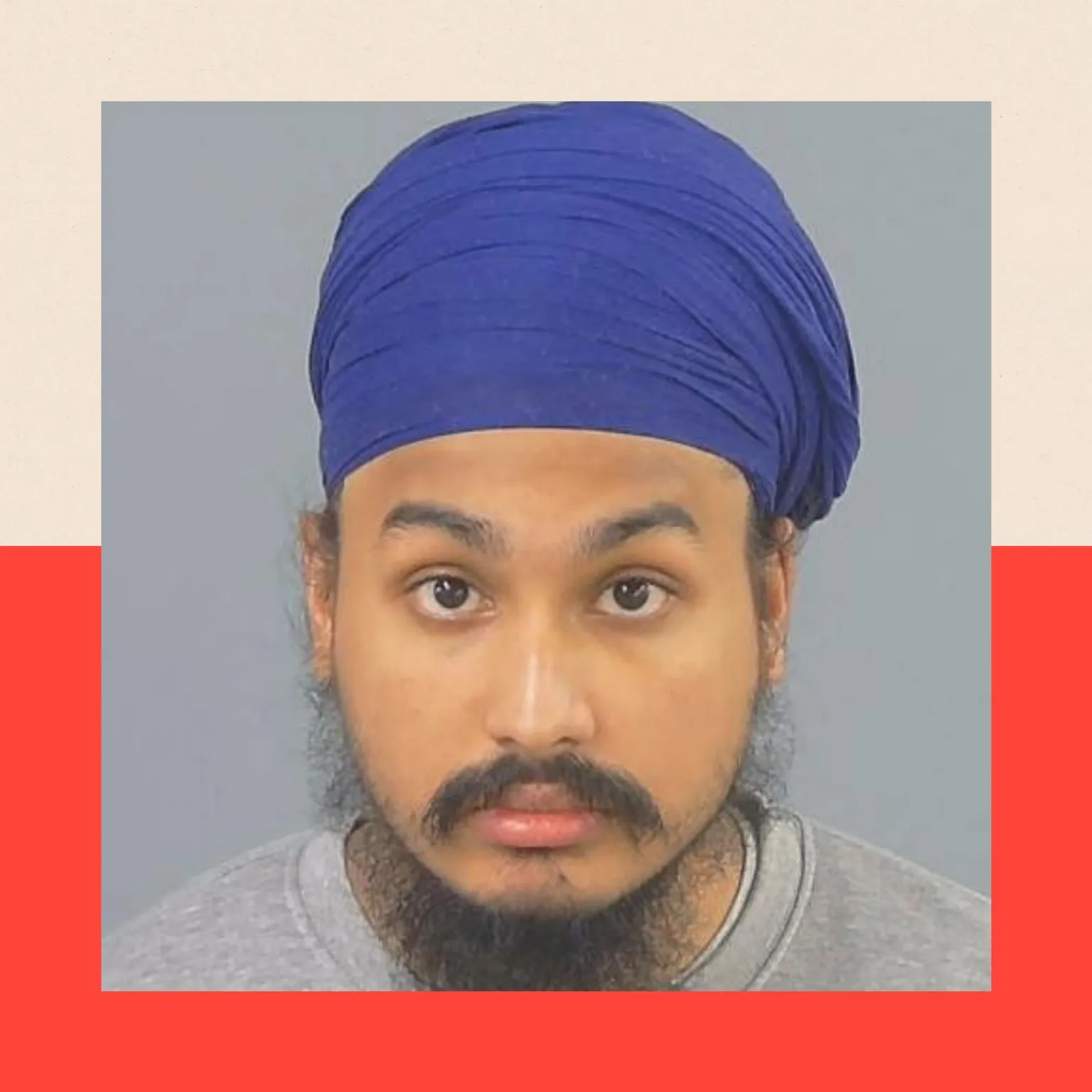
Regarding the specific tragedy, many questions remain unanswered. It is unclear why police arrested and handcuffed Nowak while he was bleeding on the ground, why they ignored his pleas that he could not breathe, and whether racial concerns influenced their treatment of Vickrum Digwa.
Until these fundamental questions are answered, no politician can conclusively use the case to prove points about policing or UK culture in 2026.
The Family's Wishes and Political Engagement
Nowak's family has expressed a desire to avoid an angry racial debate or national division. They seek answers and accountability regarding police actions, a review of Digwa's 21-year sentence, and changes to laws exempting large Sikh ceremonial knives from weapon regulations.
The family has engaged with senior politicians, including meetings with the prime minister and Kemi Badenoch, and received a condolence letter from Sir Ed Davey. Despite Farage's public references to the case, the family has not had direct contact with him.
The Broader Debate on Policing and Public Services
An important discussion is needed about modern policing, particularly whether fears of causing offense or being accused of prejudice influence behavior in public services.
Reform is actively using the Nowak case to advance their broader political arguments, aware that while many politicians and some public members reject their views, their supporters endorse them.
Polling from the turbulent summer of 2024 by research group More In Common found that only 18% of voters overall believed police treat ethnic minorities more favorably than white people. Among Reform voters, this figure rose to 47%, highlighting the appeal of Farage's message to his base.
Conclusion: A Tragedy Exploited in Political Debate
A horrific tragedy for one family is being leveraged by some politicians to incite online outrage and provoke a contentious debate about race. This exemplifies contemporary politics in the 2020s—a tragic event in Southampton has become a heated transatlantic argument about race.
Further Analysis
BBC InDepth offers comprehensive analysis and fresh perspectives challenging assumptions, with in-depth reporting on major issues. Emma Barnett and John Simpson curate thought-provoking reads and analysis every Saturday.



