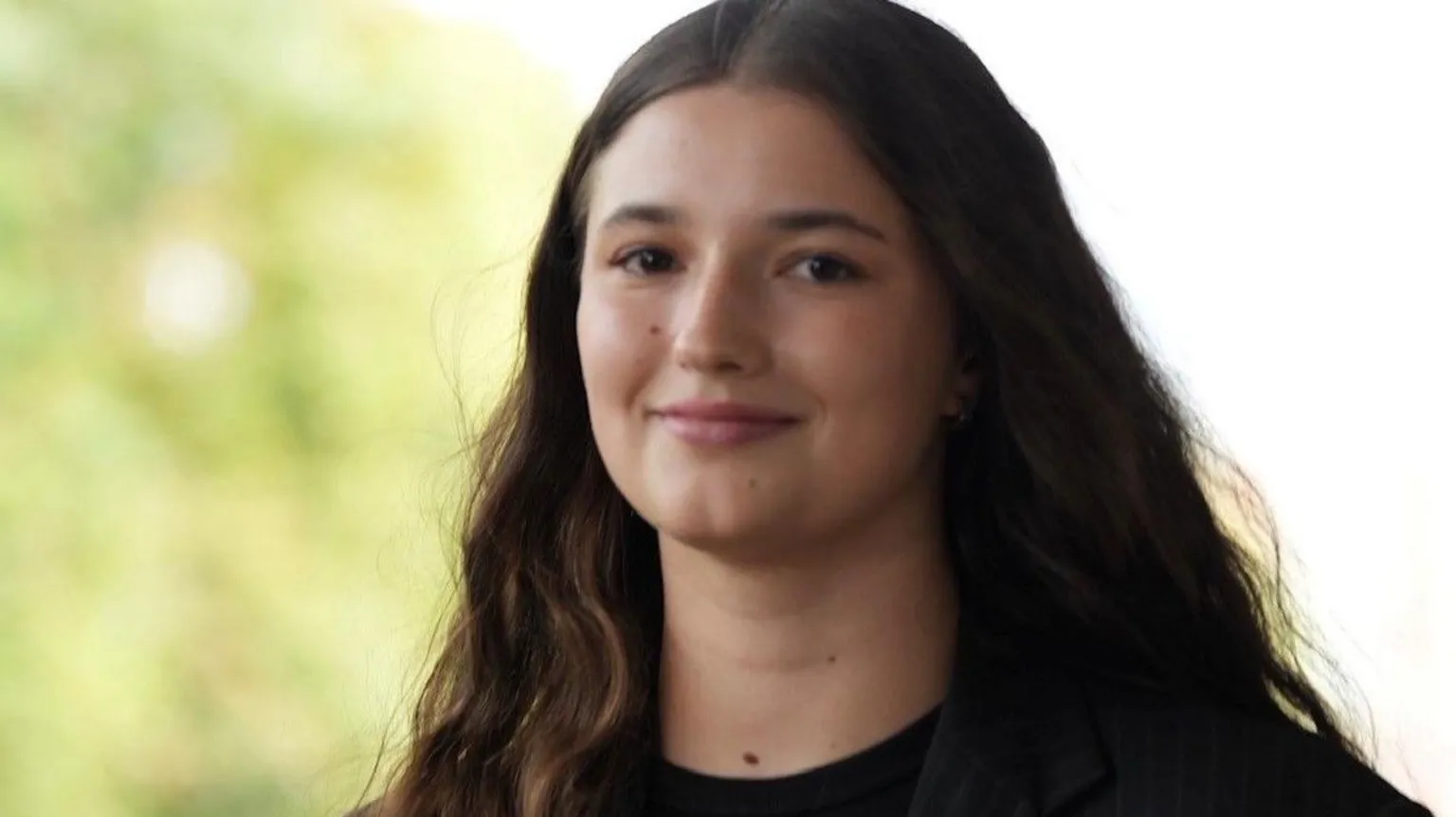
Graduate Faces Widespread Employer Ghosting After Hundreds of Applications
After submitting 400 job applications and securing only three interviews, 21-year-old graduate Karyna Lohvynenko has described her experience of being "ghosted" by numerous employers.
Karyna is currently pursuing a master's degree in governance and holds a CV featuring work with the United Nations and local councils across the UK and US.
Although she once aspired to become president of her native Ukraine, she has applied for positions in politics, business, and even entry-level barista roles, yet most employers have not responded.
The term "ghosting," commonly used in dating to describe suddenly cutting off contact, is increasingly being applied to recruitment, according to consultant Michael Jones.
In a highly competitive job market, Jones regularly encounters graduates like Karyna who have applied for hundreds of roles but receive little to no feedback, attributing this trend partly to AI screening processes that filter candidates before human review.
"If I apply to around 70 jobs per week and only hear back from three, the rest is complete silence - not even a rejection email," said Karyna, 21.
"That uncertainty is worse than rejection… it feels like a void. Like your application disappears before anyone even sees it.
"The ghosting from employers creates confusion, anxiety, and makes the whole process feel dehumanising."
She is completing her master's at Cardiff University in governance and devolution, having previously earned a degree in business and management with a law pathway from Cardiff Metropolitan University.
Alongside her academic achievements, Karyna's CV includes international policy work, volunteering, and business experience, including roles in the office of Ukraine's first lady, the United Nations, British and American councils, and as an ambassador for the King's Trust.
"I completed everything expected from a graduate… experience alone doesn't open doors," she added.
Karyna was accepted to six US universities with scholarships, but the Russian invasion of Ukraine in February 2022 altered her plans, leading her to relocate to Wales.
Despite the challenges, Karyna remains determined to find employment and acknowledges she is not alone in her struggle.
"Seeing hundreds of students - many with strong backgrounds - asking for any job was overwhelming.
"That's when it felt truly distressing," she recalled from a Cardiff University jobs fair.
Her childhood interest in politics and ambition to lead Ukraine remain strong.
"That goal has never left me," she said.
Currently, her priority is to secure an initial position in the workforce.
Since late February, Karyna has been applying daily, often submitting around 20 applications each day while balancing her studies, work, and managing a small business upcycling vintage blazers.
She has abandoned hopes for a "dream job" and is open to any type of work, yet has faced rejection for roles spanning politics, business, and entry-level barista positions.
"I know I will succeed. This is just a difficult phase, one that's largely outside my control.
"For now, all I can do is keep applying until someone sees my potential."

Rising Unemployment and Challenges for Young Job Seekers
Data from the Office for National Statistics (ONS) released earlier this year indicated that UK unemployment rose to its highest level in nearly five years, reaching 5.2% in the three months to December 2025.
Youth unemployment has been particularly affected, with the rate among 16 to 24-year-olds climbing to 16.1%, the highest in over a decade.
More recent ONS figures, published on Tuesday, showed a surprising decline in unemployment for the three months ending February 2026.
LinkedIn has reported intense competition for jobs among young people, with chief economic opportunity officer Aneesh Raman offering advice to job seekers on CV preparation.
He emphasized the importance of AI literacy—understanding what AI is and how it functions—along with showcasing interpersonal skills, highlighting achievements, and avoiding fixation on long-term career plans.
"I speak to graduates every week who've applied for hundreds of roles and are still struggling to break through and unfortunately, that's [ghosting] become the norm rather than the exception," said recruitment consultant Michael Jones.
"The reality is that entry level roles are massively overd right now, and even strong graduates are getting lost in the volume."
Jones explained that many applications never reach a human reviewer.
"When candidates say it feels like their CV disappears into a void, I completely understand that frustration as we see many applications never reaching a human," he said.
"Not hearing back is incredibly disheartening, but in most cases it's down to automated systems and sheer applicant numbers, not a lack of ability or effort."

Impact of AI Screening on Recruitment
Jones noted that automated hiring systems are increasingly influencing applicant outcomes.
"We're seeing a growing reliance on AI screening and one-way video interviews, particularly at the early stages, and that can feel very impersonal for candidates.
"The danger is that AI looks for patterns, not potential. If your experience or communication style doesn't match what the system expects, you can be filtered out before anyone actually meets you."
Karyna has encountered this firsthand during AI-led interviews.
"You're essentially speaking to a screen, like a chatbot interface," she explained.
"There's usually a strict time cap… which is not enough to explain your full experience.
"You feel cut off before you can properly present yourself."