

Economic Impact of Middle East Conflict on Fuel Prices
Motorists have observed a significant economic consequence of the ongoing conflict in the Middle East: rapid increases in petrol and diesel prices. Approximately 20% of the global oil trade, which is the raw material for producing petrol and diesel, has been disrupted due to the closure of the Strait of Hormuz.
However, closures closer to the UK have also drawn attention from motorists.
Reports of Closed Petrol Pumps in Northern Ireland
Over the weekend, intermittent reports emerged of certain petrol stations in Northern Ireland having closed pumps, raising concerns about potential fuel shortages. Despite these reports, trade organizations, the RAC, and government officials have emphasized that fuel supply remains stable despite the conflict, and they advise against panic buying.
"We're aware of reports circulating about fuel availability at a small number of forecourts in Northern Ireland.
Supply is flowing normally and there is no need for any change in usual buying habits in Northern Ireland."
This statement was issued jointly by Fuels Industry UK and the Petrol Retailers Association.
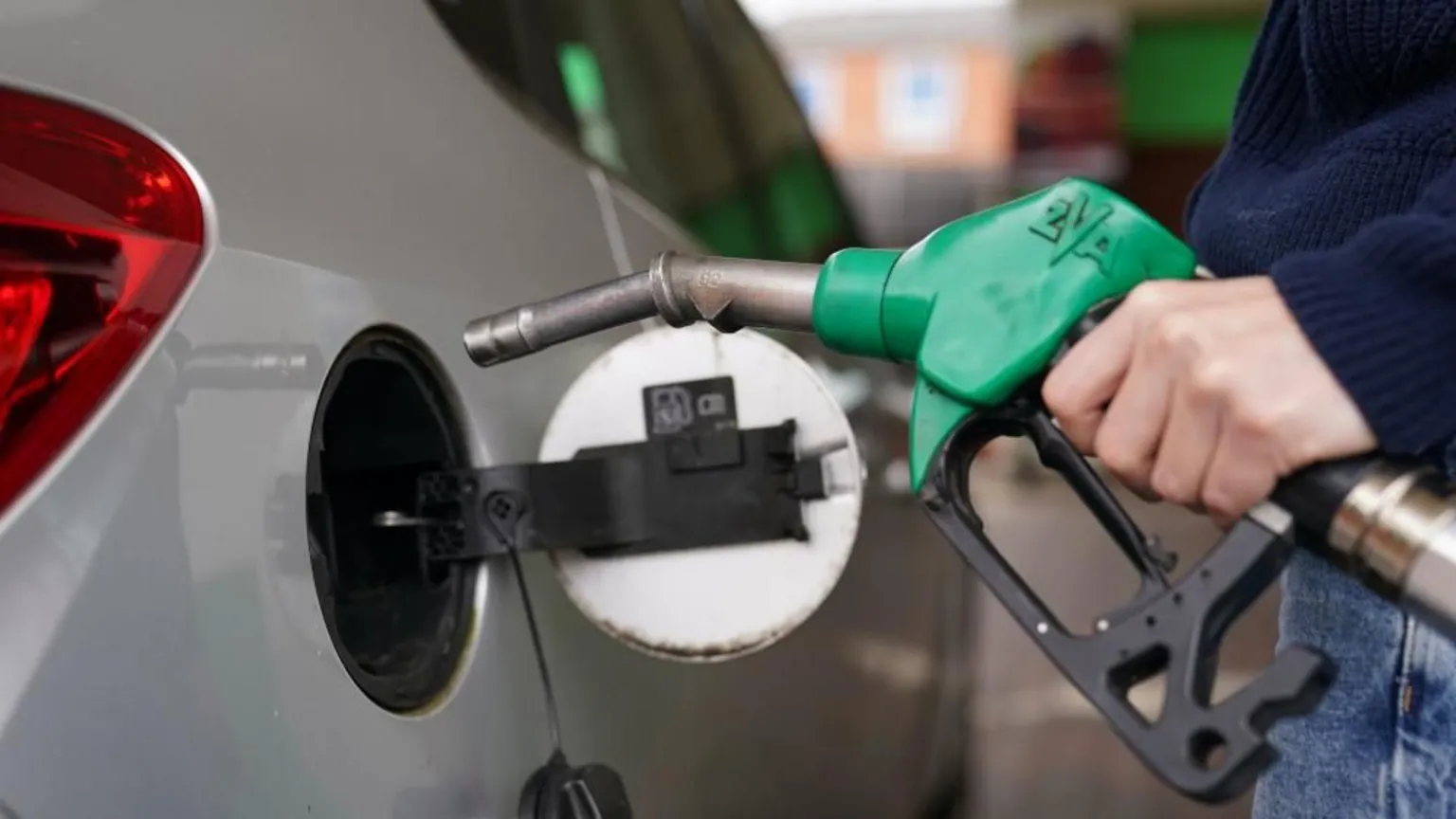
Reasons Behind Some Petrol Pumps Being Closed
Occasional pump closures, particularly in rural areas, are not uncommon even without global oil price pressures, but the current conflict is undoubtedly affecting the fuel market. While there is no nationwide shortage of petrol or diesel, some local challenges exist as certain retailers face difficulties in securing deliveries.
Local shortages have also been influenced by consumer behavior. As fuel prices continue to rise, motorists tend to flock to stations offering lower prices, which can lead to rapid depletion of fuel at those locations until the next delivery arrives.

There have been anecdotal reports that some supermarket-linked petrol stations have been slower to increase their fuel prices. This may explain why some pumps at Sainsbury's and Tesco forecourts were temporarily closed over the weekend.
A source familiar with the UK wholesale fuel market informed NI that sufficient supply remains available for retailers to purchase. However, the source noted that the decision by supermarkets not to raise prices promptly is a separate matter.
Current Petrol and Diesel Prices
According to the Consumer Council for Northern Ireland's weekly fuel price checker, the average price for one litre of petrol was 144.6p last week, marking an increase of 19.8p since 26 February. Diesel prices have risen by 37.1p since the conflict began, with the average cost standing at 169.7p per litre.
Industry Perspectives and Warnings
Allan Leighton, Executive Chairman of Asda, acknowledged that his company has experienced similar issues with closed pumps at some forecourts but expects these to be resolved by the next delivery. He stated,
"Our fuel volumes are up quite significantly and clearly demand has been outstripping supply.
Supply is tight and we are all trying hard on that."
Shell Chief Executive Wael Sawan has warned that fuel shortages could occur as early as next month if disruptions to fossil fuel supplies persist.

The International Energy Agency (IEA), of which the UK is a member, has issued guidelines encouraging a global reduction in energy consumption. These recommendations include fewer car journeys and decreased electricity use in homes and offices. Some countries have already implemented rationing measures to manage their supplies.
UK's Oil Supply Sources
The UK relies heavily on oil and gas imports, with the majority coming from the United States and Norway. The global oil market price determines the cost paid by the UK. Although the UK produces oil from the North Sea, most of this output is exported for refining in other locations.


