

Incident and Initial Police Account
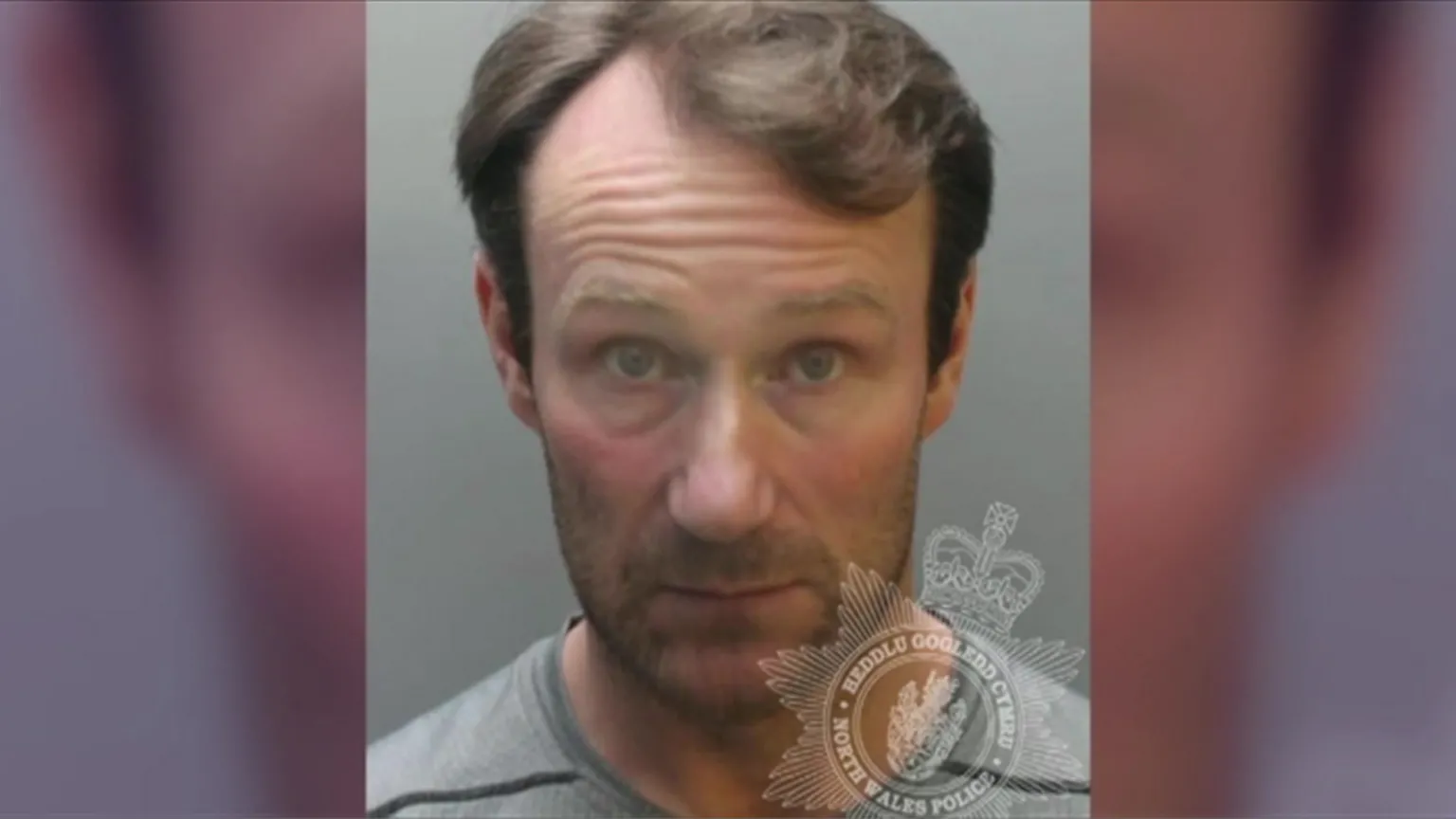
When Andrew Hamilton was discovered dead in his flat, his neighbour and former school friend Christian Williams informed police that Andrew had attacked him, and he had acted in self-defense during a struggle.
"His T-shirt, jeans, trainers were absolutely covered in blood. They were soaked, wet through,"
said former Detective Superintendent Iestyn Davies.
Williams contacted police on 18 July 2018. Officers found Andrew lying on the hallway floor of his Bagillt, Flintshire flat, with multiple cuts and bruises.
During police questioning, Williams claimed he had assisted Andrew back into his flat after drinking, only to be attacked inside, resulting in Andrew’s death being accidental.
However, forensic evidence presented in a documentary later revealed that Williams’ account was fabricated to conceal the brutal reality.
This story contains graphic descriptions of death and violence that may be distressing to some readers.
Background of the Neighbours
Williams, aged 44, lived in a ground-floor flat, while Andrew, 42, was his upstairs neighbour. They were old schoolmates with no known history of conflict.
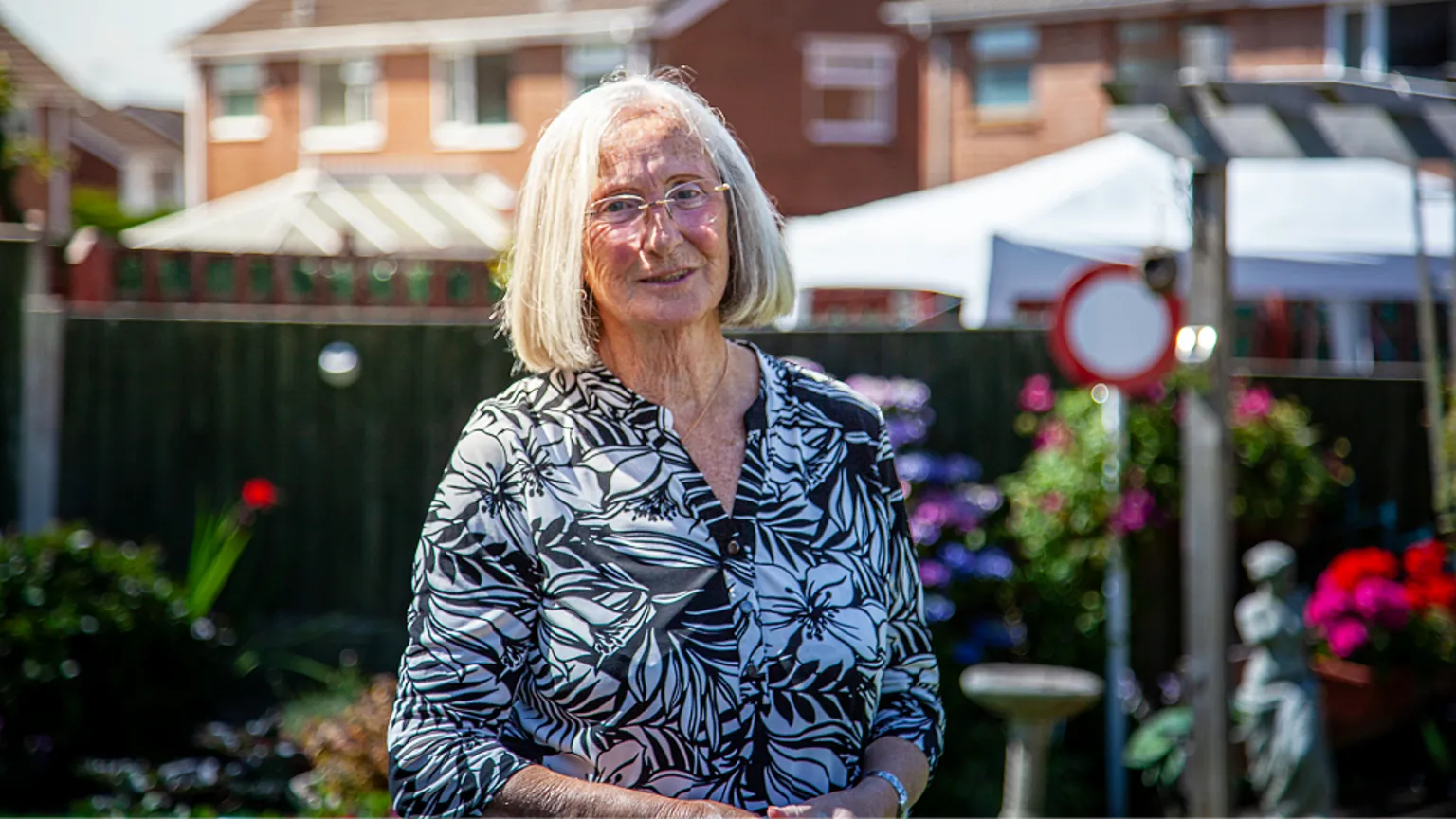
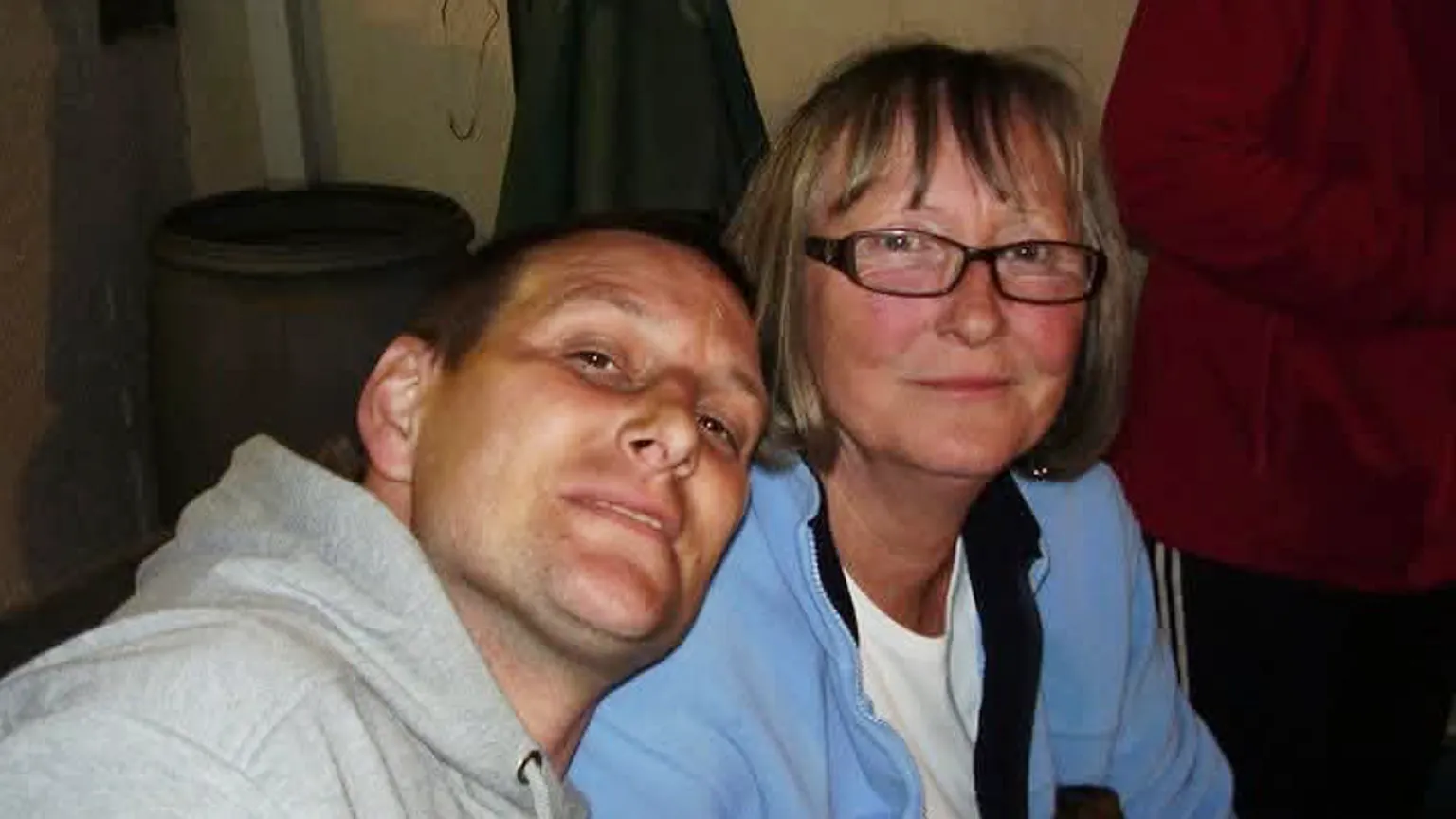
Margaret Owen, Andrew’s mother, was awakened at 1:30 a.m. by a knock on her bedroom window.
"Two policemen were there. I knew it was Andrew. You hope against hope they're going to tell me he's in hospital."
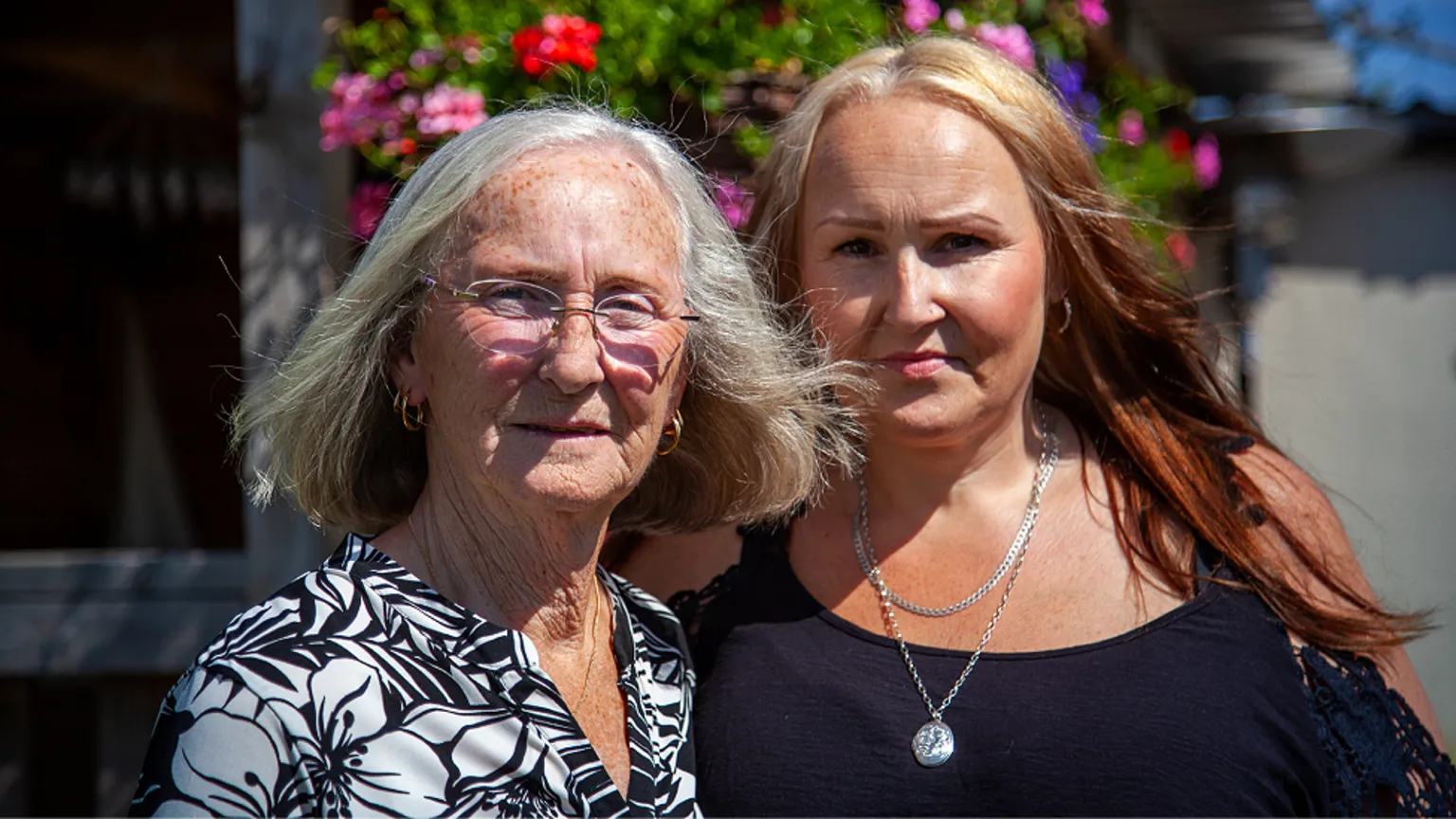
Margaret then went to her daughter Nicola’s home to inform her of Andrew’s death. It was not until the afternoon that they learned an arrest had been made for the murder.
She told the BBC One Wales series The Truth About My Murder:
"It was like another stab. Who would do that? Who would do it in Bagillt? It's a village."
Media and Police Perspectives
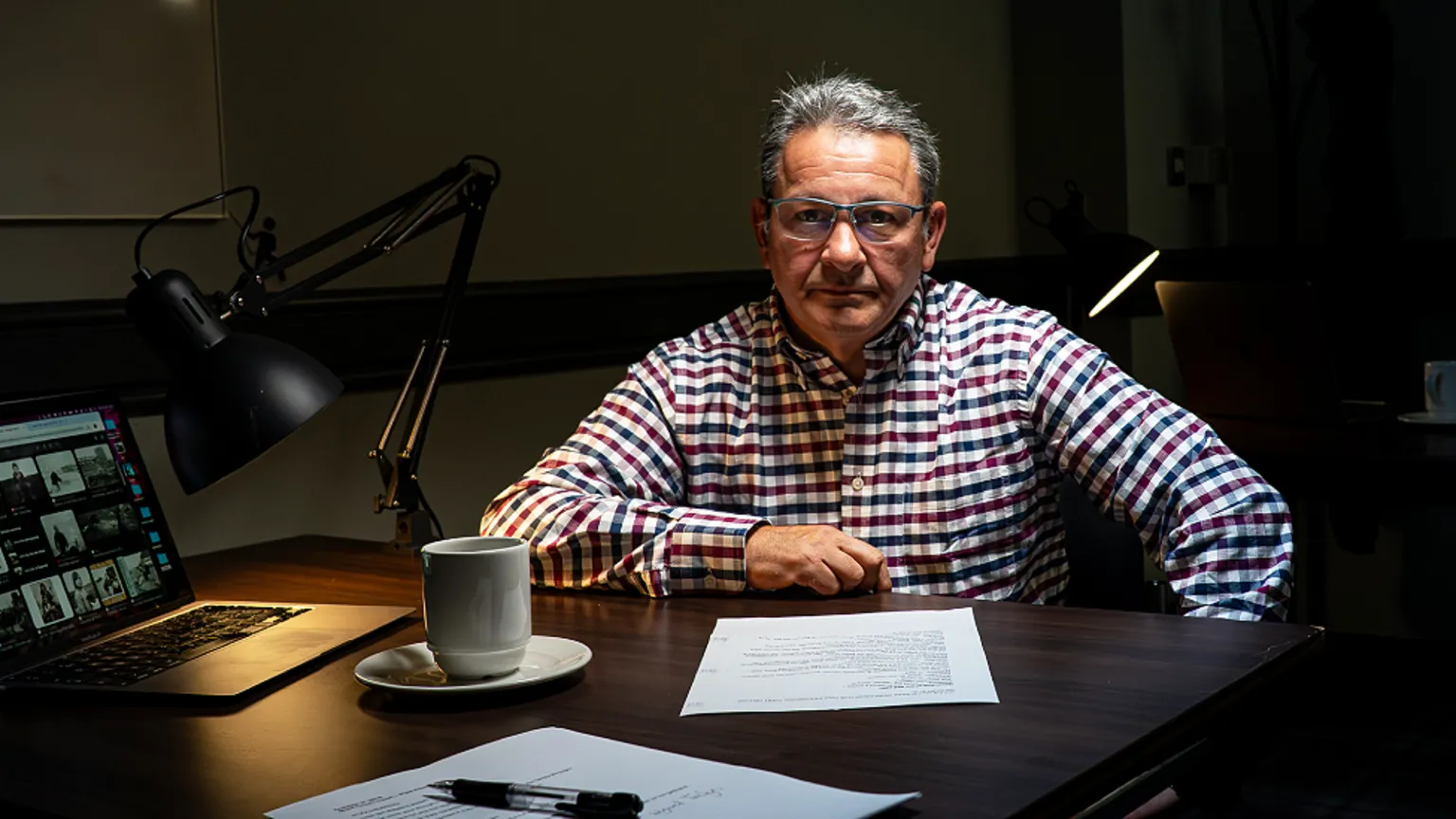
Jez Hemming, who reported on the case for the Daily Post newspaper in North Wales, recalled conversations with police sources.
"I remember one conversation I had with a contact within the police who basically said 'it's horrific. You actually wouldn't believe the detail of it when you see it'.
"And I have to say it turned out not to be hyperbole. It was really the case."
Williams provided police with a detailed narrative of the night’s events.
He stated that he had seen Andrew and his girlfriend arguing in the car park of the flats after returning from purchasing a bottle of wine.
Andrew, who struggled with drug use, wanted his girlfriend to drive him to a dealer, but she refused.
Williams said he intervened by giving them his bottle of wine, then returned to the off-licence for another bottle.
Upon his return, the couple remained in the car park. Williams helped Andrew, who had been drinking, back to his flat after the girlfriend left, only for Andrew to allegedly attack him inside.
Williams claimed he had to defend himself, resulting in Andrew’s death during the struggle.
Forensic Evidence Contradicts Self-Defense Claim
The condition of Andrew’s body contradicted Williams’ version of events.
Andrew sustained 95 separate injuries, including severe head trauma down to the bone. He was so badly beaten that identification was only possible through dental records.
Former Home Office forensic pathologist Dr Richard Shepherd noted that the bruising was extensive enough to have affected Andrew’s internal organs.
"One of his eyes had been severely damaged, with the cornea cut. It was a vicious and brutal injury,"
Dr Shepherd explained.
The severity of the injuries made it difficult to determine the exact cause of death.
This was evident when Nicola visited Andrew’s body.
"I knew it was bad because of how little we could see of him. It was this bit [the centre] of his face and the rest of him was bandaged.
"We couldn't touch him. He was behind glass. We didn't even get to say goodbye to him."
Investigation into the Past and Motive
Police sought to determine if the injuries could have resulted from self-defense and examined the histories of both men.
Davies described Andrew as having a history of arrests but not as a major figure in criminal activity.
Andrew had struggled with drug addiction and had drugs and alcohol in his system at the time of death.
Williams did not fit the profile of a violent offender.

"We spoke to people at the flat, who knew him. They described him as a very polite individual and an intelligent person."
Williams had attended Liverpool University as a mature student, studying engineering. Hemming described him as a generally quiet, possibly shy individual.
After completing his degree, Williams returned to Bagillt and worked part-time in construction and at a pub.
"We couldn't identify a motive in this case. There was no previous bad feeling."
Forensics determined the confrontation began in the bedroom and moved into the hallway.
Blood spatter on the wall indicated Andrew was still alive while lying on the floor and had been severely injured for much of the attack, according to Dr Shepherd.
At the scene, police recovered a knife, a damaged saucepan with a bloodstained handle, and remnants of a bottle of gin.
"The neck of the bottle was covered in blood,"
Davies said.
The knife matched cuts on Andrew’s body and caused approximately 25 injuries. Pathology confirmed the saucepan inflicted bruising and was used with such force that its handle broke.
The broken handle may have caused the severe eye injury, while jagged cuts on Andrew’s arms, legs, and neck were consistent with wounds from the broken bottle.
Williams’ claim of self-defense was inconsistent with the evidence.
"The use of three different weapons wasn't consistent with a frantic fight for survival when the only injury to Williams was a cut to his hand,"
Dr Shepherd stated.
Andrew’s Personal Struggles and Family Impact
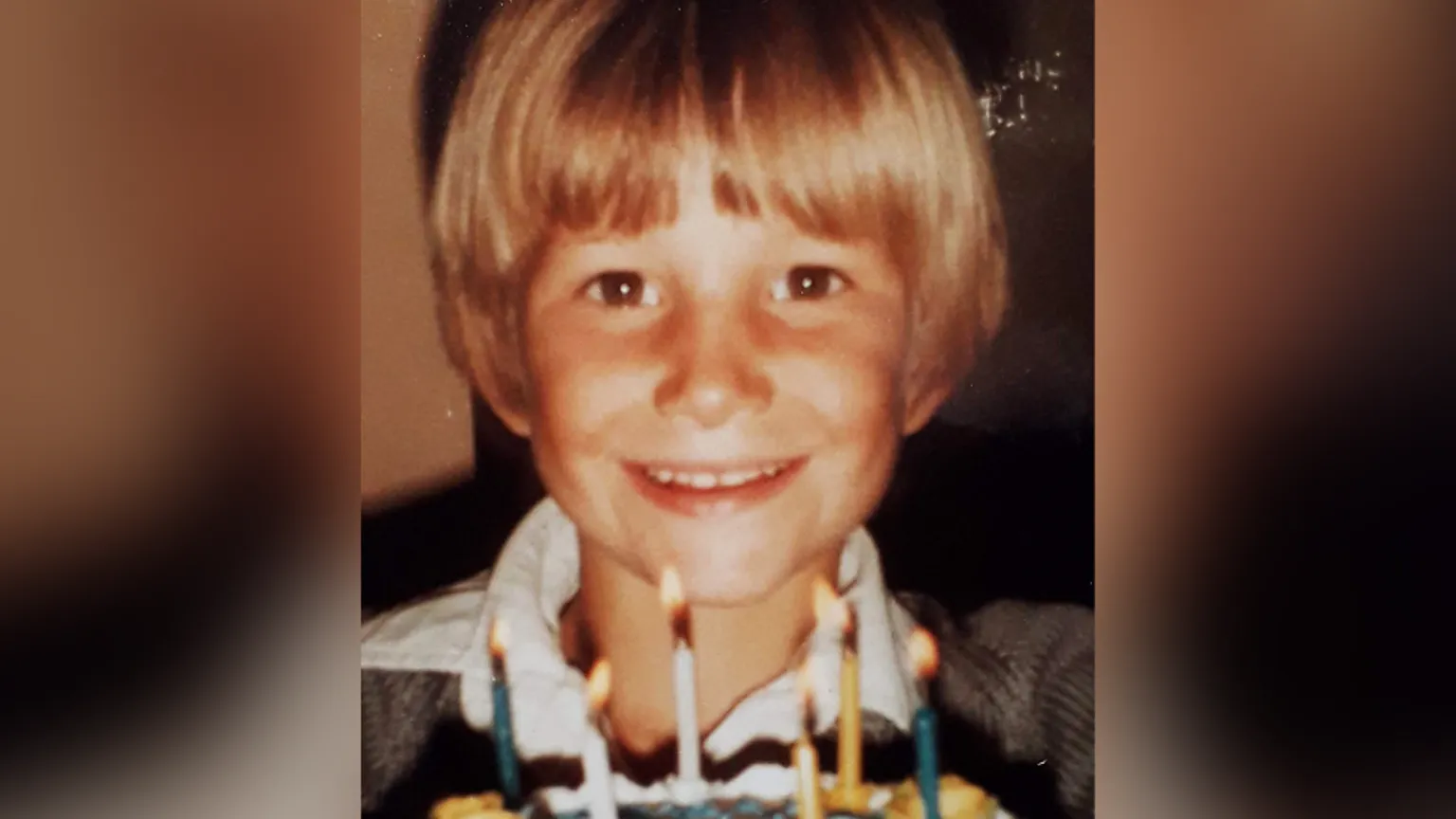
Andrew was one of four siblings and father to three sons. He had battled drug addiction, including heroin, for much of his life.
Nicola attempted to shield their mother Margaret from the full extent of Andrew’s struggles.
"I didn't want my mum seeing Andy in some of the states that I'd seen him... I just don't think she ever knew how bad things got for him."
Andrew had made multiple attempts to overcome his addiction and entered rehabilitation around his 40th birthday, which Nicola hoped would mark a turning point.
Davies noted the stigma often associated with victims who use drugs, cautioning against assumptions that they deserved their fate.
"You can't think that way when you're a professional organisation like the police investigating a murder."
The portrayal of Andrew as a drug-fueled aggressor did not align with the injury patterns.
The wounds on his arms and hands suggested defensive actions, and the sheer number of injuries indicated "overkill."
Forensic psychologist Dr Catrin Williams explained:
"It's usually that somebody has lost control of their behaviour and hasn't been able to cope with their emotions which has led to this frenzied attack."
Trial and Conviction
Police and prosecutors concurred with the assessment of a frenzied attack. At trial, jurors heard detailed accounts of Andrew’s death.
As Andrew lay severely injured on the hallway floor, Williams cut his throat so deeply that Andrew bled to death within seconds.
On 31 January 2019, Williams was convicted of murder and sentenced to life imprisonment with a minimum term of 23 years.
The motive behind the frenzied killing remains unknown, with the judge stating:
"What caused you to lose your temper, only you know."
Following the trial, Hemming received a disturbing video indicating Williams had exhibited signs of concealed rage prior to the murder.
The footage, recorded years earlier by a fellow student in a Liverpool bar, showed Williams reacting violently after believing people were mocking him.
He was restrained while shouting:
"I'll kill you. I'll eat you."
Hemming commented:
"He absolutely flipped into a deranged state."
Williams’ appearance belied the violent nature of his actions.
Hemming observed during the court proceedings:
"He was just your average guy, dressed in average clothes, of average build with an average haircut."


