

Autopsy Reveals Distressing Condition of Ronald Parkin's Body
Warning - this article contains a graphic description of a deceased body.
The words from Ronald Parkin's autopsy report have left a lasting impact on his family. The report states:
"There were signs of decomposition present... maggots were seen crawling on his body."
Ronald died suddenly on 19 August last year due to heart disease. His family wished to view his body to say a final farewell, but were unable to do so immediately as his body awaited an autopsy.
On 1 September, after Ronald's body was transferred to the Queen's Medical Centre (QMC) in Nottingham, the family contacted the funeral director. They were informed that Ronald's body had changed "considerably," leading them to decide against viewing him.
The autopsy was conducted four days later, and the funeral took place on 24 September. It was only on 23 October, nearly a month later, that the family discovered the full extent of the body's deterioration upon reading the autopsy report.
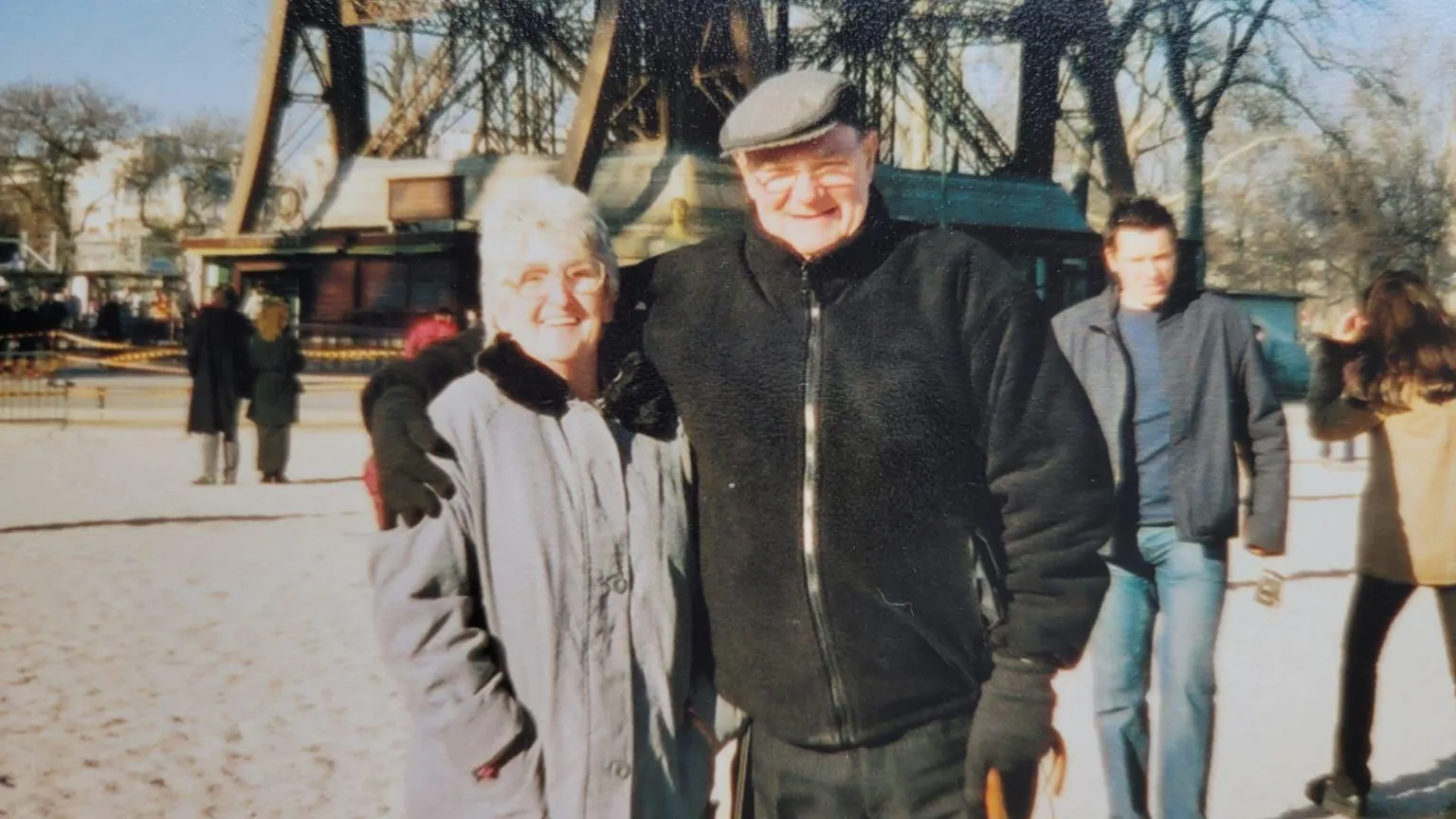
Ronald's daughter, Caroline Parkin, expressed her distress:
"Once I got the email through with the report and I was just looking through it, I was absolutely heartbroken, shocked. It was unbelievable what I was reading about the state of my dad's body."
The family began seeking answers and aimed to raise awareness about the condition of Ronald's body. They contend that the lack of regulation in the funeral industry has left them with unanswered questions and limited avenues to pursue the truth.
Since raising their concerns, Ronald's wife Patricia passed away on 3 February without ever knowing how her husband's body reached such an advanced state of decomposition.
Concerns Over Body Storage and Funeral Industry Regulation
Caroline stated that a hospital staff member, where the autopsy took place, suggested that Ronald's body may not have been stored in the appropriate environment.
The funeral director, District and County Independent Funeral Service in Rainworth, Nottinghamshire, denies any wrongdoing.
The British Institute of Embalmers, established in 1927 to support embalming practices, told the BBC that various factors, including the interval between death and issuance of a death certificate, could explain the body's deterioration.
Events Surrounding Ronald’s Death
Caroline recalled receiving a call from her niece reporting that Ronald, a former miner, had collapsed at his Nottinghamshire home. Upon arrival, she found her niece and partner performing CPR before paramedics arrived.
Despite their efforts, Ronald was pronounced dead that afternoon. His body was collected by the funeral director that evening.
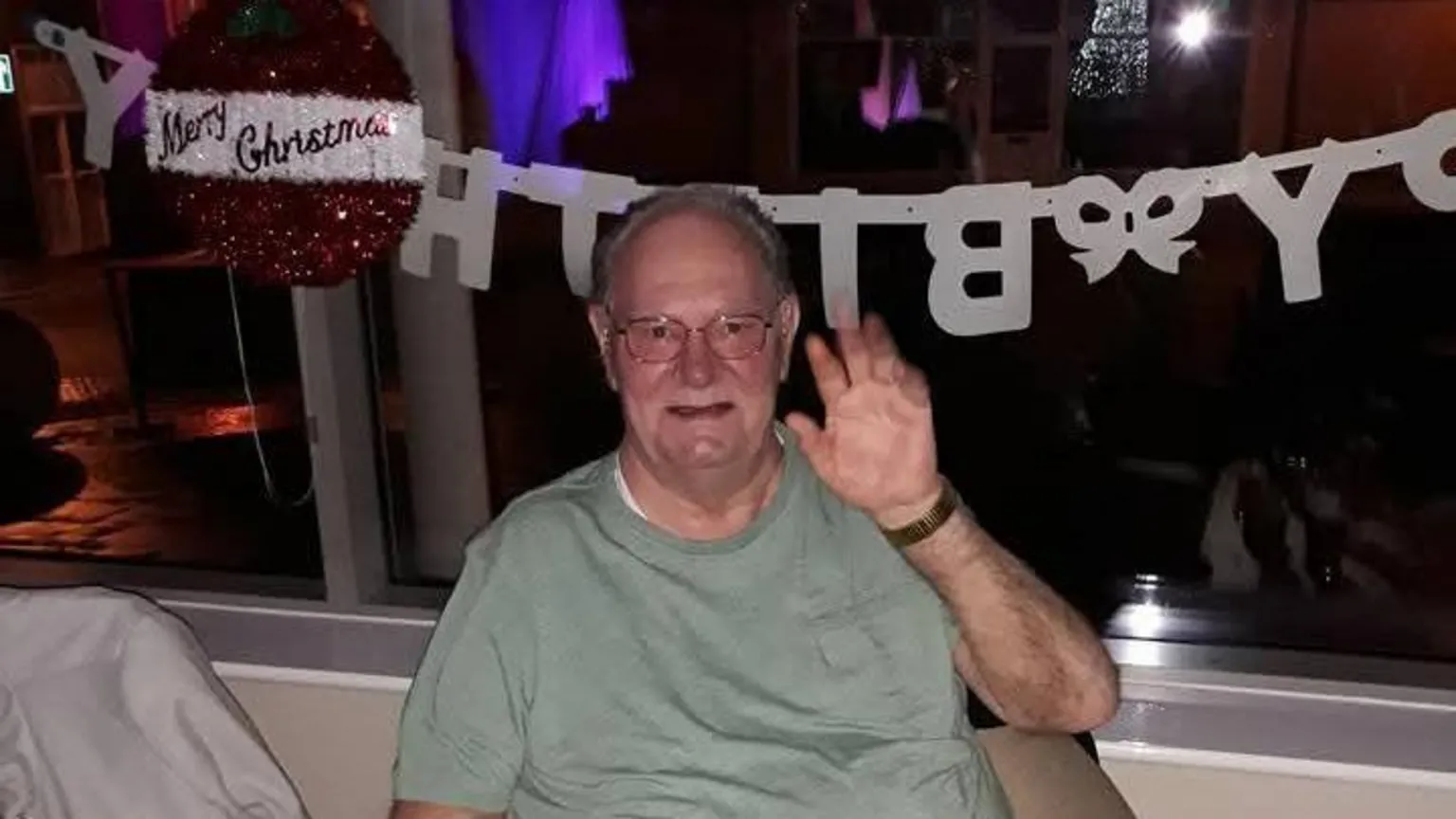
Caroline described her father as:
"He was so kind, so caring, he just adored family, his whole life was about his family. He was our king. He was our king and we miss him so much."
Details from the Autopsy Report
The coroner's office contacted Caroline to confirm Ronald's cause of death and offered a copy of the autopsy report. This medical document, prepared by a pathologist for the coroner, outlines the cause and manner of death, internal findings, diseases, and injuries.
Under the "external examination" section, the report detailed Ronald's height, weight, and body condition. It stated:
"There were signs of decomposition present... maggots were seen crawling on his body."
Caroline contacted the coroner to inquire if this was normal and was told it was not. She was advised to speak with the chapel of rest at QMC, where Ronald's body was taken for autopsy.
She then spoke with a chapel of rest staff member who said:
"[It] should not have been the state of dad's body when he arrived had he been kept in the correct environment."
The staff member also informed Caroline that he had emailed the coroner expressing his disgust at how Ronald's body was received.
The BBC reviewed an email from Nottingham University Hospitals NHS Trust, which operates QMC, to the coroner describing Ronald as "very green and bloated," terms referring to decomposition stages after death.
Caroline is convinced her father was not stored properly prior to autopsy:
"I'm 100% sure that he wasn't kept correctly, I've spoken to other professional bodies and they have all assured me that if dad was kept in the correct environment, he would not have deteriorated as bad as he did."

The trust confirmed it notified the Human Tissue Authority (HTA) immediately about the case. However, the HTA regulates organisations involved in tissue removal, storage, and use for research, medical treatment, and post-mortem exams, but not the funeral sector.
The coroner did not respond to BBC requests for comment.
Family Complaints and Industry Oversight
The Parkin family lodged a complaint with District and County Independent Funeral Service, which denied any wrongdoing. They also contacted the police, who concluded no crime had been committed.
Currently, funeral directors in England and Wales operate without statutory government regulation. There are no legal mandates regarding body storage conditions or qualifications required to become a funeral director.
The two main trade organisations, the National Association of Funeral Directors (NAFD) and the National Society of Allied and Independent Funeral Directors (SAIF), maintain a joint code of conduct requiring members to undergo regular inspections of premises and procedures.
Best practices recommend bodies be stored in clean, clinical environments with refrigeration units maintained between 4°C (39°F) and 7°C (44°F). However, membership in these organisations is voluntary, and the funeral director handling Ronald's case is not affiliated with either.
Both NAFD and SAIF advocate for the UK government to implement mandatory statutory regulation across the funeral industry to ensure consistent high standards.
SAIF chief executive Terry Tennens stated:
"We have spoken to the government and said, could you mandate that funeral directors belong to one or both of the two trade bodies?"
Regarding the 17-day interval between Ronald's death and autopsy, Tennens added:
"That is a long time, and that's where natural decay will occur, and that's where a family won't be able to visit a loved one. This is something that we are raising. We are saying to Westminster that we need to address these issues, there needs to be more resourcing."
Ronald's daughter-in-law, Louise Morgan, 51, said:
"As a family we are pushing for these regulations to come in sooner rather than later. We thought an occupation like that should be regulated at least and checked just to make sure that they are doing what they should be doing. We know that there are changes already being discussed, but as a family we want to say these regulations need to be done now, sooner rather than later."
Caroline concluded:
"We will never know the truth, we will never know what happened."
Funeral Director’s Response and Industry Perspectives
The BBC requested a response from District and County Independent Funeral Service regarding claims that Ronald's body was improperly stored, including questions about room temperature and its monitoring.
Owner Paul Clampett did not answer these specific questions but asserted that Ronald was kept in a temperature-controlled chapel of rest, with temperatures recorded three times daily.
Clampett noted this was the first complaint in 35 years of operation.
He cited environmental health officer visits from Mansfield District Council in May and June 2025. The reports, seen by the BBC, described the facilities as "satisfactory," with a cold room on site capable of holding four bodies.
A British Institute of Embalmers spokesperson commented on Ronald's case:
"I am not sure that the problems experienced are all the fault of the funeral director. Decomposition could have been hastened if the patient was in poor health prior to the terminal event. Decomposition could have been further advanced following the administration of resuscitation and intravenous medication. There was a delay between death occurring and the medical examiner and coroner deciding that an autopsy was required. Once the patient was transferred to the mortuary, there was a further delay before the autopsy was performed. We do not know whether the maggots were observed when the patient was initially delivered to the mortuary for autopsy or when the patient was prepared for autopsy several days later. Is there any way to know that there wasn't another case residing in the mortuary, where there could have been insect activity? This is a very sad situation, and it is very difficult to pinpoint exactly what may have happened."
Calls for Industry Reform
Steve Yemm, Labour MP for Mansfield and the family's constituency, raised the case in Parliament, urging government action to reform funeral industry regulation.
Yemm told the Commons he was approached by Ronald's family, who informed him about the presence of maggots.
The Fuller inquiry recommended statutory regulation for the funeral sector, but the government has yet to respond.
In response, local government minister Alison McGovern stated that a decision on enhanced regulation is expected this summer.
A government spokesperson added:
"We are committed to taking action to ensure the highest standards are always met by funeral directors, and are now considering the full range of options to improve standards."

Follow BBC Nottingham on Facebook, on X, or on Instagram. Send your story ideas to eastmidsnews@bbc.co.uk or via WhatsApp on 0808 100 2210.


