
Campaign Gathers Support Against Exeter University Humanities Cuts
Leading writers, broadcasters, academics, and theologians have united to support a campaign aimed at preserving 150 jobs at the University of Exeter amid widespread concern over the diminishing presence of humanities disciplines across the sector.
More than 21,000 individuals have signed a petition opposing the proposed redundancies at Exeter, which are anticipated to disproportionately affect the humanities, arts, and social sciences—areas for which the prestigious Russell Group university is well known.
Impact on Courses and Financial Context
The University and College Union (UCU) has indicated that courses such as history, English, modern languages, and politics will endure "irreparable damage". Additionally, proposed reductions at Exeter’s Falmouth campus threaten environmental sciences.
While several universities nationwide, including Goldsmiths, Nottingham, and Sussex, are implementing significant cuts due to financial pressures, the UCU asserts that Exeter does not face a financial necessity for reductions of this magnitude. The university’s 2024/5 annual report describes the institution as experiencing "a year of continued financial stability."
Union Response and Member Sentiment
At a meeting held on Wednesday, nearly 700 Exeter UCU members voted unanimously in favor of conducting a ballot for industrial action. The atmosphere was characterized as "febrile and mutinous" but also "positive and hopeful."
Public Figures Express Concern
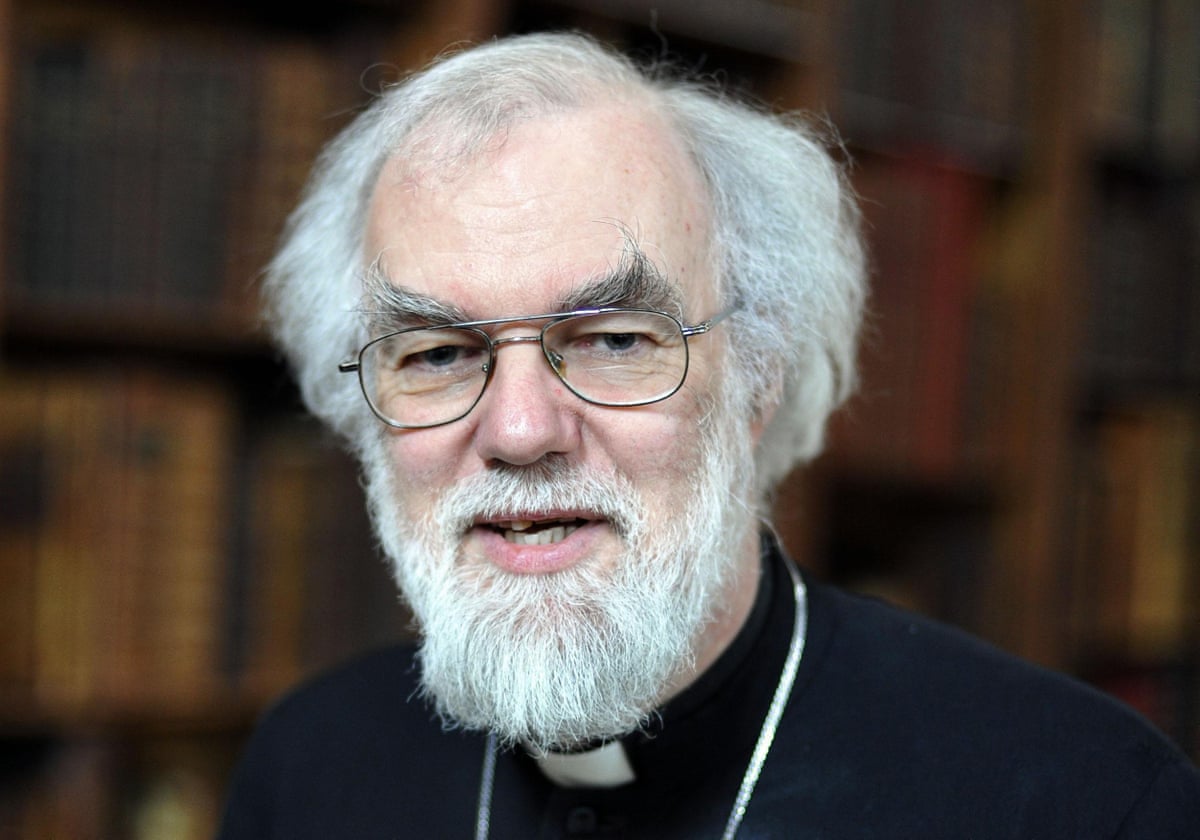
Prominent individuals who have publicly voiced their apprehension include former Conservative MP and podcast host Rory Stewart, film critic Mark Kermode, literary biographer Hermione Lee, and former Archbishop of Canterbury Rowan Williams.
“Everyone knows that the funding of higher education in this country leaves university management with deeply unpalatable choices.
But it is very worrying that arts and humanities, including religious studies, seem so often to be automatically identified as the first and softest targets.
Is the sector really committed to sustaining anything like a full humanistic and cultural education? Because this is not a luxury in a climate of polarised and historically myopic conflict.”
Williams received his first honorary degree from Exeter 25 years ago.
Economic Concerns and Regional Impact
Local businesses have also cautioned about the economic repercussions of the cuts on Exeter and the surrounding region. They noted in an open letter that "fewer students, and a diminished offer, means real consequences for the trade we all depend on."
Statements from Supporters
Mark Kermode, an honorary professor at Exeter University residing in the southwest, stated:
“The creative arts are so important in the south-west. These cuts are really ill thought out and they threaten the very things that make me proud of Exeter. Please think again. This is a terrible mistake.”
Public historian, author, and creator of the "You’re Dead to Me" podcast Greg Jenner commented:
“The crisis in UK higher education is worsening week by week – Exeter University is one of the best in the UK … but it’s planning massive job cuts in History, Archaeology, Classics.”
“The arts and humanities are fundamental to the flourishing of our society; knowledge gathering, critical thinking and creativity should be defended as sacred things.”
Hermione Lee, emeritus professor of English literature at the University of Oxford, warned:
“The cuts would set a savage and alarming precedent for the dismantling of disciplines, which matter profoundly and vitally to the welfare and future of the country.”
“If the leaders of Exeter University carry through these cuts, others will follow. This is not only a local or regional issue. All who value the humanities and their value to the nation should join in protest.”
Rory Stewart added:
“Worrying from Exeter – the University it seems planning to slash humanities teaching while telling colleagues it is ‘in line with the government’s industrial strategy’.”
University Response and Sector Context
A spokesperson for the University of Exeter stated that the institution is consulting on "limited and specific potential changes," driven by shifts in demand or "where current activities are no longer sustainable," and expressed hope to avoid compulsory redundancies wherever possible.
“While Exeter remains in a strong position, rising costs, the real-terms decline in tuition fee income, underfunded research and a sustained drop in international student demand mean we must take action now.”
Nick Hillman, director of the Higher Education Policy Institute, remarked:
“While it is always a tragedy, with real human impact, when courses close, it would be irresponsible of managers and governors to ignore changes in demand for different courses.”


