

Unprecedented Delays in Employment Tribunal Cases
In England and Wales, employment tribunal service delays have reached unprecedented levels, resulting in individuals bringing unfair dismissal claims waiting up to five years for their cases to be heard.
Legal experts emphasize the need for radical reforms to ensure justice for both claimants and employers.
Case of Catriona Ball and Her Late Husband Lewis
One affected individual is Catriona Ball, whose husband Lewis died in 2024, just weeks after resigning from a job he believed was adversely affecting his health.
Following his death, Catriona filed a claim at the Employment Tribunal alleging constructive unfair dismissal and failure to make reasonable adjustments for disability. The former employer is contesting the claim.
This account focuses not on the dispute's merits but on the extensive time required to resolve the case.
Catriona submitted the claim in February 2025, yet the full hearing and judgment are not scheduled until 2029.
For Catriona, managing grief alongside prolonged legal uncertainty has been particularly challenging.
Lewis passed away on 2 November 2024 at age 43.
The day began as a typical Saturday at Aylestone St James, Lewis's childhood rugby club located about half an hour from their home near Kettering, where he continued to play.
"Part-way through the game, he came into the clubhouse, saying he had chest pains," says Catriona.
"He then went off to try and find aspirins at the far end of the clubhouse - and collapsed."
Efforts to save Lewis included use of a defibrillator he had helped the club acquire.
Despite these efforts and paramedic intervention, Lewis died at the scene.
"It's been horrific," she says. "Grief is brutal. Every day is affected and you have to get through each day. You've got kids who need you. You have to just take it literally one day at a time."
Lewis died from coronary artery disease and hypertension.
He had resigned weeks earlier due to intolerable work-related stress that he felt was not being addressed.
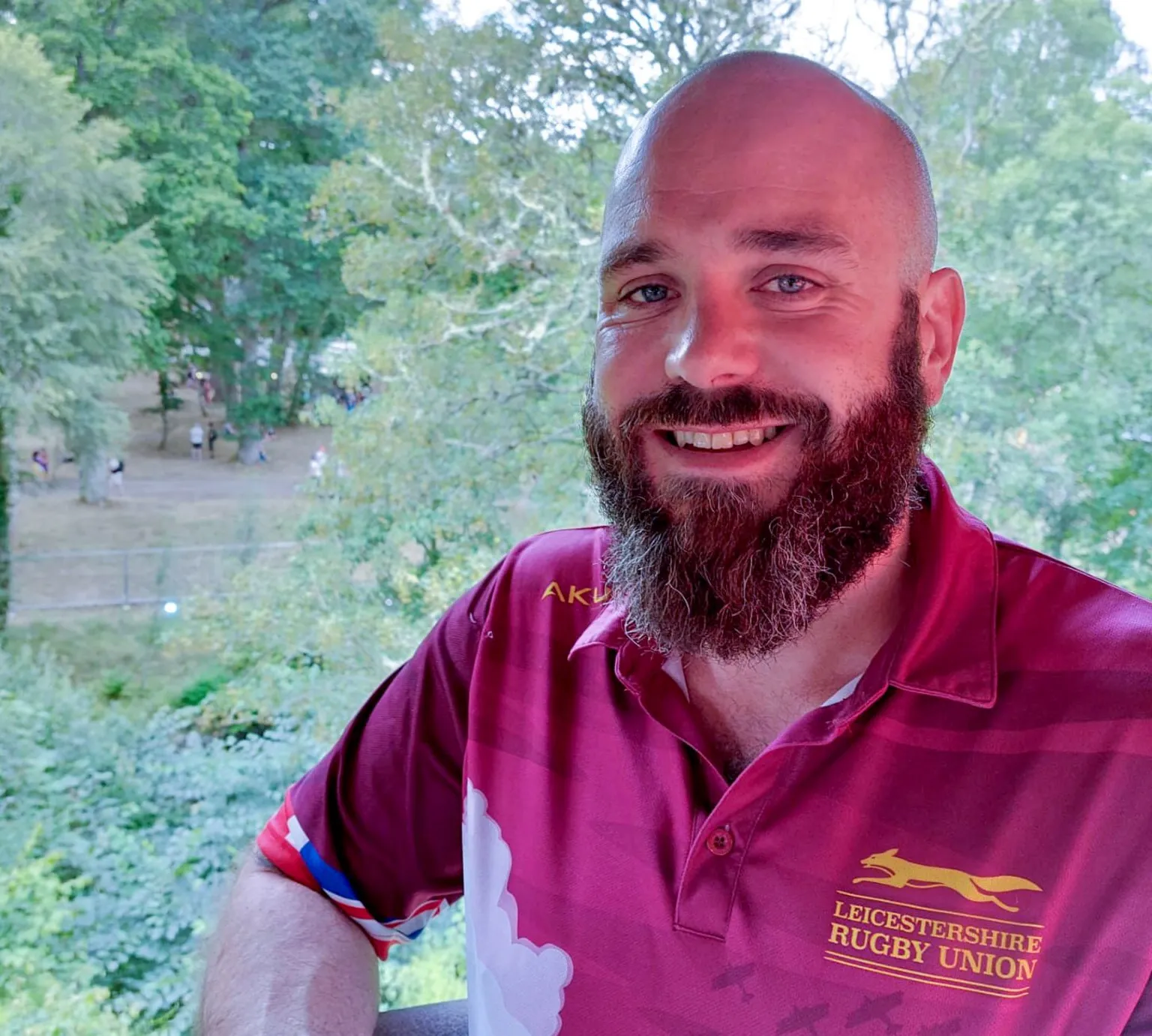
Catriona reports that she will likely need to sell the family home to finance the tribunal case, as the estate cannot be settled until the case concludes. Legal aid for employment tribunals is virtually nonexistent.
"He was very loving and very family-oriented, very funny," she says. "It's hard. I don't have much opportunity to think back about the positive things about him, because I'm stuck in this grief and managing legal issues.
"I was told it would take a good few months, potentially a year, year and a half, but I never anticipated it to take as long as what it is now looking like it will take.
"It's shocking, absolutely shocking. It stops me getting closure and feeling like Lewis can rest in peace."
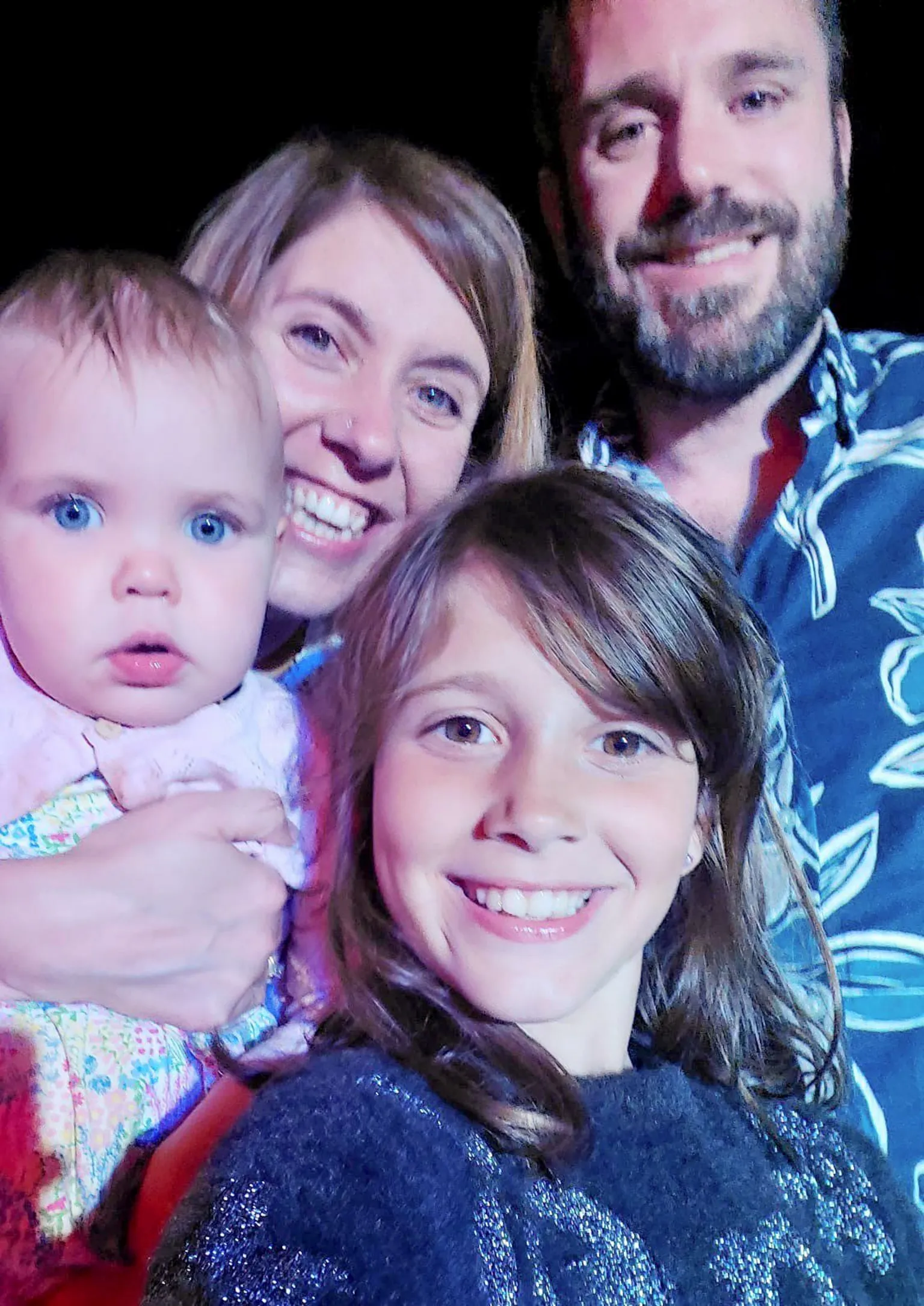
While Catriona’s loss is exceptional, the prolonged legal uncertainty she faces is a widespread issue.
Tens of Thousands Await Resolution
Recent data reveals a backlog of nearly 72,000 claims pending before the Employment Tribunal, an increase of almost 26,000 over the past year.
Experts indicate that unfair dismissal claims currently filed may not reach a full court hearing for up to five years.
This backlog affects tens of thousands of individuals and businesses unable to resolve disputes.
The Employment Lawyers' Association (ELA) is urging the government to implement significant measures to address the backlog.
"The system isn't coping at the moment, and it's only going to get worse in the future," says Caspar Glynn KC, chair of the ELA.
"Normally in an employment tribunal, the worker has been dismissed, they have no income, they have nothing to live on, and a delay of five years is effectively economic servitude for that person."
Glynn notes that employers also suffer, as delays complicate their ability to defend cases. Key witnesses may leave companies or pass away during the prolonged process.
"We have examples of cases where a case has been struck out [because] the judge has said it's no longer possible to have a fair trial. My real concern is whether cases are going to be struck out because of the delays themselves."
Causes of Tribunal Delays
The causes of delays are multifaceted.
There has been an increase in complex discrimination and whistleblowing claims, which require longer hearings.
Additionally, the use of Artificial Intelligence (AI) by self-represented claimants, or "litigants in person," has inadvertently extended proceedings.
Many individuals cannot afford legal representation due to lack of legal aid and thus represent themselves.
"What we're now finding is that a litigant in person, unsure of their rights because no-one's helping them, goes to the internet and inputs it into an AI service," explains Glynn.
"They then get a voluminous case, bringing up every single possible claim there is, and every single fact that could possibly be in the person's favour, and indeed sometimes also imagining those rights.
"Now you have claims, which used to be, say, one or two pages long, that are now 30 to 40 pages long."
This expansion of claims increases judges’ workloads and extends delays.
Recommendations to Improve the System
The ELA recommends establishing a new dispute resolution body to reduce the number of workplace disputes reaching court.
They also propose that the tribunal service employ AI to evaluate claims rather than expand them, and categorize cases into different "tracks" based on complexity and value.
Less complex claims could be managed by legal officers instead of judges, reducing time and costs.
Government Response
A Ministry of Justice spokesperson stated:
"We recognise the pressures on Employment Tribunals and we're taking action to bring down the backlog, drive efficiencies and ensure swifter justice.
That includes maximising sitting days, recruiting more employment judges, using virtual hearings where appropriate, and investing in new digital systems."
Ongoing Impact on Individuals
Despite government efforts, Catriona remains in a difficult position.
"There's a big expense to me personally, continuing with this," she says. "I could easily end it. I could easily withdraw the claim. But there's an amount of pressure to do it for Lewis on his behalf.
"He certainly wouldn't want me suffering the way I am because of this process, but equally he would want some accountability."


