
Dispute Over Senedd Election Spending Plans
A dispute regarding the costs associated with Senedd election pledges has emerged between Reform and Plaid Cymru, the two parties potentially competing for the leading position in the May elections.
Plaid Cymru has accused Reform of proposing "uncosted pledges which would destroy public services," while Reform has countered by stating that Plaid's critique relies on a "back-of-a-fag-packet calculation."
Reform has outlined plans to reduce income tax across all three tax bands, cap council tax increases, and construct an M4 relief road around Newport if it gains power.
Taxation policies have been a prominent feature in all manifestos released so far. The Welsh Conservatives have pledged to reduce the basic rate of income tax by one penny, and Labour has committed to maintaining current Welsh income tax rates.
BBC Wales has learned that the costings have been reviewed by the independent think tank, the Institute for Fiscal Studies (IFS). However, despite multiple requests, the detailed costings have not yet been published.
Plaid Cymru and the Greens are expected to release their manifestos this week, with the Liberal Democrats scheduled to follow next week.
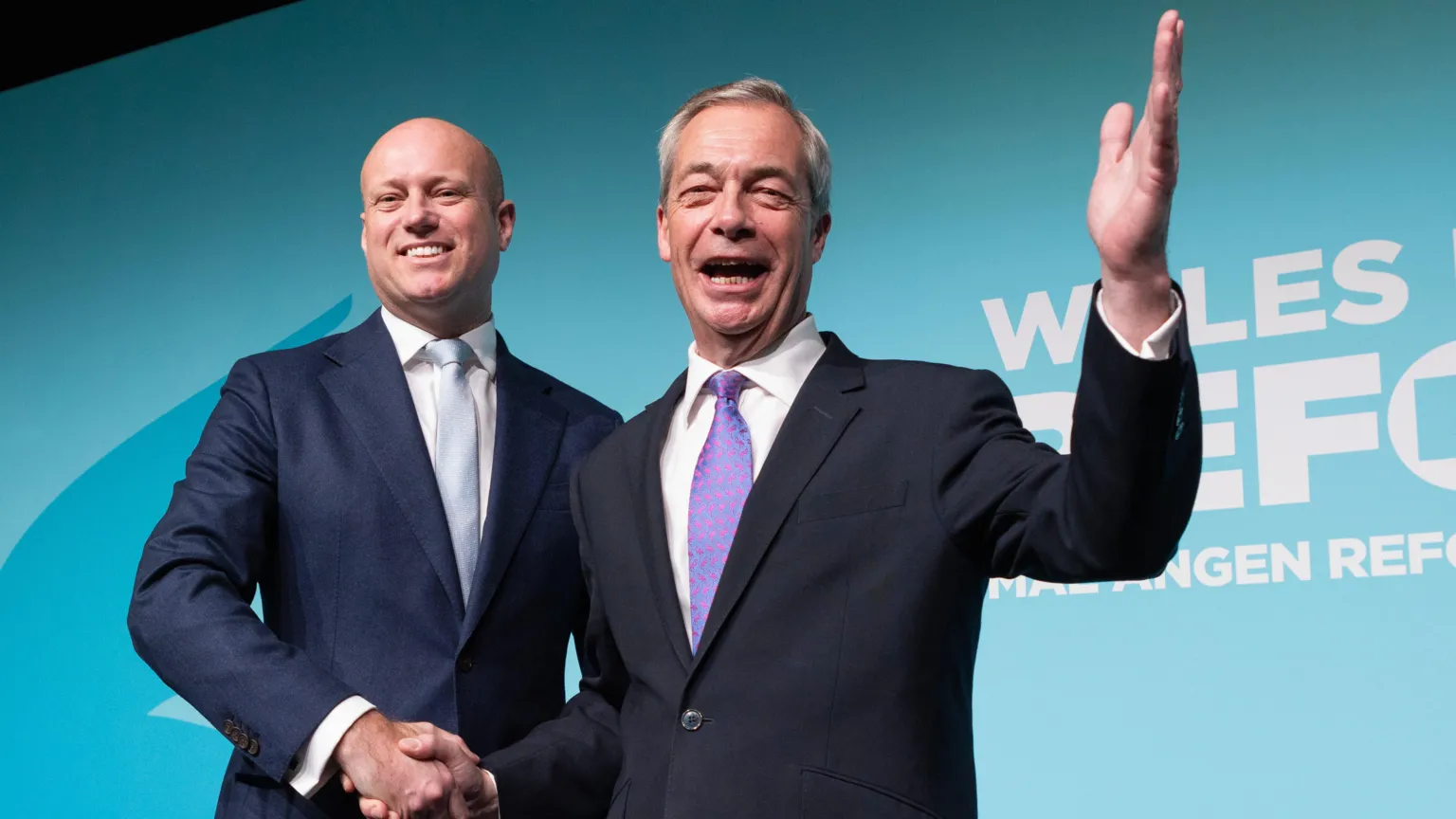
Reform's Welsh leader, Dan Thomas, reiterated a promise initially made by Nigel Farage a month ago to publish the party's costings, despite earlier indications that these details would remain undisclosed.
Polls indicate that Plaid and Reform are contending to become the largest party, while Labour faces challenges in retaining power.
Financial Implications of Reform's Proposals
Plaid Cymru has asserted that Reform's proposals to cut income tax, cap council tax rises at 5%, and build an M4 relief road would create a £1 billion deficit in Wales' public finances.
In a statement, Plaid detailed that capping council tax would result in a £437 million shortfall for local councils and that the M4 relief road could cost approximately £492 million annually over a five-year construction period.
The BBC has previously reported that Reform's income tax reduction plans would cost about £371 million in the current financial year.
Plaid's economy spokesperson, Luke Fletcher, criticized Reform's manifesto calculations, stating they "simply don't add up," and described their strategy as a "gamble" rather than a concrete plan.
"It's fantasy economics with no costings."
Fletcher further accused Reform of harboring a "hidden austerity agenda" that would "destroy" public services.
Reform's Response and Call for Transparency
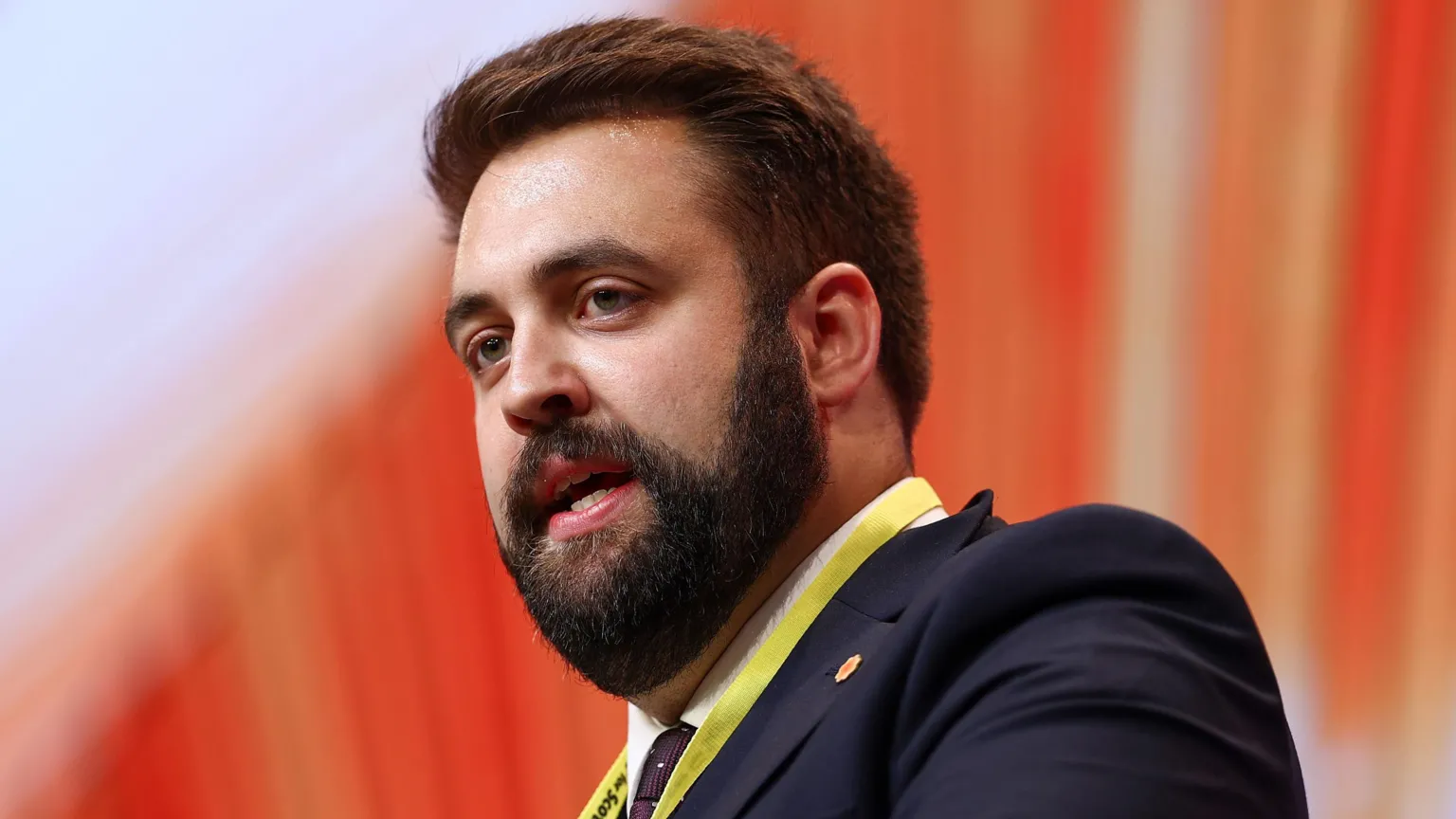
In response, Reform's Welsh leader Dan Thomas asserted that Plaid "did not have a leg to stand on when it comes to sums."
"They won't even show their working for this back-of-a-fag-packet calculation,"
Thomas noted that Plaid has not published its exact calculations and challenged the party to release its manifesto costings upon unveiling its plans this week.
Positions of Other Parties
Labour, in its manifesto launch last week, pledged not to increase Welsh income tax rates and committed to making council tax "fairer." Welsh Labour leader Eluned Morgan informed BBC Wales that the party remains dedicated to council tax reevaluation by 2028.
The Welsh Conservatives have proposed reducing the basic rate of income tax by one penny, capping council tax rises at 5%, and constructing an M4 relief road.
Although Plaid Cymru has yet to publish its full manifesto, it has faced scrutiny over its plan to expand childcare to cover all children from nine months to four years old, a policy projected to cost between £400 million and £500 million annually by the end of a five-year rollout.
Opponents have challenged Plaid to specify which services would be cut to finance this policy.
Plaid leader Rhun ap Iorwerth stated,
"we know it is money we can afford"
when the plans were announced in October 2025.
The Wales Green Party and Liberal Democrats have yet to publish their manifestos but have indicated intentions to replace council tax and, if necessary, add a penny to income tax to fund social care, respectively.
Institute for Fiscal Studies Analysis
The IFS has cautioned that Reform's plans do not fully "face up" to the tax and spending realities confronting the next Welsh government.
It also warned that the Welsh Conservatives' proposals could result in significant reductions to public services and that Labour's income tax stance might limit its fiscal flexibility.
Upcoming Election Details
Wales is scheduled to hold elections on 7 May under a new proportional representation system designed to more accurately reflect parties' share of the vote.
The Senedd will expand from 60 to 96 seats, introducing 16 new constituencies, each electing six members.
No party is anticipated to secure an outright majority, suggesting a potential period of negotiation to form a governing coalition.
Votes will be counted on 8 May.



