

Former Torpedo Testing Site Proposed for Redevelopment
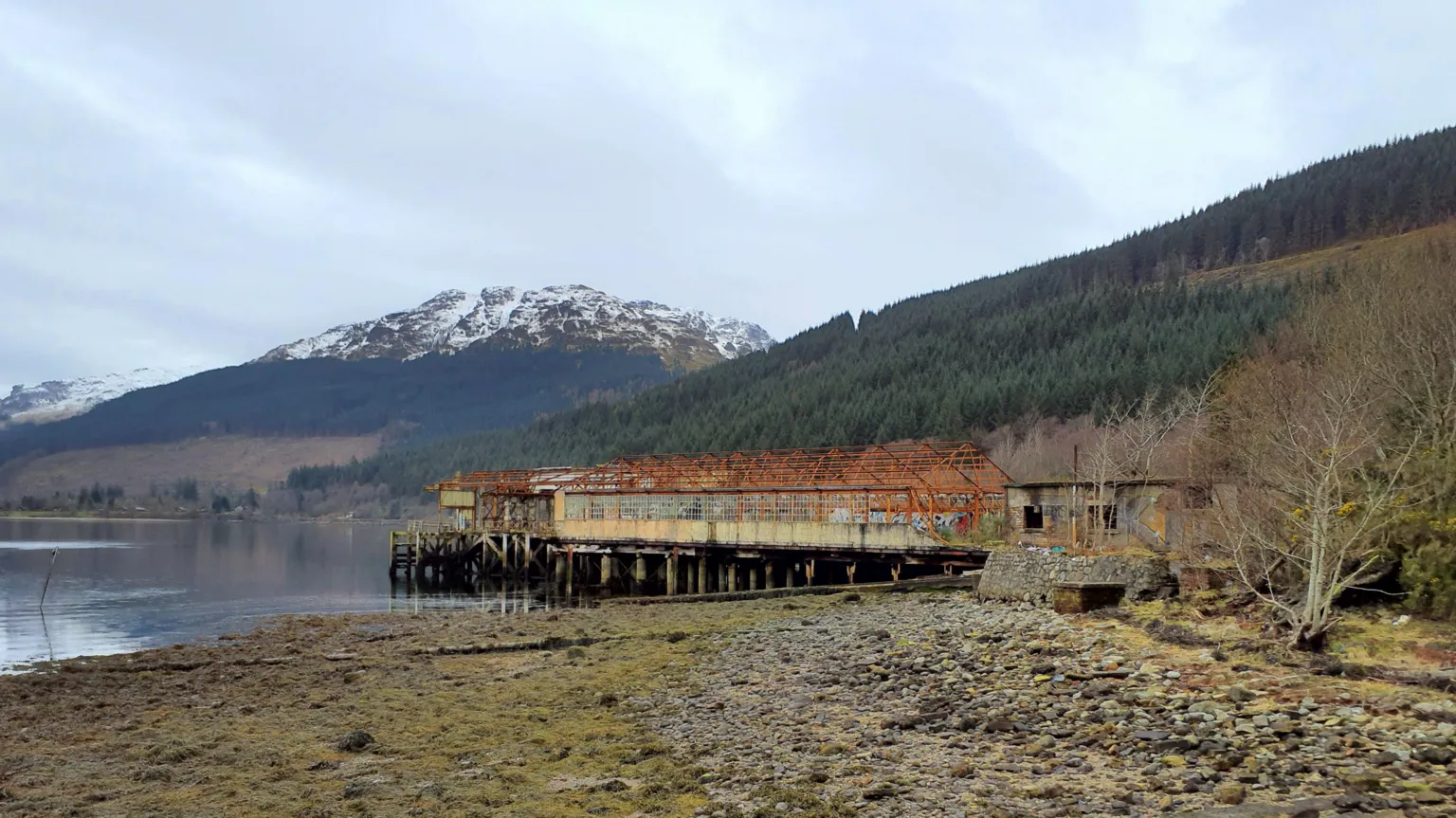
A derelict torpedo testing station located in Arrochar, Argyll & Bute, is set to be transformed into a hotel and holiday homes under new redevelopment plans.
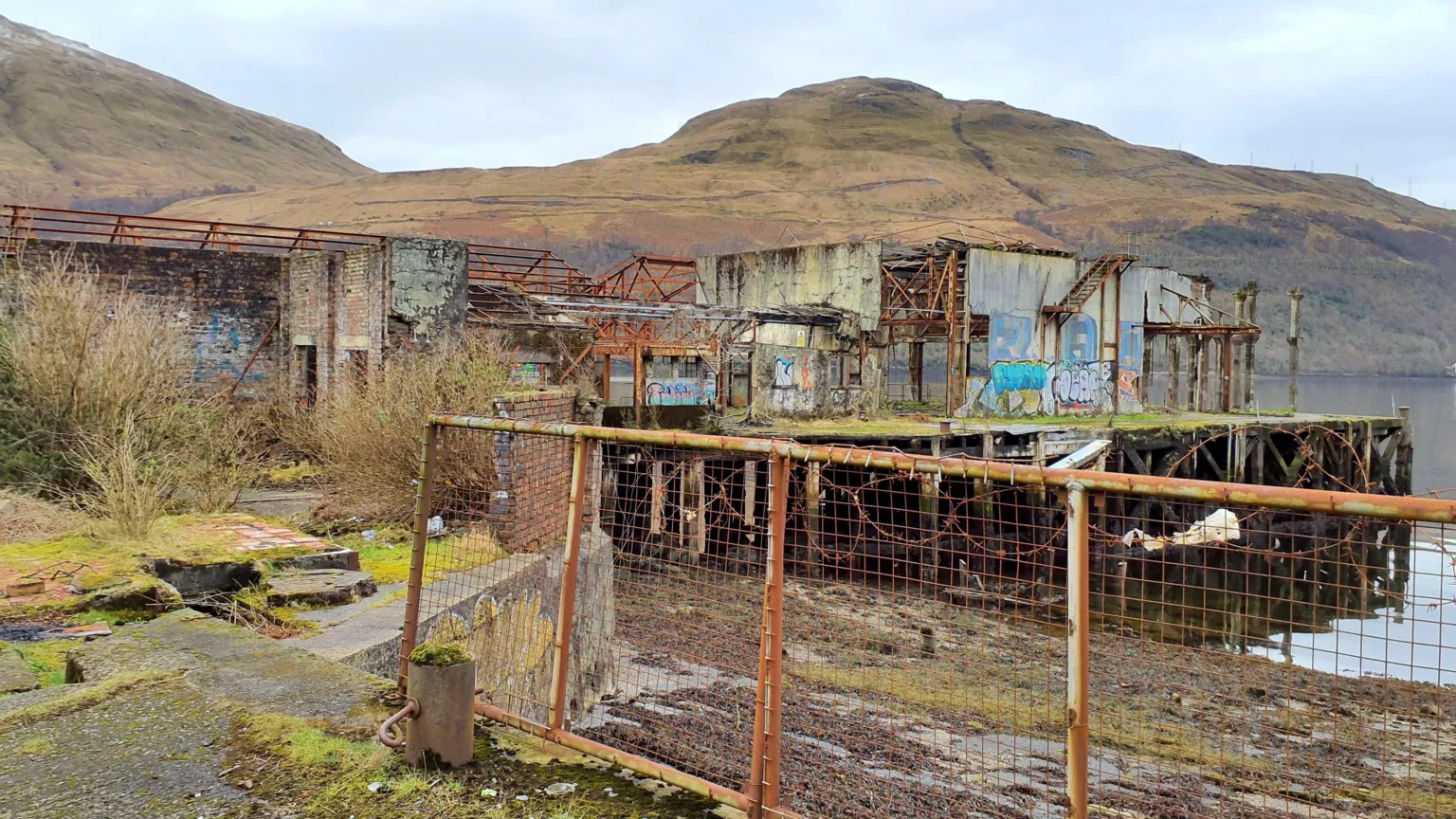
The site, previously owned by the Ministry of Defence, has been unused since 1986. Over the years, the grounds have frequently been subjected to fly-tipping and littering, causing concern among the local community.
Loch Lomond & The Trossachs National Park Authority has recently approved a proposal submitted by Ardnagal Estates to redevelop the land. The plan includes constructing a 34-bedroom hotel, holiday homes and lodges, glamping pods, and an outdoor play area.
The park authority emphasized that the developer has provided guarantees to protect the natural environment surrounding the site as part of the redevelopment.
Historical Background of the Site
The 11-hectare site was originally opened in 1912 to support the manufacturing and testing of torpedoes produced in Greenock and Alexandria. During World War Two, more than 12,000 torpedoes were fired down Loch Lomond from this location.
Since its closure, the derelict station has been a source of frustration for local residents due to ongoing anti-social behaviour and vandalism.
Community and Environmental Impact
Claire Chapman, chairwoman of the park authority's planning and access committee, expressed optimism about the redevelopment proposal, viewing it as a solution to a longstanding local issue.
"The approval of this long-standing derelict site's redevelopment is a significant step forward in addressing what has been a blight on both the local community and the environment."
"The site has been identified in both the existing local development plan, which guides new development in the National Park, and in the community's local place plan."
"The developer had commitments that would protect and enhance the site's natural environment, ensuring the area's landscape and environmental sensitivities are safeguarded for the long term."
"That is a very welcome outcome for people, and for nature."
Details of the Proposed Development
The full redevelopment plan includes 14 holiday homes, 34 holiday lodges, a 34-bedroom hotel, 20 glamping pods, six motorhome pitches, an outdoor play area, associated parking, and native landscaping.
Developers have stated that biodiversity on the site will be improved through various measures, including the removal of invasive non-native plant species such as Japanese knotweed.
The project will also enhance public and community access to Loch Lomond by revitalising the existing pier and introducing new leisure facilities, including a play park.
Previous plans to build a 130-bedroom hotel on the site were abandoned nearly a decade ago.
The park authority noted that the development's location could help reduce congestion at the loch's most popular spots by encouraging visitors to explore less frequented areas.
Next Steps and Developer Responsibility
Responsibility for advancing the proposed development now lies with Ardnagal Estates, which acquired the site in 2021.


