

Deputy First Minister Warns of Inevitable Budget Cuts
The deputy first minister has stated that there will "undoubtedly" need to be cuts to address a forecasted shortfall of nearly £5 billion by the end of the decade.
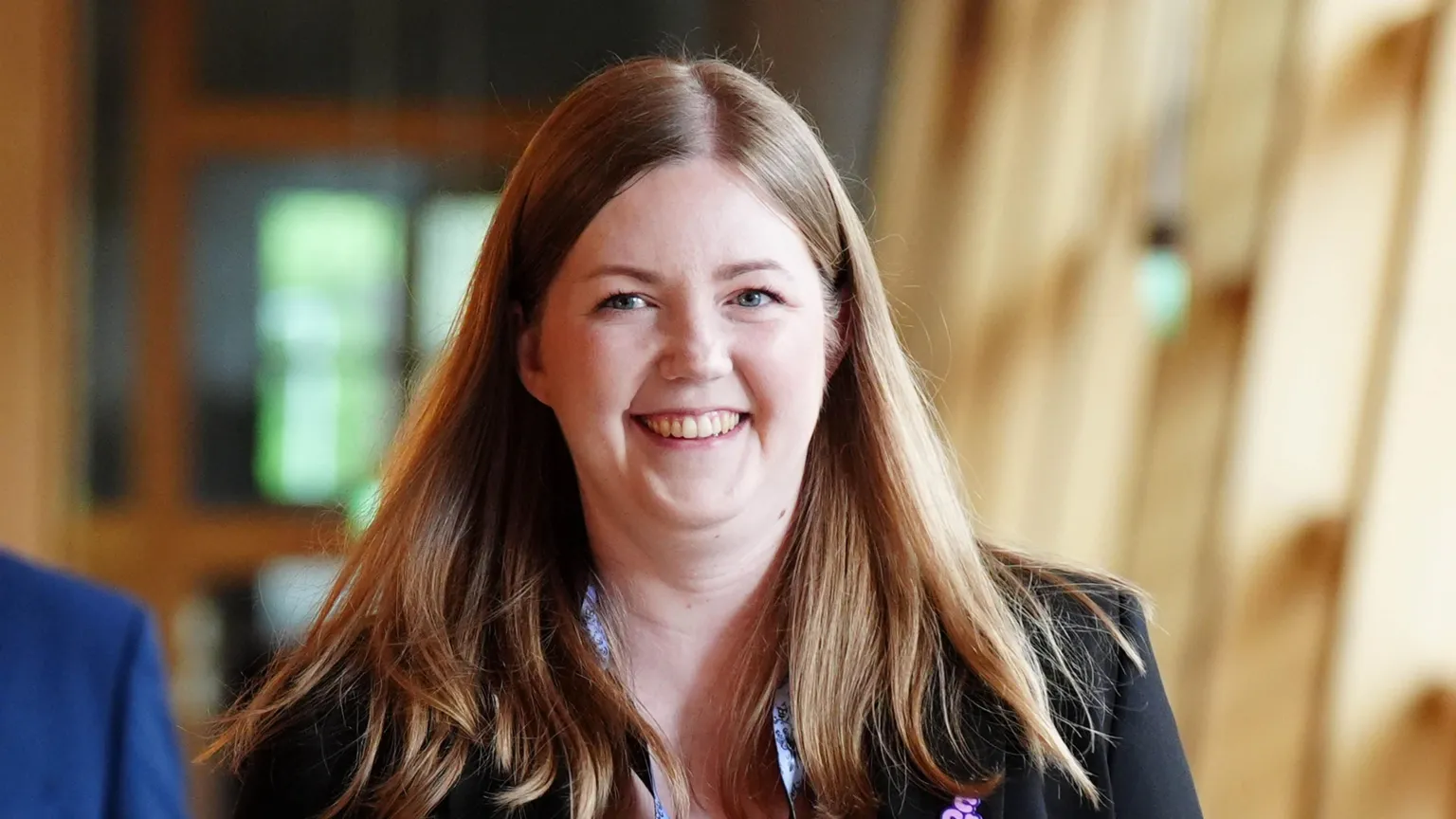
Jenny Gilruth, recently appointed to the combined role of deputy first minister and finance secretary on Wednesday, emphasized that the Scottish government has been "very upfront about the challenge we face."
Previously, Scotland's auditor general highlighted that ministers lacked a clear strategy to manage a £4.7 billion funding gap projected for 2029-30.
Gilruth indicated that the government intends to work "to protect services and protect frontline workers" while considering public sector reform measures.
When questioned on whether cuts would be necessary, she told BBC's The Sunday Show:
"Undoubtedly."
She added that she would collaborate with Ivan McKee, appointed this week as minister for public sector reform, to "drive some of the efficiencies we need to see."
"His work will be pivotal in that regard," she said.
However, Gilruth stressed that the government should avoid targeting the "most vulnerable" during financial constraints.
Public Sector Reform and Cost Pressures
The deputy first minister also mentioned that there is cross-party agreement on reducing the number of public sector bodies.
She noted,
"We have seen a growing public sector during the pandemic, that has brought with it additional costs, and in the same time period wages have increased."
Gilruth further explained,
"People will know costs are going through the roof just now - the price of energy, the price of the food shop - and we need to keep pace with that and that's why we delivered record public sector pay deals.
"But that has come with additional cost to the government."
She emphasized the importance of safeguarding the services "that matter most to people" while seeking savings, potentially through "shared services."
Gilruth also outlined the Scottish National Party's (SNP) manifesto commitments, which she claimed would "pivot public services to better help families."
She added,
"We're taking forward a range of different actions including bringing down food prices for families, introducing a £2 bus cap, and taking forward measures to expand childcare across the board to help families."
Scottish Greens' Perspective on Public Sector Services
Scottish Greens co-leader Gillian Mackay commented on the potential for shared functions within the public sector.
She stated,
"But many of the departments that we're talking about are already stretched."
She stressed the need to protect services to ensure they function effectively for the people of Scotland, citing the importance of timely benefit approvals.
Mackay expressed concerns about possible large-scale job losses, saying,
"I would absolutely have concerns about any potential large-scale job losses."
She also mentioned alternative approaches to raising funds,
"We've laid out a number of ways in which we can raise more money rather than making cuts to some services that are vital to the people of Scotland and to the functioning of government.
"So making sure that we bring those forward and explore all of those opportunities before thinking about making cuts, I think is the right way round to do that."
'Democratic Route Out of the Union'
The SNP plans to introduce a vote on Scottish independence in the Scottish Parliament on Tuesday.
Prior to the Holyrood election, First Minister John Swinney stated that a majority of SNP Members of the Scottish Parliament (MSPs) would provide the government with a mandate for a second independence referendum.
However, the SNP's number of MSPs decreased to 58, short of the 65 required for a majority.
The party still secured the election victory, with Labour and Reform each winning 17 seats.
The Scottish Greens, the other pro-independence party among the six largest parties, achieved a record 15 seats, resulting in a majority of MSPs supporting independence.
Gilruth told The Sunday Show,
"The people have voted again to re-elect an SNP government.
Since 2007 we have had successive SNP governments. I think it's emphatic support - we have the highest number of independence-supporting MSPs ever elected.
Really, this is a matter for the UK government to answer now. What is the democratic route out of the union if they're going to consistently refuse Scotland's right to choose?"
When asked about the SNP's plan if the UK government continues to refuse, she responded,
"We'll set out the plans to parliament this week, but we will continue to push the UK government for the powers to hold a democratic independence referendum as was the case in 2014."
A spokesperson for the UK government stated that it does not support independence or another referendum.
The spokesperson added,
"People need and want their governments focused on the issues that really matter - economic growth, the cost of living, and public services. Our focus must be on delivery, not division."


