

Overview of the May 7 Elections
On Thursday 7 May, millions of voters will participate in the largest set of elections since the 2024 general election. In Scotland and Wales, voters will elect representatives to their national parliaments, while in England, numerous local council and mayoral elections will take place.
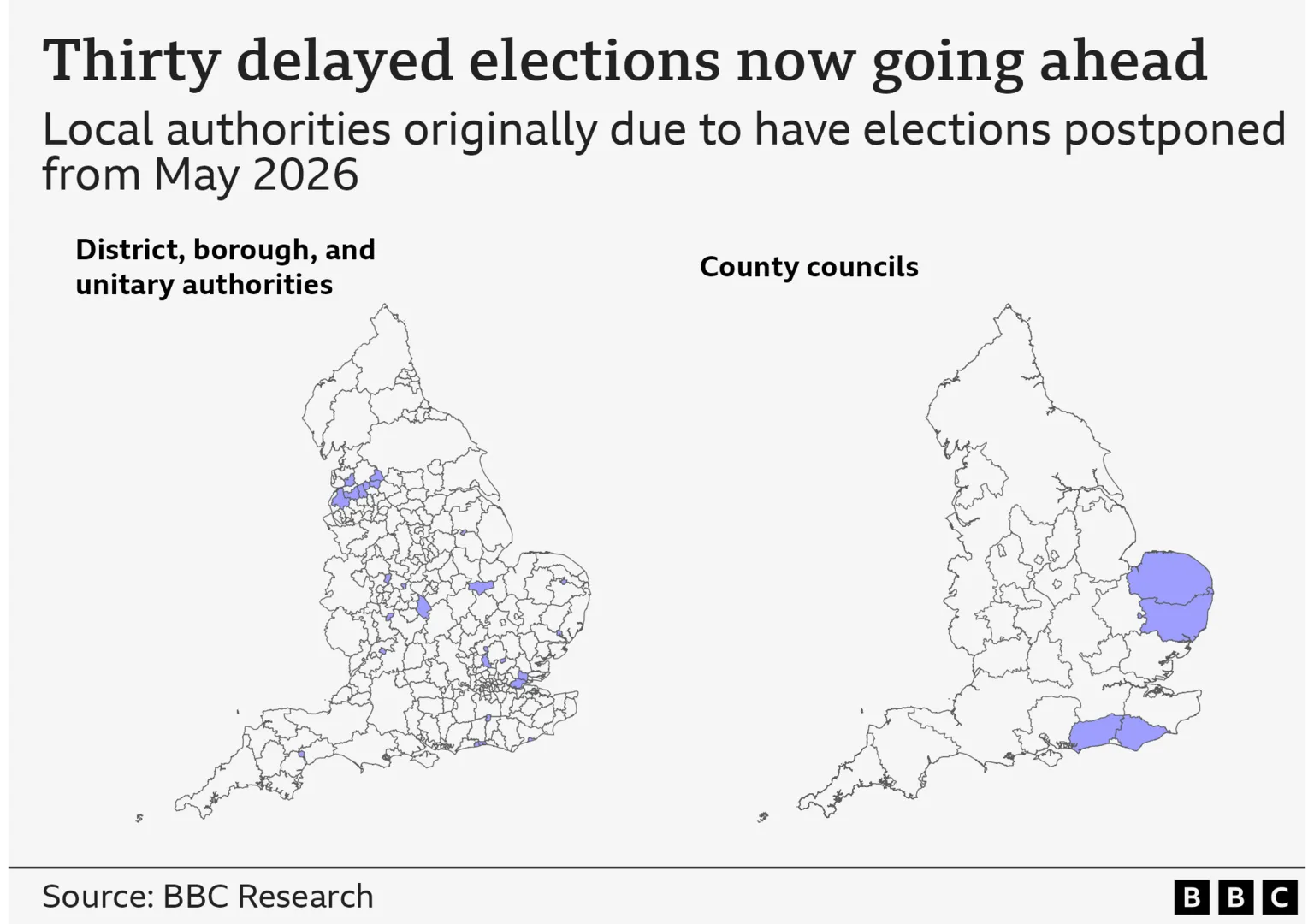
This includes elections in 30 English councils that will proceed after the government reversed earlier plans to delay them. In Northern Ireland, local council and Assembly elections are scheduled for May 2027.
Which elections are taking place in England on 7 May?
Approximately 5,000 seats across 136 local councils will be contested following the government's reversal on council election delays.
Initially, ministers had permitted 30 authorities to postpone elections until May 2027, including five areas where elections had already been deferred from May 2025. However, in February, the government announced these elections would proceed in May 2024 after receiving legal advice prompted by a challenge from Reform UK.
The delays had been met with a backlash from opposition parties, whilst the Electoral Commission - which oversees UK elections - had warned it risked "damaging public confidence".
In addition to council elections, six mayoral contests will be held in Croydon, Hackney, Lewisham, Newham, Tower Hamlets, and Watford.
Mayoral elections in Cumbria and Cheshire & Warrington have been postponed until 2027, while those in Greater Essex, Norfolk and Suffolk, Hampshire and the Solent, and Sussex and Brighton have been deferred until May 2028.
In council elections, voters typically have one vote per available seat within a ward or division. The first-past-the-post system applies, meaning the candidate with the most votes wins.
Councils are responsible for local services such as care for the elderly and disabled, rubbish collection and recycling, housing, education, and road maintenance. Many councils are currently facing funding crises, resulting in service cuts and council tax increases.
Which elections are taking place in Scotland on 7 May?
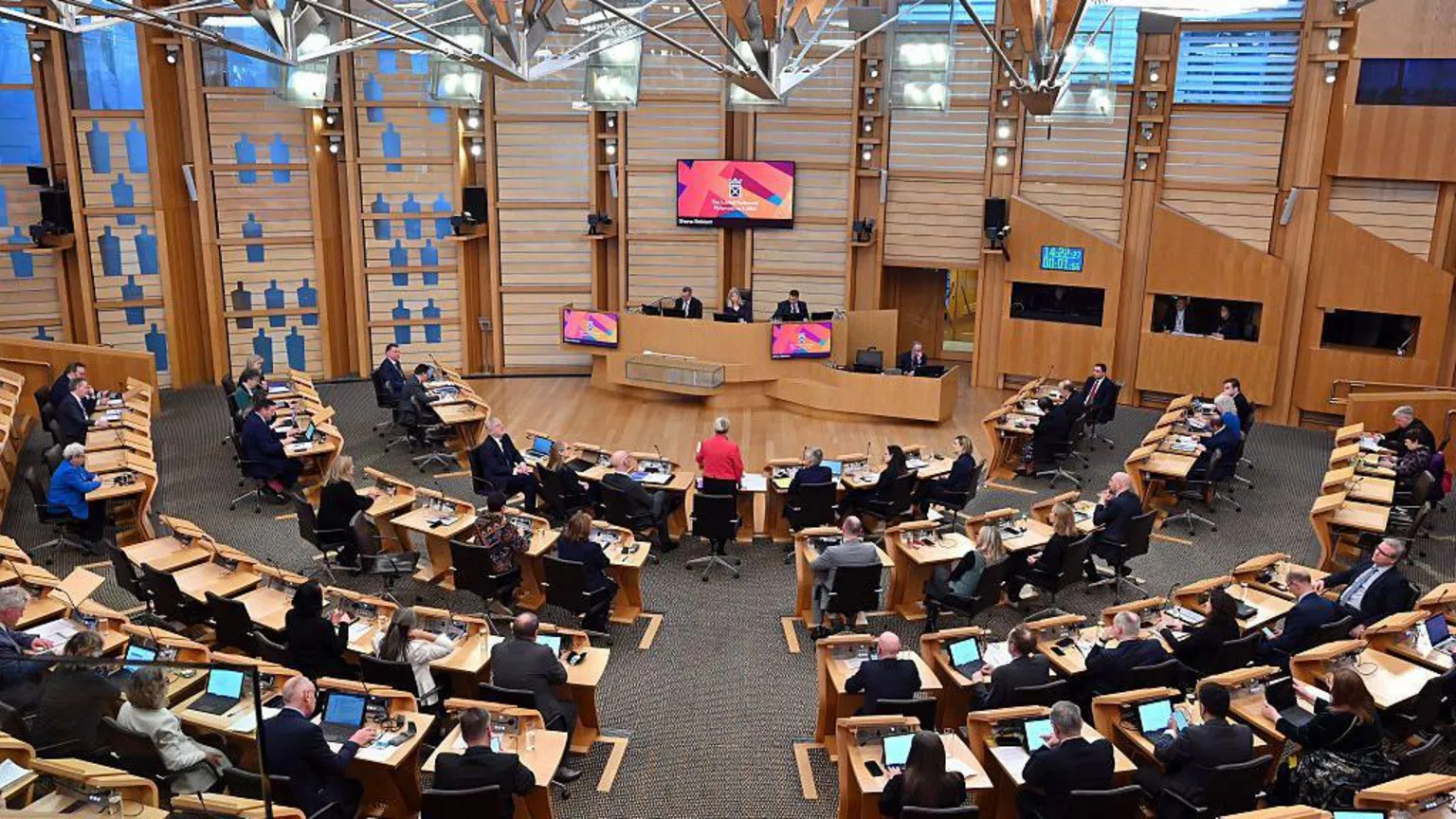
The Scottish Parliament election will determine the governing party responsible for key areas including health and education, influencing the country’s policy direction.
All 129 Members of the Scottish Parliament (MSPs) are up for re-election. This includes 73 constituency MSPs and 56 regional MSPs (seven per region).
Each voter receives two ballot papers and casts two votes: one for their constituency MSP and one for their regional MSPs.
Constituency MSPs are elected using first-past-the-post, where the candidate with the most votes wins. Regional MSPs are selected through a form of proportional representation. Voters choose either a political party or an individual candidate from a list. Regional seats are allocated based on a formula that considers the number of votes each party receives and the constituencies they win.
Typically, the party with the most MSPs forms the Scottish government, and its leader becomes the first minister.
The Scottish Parliament was established in 1999, at a time when Scotland already had its own legal and education systems. Today, Holyrood has authority over a broad range of issues including health, housing, policing, prisons, transport, welfare, and tax. It can legislate on any matters not reserved to the UK Parliament at Westminster.
Which elections are taking place in Wales on 7 May?
The 2026 Senedd election represents the most significant change to the Welsh Parliament since powers began transferring in 1999. It will decide who governs Wales on many key issues.
The number of Members of the Senedd (MSs) will increase from 60 to 96, representing 16 newly defined constituencies.
Political parties may list up to eight candidates per constituency, and independent candidates may also stand. Voters select one party or one independent candidate.
The 96 seats will be allocated proportionally according to the share of votes each party or independent candidate receives.
The party winning the most seats is expected to lead the government. However, no party has ever secured a majority in the Welsh Parliament, and the new system makes a majority even less likely in this election.
Any MS can nominate a candidate for first minister. If multiple candidates are nominated, MSs vote to decide who will assume the role.
The National Assembly for Wales opened in 1999 and was renamed Senedd Cymru or Welsh Parliament in 2020. Its responsibilities include health, education, transport, farming, and some tax powers.

How can I vote in the May elections?
To vote in local elections in England, individuals must be 18 or older. For the Scottish Parliament and Senedd elections, the voting age is 16.
Voters must be registered at an address within the area where they intend to vote. Eligible voters include British or Irish citizens and qualifying foreign nationals, with eligibility rules varying by country and election type.
What is the deadline for registering to vote?
To vote in person on 7 May, registration must be completed by 23:59 BST on Monday 20 April.
Registration can be completed online using a National Insurance number or by writing to the local council's electoral registration office.
Rules regarding postal and proxy votes have changed, requiring renewal every three years. Postal or proxy votes established before 31 October 2023 have expired.
For those already registered, the deadline to request a postal vote is 17:00 BST on Tuesday 21 April, and the deadline to apply for a proxy vote is 17:00 BST on Tuesday 28 April.
What ID do I need to vote?
Voters in the Scottish Parliament and Senedd elections on 7 May do not need to present ID to vote in person.
However, all voters participating in local elections in England must present valid photo ID, such as a passport or driving licence. Expired ID is acceptable as long as the voter remains recognisable.
Registered voters without the correct ID or whose appearance no longer matches their photo can apply for a free voter authority certificate. The deadline to apply for this certificate for the May elections is 17:00 BST on Tuesday 28 April.


