

Dalry Secondary Faces Proposed Closure Amid Declining Enrollment
A council is being advised to initiate the statutory process to close Dalry Secondary, currently Scotland's smallest secondary school.
Dalry Secondary, located in Dumfries and Galloway, has a capacity for 248 pupils but is projected to have only eight students enrolled in S1 and S2 by August, with no pupils expected in S3 and S4, although these year groups remain officially open.
Throughout the year, consultation events have been held to gather community opinions regarding the school's future. Now, education committee councillors are being recommended to commence the closure process, which would result in the school shutting its doors.
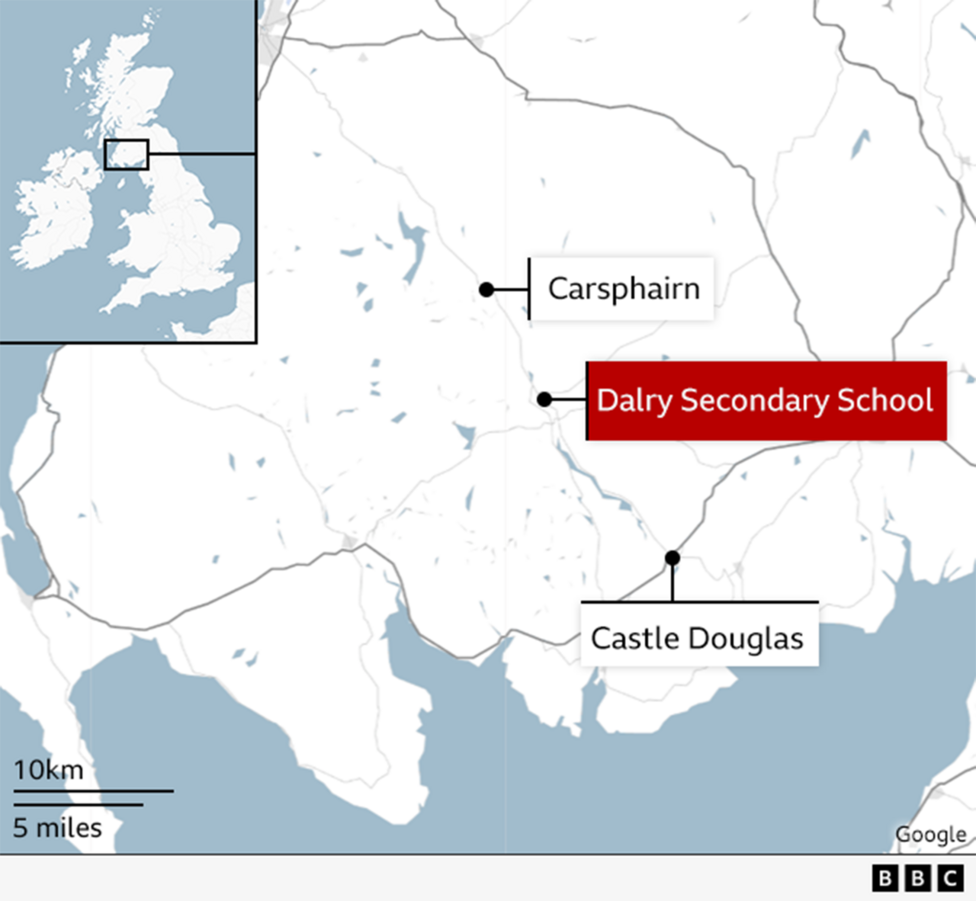
The school currently provides education for S1 to S4, after which pupils transfer to Castle Douglas High School, approximately 16 miles (25 km) away, for S5 to S7. The catchment area extends northward to include the village of Carsphairn, an additional nine miles (15 km) away.
In 2024, parents celebrated a decision to halt the "mothballing" or temporary closure of any secondary schools in the region. Despite this, pupil numbers at Dalry Secondary have remained low, maintaining its status as the smallest secondary school in Scotland.
One estimate indicated that the running costs amounted to nearly £50,000 per pupil. Parents have expressed concerns that closing the school would remove a "vital service" from the area, and have also raised issues about the potential impact on the wider community.
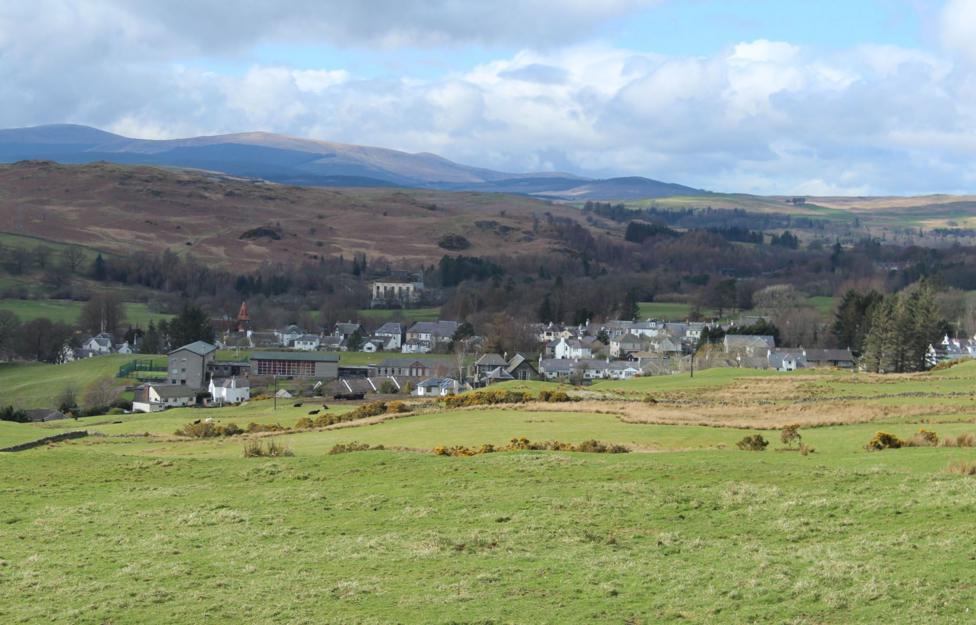
The school serves Dalry and the wider rural Glenkens area.

Report Recommends Closure as Most Appropriate Response
A report submitted to councillors stated that after considering "reasonable alternatives," closure was deemed the "most appropriate response." The report identified several underlying issues facing the school, including:
- a sustained and significant decline in pupil numbers
- limited opportunities for peer interaction
- increasing challenges in delivering a broad and balanced curriculum
The report also highlighted concerns regarding the high cost per pupil and the "efficient and sustainable use of resources."
"While closure would require pupils to attend an alternative secondary school, it would provide access to a wider curriculum, larger peer groups and more sustainable staffing structures," the report stated.
"On balance, and having considered the available evidence, the council considers that closure represents the most appropriate response to the identified challenges."
Community Concerns and Next Steps
Parents have argued that rural education should encompass more than economic considerations. They contend that families would be discouraged from moving to the area, which could exacerbate economic decline and contribute to rural depopulation.
The council has also faced accusations of undermining the school's offerings over the years, which some believe has contributed to the declining pupil numbers.
The education committee is scheduled to meet on 30 June to decide the way forward. If the committee agrees to initiate the statutory process for closure, several phases will follow, likely extending over several months.
and Further Information
For , see:
- What will become of Scotland's smallest secondary?
- Campaigners hope 'landmark decision' ends school mothballing
## Get in touch
What stories would you like to cover from the south of Scotland?


