

Civil Case Initiated by IRA Bomb Victims Against Gerry Adams
A civil court case brought by three victims of IRA bombings against former Sinn Féin leader Gerry Adams commenced in London on Monday.
The plaintiffs seek a legal ruling that Adams is personally liable for decisions to plant car bombs in London and Manchester in 1973 and 1996.
They are pursuing a nominal £1 in damages for "vindicatory purposes." Adams has consistently denied any "direct or indirect" involvement and has repeatedly stated he was never a member of the IRA.
The case is being heard by Mr Justice Swift at the Royal Courts of Justice and is scheduled to last seven days.
Details of the Claimants and Attacks
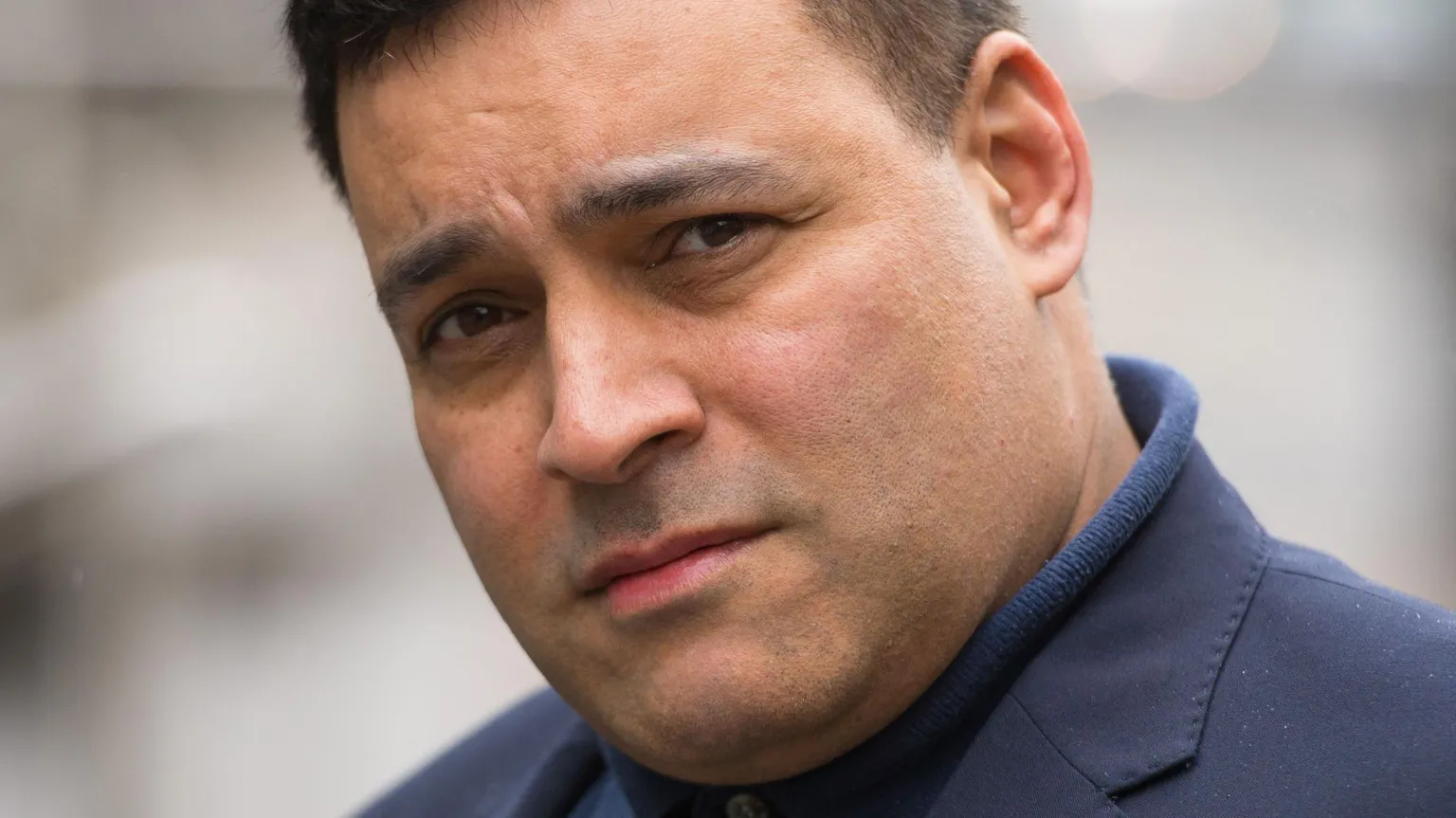
The action was initiated by John Clark, a victim of the 1973 Old Bailey bombing, along with Jonathan Ganesh and Barry Laycock, who were injured in the 1996 attacks in London's Docklands and Manchester's Arndale Shopping Centre, respectively.
These three bombings represent the first and last IRA attacks carried out in Britain.
More than 200 people were injured in the 1973 Old Bailey bombing; the device had been transported by car ferry from Belfast to Liverpool.
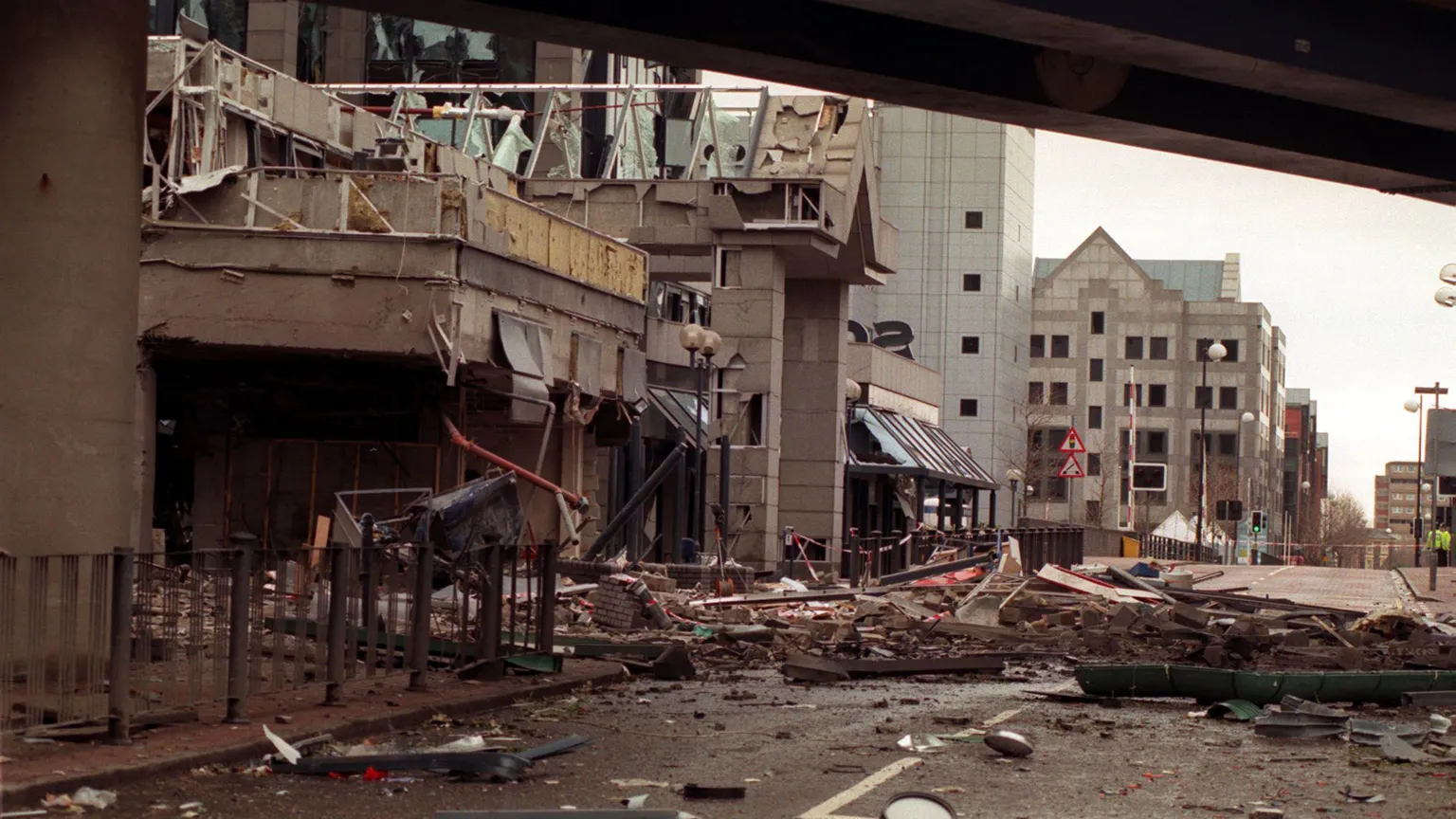
On 9 February 1996, an IRA bomb left in a lorry exploded in London's Docklands, killing two people and injuring many others.
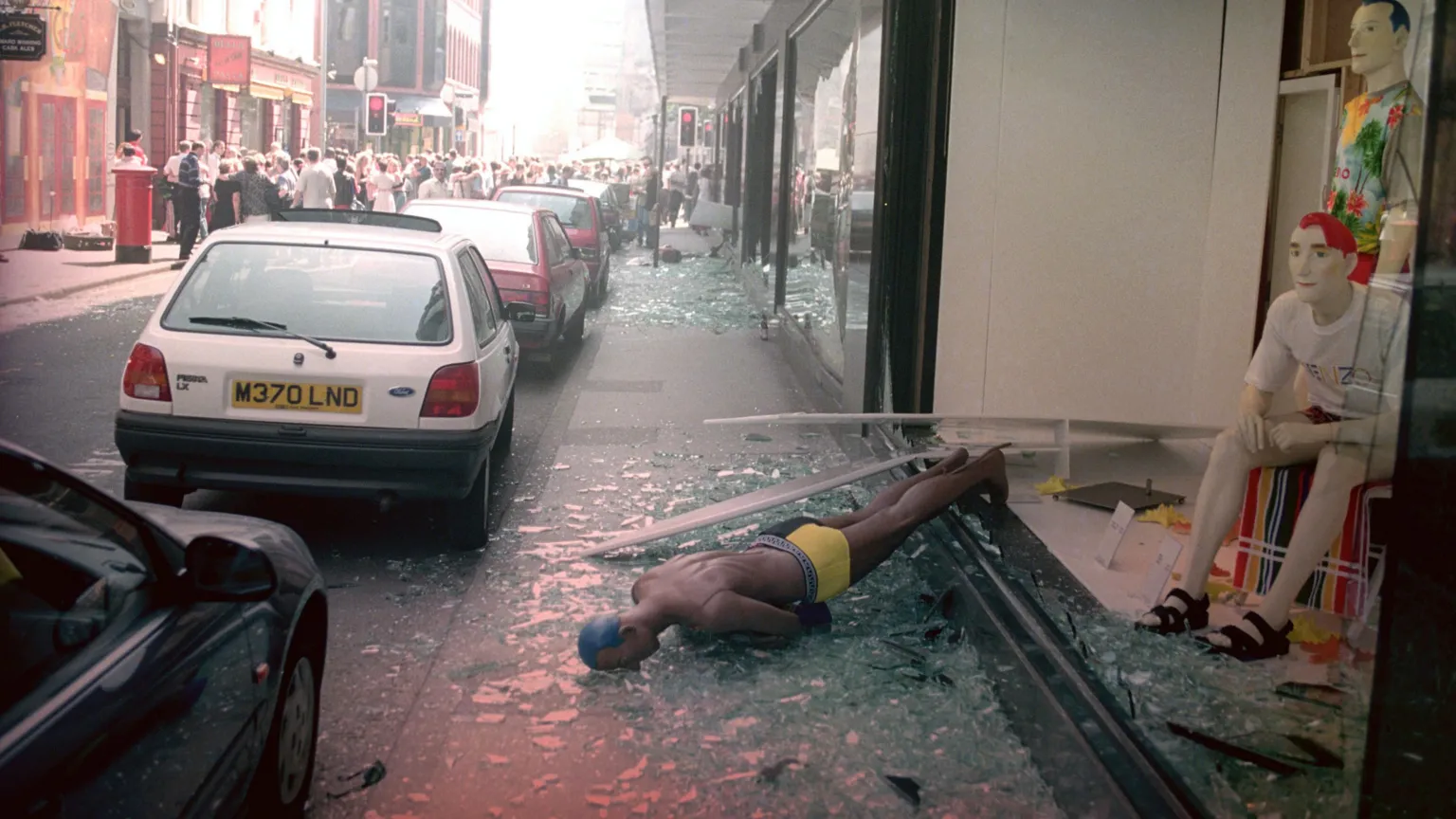
Just months later, in June 1996, a bomb detonated near Manchester Arndale shopping centre, injuring over 200 people. This was described as the most powerful bomb to explode in Britain since World War Two.
Evidence and Witnesses
The legal team representing the claimants has indicated it will present evidence from witnesses including former IRA members, retired police officers, and soldiers.
Two witnesses have been granted anonymity and will be screened from view during the proceedings.

Adams, aged 77, is expected to testify in his defense next week.
In a statement published last month in the Andersonstown News newspaper, Adams wrote:
"I anticipate a number of witnesses will give hearsay evidence that because I was a senior republican during the conflict I must be responsible for these specific events."
"I had no direct or indirect involvement in these explosions."
"I will robustly challenge the unsubstantiated hearsay statements that are the mainstay of the claimants' case."
Legal Context and Implications
The victims' legal representatives have noted that this will be the first occasion Adams is cross-examined in an English court regarding his alleged leadership role in the IRA.
The judge will determine liability based on the "balance of probabilities."
The legal action commenced in 2022, shortly before the Legacy Act prohibited new civil claims related to the Troubles; however, this ban is currently being reversed.
The claimants have raised over £100,000 through crowdfunding to support the case, stating they act not only for themselves but for all victims of IRA violence.
Following a pre-trial ruling, Adams is barred from recovering his legal costs from the claimants, which are believed to be in the six-figure range, should he successfully defend the case.
Background on Gerry Adams and the IRA
The IRA was responsible for approximately 1,700 deaths during the Troubles.
Adams was charged with IRA membership in 1978, but the case was dropped due to insufficient evidence.
His only convictions related to the Troubles were for two attempted prison escapes while interned without trial in the mid-1970s; these convictions were quashed in 2020.
He has previously been questioned in court about his alleged IRA involvement—at the Ballymurphy inquest in Belfast in 2019 and during a libel case against the BBC in Dublin last year.


