

Children's Voices Must Be Heard in Domestic Abuse Cases
The voices of children affected by domestic abuse must be heard and considered during police investigations and prosecutions, according to Jacqui Durkin, the Chief Inspector of Criminal Justice in Northern Ireland.
Durkin emphasized that the failure to adequately address what children experience in their homes requires urgent action. More than three years after the introduction of legislation aimed at tackling domestic abuse, she identified this as a fundamental weakness in the system.
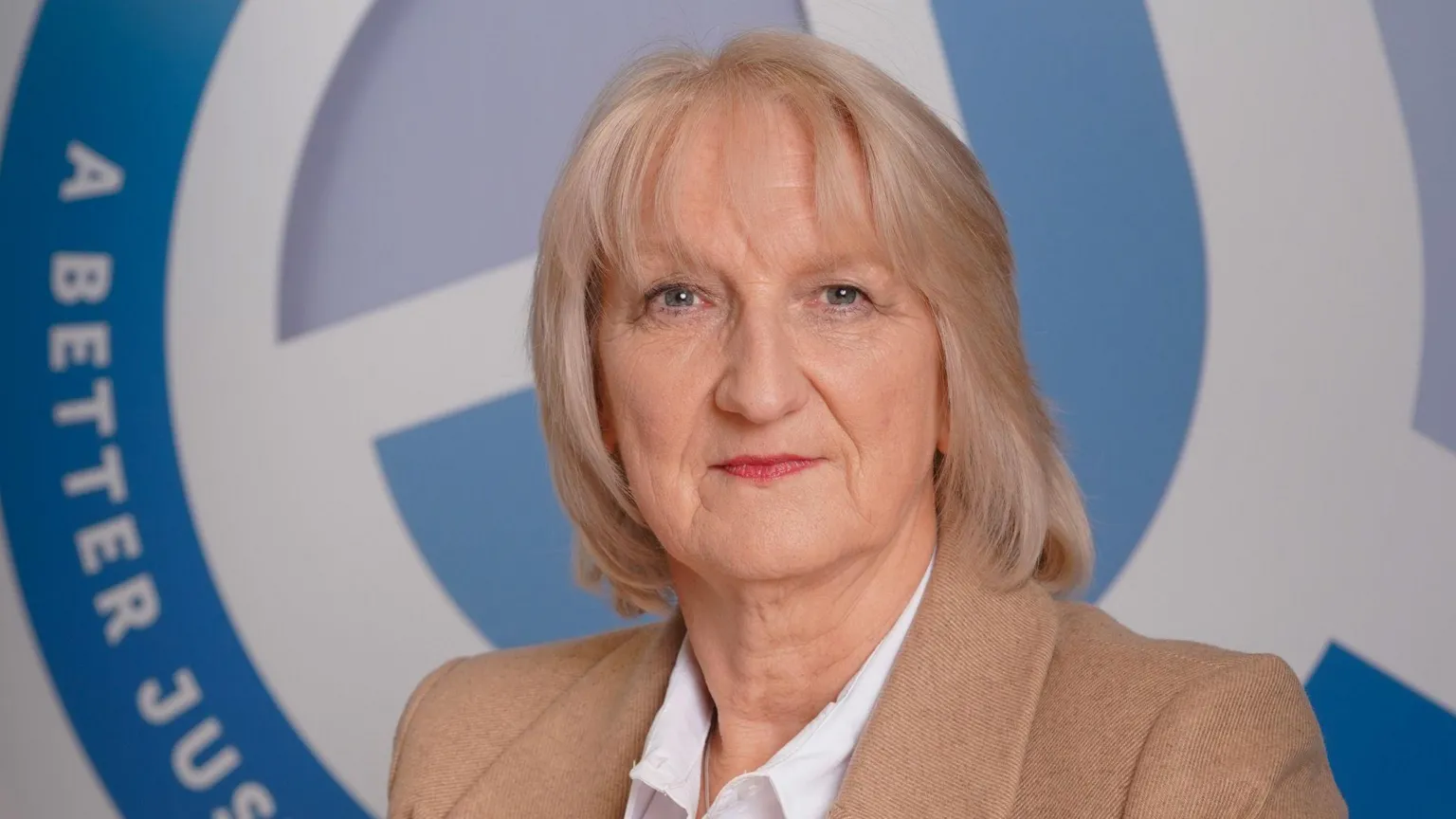
Detective Chief Superintendent Zoe McKee of the Police Service of Northern Ireland (PSNI) affirmed the force's commitment to ensuring victims' voices, including those of children, are heard.
Review of Domestic Abuse and Civil Proceedings Act (Northern Ireland) 2021
In the latest review of the Domestic Abuse and Civil Proceedings Act (Northern Ireland) 2021, Durkin noted that the number of cases where child aggravators were applied remains "very low." Child aggravators are legal provisions that enhance sentences when a child under 18 is present, witnesses, or is used to facilitate domestic abuse.
"When the abuse is recognised as being heightened or 'aggravated', judges can impose enhanced sentences when a perpetrator is convicted at court," Durkin said in a statement.
Speaking on BBC Radio Ulster's Good Morning Ulster, Durkin explained that the 2021 Act established aggravators specifically related to children, either as victims or where a child was present, witnessed the abuse, or was used by a perpetrator to facilitate domestic abuse.
A review of 73 police investigation files and 76 prosecution files found that the identification and application of child aggravators remained inconsistent and were often absent.
"The act's clear intention was to recognise the trauma and impact of domestic abuse on all victims," Durkin said in the statement.
"It established a legal obligation to identify any child who was a victim of domestic abuse, or a child who saw, heard or was present when the abuse occurred or was used by a perpetrator to facilitate abuse at a victim."
In 2024-25, one fifth of all recorded crimes in Northern Ireland had a domestic abuse motivation, and 16,025 referrals were made to education providers regarding children.
Durkin stated that the low use of child aggravators is "at odds" with the high number of domestic abuse incidents attended by police where children were present.
"The failure to adequately hear and respond to the voices of children and what they had experienced in their home was a fundamental weakness in the implementation of the act that requires urgent action," she said.
She further explained on Good Morning Ulster that the act's implementation "really needs skilled officers" who can "recognise when a child is present or has been in the home or has witnessed that abuse or is being used by another parent or caregiver to support the abuse that they are perpetrating." She noted that training is being provided to assist officers in this regard.
Inspectors also found that the quality and consistency of training provided to police officers, prosecutors, and Northern Ireland Courts and Tribunals staff was a "significant concern and had declined over time." The amount of dedicated domestic abuse training provided to student officers within the PSNI's police foundation training was also deemed "inadequate."
Responses from PSNI and PPS
In response to the Criminal Justice Inspection (CJI) report, Detective Chief Superintendent Zoe McKee stated:
"Domestic abuse remains a service priority and we are fully committed to delivering for victims and bringing offenders to justice.
We have already commenced a body of work to ensure the voices of children who are impacted by domestic abuse cases are clearly heard and feature in investigations.
Anything we can do to better safeguard victims and children who are impacted by domestic abuse, will be a priority."
She added that the PSNI is working on updating their IT systems to implement a "technical solution that assists officers in seamlessly adding child aggravators to case files." Officers have also participated in a series of domestic abuse awareness sessions.
Dr Richard Scullion, Head of Policy and Information at the Public Prosecution Service (PPS), said that tackling domestic abuse remains a "key strategic priority."
"Since the introduction of the 2021 Act, significant progress has been made across the criminal justice system, and the quality of our prosecutorial decision making remains high.
However, we recognise that more must be done collectively to improve outcomes for victims, including children and young people.
The Domestic Violence and Abuse Working Group, co-chaired by the PSNI and the PPS, will be working in the coming months to agree an action plan to address the findings of the report," Scullion said.
"A specific focus will be placed on the voices of children and the appropriate use of child aggravators."


