

Social media ban 'won't keep children safe', commissioner warns
Scotland's children's commissioner has stated that there is insufficient evidence to support the idea that banning social media for under-16s would effectively enhance online safety for children.
Nicola Killean cautioned that such a ban might push children towards less regulated or more hazardous areas of the internet. She emphasized that efforts should instead focus on holding social media companies accountable for their platforms.
Her comments were made in response to the UK government's consultation on the potential introduction of a minimum age requirement for accessing online platforms, including social media.
"A ban does little to address underlying issues such as exploitative algorithms, and business models that drive harmful content and engagement," she said.
Prior to submitting her response, the commissioner's office conducted a children's rights impact assessment to evaluate how the proposed measures could affect children and young people, considering both positive and negative outcomes.
Her team also collaborated with a group of young advisers aged between 12 and 17 from various parts of Scotland.
"Evidence shows that social media can expose children to serious risks, including harmful content, cyberbullying, manipulation, contact from strangers, exploitation and excessive use," said Killean.
However, she also acknowledged that social media can play a significant role in children's lives by facilitating communication, self-expression, access to information, participation, play, and connection with communities and support networks.
"The evidence so far on bans is limited, mixed, and still emerging. Blanket restrictions can risk shifting responsibility away from platforms and onto children."
Killean further warned that a ban could disproportionately affect certain groups of young people more than others.
She noted that such restrictions might have a more negative impact on children living in rural and remote areas, those with family overseas, disabled children, and those who depend on online communities for support with their identity.
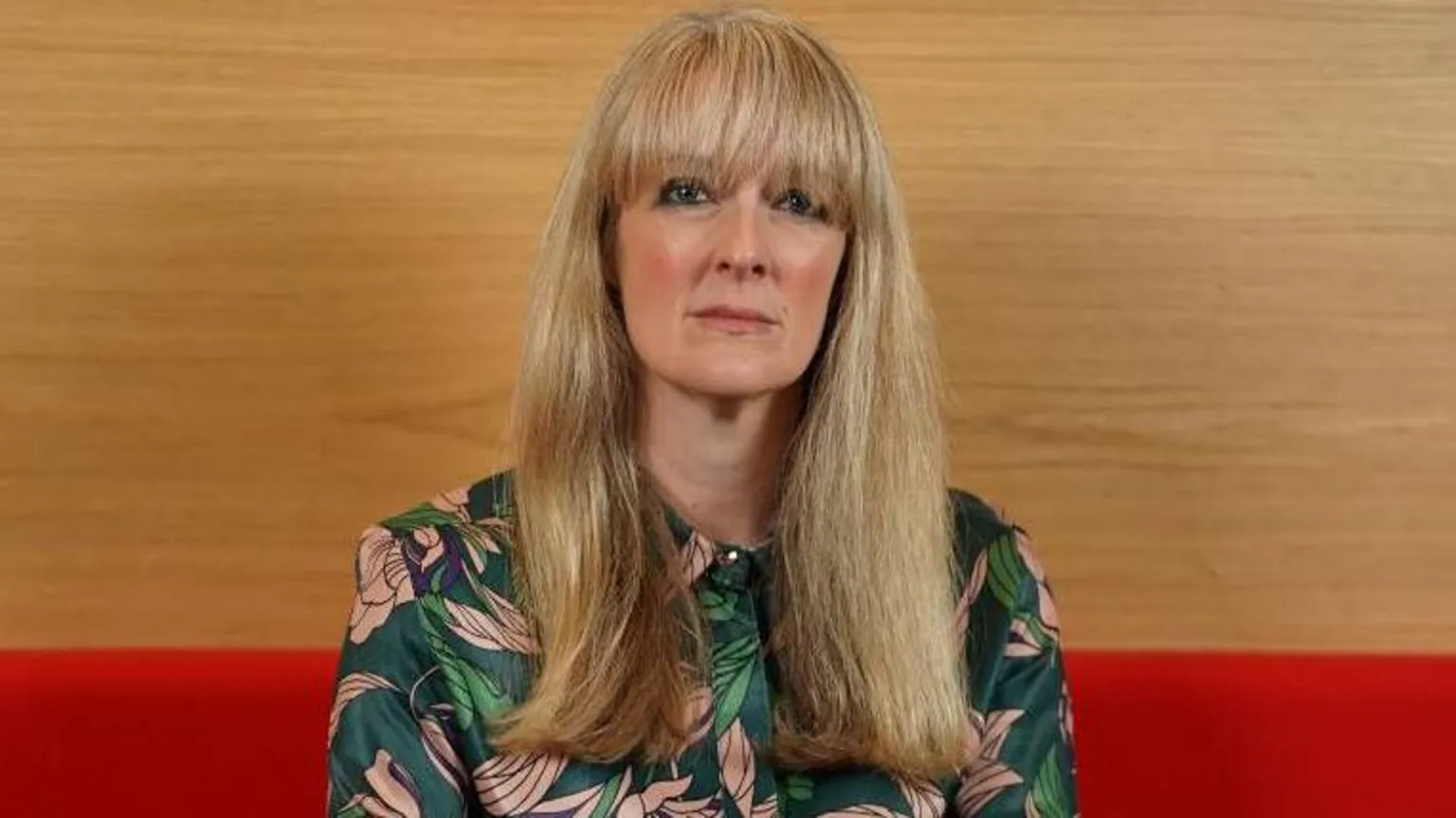
In her recommendations, Killean called for increased attention to platform design and accountability, alongside stricter measures against harmful features.
She also advocated for rules that take into account children's age and maturity, and stressed the importance of involving young people directly in shaping future policies.
Additionally, she emphasized that any new age limit should not weaken existing safeguards.
What is the UK consultation looking at?
The UK government initiated its "Growing up in the online world" consultation in March 2026 to explore ways to better protect children online.
The consultation is considering the introduction of a legal minimum age for social media use, alongside potential restrictions on features such as autoplay and infinite scrolling, as well as enhanced age verification processes.
This review is part of broader efforts to build upon the Online Safety Act, with government officials stating that it will help inform future legislation regarding young people's internet use.
More than 81,000 responses were submitted before the consultation closed. Prime Minister Sir Keir Starmer has pledged that ministers will act swiftly once the findings have been analyzed.
Speaking earlier this week, Sir Keir stated:
"I'll be really clear, the question now is not whether we do something, we are going to act. I'm absolutely clear that this needs to be something where there's a game-changer."
He added:
"The question is only what we do, and that will be coming very quickly, because we took powers earlier this year to make sure we can act very, very quickly."


