
Local Councils Plan Heating Oil Support Distribution
Councils in Berkshire are currently working on policies to allocate financial support to households dependent on heating oil, following the government's confirmation of additional aid. Despite the announcement, the process of deciding how to distribute the funds is expected to take some time.
Last month, Prime Minister Sir Keir Starmer revealed that £53 million would be distributed nationwide to assist those affected by soaring heating oil prices, which have increased due to the US-Israel conflict involving Iran.
Before the funds can be distributed, local authorities must develop and approve policies detailing how their share of the money will be allocated to eligible residents.
Stuart McKellar, executive director of resources at Bracknell Forest Council, explained the situation:
"As it is a new scheme, the details on how and where the funding will be used is still being determined."
It is estimated that up to 30,000 households across Berkshire rely on heating oil for their energy needs, with 3.6% of households nationally using this fuel source.
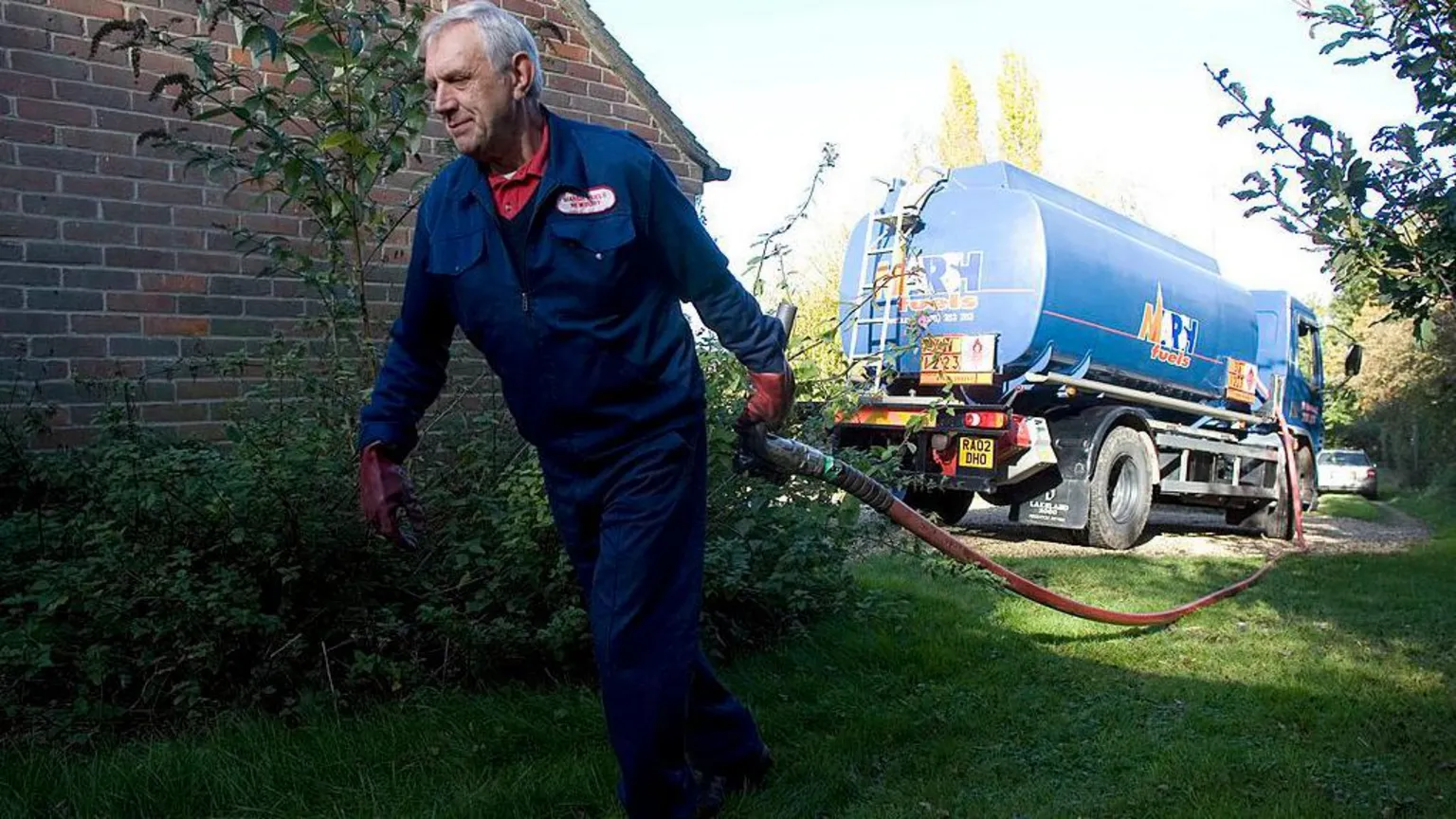
Unlike consumers who use gas and electricity for heating and hot water, those using heating oil are not protected by price caps set by the energy regulator Ofgem.
Jonathan Pinnock, director at Thatcham-based JPS Fuels, noted the significant price increases his company has experienced since the conflict began in February.
"Obviously, we are a business, we had to pass the costs on,"
"Everyone who ordered before the war kicked off got their fuel at the price that was agreed but for us generally it's made our lives a lot more difficult."
"At the moment we can't offer fixed pricing because the oil market is just so volatile."
Government's Crisis and Resilience Fund
The government launched the £1 billion Crisis and Resilience Fund on 1 April, replacing the temporary Household Support Fund and Discretionary Housing Payments.
The government stated that the new fund will provide a "single, streamlined grant cutting red tape for councils and making it easier for families to access help when they need it."
The Royal Borough of Windsor and Maidenhead, Bracknell Forest, Slough, West Berkshire, and Wokingham councils have all indicated that they will soon decide how to implement the Crisis and Resilience Fund within their jurisdictions.
Reading Council announced that it will not receive additional funding for heating oil support, citing its predominantly urban makeup and very low demand for heating oil.
Advice for Residents
Nicola Miller, chief executive of Citizens Advice East Berkshire, emphasized the importance of early communication regarding energy needs.
"The key thing is to understand what your energy needs are and to get that advice sooner rather than later.
Go to your supplier and have that conversation rather than getting into any energy debt."


