

Investigation Uncovers Leading People Smuggler
A prominent people smuggler, whose network is believed to be responsible for the majority of illegal cross-Channel journeys in recent years, has been identified through a BBC investigation.
The 28-year-old Iraqi Kurd has evaded arrest for several years by operating under the alias "Kardo Ranya". His true identity remained a closely guarded secret, complicating law enforcement agencies’ efforts to issue an international warrant for his arrest.
The absence of information about Kardo Ranya's real name has also hindered police forces across Europe in tracking his movements or pursuing leads beyond their jurisdictions.
However, through contacts within the smuggling community, BBC journalists Rob Lawrie and a colleague traced a path from migrant camps on the northern French coast to Iraqi Kurdistan. They obtained Kardo Ranya's real identity and details, culminating in a direct confrontation. This investigative journey is detailed in the BBC Radio 4 podcast, Intrigue: To Catch A King.
Kardo Ranya is believed to manage a smuggling operation with routes extending from Afghanistan to the UK.
He adopted his pseudonym from the town of Ranya in Iraqi Kurdistan, where he is thought to originate. This region, autonomously governed, is described as "riddled with active smuggling networks" according to a 2024 report by the international affairs think tank, Chatham House.
"We'd say the majority of the small-boat criminal business model is controlled by Kurds," said Dan Cannatella-Barcroft, acting deputy director of the UK's National Crime Agency (NCA).
Several smugglers linked to Ranya have recently been targeted by the NCA, Cannatella-Barcroft added.
This aligns with information from a smuggler in a French migrant camp, who referred to the controlling network of the cross-Channel trade as the "Ranya Boys."
While Kardo Ranya's real name remained undisclosed, he has not hesitated to display his face in social media advertisements promoting his smuggling services. He has posted videos showcasing luxury life in London and testimonials from apparently satisfied customers who have completed the journey to the UK.
A former smuggler revealed that Kardo Ranya's network charges approximately €17,000 (£15,000) to transport a migrant from Iraq to the UK. Although this fee is often higher than competitors’, the network claims to provide a safer journey and VIP service for those who can afford it.
"[Kardo Ranya] charges more," the former smuggler said, "but still the migrant goes to him."
Despite these claims, the journey across the Middle East and Europe remains illegal and perilous at nearly every stage, resulting in fatalities among migrants.
Small-Boat Crossings and Migrant Demographics
Since 2020, small-boat crossings have become the most common method for people detected entering the UK illegally. Nearly all arrivals via this route claim asylum, citing persecution or violence in their home countries.
The vast majority of those crossing the Channel are under 40 years old. Men and boys accounted for nearly nine in ten small boat arrivals between 2018 and 2025.
As of December 2025, 103,426 people were housed in asylum accommodation across the UK, including hotels, houses of multiple occupation (HMOs), and former military sites.
Tragic Journey of a Young Man from Ranya
In a French migrant camp, the story of a 24-year-old man named Shwana from Ranya was recounted. He made the journey from Iraqi Kurdistan to the English Channel in November last year.
Shwana was among approximately 100 people placed on a boat designed for fewer than 20 passengers. According to a fellow passenger, smugglers pushed the boat out to sea but remained on shore themselves.
Mid-voyage, the boat began to sink. Most passengers were rescued by a coastguard patrol and returned to France, but four individuals, including Shwana, were lost overboard in the darkness. His body has never been recovered.
The crossing had been coordinated via a WhatsApp group, according to the fellow passenger, who showed a mobile phone number used by the smugglers. This number also appeared in one of Kardo Ranya's social media advertisements.
BBC journalists later spoke with Shwana's family in Ranya. They stated that he had been influenced by advertisements promising a more prosperous life in the UK.
High unemployment and limited prospects in Iraqi Kurdistan have made it easier for gangs to entice young people to risk everything on a journey to Europe and the UK.
"The voice of the smugglers is louder than the voice of the media and the voice of the government," said Dr Hemn Merany, the region's interior minister.
However, many families in Ranya, like Shwana's, mourn lost loved ones, and there is growing willingness to speak out against the smuggling trade.
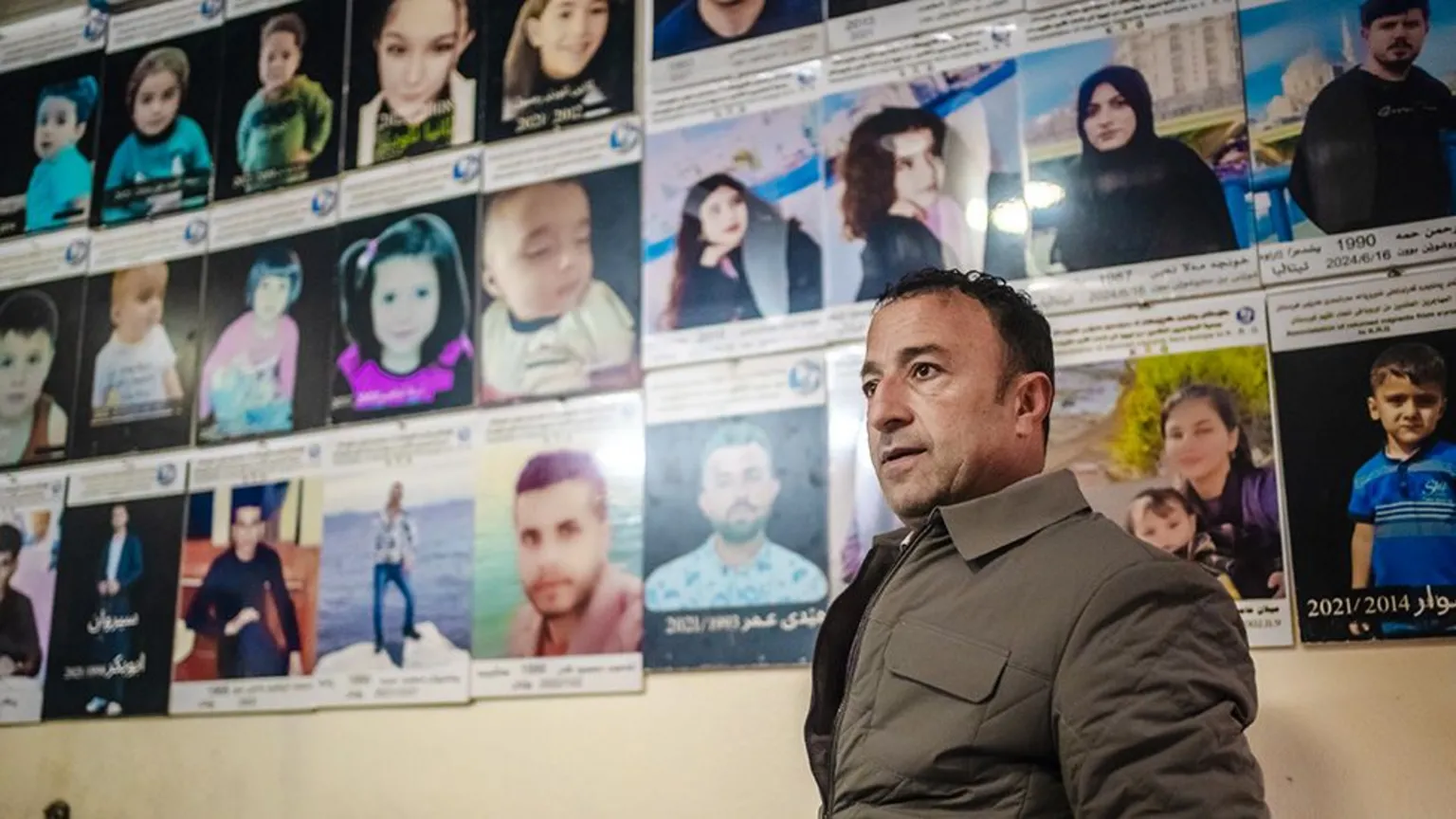
A small museum in Ranya has been established to commemorate local people who have died attempting boat crossings. Its walls are adorned with hundreds of photographs.
The museum's owner, Bakra Ali, requires 24-hour police protection due to death threats from local smugglers but remains resolute.
When shown a picture of Kardo Ranya, Ali immediately recognised him. Although unaware of his real name, Ali provided contact details for some low-level smugglers who might know it.
Revealing Kardo Ranya's True Identity
Through WhatsApp communication with one of these contacts, the BBC initiated contact. The individual claimed a close relationship with Kardo Ranya, describing them as "closer than brothers," which raised questions about his motives for engaging with the investigation.
After several days of exchanges, Rob Lawrie received a text message: "Are you ready?" The screen then went dark for 15 minutes before displaying a document containing Kardo Ranya's photograph, date of birth, and most importantly, his real name: Kardo Muhammad Amen Jaf.
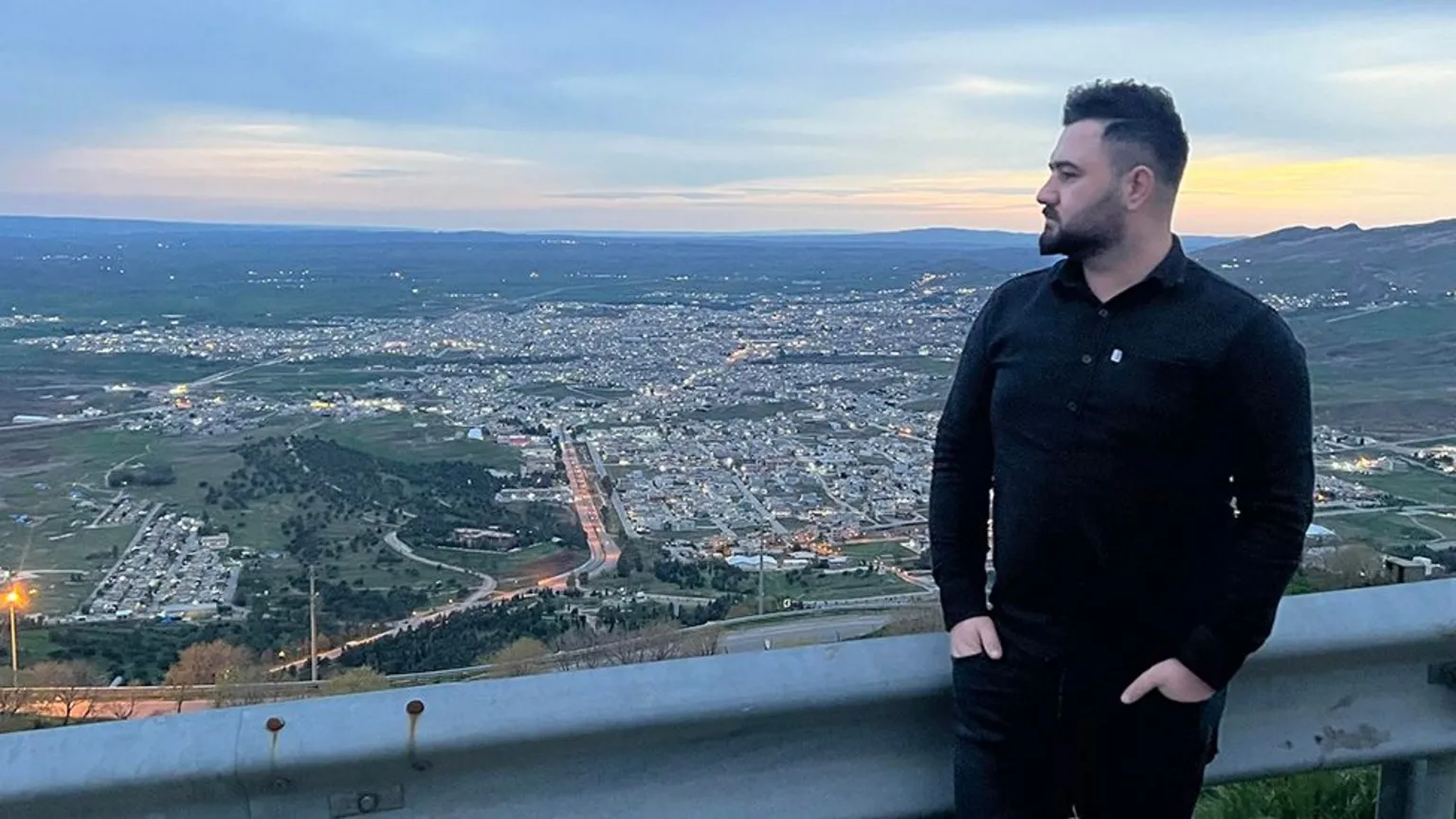
Following this revelation, the BBC decided to confront the man directly with allegations of people smuggling.
Using a WhatsApp number linked to Kardo Ranya and his associates, a translator posed as a prospective migrant with funds to fly his entire family to the UK. The translator spoke with a person who quoted £160,000 for a VIP service, involving a flight to an airport outside London for security reasons, followed by a pickup to the family's destination.
The translator expressed hesitation, citing his wife's nervousness, and left a contact number to encourage a follow-up.
A few days later, Kardo Jaf returned the call. When confronted with the investigation's findings, he denied being a smuggler, stating he only advised people on leaving Iraq and did not believe he had committed any offense.
Regarding the Channel crossing in which Shwana disappeared, Jaf acknowledged awareness that one passenger was missing but denied responsibility.
Jaf ended the call abruptly, and the number from which he contacted the BBC has since been disconnected.
Legal Actions Against Collaborators
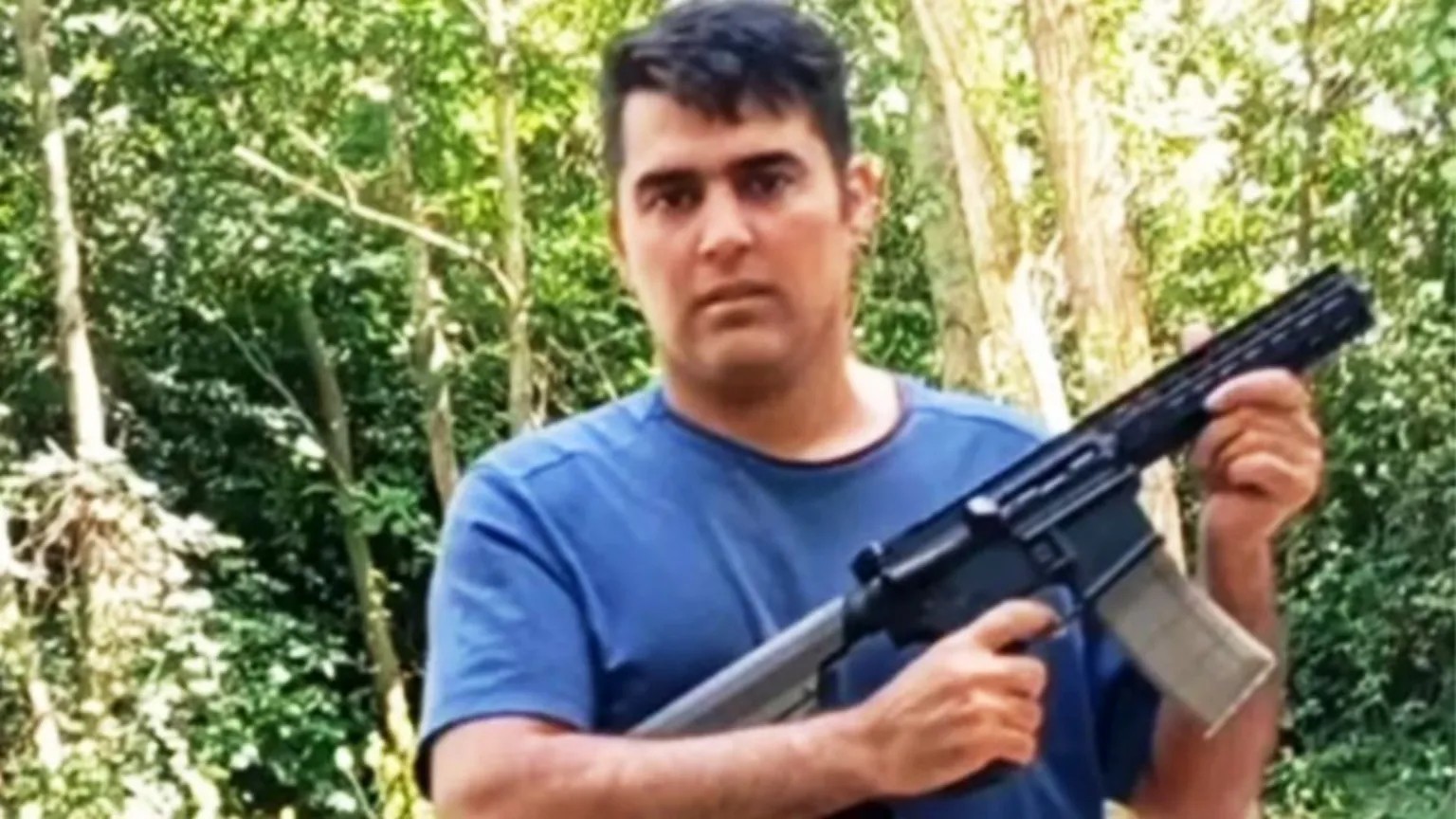
Meanwhile, one of Jaf's associates, Noah Aaron, has recently been sentenced to 10 years in prison in France.
Aaron, also a member of the Ranya Boys, had been active in facilitating illegal migrant crossings to the UK since 2019.
He was convicted of multiple offenses, including money laundering and organising the illegal entry, movement, or stay of foreign nationals.
Despite being wanted in multiple countries and linked to two deaths in the English Channel, Aaron managed to move between the UK and Europe undetected for several years.
Challenges Post-Brexit
The Immigration Services Union notes that Brexit has complicated access to information on potential criminals.
"We're no longer in Europe, we no longer have a data-sharing agreement with many of the countries in Europe. So we don't see lower level [criminal] records," said Lucy Moreton of the union.
"Also we don't see their immigration records. Where once we would know if someone had claimed asylum elsewhere in Europe and been unsuccessful, or even been successful… we don't have access to that data any more."
With his real identity now exposed, it may become more difficult for Jaf to cross borders unnoticed. He is currently wanted for questioning by at least one European police force, though his current location remains unknown.
Additional writing by Ben Milne.



