

Grooming Survivors Prosecuted as Children Continue to Be Failed, Says Baroness Casey
Children who were groomed, sexually abused, and subsequently prosecuted for crimes, including prostitution, continue to be failed, according to Baroness Louise Casey, author of a landmark report on the issue.
Baroness Casey, who led the national investigation into grooming gangs, urged the government last year to quash convictions of victims who were criminalised instead of protected. In response, the government introduced legislation pardoning "child prostitution" offences.
However, in an exclusive interview with the BBC, Baroness Casey criticised this approach as the "lazy option" that falls short of what is needed. She advocated for a comprehensive scheme to review and quash all wrongful convictions of victims.
"I feel that they've gone for the easy option and, if I'm being more brutal, [the] lazy option of not setting up a disregard scheme with enough thought, enough care and enough action," Baroness Casey told the BBC.
She added that, so far, "they have failed" in adequately addressing the issue.
The Home Office stated it would pursue Baroness Casey's recommendation to review criminal convictions potentially influenced by individuals' experiences of childhood sexual abuse.
A spokesperson said: "We encourage all those affected by these convictions to get in touch with the Criminal Cases Review Commission."
Survivors Speak Out Decades Later
The BBC has interviewed women who, decades after their abuse, report still being punished for crimes into which they were coerced.
Joanne (not her real name) is among thousands groomed and sexually abused as children but criminalised from the 1990s through the 2010s instead of protected.
Groomed from age 15, Joanne said she was raped and sexually exploited over several years by more than 500 men across the country.
Repeatedly arrested as a child, she was treated as an offender and brought before the courts despite being under 18.
At 17, she received her first conviction in Wolverhampton for loitering and soliciting in the early 1990s. In court, she was labelled a prostitute, a term she did not understand emotionally or mentally at the time.
"I didn't have the mental or the emotional maturity to understand what that meant," she told the BBC. "But now – in her 50s – she recognises she was being raped."
"Everybody told me that I was this problem - that I was guilty and I had committed a crime," she said.
Joanne’s criminal record includes more than 40 prostitution convictions, which have hindered her ability to apply for jobs, attend college, travel abroad, and even volunteer at her children’s school.
She and thousands like her are set to be pardoned for loitering or soliciting under the new legislation. However, Joanne said the law does not go far enough.
She holds soliciting convictions from when she was 18 and still trafficked, but the law change does not cover adult convictions, which will remain.
Joanne also seeks financial compensation for the significant impact her criminal record has had on her life.

Baroness Casey Labels Government Response a 'Lazy Option'
Baroness Casey’s national audit into group-based child sexual exploitation was published in June last year, with the government accepting all 12 recommendations.

A full statutory national inquiry and policing operation are underway, including targeted local investigations.
One year on, Baroness Casey acknowledged "huge progress in many areas" but said the government had not moved far or fast enough regarding quashing convictions of child sexual exploitation victims.
"Just doing an expunging of child prostitution offences is not good enough, it's not quick enough, it's not clever enough and the system can do an awful lot better, an awful lot more quickly."
Under the new laws, thousands of grooming and child sexual exploitation victims will not have their convictions removed because the legislation only disregards "child prostitution" offences.
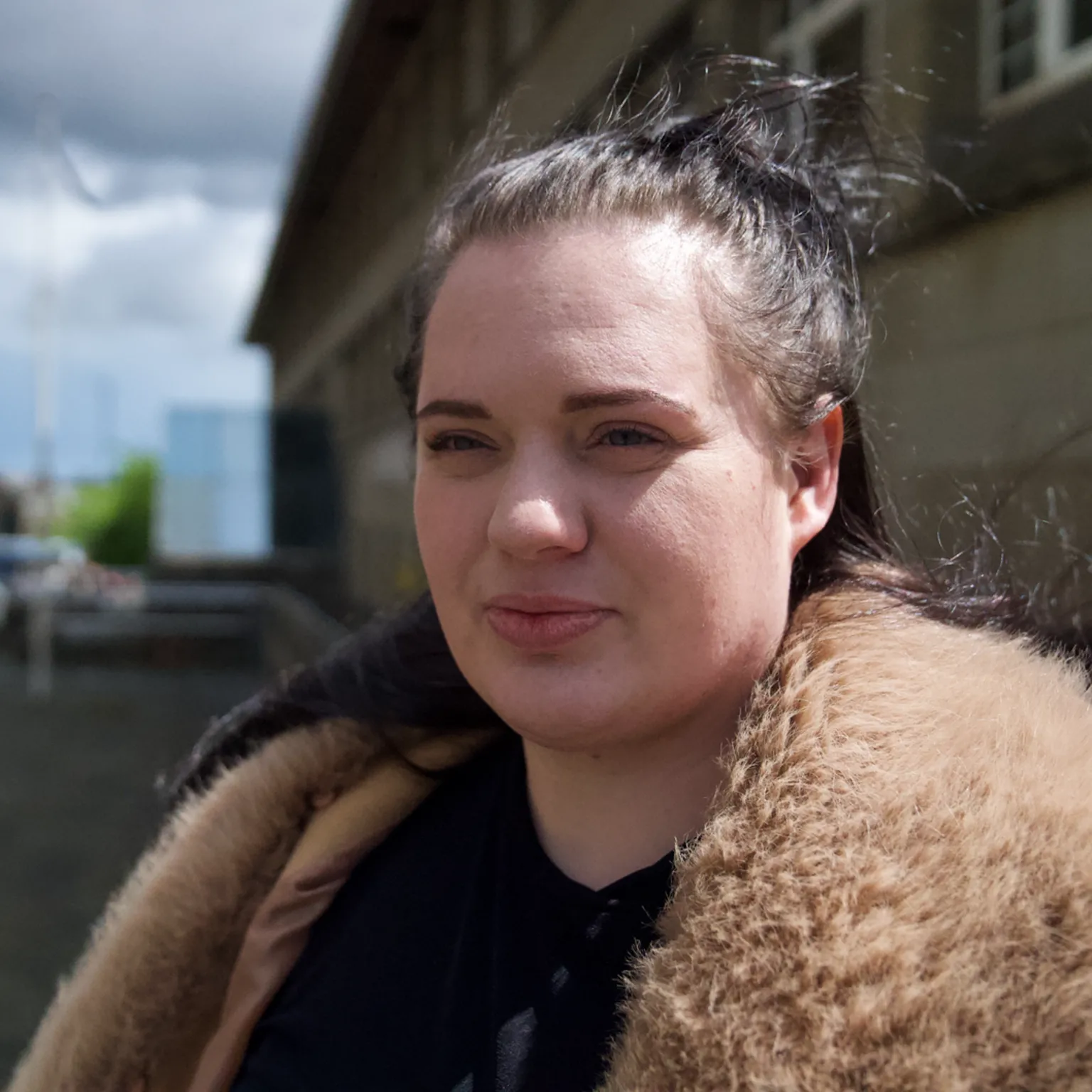
Fiona Goddard’s Story
Fiona Goddard was targeted by a grooming gang as a teenager while living in a children’s home. Nine men were convicted in 2019 for raping and trafficking her in Bradford.
She was arrested numerous times between ages 13 and 18, when she escaped her abusers, and estimates having between 30 and 50 convictions.
"Many of them were for public order offences or I'd go back to the care home after being raped and beaten and I'd be emotionally dysregulated," she said.
Fiona explained that care homes were not permitted to offer comfort or hugs; instead, she would be restrained, leading to fights back and arrests for common assault or criminal damage.
She described repeatedly breaching court orders because her perpetrators would "chop my electronic tag off and throw it in a bush" and missing court dates while locked away in "rape houses."
"The government's decision to only remove convictions for child prostitution offences feels like they're trying to wipe away the evidence of their mistakes and their incorrect labelling rather than actually trying to fix an issue," Fiona said.
"I want all survivors to have their cases reviewed individually."
Jamie Leigh Jones’ Experience
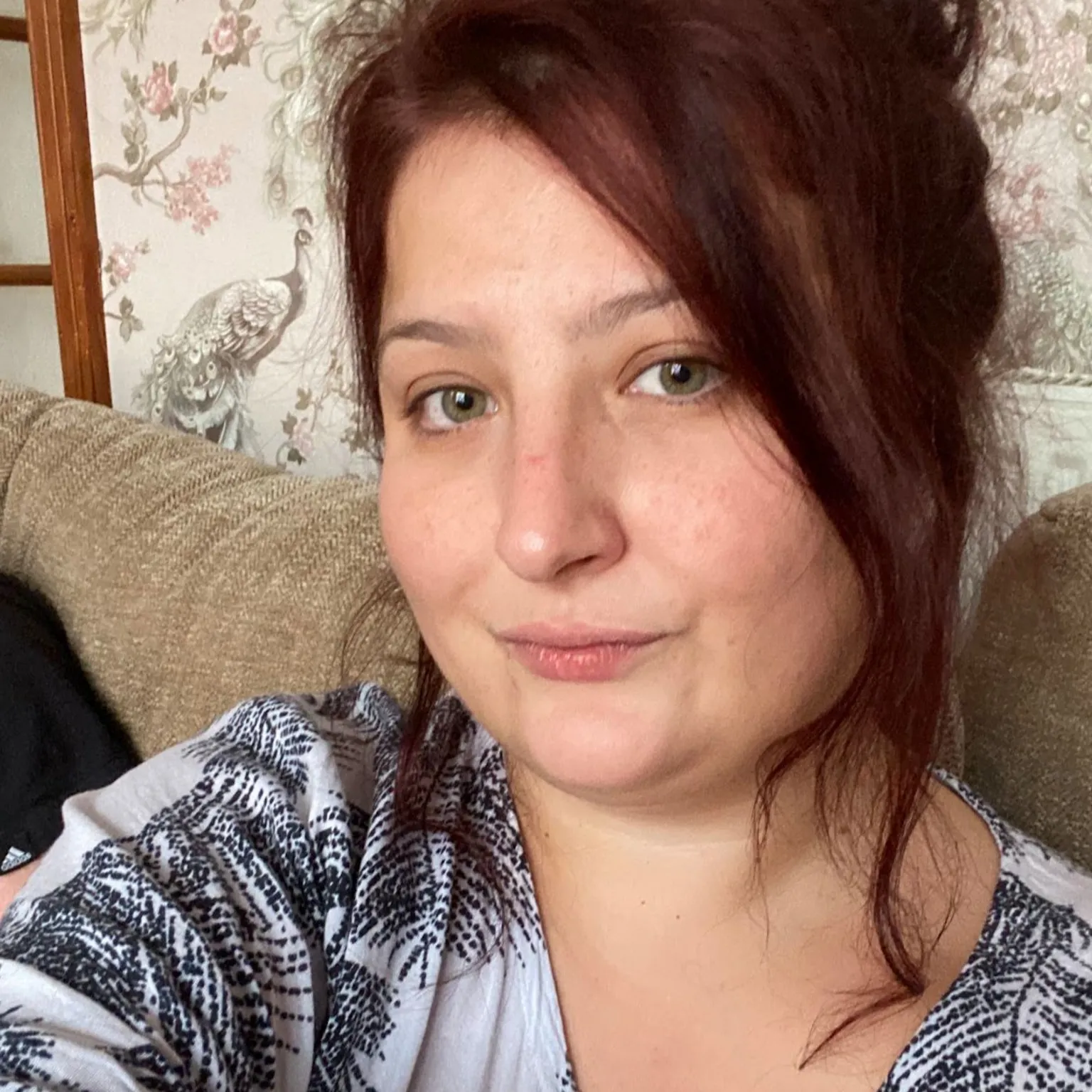
Jamie Leigh Jones was abused from age 12 by a grooming gang in Oldham. She received her first conviction for public order offences at 13.
"I think I was arrested over 100 times when I was a kid," she said. "When you're a child, and you're filled with alcohol and drugs, and these awful things are happening to you, and no-one's listening to you, it's like a call for help."
Instead of support, magistrates in Oldham publicly named and shamed her following a conviction for an anti-social behaviour order related to an incident at the town’s main bus station.
"My face was plastered all over the newspapers. It made me an even bigger target than I already was. I just felt like the world was against me and I was on my own I didn't have anyone," she said.
At 14, Jamie was sentenced to four months in the Red Bank Secure Unit, a now-closed juvenile detention centre in Merseyside that housed some of Britain’s most serious young offenders, including Jon Venables, the killer of toddler James Bulger.
She described being "locked up" as horrendous and said all grooming victims deserve individual case assessments and criminal record wipes.
Government Response and Challenges
The government stated that grooming victims with convictions unrelated to prostitution could apply to the independent Criminal Cases Review Commission (CCRC), which can refer relevant convictions to courts if there is a real possibility of a successful appeal.
"We have already changed the law to introduce a disregard scheme for those who were cautioned or convicted of on-street prostitution offences as children. The first case for convictions outside of the scheme has now been referred to the courts to be reviewed, and we are backing victims with a historic investment of £100 million to tackle child sexual abuse," the government said.
Joanne applied to the CCRC to have her prostitution convictions reviewed but was rejected. Despite acknowledging her convictions were linked to trafficking and coercion and that she would be treated as a victim under current laws, the CCRC stated the convictions were lawful at the time.
Joanne expressed exhaustion after fighting a system she believes continues to punish her.
"They're just brushing it all under the carpet," she said. "They need to compensate us. They need to validate the harm, the systemic harm that it caused us for the rest of our lives."
Regional Approaches
The new law applies only to England and Wales. The Scottish Government has an ongoing strategy to tackle commercial sexual exploitation, including improving support for victims of recent and historic abuse.
In Northern Ireland, the Department of Justice is reviewing the pardons and disregards scheme, aiming to present new proposals to the Executive in the next Assembly mandate.


