Balancing Roles: Teacher and Mother
Dena Tickner sometimes experiences feelings of guilt.
"I'll be snappy with them when it absolutely isn't their fault."
Tickner is both a teacher and a mother of two children. She resumed her teaching career about four years ago after taking an eight-year break to raise her children. Initially, she worked part-time before moving back to full-time employment.
She describes the challenge of balancing teaching and parenting as a "juggling act," emphasizing the importance of establishing boundaries and routines to manage daily responsibilities effectively.
"You feel like you don't get that moment to reset yourself between being a teacher and then coming home and being a mum."
The NASUWT teachers' union reports that the majority of respondents in a recent survey indicated difficulties in balancing work duties with parenting. Seven in ten respondents considered leaving teaching due to the impact of their work commitments on their children.
"I have considered leaving teaching, and have looked at other jobs outside the profession,"Tickner says, adding that the salary she has attained at this stage of her career would be difficult to match elsewhere.
Her husband works from home, which provides significant support for the family. Tickner advocates for greater flexibility for teachers as well.
The government is addressing this issue as part of its commitment to recruit 6,500 new teachers. It recently updated guidance on flexible working aimed at schools and teachers interested in requesting flexible arrangements.
Annual data published last year indicated a slight improvement in teacher retention for 2024-25, although the number leaving the profession remains high compared to previous years.
Tickner notes that some schools find it challenging to accommodate part-time or flexible staff due to the necessity of maintaining adequate staffing levels daily.
"For me, more flexibility could be the difference between teachers staying in their jobs, or deciding to leave."
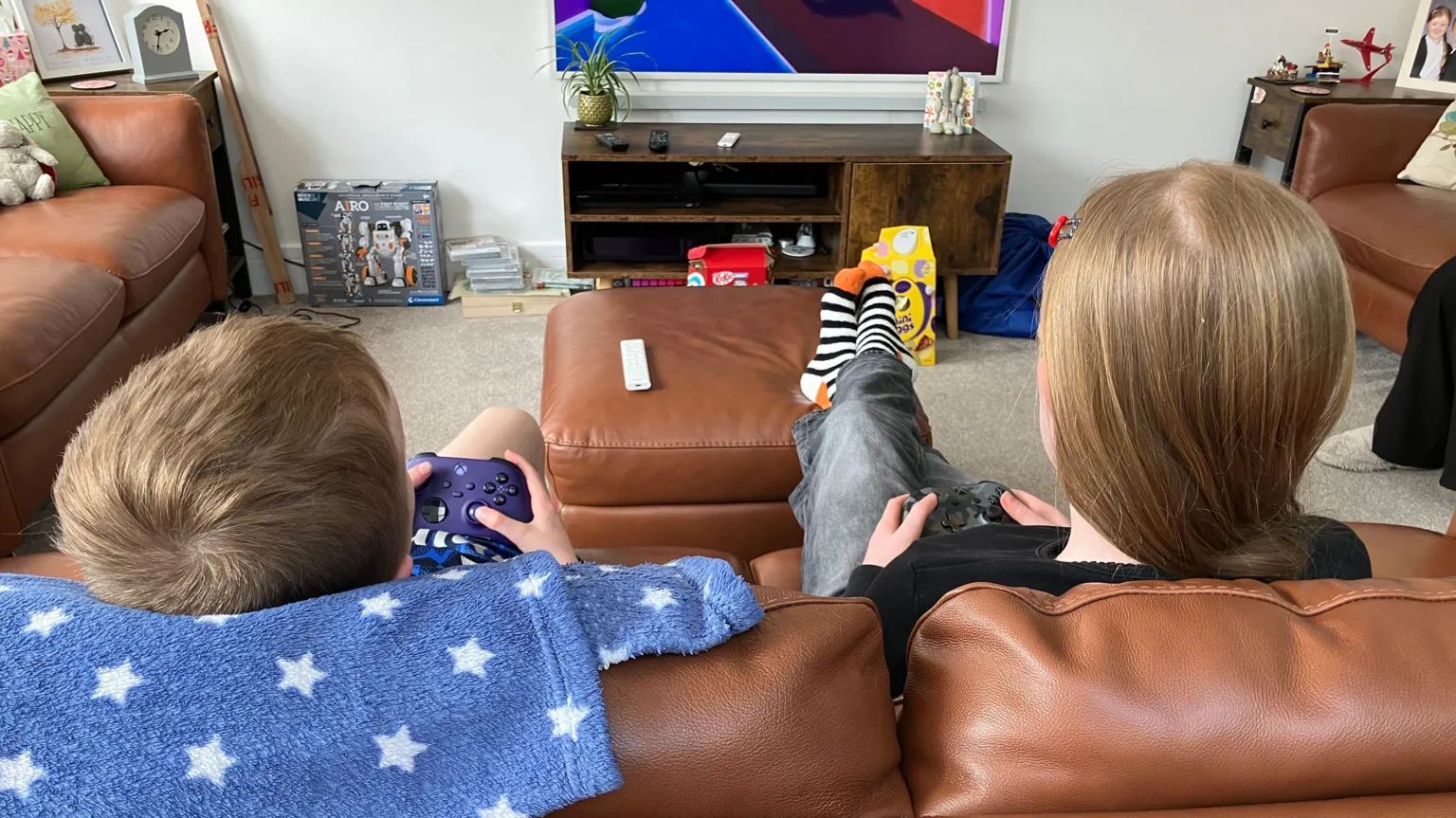
The Weekdays
For Tickner and her family, the weekday begins at 06:00 when she and her husband wake, prepare, and have breakfast.
She leaves home at 07:30 with her son Samuel to drop him off at the breakfast club at his primary school, while her daughter Jennifer walks to her secondary school independently.
Tickner arrives at her school by 08:00, with pupil registration commencing at 08:30.
"I've got half an hour - that may be doing some last-minute printing or checking emails to see if there are any changes to the day,"she explains.
On Mondays, Tickner participates in a cover rota, which may require her to take over lessons different from those she had planned.
She describes teaching as an "all-consuming role," noting that managing behavioural issues in the classroom can be emotionally taxing and difficult to leave behind at school.
"There's many children now with complex needs that you've got to take into account when you're teaching,"she says.
"It is hard, sometimes, not to take that home."
"I have been known to utter the phrase: 'I've spent a day being ignored by other people's children, I don't expect to be ignored by my own.'"
The school day ends at 15:00, followed by teacher training sessions every other Monday.
Tickner tries to complete as much lesson planning as possible during school hours to leave by 17:00.
Planning consumes much of her time outside of teaching hours.
After school, she collects her son from after-school club and arrives home around 18:00 for dinner.
"It can be as late as 10:30 in the evening that I can sit down and have time to myself or with my husband,"she notes.
Her workday varies through the week, with staff briefings and department meetings on Tuesdays and Wednesdays.
As head of department, Tickner is responsible for planning and delivering these hour-long sessions.
On Thursdays, after the school day, she attends academic board meetings every other week and hosts revision sessions for Year 11 students, often staying two hours beyond the school day.
Her children participate in after-school activities: Jennifer attends guides on Wednesdays, and Samuel attends cubs on Thursdays.
Fridays focus on preparing for the upcoming week.
"I make sure my lessons are prepared for the Monday so there are no surprises, sometimes there are phone calls to parents to make, they have to be fitted in as well."
Like many teachers, Tickner sometimes works in the evenings, which leads to increased screen time for her children, more than she prefers.
"That can also create conflict and arguments in the home as well, as they don't always take too kindly to being told that screen time is over,"she says.
"It feels like it could be avoided if I could focus more on them rather than work. It feels like you're just ignoring your own children."
She reflects on her daughter's transition to secondary school, feeling she could have provided more support but was overwhelmed with work at the time.
"It can be emotionally exhausting,"she admits.
"I know that I am sometimes not the best mum myself when I get home."
Tickner acknowledges that school holidays provide an advantage for childcare but notes that term-time work intensity requires holiday periods to reset.
She also mentions the financial constraints of holiday travel and the ongoing need to catch up on work or prepare lessons.
During the recent Easter holidays, she supported Year 11 students with revision. In summer, she will be present on exam results day and, as head of department, will provide analysis and feedback reports on those results.
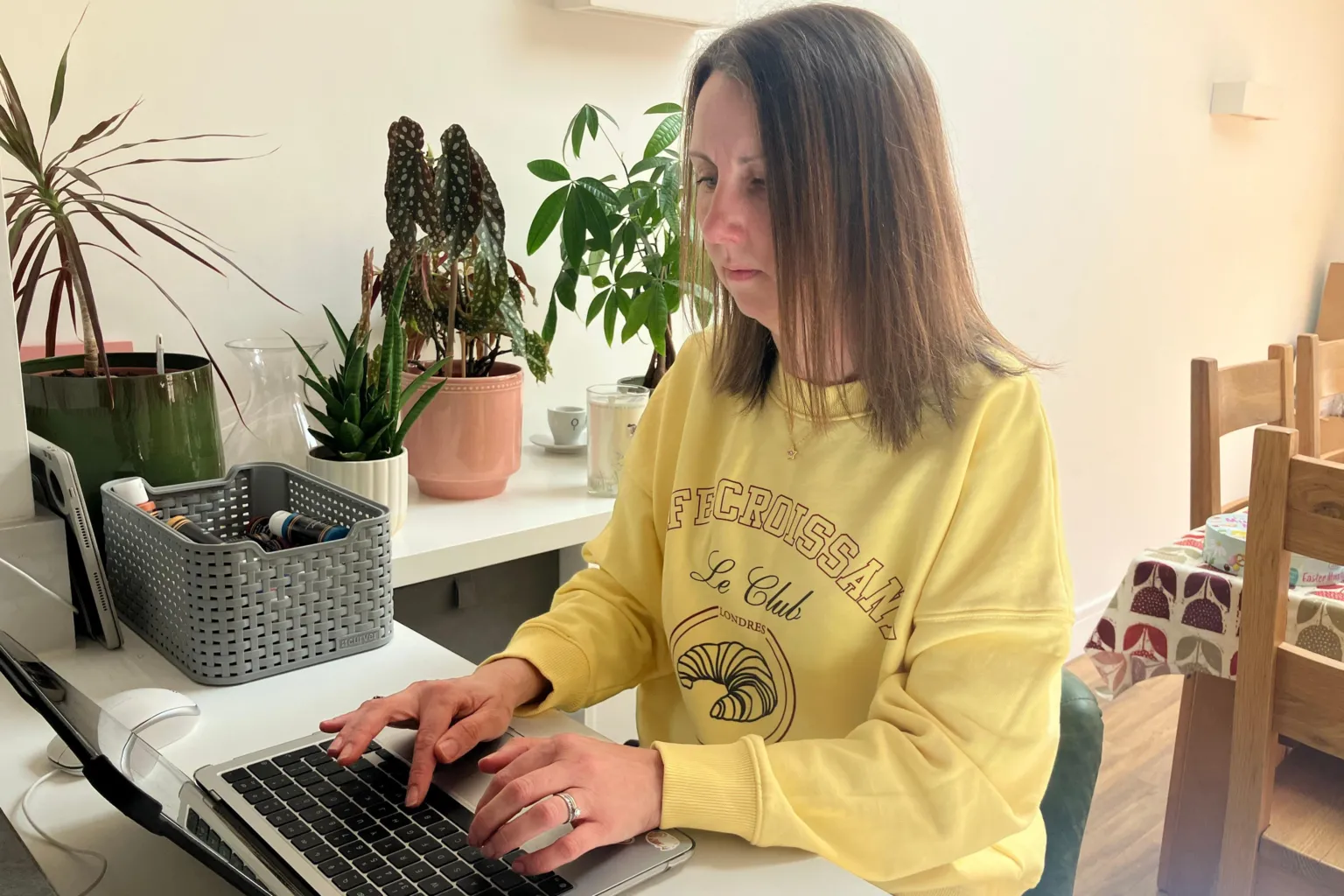
The Weekends
On weekends, Tickner attempts to organize her time to maximize moments with her children while completing school work.
When working part-time, she had the "luxury" of avoiding school work while her children were home. Now, with full-time work, she limits school-related tasks to about two hours on Saturday or Sunday afternoons, accommodating her children's swimming lessons and son's cricket matches.
"You sort of swap one job for another one really,"she says.
"I need to do the meal planning, washing, ironing. That's another mum-wife job that I do at the weekend to make sure the weeks run smoothly."
Weekends also include family activities.
However, Tickner experiences guilt when unable to spend as much time with her children as desired.
She notes an expectation to offer after-school or even virtual sessions on weekends, which can evoke feelings of conflict and emotion over missing her children's milestones.
Having been a stay-at-home mother when her daughter started school, she was able to attend all events such as school plays and parent evenings.
Since returning to full-time work with her son, she has had to prioritize attendance.
"I've had to prioritise what I go to and what I don't,"she says.
"It makes me feel bad for not being able to support my son in the same way as I did my daughter."
Tickner credits her ability to manage workload to her husband's remote work and support, stating she "can't imagine doing it all completely on my own."
She emphasizes the importance of flexibility in retaining teachers like herself.
"It is really hard to maintain that balance,"she says.
"There needs to be a more flexible approach again in schools. I think that would do a lot to retain female teachers."