

Arran Ferry Services Suspended Due to Technical Fault on MV Glen Sannox
Ferry services on the primary route to Arran have been suspended following the detection of a new technical issue with the CalMac vessel MV Glen Sannox, occurring just one week after the ferry resumed operations.
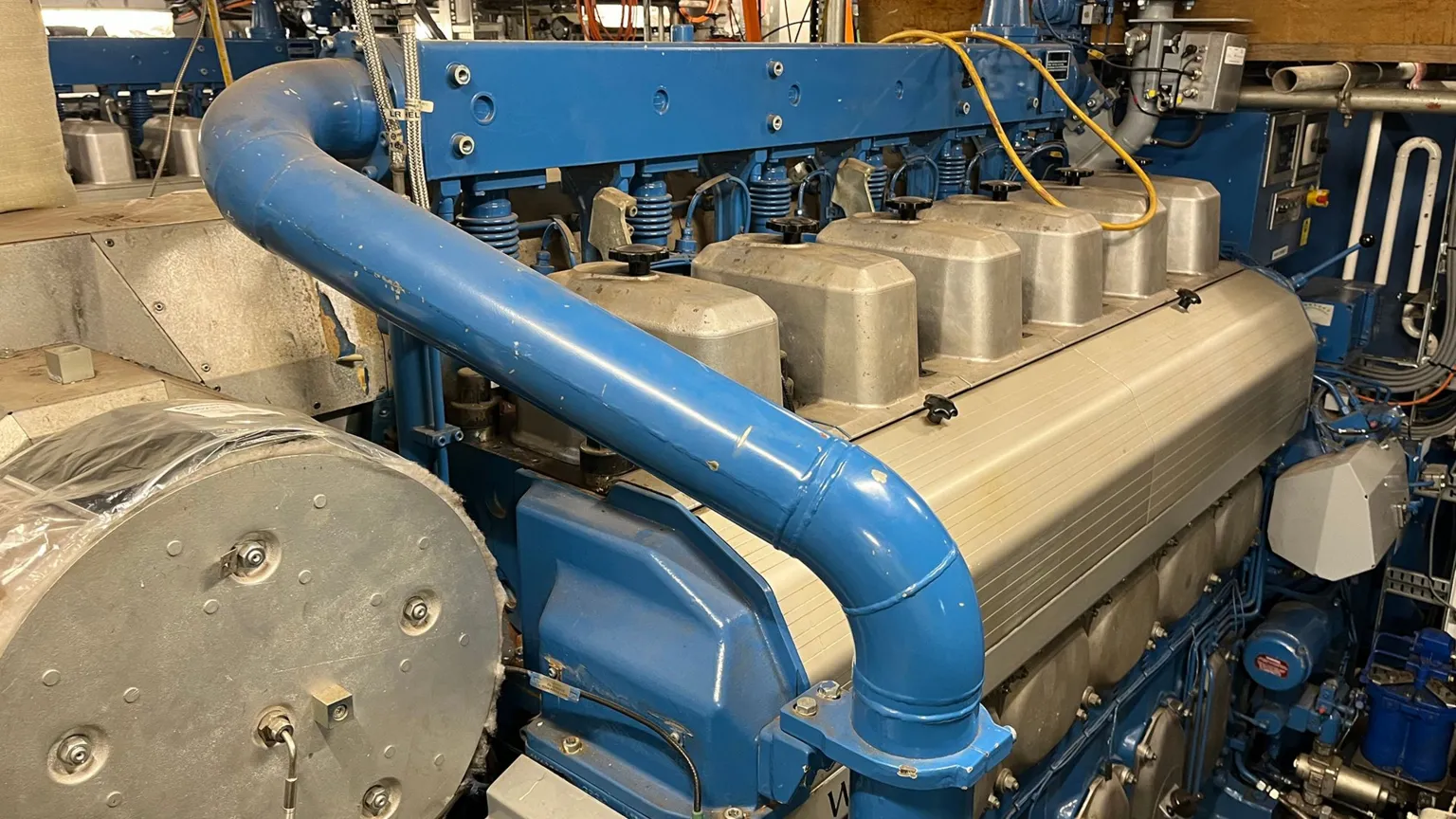
Sailings between Troon and Brodick have been cancelled since Monday afternoon due to a warning light indicating a problem with the ship's port main engine.
The ferry had returned to the Troon to Brodick route last week after a three-month absence caused by an extended annual overhaul and remedial work addressing a vibration problem.
The other principal Arran ferry, MV Caledonian Isles, is also currently out of service, while a chartered catamaran used as a backup for the route is undergoing scheduled maintenance.
Details of the New Fault and Operational Impact
CalMac reported that the new fault on Glen Sannox emerged following the installation of a spare part.
"The ship appeared to be running well, but as it approached Troon the oil mist detector alarm for the port main engine came on again," a spokesperson said.
A review is scheduled for 14:00 on Tuesday to determine whether ferry services can be resumed.
Background on MV Glen Sannox and Previous Issues
Glen Sannox, the first liquefied natural gas (LNG) dual fuel ferry constructed in the UK, entered service in January 2025 after experiencing years of delays and cost overruns.
The vessel received positive feedback from ferry users; however, a few months after entering service, a small weld crack was discovered in the hull at the aft end of the ship.
An investigation identified excessive vibration during manoeuvring as the cause of the crack.

Cause of Vibration and Planned Modifications
Last week, Members of the Scottish Parliament (MSPs) were informed that the root cause of the vibration was the design of the propellers, which suffer from excessive cavitation—a build-up of air bubbles—when the ship is moving astern.
The Finnish company Wartsila, responsible for designing and supplying the propellers, is developing a modified design scheduled for installation later this year. Meanwhile, additional steel reinforcements have been added to Glen Sannox to strengthen the hull.
The total cost of remedial work on Glen Sannox and its sister ship Glen Rosa could amount to £3.2 million, MSPs were told. This expense is expected to be covered under warranty by the state-owned Ferguson shipyard, which constructed the vessels.
Status of Other Vessels on the Arran Route
The other large CalMac ferry servicing Arran, MV Caledonian Isles, remains out of operation until Wednesday, when it is anticipated to resume service with the 12:30 sailing from Ardrossan to Brodick.
The 33-year-old vessel has also experienced technical faults but has now been cleared to return to service with weather-related restrictions.
CalMac has been chartering the catamaran MV Alfred for nearly three years to provide resilience on the Arran route; however, this vessel is currently undergoing its annual maintenance.
Alternative Arran Route and Service Adjustments
An alternative route between Lochranza and Claonaig on the Kintyre peninsula, serviced by a small ferry, has been operating but will cease its last sailing at 13:00 on Tuesday due to adverse weather conditions.
Postponement of Berthing Trials and Historical Context
Glen Sannox was scheduled to proceed north this week for berthing trials to assess its suitability for Little Minch routes; however, these trials were postponed to cover cancelled sailings by Caledonian Isles.
The vessel entered service in January last year, more than six years later than initially planned, following a prolonged history of design challenges and disputes between the former owners of the Ferguson shipyard and the government-owned ferry agency CMAL.
The impasse ultimately resulted in the nationalisation of the shipyard in 2019.


