

Labour Leadership Ambitions
Andy Burnham is a familiar figure in Labour leadership contests, having run twice over a decade ago without success. Currently, he is supported by numerous Labour MPs as the party's strongest candidate for revival following a period of poor polling and disappointing election outcomes.
However, a significant obstacle remains: Burnham is not currently a Member of Parliament, a prerequisite for standing as Labour leader. In January, his attempt to contest a by-election was rejected by Labour's national executive committee (NEC).
Recently, Burnham secured the support of a Labour MP willing to vacate their seat, providing him an opportunity to return to Westminster and challenge Sir Keir Starmer. This opportunity is not guaranteed, as the NEC could still prevent him from standing in the Makerfield constituency, currently held by Josh Simons.
Burnham must also be selected by the local party and win a by-election in a seat where Reform UK finished second by 5,399 votes in the 2024 general election and achieved strong results in recent local elections.
"I truly do not take a single vote for granted and will work hard to regain the trust of people in the Makerfield constituency, many of whom have long supported our party but lost faith in recent times.
We will change Labour for the better and make it a party you can believe in again."
He emphasized that, if selected, he would campaign on his record as mayor of Greater Manchester, where he has been elected three times with increasing majorities, pledging to "make politics work properly for people" across the UK.
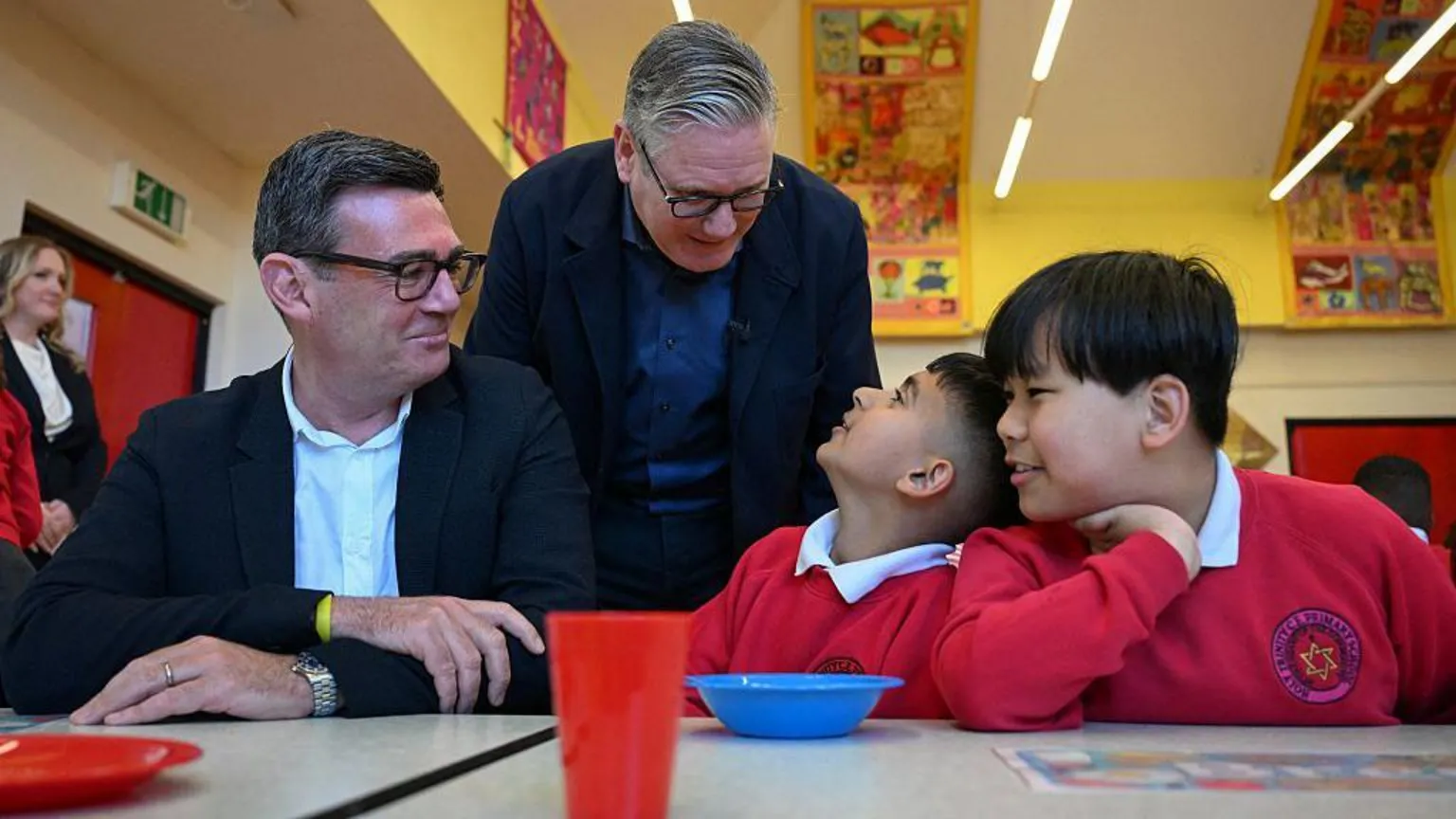
Early Life and Political Roots
Born in Liverpool in 1970, Burnham grew up in Culcheth, a commuter village in Cheshire near Warrington. His father was a BT engineer and his mother a GP receptionist; both were committed Labour supporters, influencing his early political interest.
Burnham has recounted that he joined the Labour Party at 14 after being moved by the BBC drama Boys from the Blackstuff, which depicted life on unemployment benefits in Liverpool.
A lifelong Everton supporter, Burnham was known among friends as a competitive, sports-oriented youth and played as a fast bowler for Lancashire schoolboys cricket team.
At his local Roman Catholic comprehensive school, his English teacher recalled how Burnham stood for Labour in mock elections and won decisively.
He and his two brothers were the first in their family to attend university, with Burnham studying English at Cambridge. In his book Head North, he described feeling like an "imposter" at university but found identity and confidence through his interest in Manchester's indie music scene, including bands like The Smiths and The Stone Roses.
After graduating, Burnham began a career in journalism, working for trade publications such as Tank World and Passenger World Management.
In his early twenties, he entered politics as a researcher for the late Tessa Jowell, then MP for Dulwich and West Norwood, who later served as a minister under Tony Blair and Gordon Brown.
Parliamentary Career and Cabinet Roles
Despite later expressing criticism of Westminster politics, Burnham advanced rapidly, becoming a special adviser to Culture Secretary Chris Smith before being elected MP for Leigh in Greater Manchester in 2001.
He initially served as a junior minister under Blair and later held cabinet positions under Brown, including chief secretary to the Treasury, culture secretary, and health secretary.
During his tenure as culture secretary, Burnham was heckled at a memorial service marking the 20th anniversary of the Hillsborough disaster, where 97 Liverpool fans died in a stadium crush in 1989.
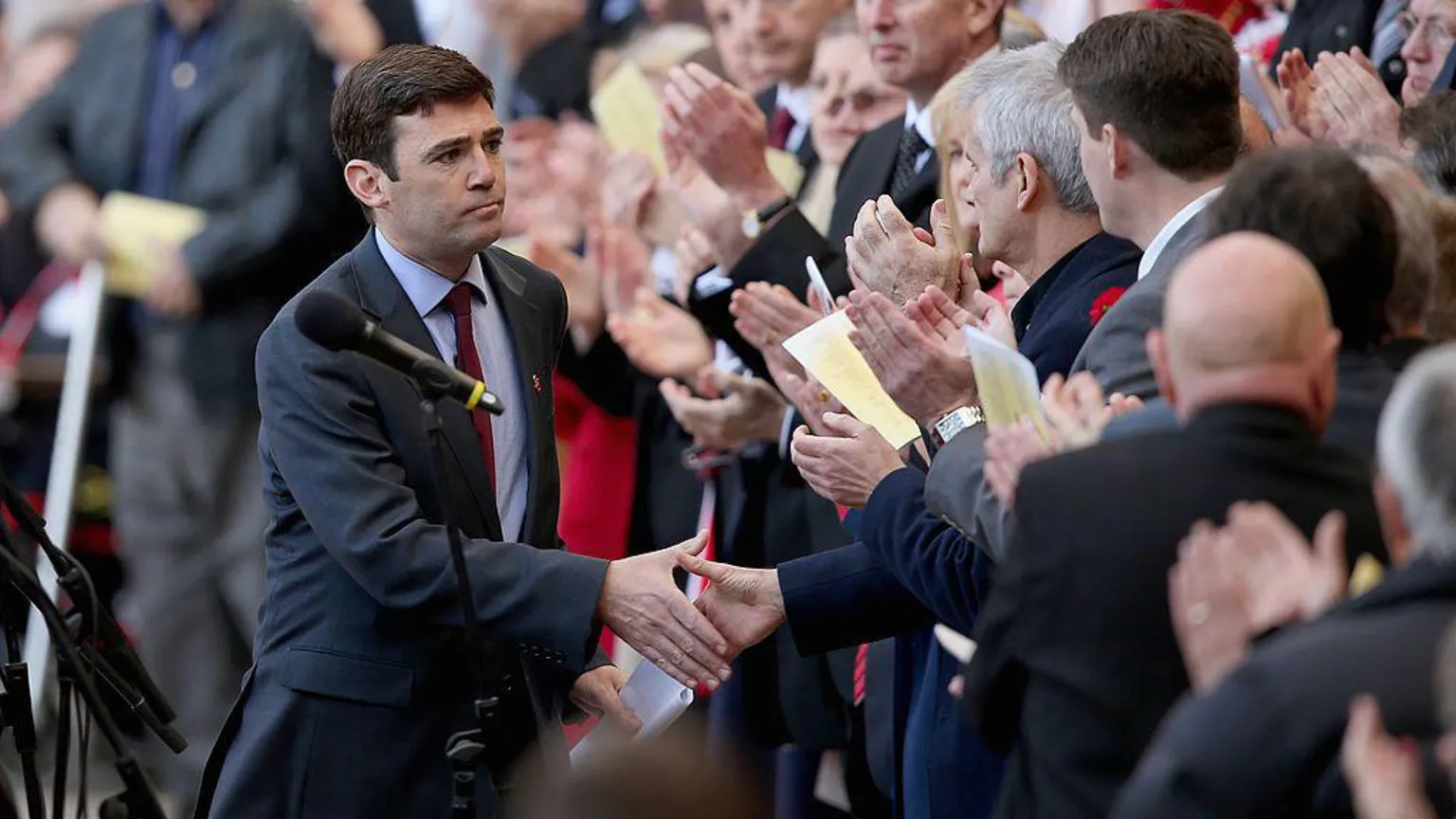
The incident motivated him to raise the issue in cabinet, contributing to the establishment of a second inquiry into the tragedy.
Leadership Bids and Mayoralty
Following Labour's 2010 general election defeat and Brown's resignation, Burnham ran for party leader, finishing fourth out of five candidates behind Ed Miliband. He spent the next five years strengthening his grassroots support.
In 2015, he made a second leadership attempt but was defeated by Jeremy Corbyn. Despite this, Burnham was the only leadership candidate to serve in Corbyn's shadow cabinet as shadow home secretary and did not resign during the 2016 internal party disputes.
In 2017, he stepped down from Parliament to run for the inaugural mayoralty of Greater Manchester, winning with over 60% of the vote and securing re-election with an even larger margin in 2021.

Achievements as Mayor
As mayor, Burnham has been praised for transforming Greater Manchester's transport system. The region became the first outside London to bring bus services back under public control, integrating them with other transport modes under the "Bee Network" brand.
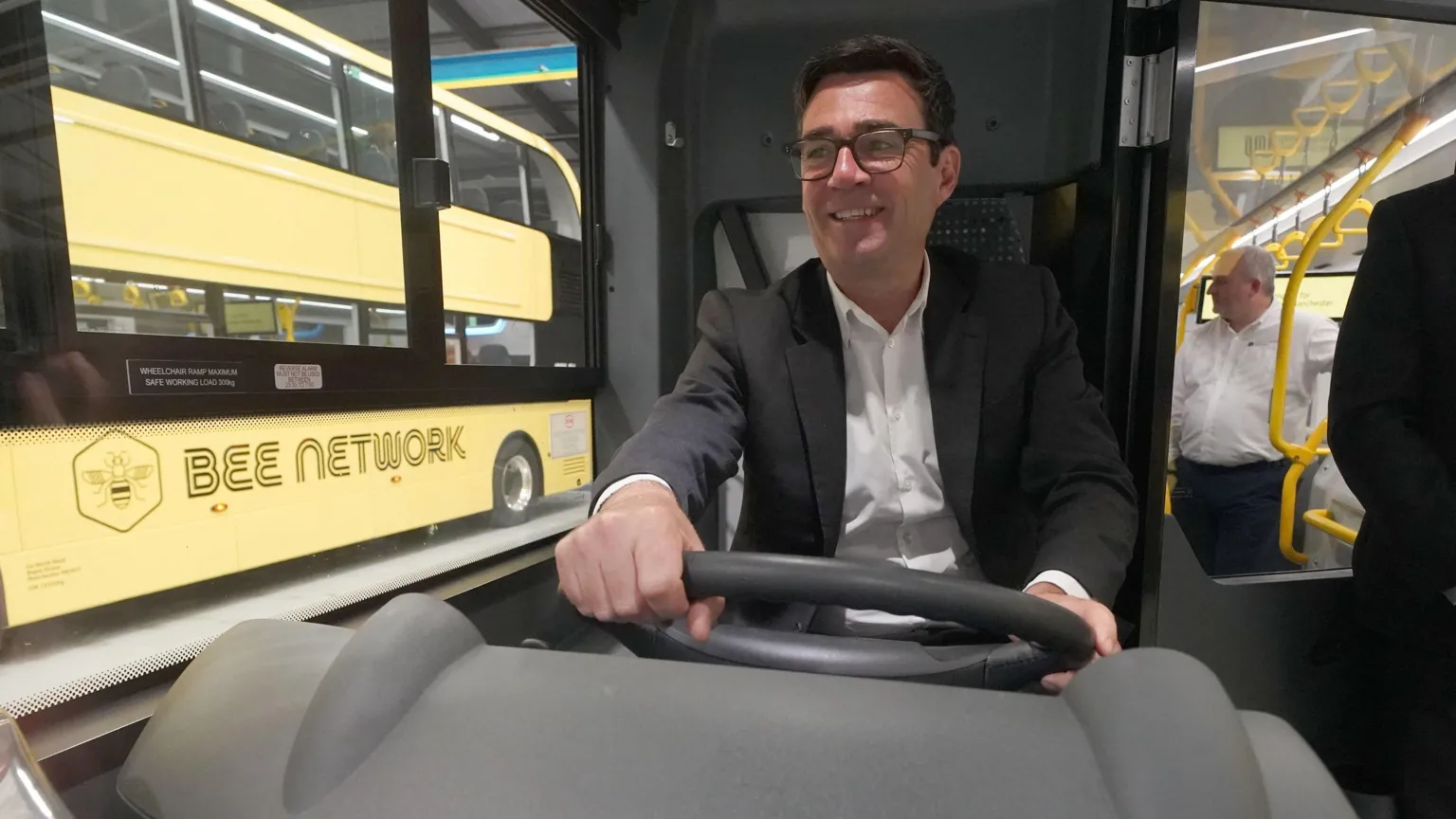
He also pledged to end rough sleeping in the region by 2020, though this target was not met.
Burnham's profile increased during the COVID-19 pandemic when he criticized the Conservative government for treating northern England with "contempt" regarding regional lockdown measures. This stance earned him the nickname "King of the North."
Recent Developments and Challenges
By the autumn 2025 party conference, Burnham was openly positioning himself for a leadership bid, refusing to rule out a challenge for the top job. However, some of his interventions, such as accusing the government of being "in hock" to bond markets—a reference to fiscal rules limiting spending and borrowing—provoked backlash.
In January, a potential path back to Westminster emerged when Greater Manchester MP Andrew Gwynne announced his resignation, triggering a by-election in Gorton and Denton. Burnham sought to stand but was blocked by Labour's NEC with the prime minister's approval.
Despite this setback, Burnham retains influential supporters in Parliament, including deputy leader Lucy Powell, Culture Secretary Lisa Nandy, and former minister Louise Haigh.
However, with Reform UK gaining momentum and achieving electoral success in Burnham's region during May's council elections, winning a by-election is not assured.

for our Politics Essential newsletter to keep up with the inner workings of Westminster and beyond.


