

Housebuilding Revolution and Affordable Rent
Anas Sarwar has committed to constructing 125,000 new homes over the next five years as part of a "housebuilding revolution" if Scottish Labour wins the upcoming May election.
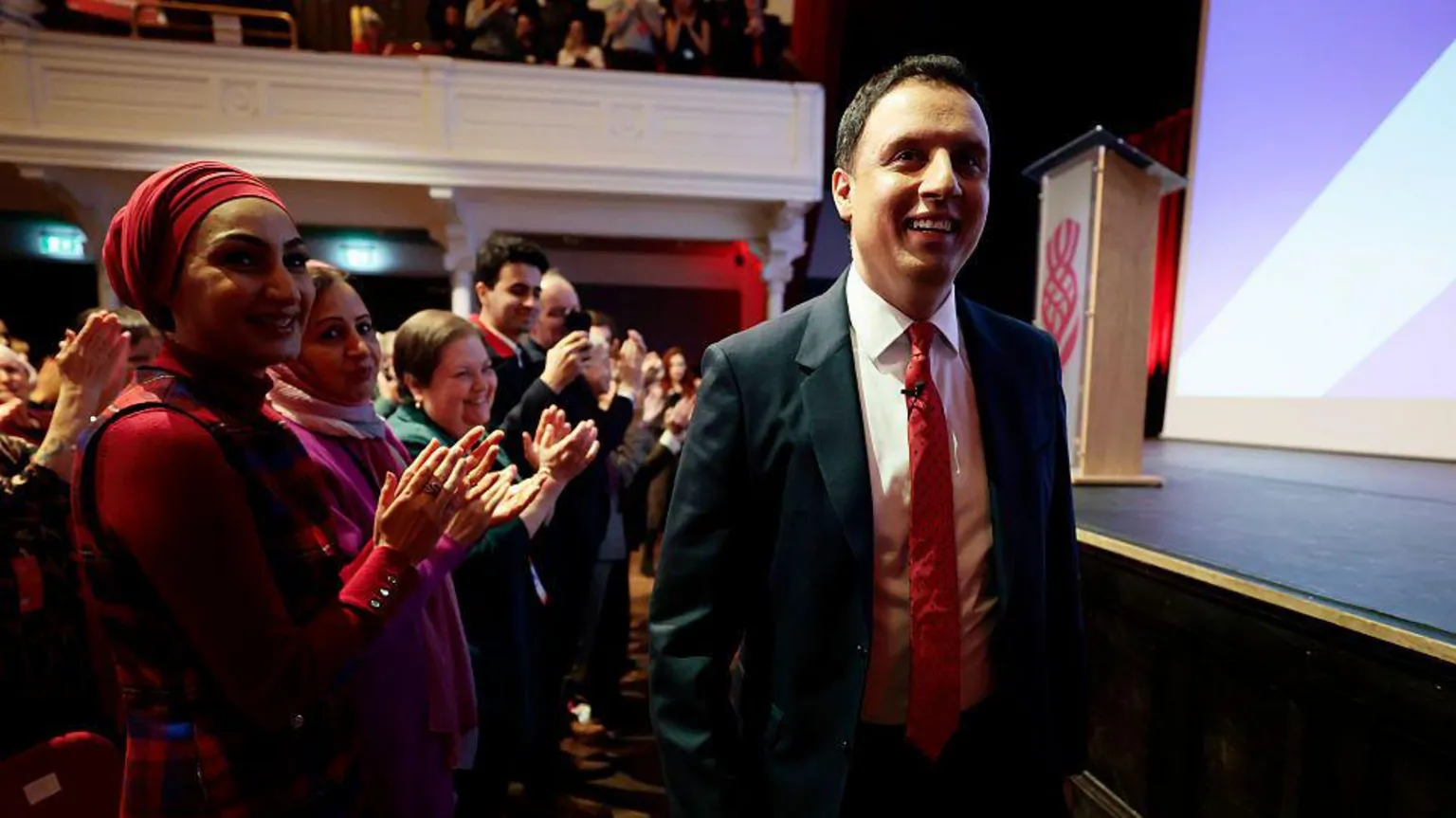
The Scottish Labour leader announced plans to increase affordable rents and establish a new housing investment bank during his speech at the party conference held at Paisley Town Hall.
Sarwar explained that the proposed housing investment bank would focus on investing in land regeneration, offsite construction methods, and support the growth of mid-market rental properties.
He emphasized that voting for Scottish Labour on 7 May was the "only way" to end the Scottish National Party's (SNP) governance.
The Glasgow MSP stated,
"In ten weeks, Scotland faces a real choice: a third decade of SNP failure, or a Scottish Labour government that will get Scotland building again."
Fixing the Housing Crisis
Scottish Labour's housing strategy also includes a "£1 homes scheme" aimed at bringing empty and derelict properties back into use, alongside initiatives to create new construction apprenticeships.
Sarwar remarked,
"Fixing the housing crisis is how we lift people out of poverty, create jobs, grow the economy, and give more families the chance to own a home.
It is scandalous that in a country like ours there are people sleeping rough on our streets. So a commitment I make again is that I will act to end rough sleeping once and for all.
That is my ambition for Scotland: homes to live in, jobs to build them, and a country where every child has a place to call home."
Sarwar also criticized Reform UK, describing them as "Tories in disguise" who "don't care about Scotland."
He shared his personal background, explaining how he began his career as an NHS dentist in Paisley, where he witnessed firsthand the connection between health inequalities, economic opportunity, and the impact of poverty on people's lives.

He said,
"I saw the direct link between health inequalities and the lack of economic opportunity and the impact poverty had on people's lives.
And I never believed the answer was to shrug your shoulders and say, we can't fix this."
Waiting Times Emergency and NHS Reform
Sarwar addressed challenges facing Scotland's NHS, criticizing the Scottish government's management of the Queen Elizabeth University Hospital scandal. He pledged to introduce Milly's Law, named in memory of Milly Main and other patients who died after contracting infections during treatment at the hospital.
He proposed scrapping failing health boards and establishing a new governance system based on transparency.
Sarwar stated he would declare a "national waiting times emergency" on his first day as First Minister to ensure patients receive treatment sooner where capacity exists.
He also committed to improving NHS workforce planning by promoting flexible working arrangements and better career progression opportunities.
Regarding education, Sarwar affirmed Scottish Labour's commitment to maintaining free university tuition but added that NHS students on publicly funded places would be required to work within Scotland's NHS or social care system for at least five years or repay their tuition and bursaries.
The party plans to ban mobile phones in schools, support teachers on discipline matters, introduce breakfast clubs in every Scottish school, and create 9,000 new apprenticeships in key growth sectors.
Sarwar also pledged to restore community policing, highlighting the issue of police time being consumed by mental health crises.
He said,
"Too much police time is taken up responding to mental health crises.
That's not right for police, and it is not right for people in crisis.
They need care from specially trained mental health professionals.
So, we will build a better future by creating a new mental health emergency service, so people get the right support from the right individual, and police can focus on preventing crime and keeping our communities safe."


