

New Animal Hospital at London Zoo Funded by £20m Anonymous Donation
Visitors to London Zoo will soon have the opportunity to observe live veterinary procedures within a cutting-edge new animal hospital, made possible by a mysterious £20 million donation.
A dedicated viewing gallery will allow the public to witness a range of procedures, from penguin health checks to ultrasounds on pregnant aardvarks, as well as post-mortem examinations of porpoises—activities not previously accessible to the UK public.
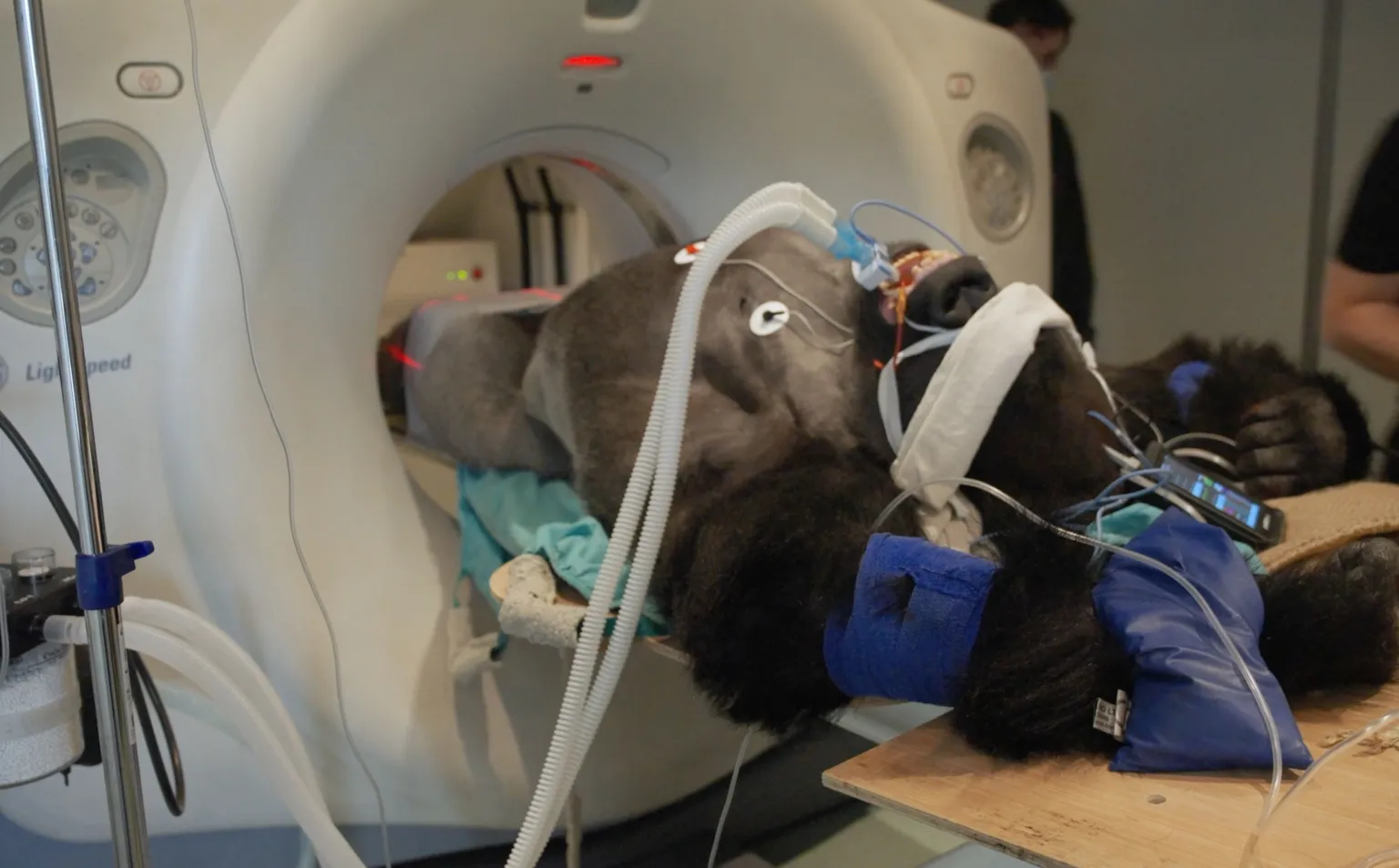
The establishment of this health centre is enabled by the largest gift ever received by the zoo, contributed by an anonymous benefactor.
As the practice of keeping animals in captivity faces increasing scrutiny, the Zoological Society of London (ZSL), which manages London Zoo and celebrates its 200th anniversary today, aims to use the new centre to highlight the ongoing importance of its conservation efforts.
Wildlife Health Centre: Combining Care, Research, Training, and Public Engagement
ZSL states that the Wildlife Health Centre will integrate advanced veterinary care, scientific research, professional training, and public engagement within a single facility. The centre will also focus on investigating zoonotic diseases—how illnesses may transfer from animals to humans.
ZSL highlights its long-standing history of veterinary innovation, beginning with the employment of the world’s first zoo veterinarian in 1829, a year after London Zoo opened, and later establishing Europe’s first purpose-built zoo veterinary hospital in the 1950s.
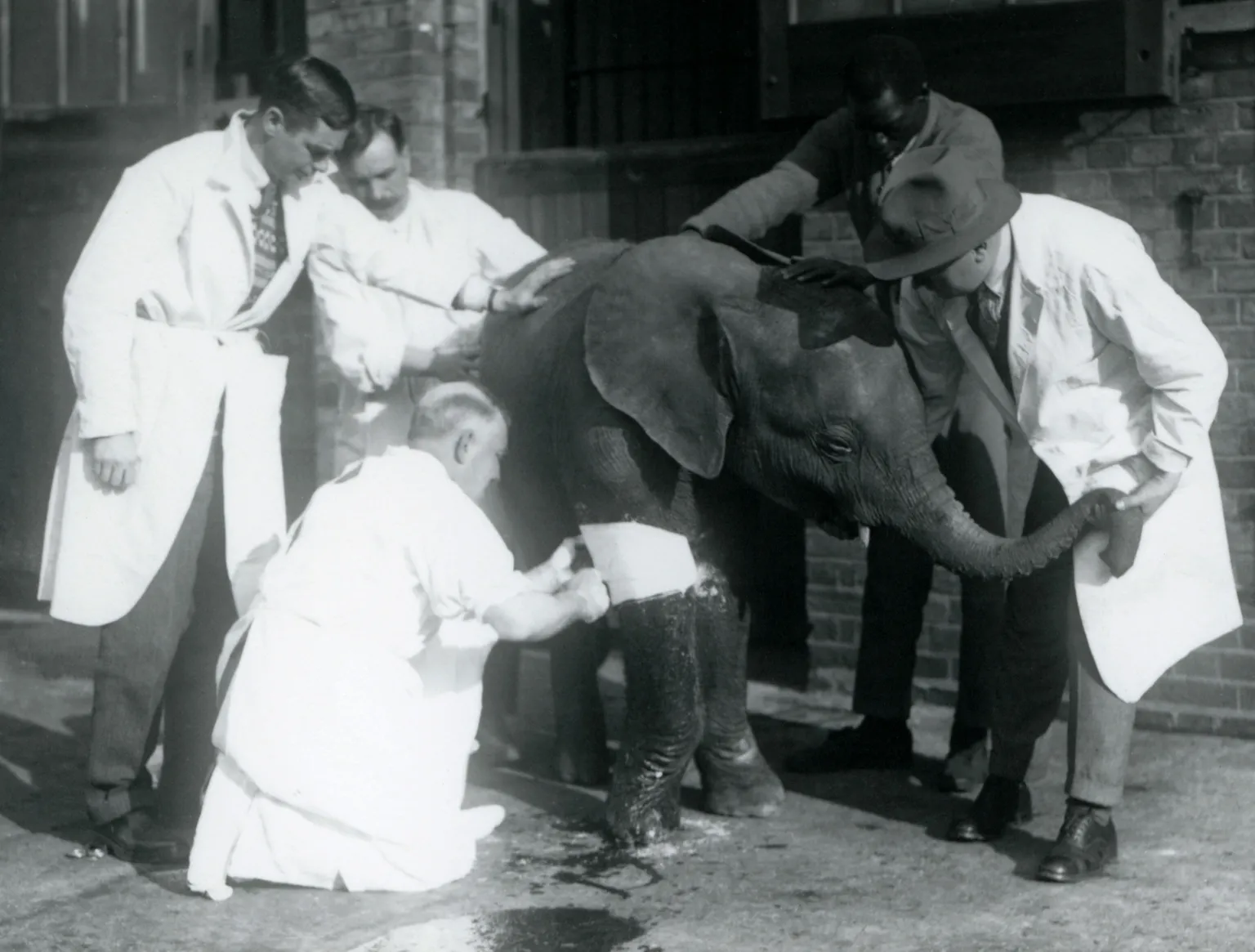
In addition to providing top-tier care for zoo animals, the centre is designed to bring veterinary science closer to the public by offering visitors a rare chance to observe live procedures. It is intended to serve as a global centre of expertise for zoo medicine and a training hub for wildlife veterinarians worldwide.
Kathryn England, ZSL's chief executive, said: "Our history has shaped how wildlife is studied, treated and protected. Now, that legacy becomes a platform for action."
Debate Over the Role of Modern Zoos
The role of modern zoos remains a subject of debate. Proponents argue that zoos play a crucial role in conservation, while critics question the ethics of keeping wild animals in captivity.
The Born Free Foundation has expressed that the new hospital does not address what it considers the fundamental ethical issues surrounding zoos and questions whether the conservation and research efforts justify their existence.
Mark Jones, head of policy at the charity, said: "On its 200th anniversary, I think the Zoological Society of London should be focusing all its efforts on protecting wildlife in the wild where it belongs, not keeping wildlife in captivity thousands of miles from where it belongs."
The Born Free Foundation also raised concerns that allowing the public to observe veterinary procedures risks turning animal care into a spectacle.
Routine and Specialized Care with Emphasis on Animal Cooperation
ZSL clarifies that most procedures shown to the public will be routine, including weight and dental checks. The organisation employs a method called "cooperative care," where animals are trained to participate in their own healthcare by remaining still or presenting body parts for examination.
This training involves rewarding animals with items they enjoy, such as food, which helps keep them calm and cooperative, thereby reducing stress. For example, Galapagos tortoises are trained to step onto scales, while lions and tigers present their tails for blood tests and skin samples.
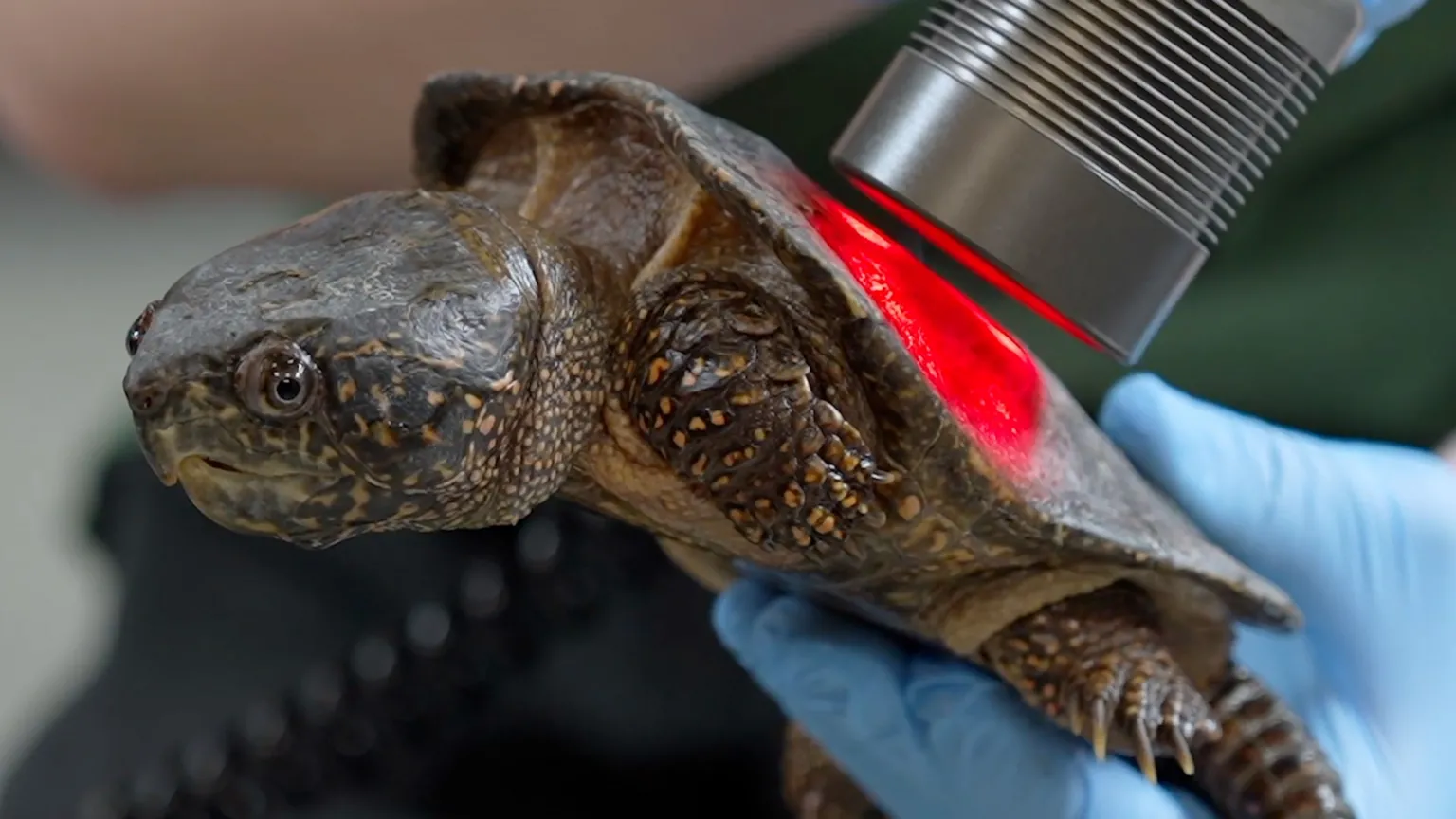
However, the public will also be able to observe some surgical operations and post-mortem examinations, including those of dolphins or porpoises that have washed up dead on UK beaches.
ZSL maintains that its work, both within its zoos and in the wild, is essential for conservation, education, and global health.
Conservation Efforts and Rare Species at London Zoo
"We are surrounded by some of the rarest animals in the world," says Dave Clarke, a snail keeper, as he introduces the zoo’s Tiny Giants invertebrate exhibit.
Within this exhibit are nine species of small yellow Polynesian tree snails, including the rare Garrett's tree snail.
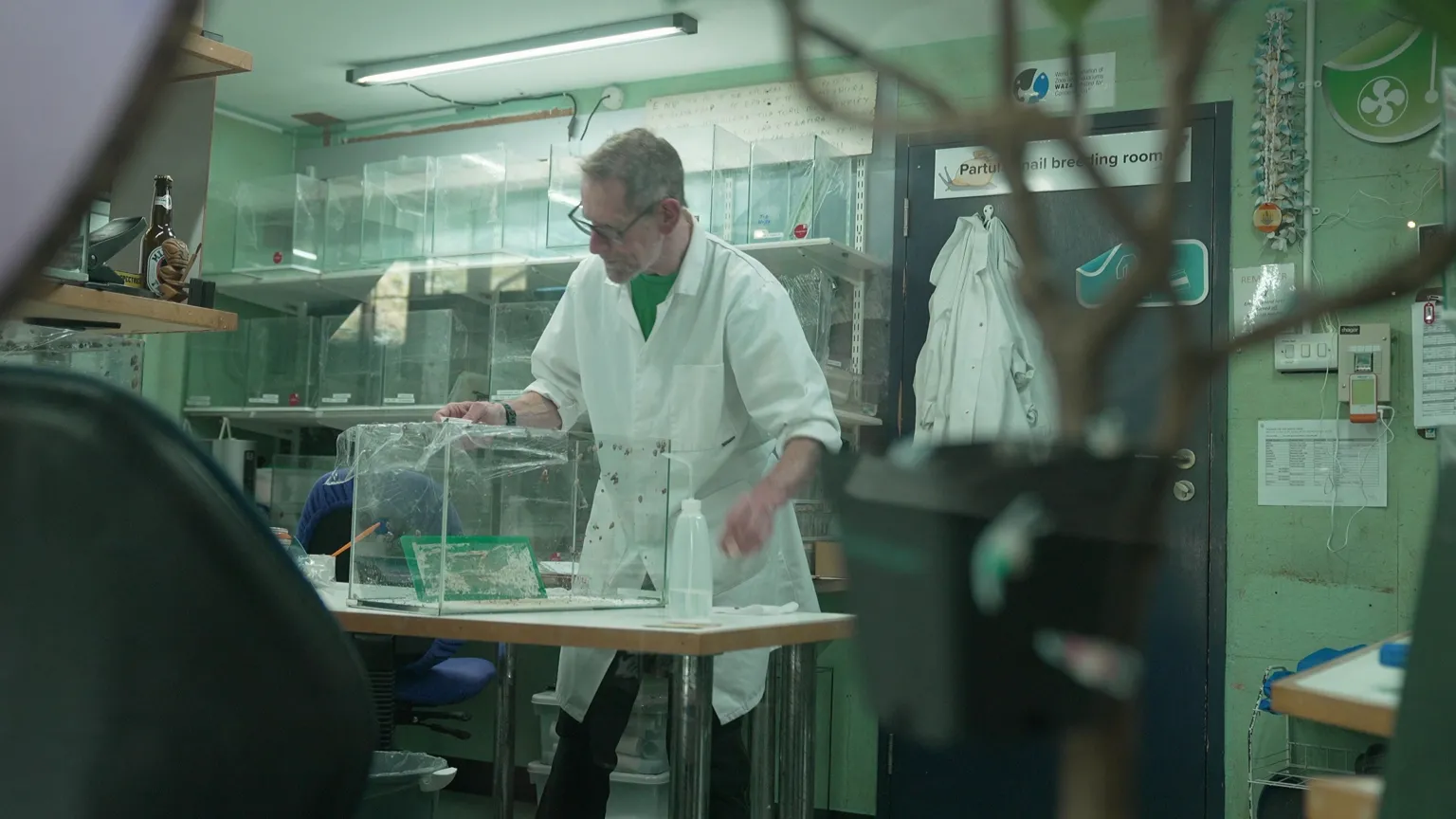
Clarke explains: "We've got about 120 which is 90% of the world population."
One species has been successfully reintroduced to its Polynesian island home, marking the first invertebrate ever to be downlisted from extinct in the wild to critically endangered.
ZSL also works with threatened species closer to home, such as hedgehogs in Regent’s Park and dormice across the UK, both now classified as nationally endangered.
Focus on Disease Transmission and Global Health
A key focus of the new centre will be studying how diseases spread between species, including transmission to humans, and developing strategies to mitigate these risks. ZSL scientists have previously researched the spread of bovine tuberculosis and viruses carried by bats, examining factors influencing their spillover into human populations.
The organisation already operates specialist training and field programmes in biodiversity hotspots, which it plans to expand through the new centre.
Dr Amanda Guthrie, head of wildlife health services, said: "The facility will provide the very best state of the art modern care for animals, while allowing visitors to see that work and inspire young people to consider careers in wildlife, health and conservation."
for our Future Earth newsletter to get exclusive insight on the latest climate and environment news from the BBC's Climate Editor Justin Rowlatt, delivered to your inbox every week. Outside the UK? to our international newsletter here.



