NASA's Upcoming Artemis II Mission
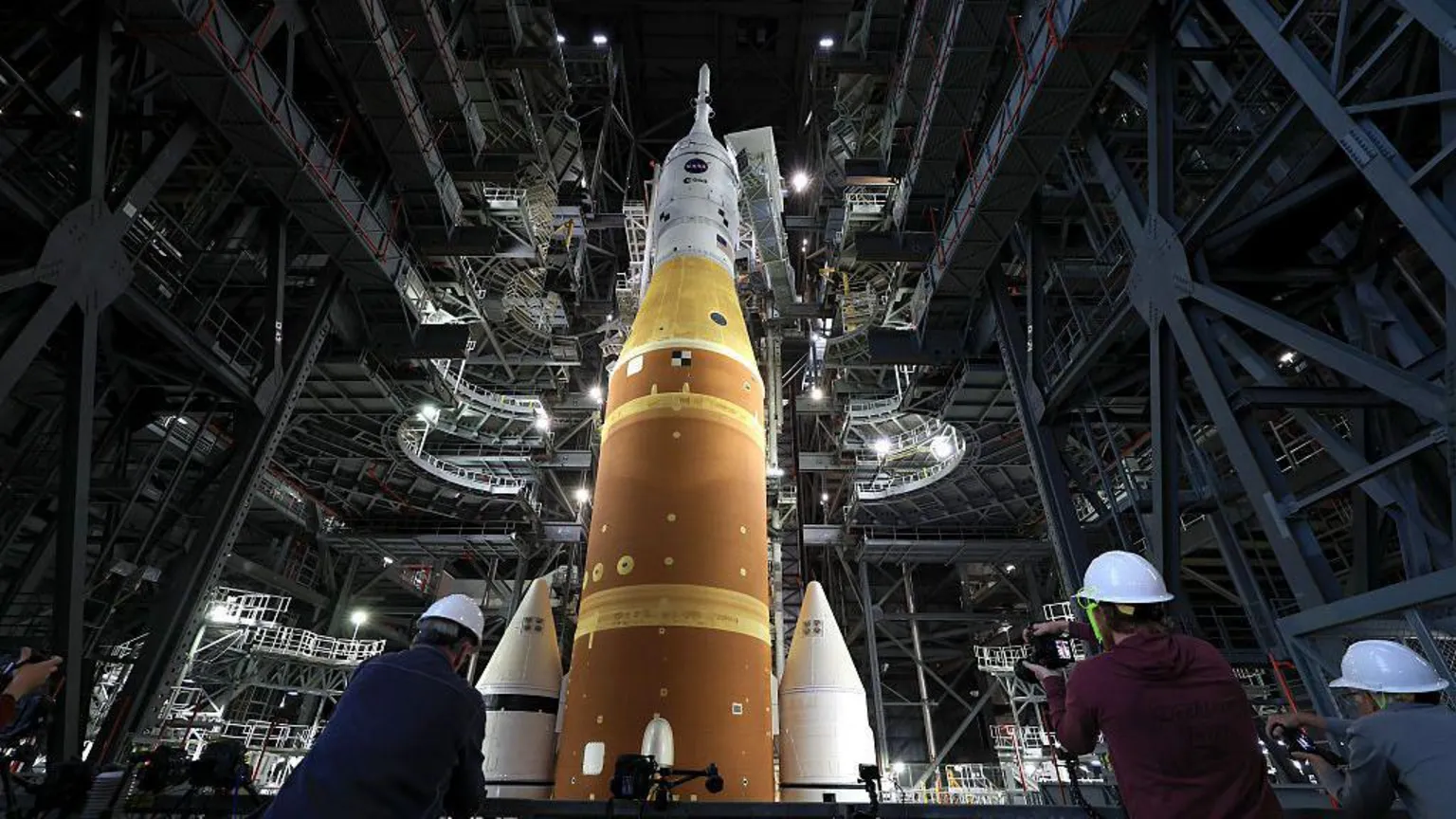
In just a few days, NASA plans to launch the Artemis II mission, which will send four astronauts on a journey around the Moon. This mission aims to pave the way for a future lunar landing and the establishment of a Moon base.
NASA's Artemis program represents years of effort, involving thousands of people and an estimated cost of $93 billion to date. Despite this significant investment, some view the mission with a sense of déjà vu.
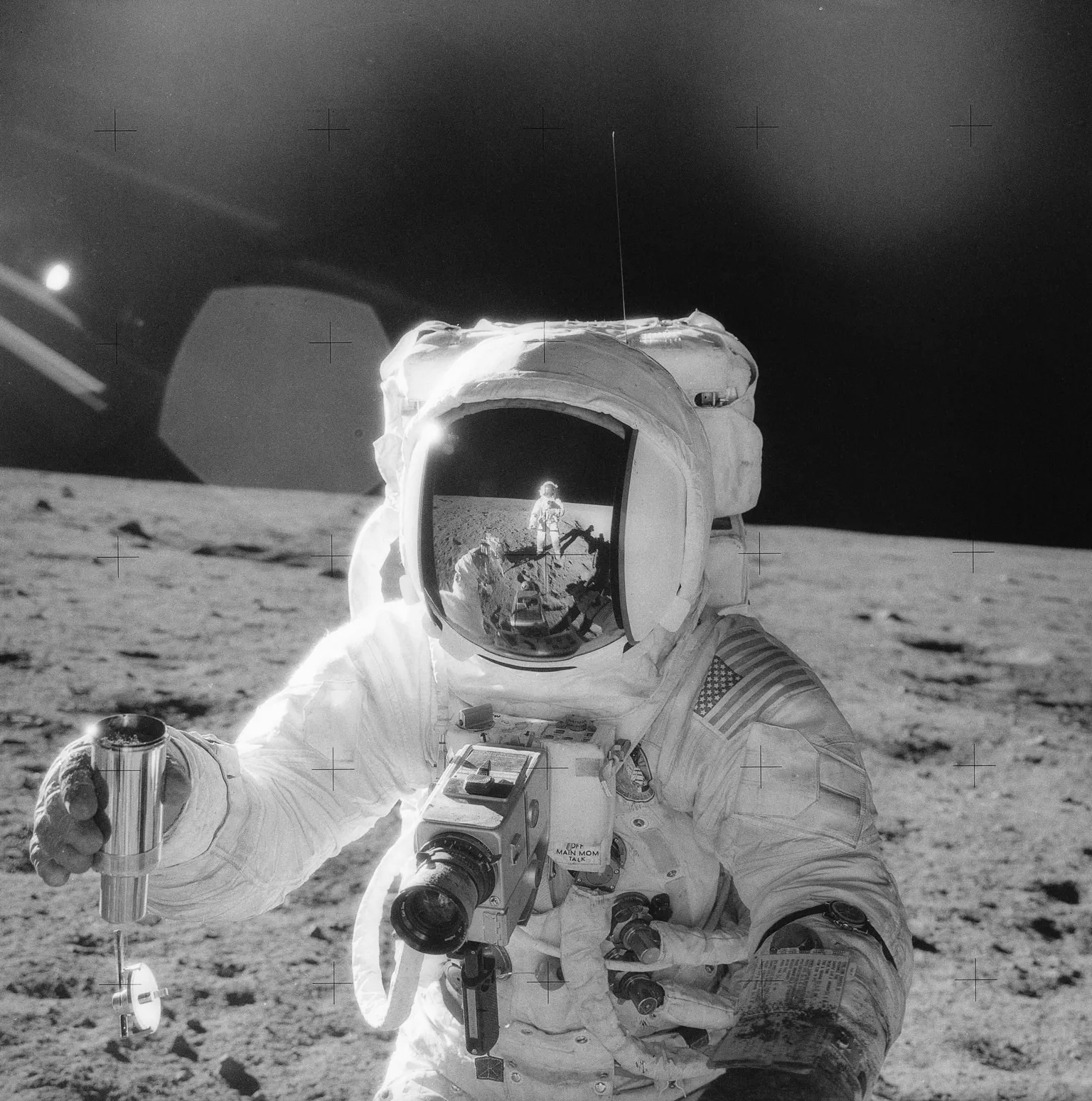
More than 50 years ago, the Apollo missions made history by landing the first humans on the lunar surface. With six successful landings, many believed the Moon had been thoroughly explored and marked off the space exploration agenda.
So, why is the United States dedicating considerable time, resources, and funding to return to the Moon?
Valuable Resources on the Moon
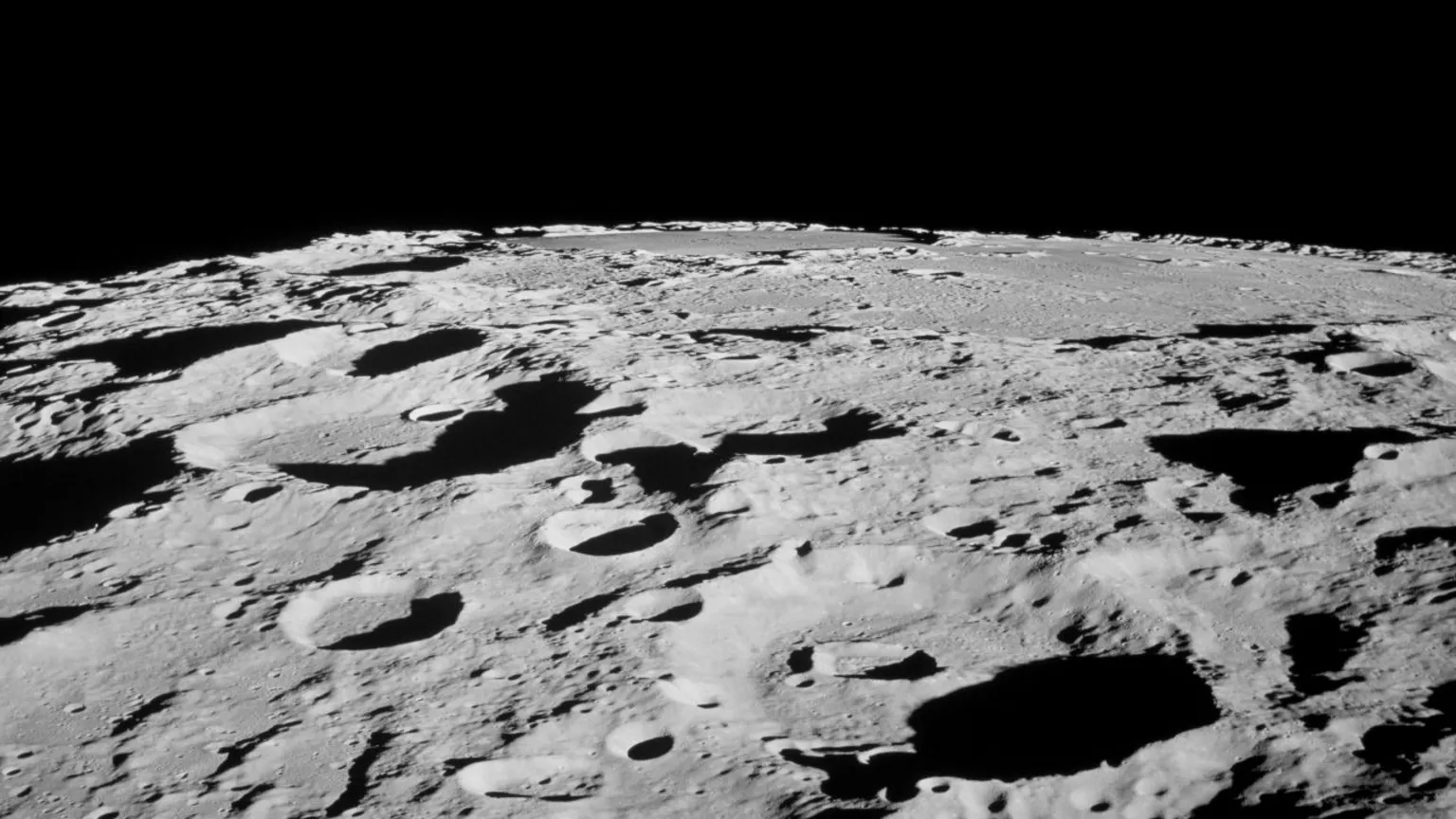
Although the Moon's surface appears dry, dusty, and barren, it contains valuable materials.
"The Moon has got the same elements in it that we have here on Earth,"says Prof Sara Russell, a planetary scientist at the Natural History Museum.
"An example is rare earth elements, which are very scarce on Earth, and there might be parts of the Moon where these are concentrated enough to be able to mine them."
The Moon also contains metals such as iron and titanium, as well as helium, which is used in superconductors and medical equipment. However, the most significant resource attracting attention is water.
"It has water trapped in some of its minerals, and it also has substantial amounts of water at the poles,"Russell explains.
There are craters permanently shadowed where ice accumulates.
Access to water is crucial for sustaining life on the Moon. It provides drinking water and can be split into hydrogen and oxygen to supply breathable air and fuel for spacecraft.
Competition for Space Dominance
The Apollo missions of the 1960s and 1970s were driven by the space race between the United States and the Soviet Union. Currently, China is the primary competitor.
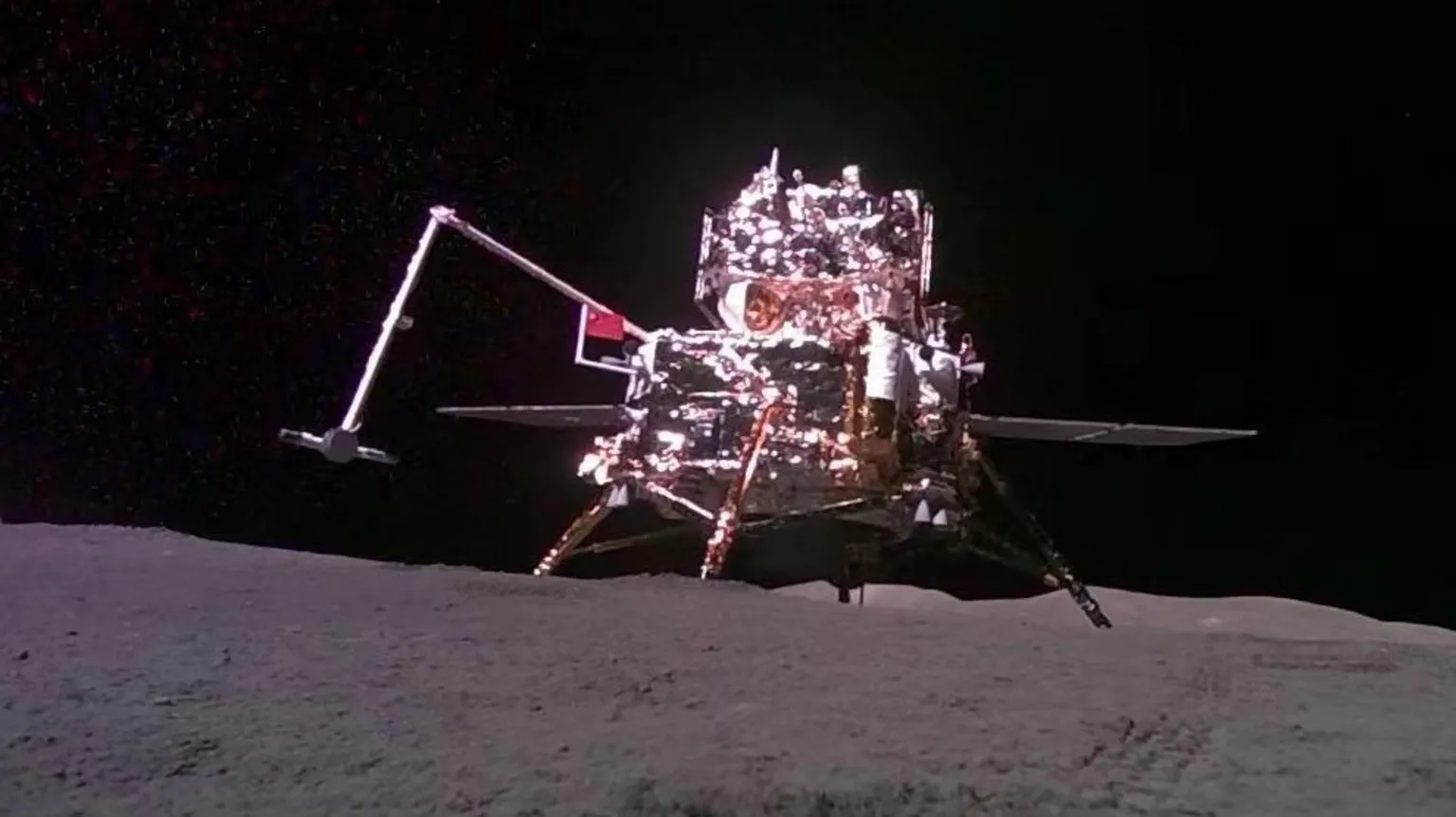
China has made rapid progress in its space program, successfully landing robotic spacecraft and rovers on the Moon, and has announced plans to send humans there by 2030.
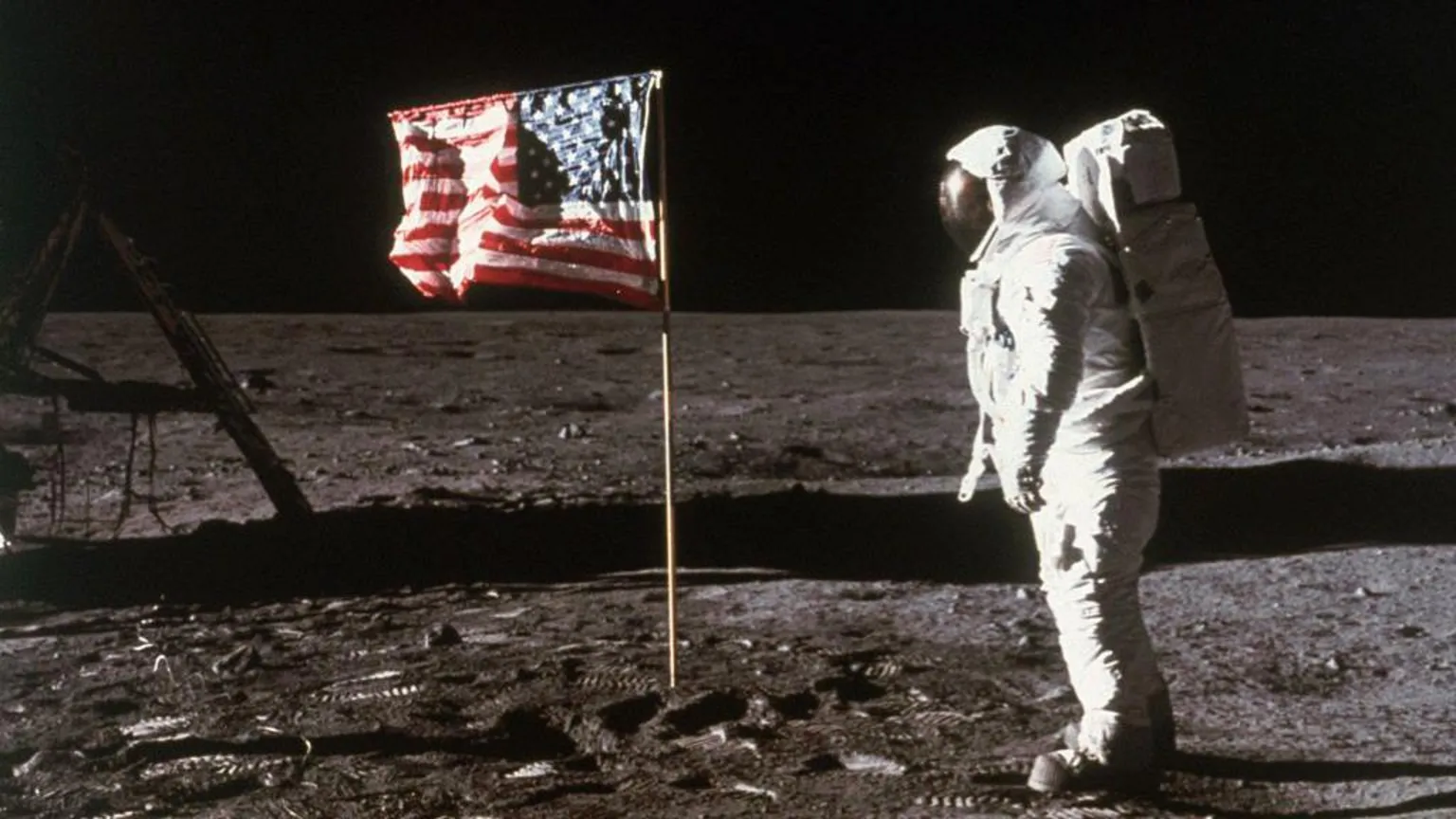
While there remains prestige in being the first to plant a flag on the Moon, the location of such landings has become strategically important.
Both the US and China aim to secure areas rich in resources, effectively claiming the best lunar real estate.
The 1967 United Nations Outer Space Treaty prohibits any country from owning the Moon. However, ownership of resources found on the Moon is less clear.
"Although you can't own a piece of the land because of the UN treaty, you can basically operate on that land without anybody interfering with it,"says Dr Helen Sharman, the first British astronaut.
"So the big thing right now is to try to grab your piece of land. You can't own it, but you can use it. And once you're there, you've got it for as long as you want it."

Preparing for Mars Exploration
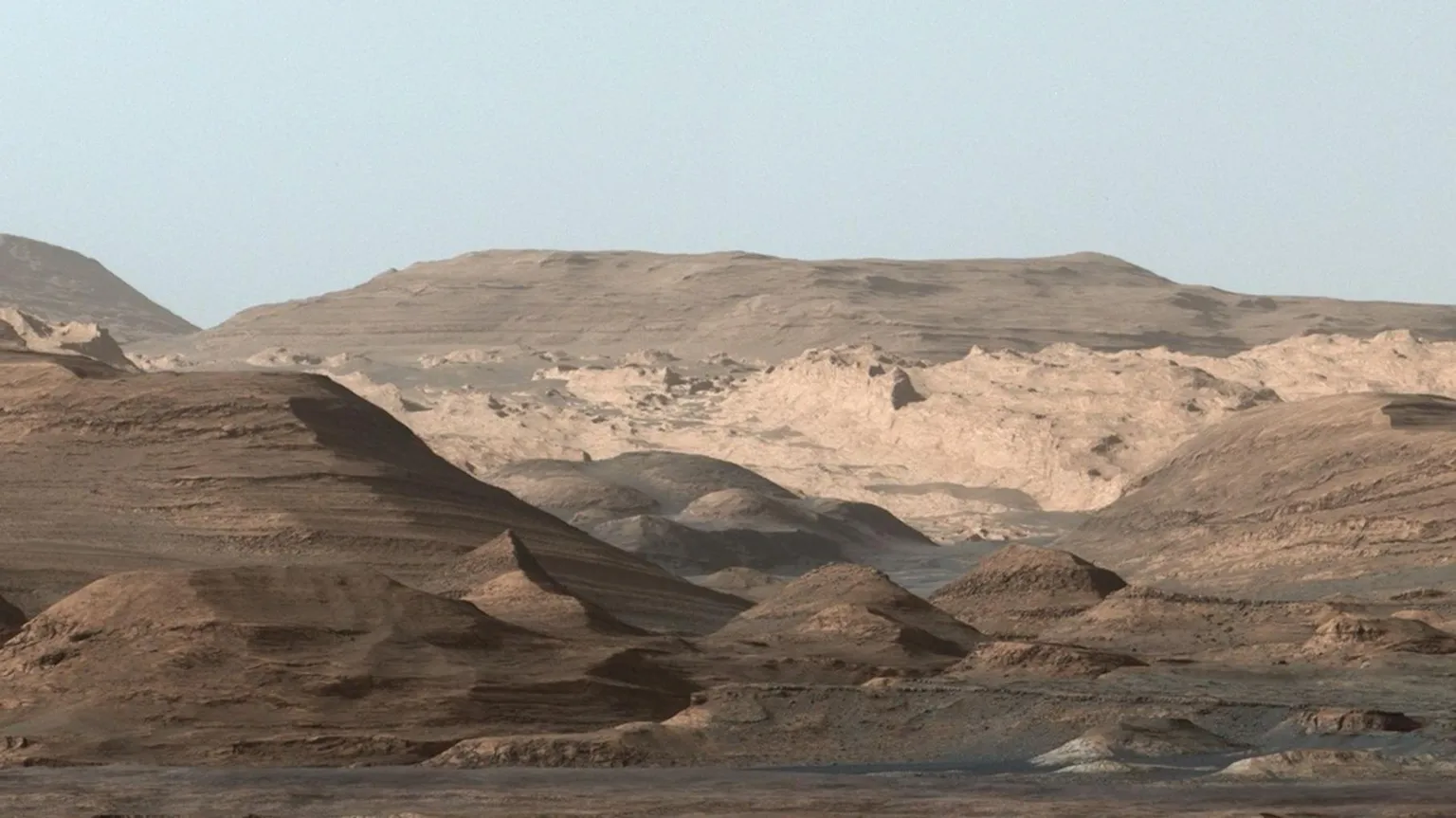
NASA has set its sights on Mars, aiming to send humans there by the 2030s. Given the technological challenges, this timeline is ambitious.
The Moon serves as a starting point for this endeavor.
"Going to the Moon and staying there for a sustained period is much safer, much cheaper and much easier to be a test bed for learning how to live and work on another planet,"says Libby Jackson, head of space at the Science Museum.
A Moon base will allow NASA to refine technologies necessary for sustaining human life, such as air and water supply, power generation, and habitat construction to protect against extreme temperatures and space radiation.
"These are all technologies that if you try them for the first time on Mars and they go wrong, it's potentially catastrophic. It's much safer and much easier to try them out on the Moon,"Jackson adds.
Scientific Discoveries Await
Scientists eagerly anticipate new lunar material to study.
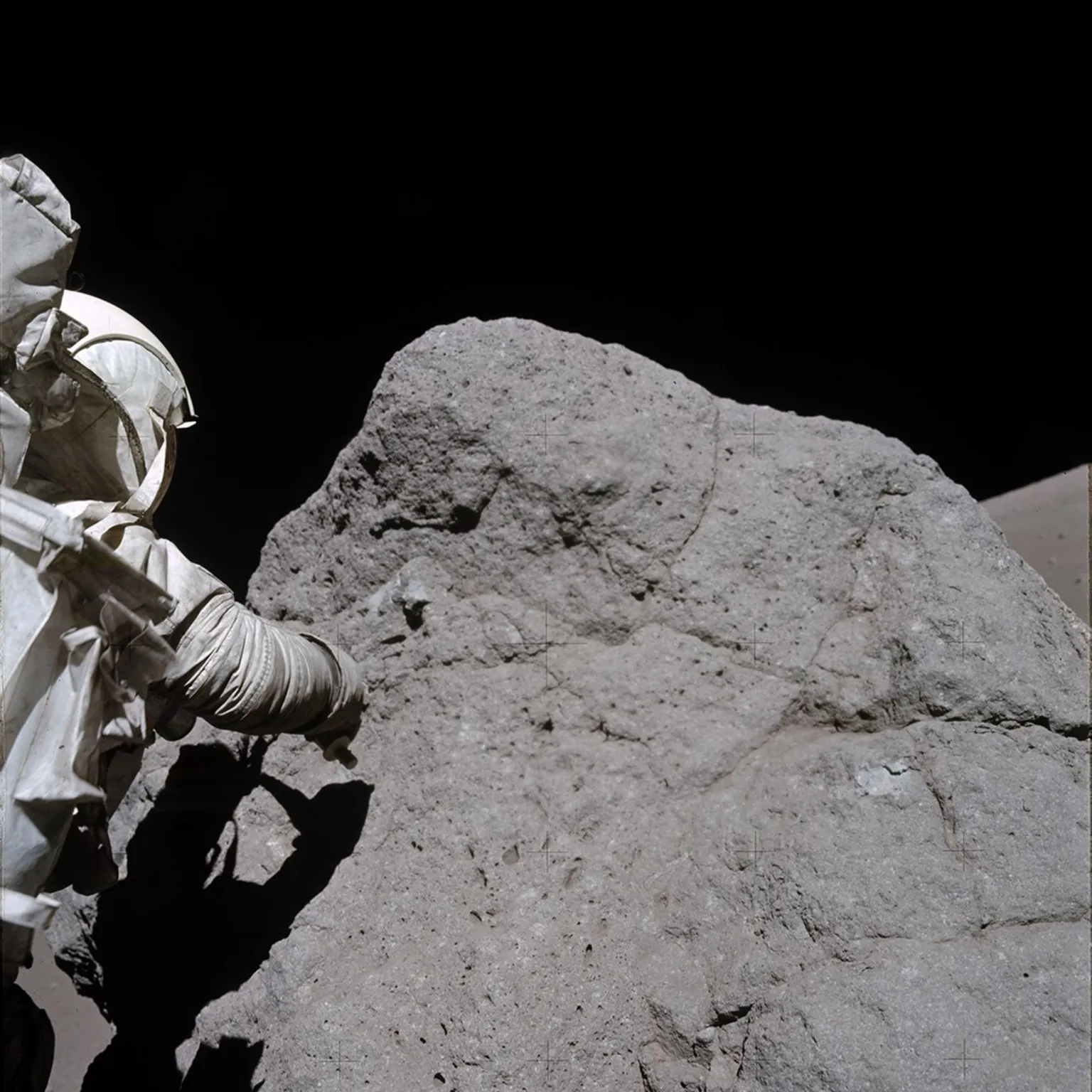
The rocks collected by Apollo astronauts revolutionized understanding of the Moon.
"They told us that the Moon was formed by this incredibly dramatic event, where a Mars-sized body smashed into the Earth and the bits that came off formed the Moon. We know about that because of the Apollo rocks,"explains Prof Sara Russell.
However, much remains to be discovered.
Since the Moon was once part of Earth, it preserves a record of 4.5 billion years of Earth's history. Unlike Earth, the Moon lacks plate tectonics, wind, and rain, making it an ideal time capsule.
"The Moon is a fantastic archive of the Earth,"says Russell.
"A new haul of rocks from a different area of the Moon would be amazing."
Inspiring Future Generations
The grainy black-and-white footage transmitted during the Apollo missions transformed space exploration from science fiction into reality.
While only a few became astronauts, many viewers pursued careers in science, technology, and engineering.
It is hoped that the Artemis missions, broadcast live and in 4K resolution, will inspire a new generation.
"We live in a world of technology. We need scientists, engineers and mathematicians - and space has a brilliant ability to excite people about those subjects,"says Libby Jackson.
New jobs and a growing space economy are expected to provide returns on the billions invested in Artemis, along with technological spin-offs beneficial on Earth.
Helen Sharman emphasizes the broader impact of returning to the Moon.
"If we really come together, we can produce so much that's beneficial to humankind,"she says.
"It shows us what humans are capable of."