

US Ends Naval Blockade Following Middle East War Ceasefire Deal
The United States has lifted its naval blockade of Iran after both nations signed an agreement to end the ongoing war in the Middle East. This development occurred despite Iran's supreme leader expressing a differing perspective and asserting that former US President Donald Trump signed the deal "out of desperation."
US Central Command confirmed on X that the blockade has been lifted "in accordance with the President's direction," and that US enforcement of the blockade has ceased.
Iran's Supreme Leader Comments on the Agreement
Supreme Leader Mojtaba Khamenei stated that he initially opposed the deal but permitted it to proceed after receiving assurances from Iranian President Masoud Pezeshkian.
The agreement includes an immediate cessation of military operations across all fronts and the reopening of the strategically important Strait of Hormuz, among other provisions.
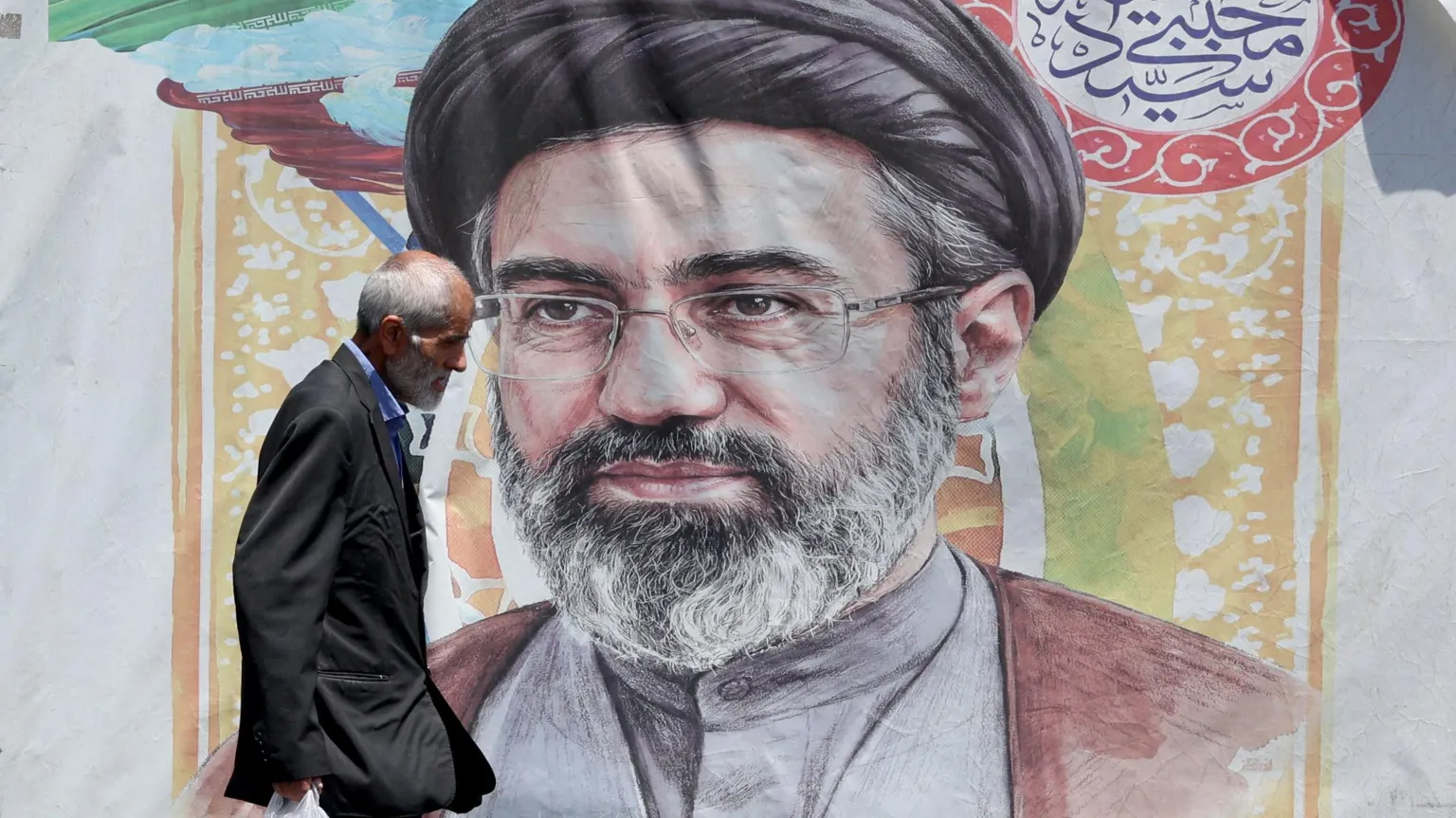
In a written statement published by Iranian media, Khamenei conveyed that the officials involved in the deal acted "out of sincere concern and goodwill," while asserting that Trump "out of desperation, used all kinds of leverage to bring this about."
"While there will be in-person negotiations in the future between Tehran and Washington, this will not mean acceptance of the enemy's position," Khamenei added without further elaboration.
This marks the first public response from the supreme leader regarding the agreement.
Khamenei has not appeared publicly since assuming office in March, following the death of his father and predecessor, Ayatollah Ali Khamenei, who was killed in US-Israeli strikes on Iran on 28 February, which triggered the regional conflict.
US Vice-President Defends the Deal and Outlines Conditions
US Vice-President JD Vance defended the agreement, emphasizing that Iran will not receive financial benefits or sanctions relief unless it fulfills the obligations outlined in the memorandum of understanding (MoU).
The MoU stipulates that Iran will not gain any advantages until it demonstrates full compliance and behavioral change. This includes commitments to destroy its stockpile of enriched uranium and to cease funding proxy groups in the region.
During a White House briefing on Thursday, Vance confirmed that the deal had come into effect, initiating a 60-day period for further negotiations. He indicated plans to travel to Switzerland for "technical negotiations," though he did not specify a date, noting that Iran is "not an easy country" and that the timing was still being determined.

The official signing ceremony for the MoU was scheduled to take place in Switzerland on Friday. However, mediator Pakistan informed the BBC that the ceremony was canceled because the deal had already been signed remotely. Despite this, US and Iranian representatives are still expected to meet in Switzerland for additional discussions.
Reactions from US, Iran, and Israel
Trump did not directly respond to Khamenei's statement but posted on Truth Social expressing expectations for a ceasefire to take effect "on all fronts," including between Israel and Iran-backed Hezbollah in Lebanon. He also expressed hope that Middle Eastern countries would "maintain their commitment to allowing our negotiations" to proceed.
Following the deal's signing, Israeli Prime Minister Benjamin Netanyahu emphasized the importance of maintaining Israel's close relationship with the US, noting that Washington had stood "shoulder to shoulder" with Israel during the conflict with Iran.
Netanyahu's remarks came amid criticism of the deal from members of his cabinet.
In response, Vice-President Vance urged critics to "wake up and smell the reality," adding,
"If I was in the cabinet of the Israeli government, I might not be attacking the only powerful ally that I have anywhere left in the entire world."
While Vance did not specify which Israeli cabinet members criticized the deal during the briefing, in a separate interview with the New York Times published the same day, he named National Security Minister Itamar Ben Gvir and Finance Minister Bezalel Smotrich as opponents of the agreement.
He remarked,
"I guess my response to them would be - what is your exact proposal? You're a country of nine million people. You can't just kill your way out of solving every single national security problem that you have."
Key Provisions of the US-Iran Agreement
The ceasefire agreement between the US and Iran centers on 14 core points, including:
- An end to conflict on all fronts
- Termination of the naval blockade
- Reopening of the Strait of Hormuz
- Iran's commitment to never develop nuclear weapons
- A $300 billion fund dedicated to Iran's reconstruction and economic development, although the US is not obligated to contribute financially
Despite the agreement, both Israel and Hezbollah have continued to conduct strikes against each other since its announcement. Notably, strikes reported in Lebanon on Thursday resulted in three fatalities.
Israel maintains that its conflict with Hezbollah is distinct from its war with Iran. Hezbollah, meanwhile, has rejected the terms of the US-Iran deal.


