Trump Claims Iran Attack 'On Hold' Due to Request from Gulf Countries
Live coverage has resumed on the ongoing US-Israeli conflict involving Iran and other Middle Eastern tensions. Former President Donald Trump announced that he has postponed a planned military strike on Iran, originally scheduled for Tuesday, following requests from Gulf states to allow peace negotiations to proceed.
In a statement posted on Truth Social on Monday, Trump revealed that leaders from Qatar, Saudi Arabia, and the United Arab Emirates asked him to delay the attack.
"I have been asked to do so by the leaders of Qatar, Saudi Arabia and the United Arab Emirates," Trump wrote.
He added that he was informed a deal would be reached that is "very acceptable" to the United States, emphasizing that there would be "no nuclear weapons for Iran." However, Trump also stated that he had instructed military commanders to remain ready for a "full, large scale assault of Iran, on a moment’s notice, in the event that an acceptable Deal is not reached."
The announcement coincided with comments from Iran’s foreign military spokesperson, Esmail Baghaei, who claimed that Pakistan has relayed Tehran’s latest proposal to the United States.
Trump has frequently threatened new strikes against Iran but has withdrawn these threats at the last moment. The conflict with Iran remains unpopular among the American public and has contributed to rising consumer costs, including increased prices for oil and fertiliser, due to disruptions in the flow of vessels through the strategic Strait of Hormuz.
Negotiations concerning Iran’s nuclear program and the Strait of Hormuz have stalled, and the US blockade of Iranian ports has failed to compel Tehran to make significant concessions.
Trump did not specify the intended targets of the planned Tuesday strikes, but officials indicated that Iranian ballistic missile sites could have been among them.
As previously reported, Tehran seeks Washington’s pressure on Israel to cease its military operations in Lebanon as part of a broader agreement to end the US-Israeli conflict with Iran.
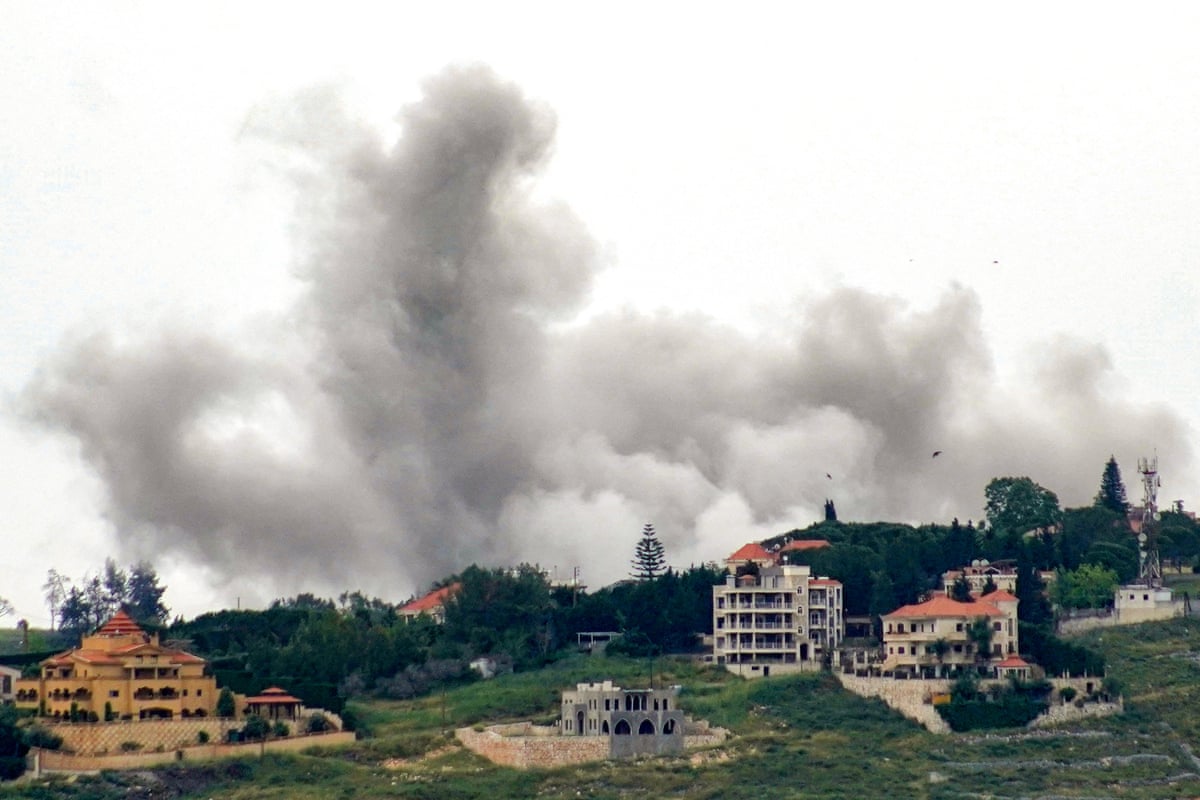
However, the US has shown reluctance to apply substantial pressure on Israel to halt its attacks in southern Lebanon, despite a recently extended ceasefire and upcoming diplomatic talks between Lebanon and Israel scheduled for early June.
Both Israel and Hezbollah, the Iranian-backed Lebanese militant group and political party, have continued hostilities since the ceasefire agreement took effect on 17 April, each accusing the other of violations.
More than one million people have been displaced due to the renewed Israeli military campaign in Lebanon, which began following Hezbollah's response to the US-Israeli bombing of Iran in late February.
Israeli airstrikes have resulted in over 3,000 fatalities in Lebanon since 2 March, according to the Lebanese health ministry.
"The total cumulative toll of the aggression from 2 March to 18 May is now as follows: 3,020 martyrs and 9,273 wounded," the ministry reported on Monday, noting that among the dead were 211 individuals aged 18 and under and 116 healthcare workers.
On the Israeli side, 20 Israel Defense Forces (IDF) soldiers and one civilian contractor from the defense ministry have been killed in southern Lebanon during the conflict, with two civilians reportedly killed by Hezbollah rocket attacks.
Iran’s recent proposal to the US, as conveyed by Iran’s deputy foreign minister Kazem Gharibabadi to the IRNA news agency, includes demands for the lifting of sanctions on Tehran, the release of frozen Iranian assets, and an end to the maritime blockade imposed on the country.
The proposal also calls for an end to hostilities on all fronts, including Israel’s assault on Lebanon, withdrawal of US forces from areas near Iran, and compensation for war damages.
The US reportedly found the updated peace proposal submitted by Iran on Sunday to be inadequate, which raised expectations that military action might resume.
Donald Trump is scheduled to meet with his top national security advisors in the Situation Room later today to discuss potential military options.
Speaking at a White House event yesterday, Trump described a "very positive development" and claimed that a deal was close that would prevent Iran from acquiring nuclear weapons, a claim Tehran denies.