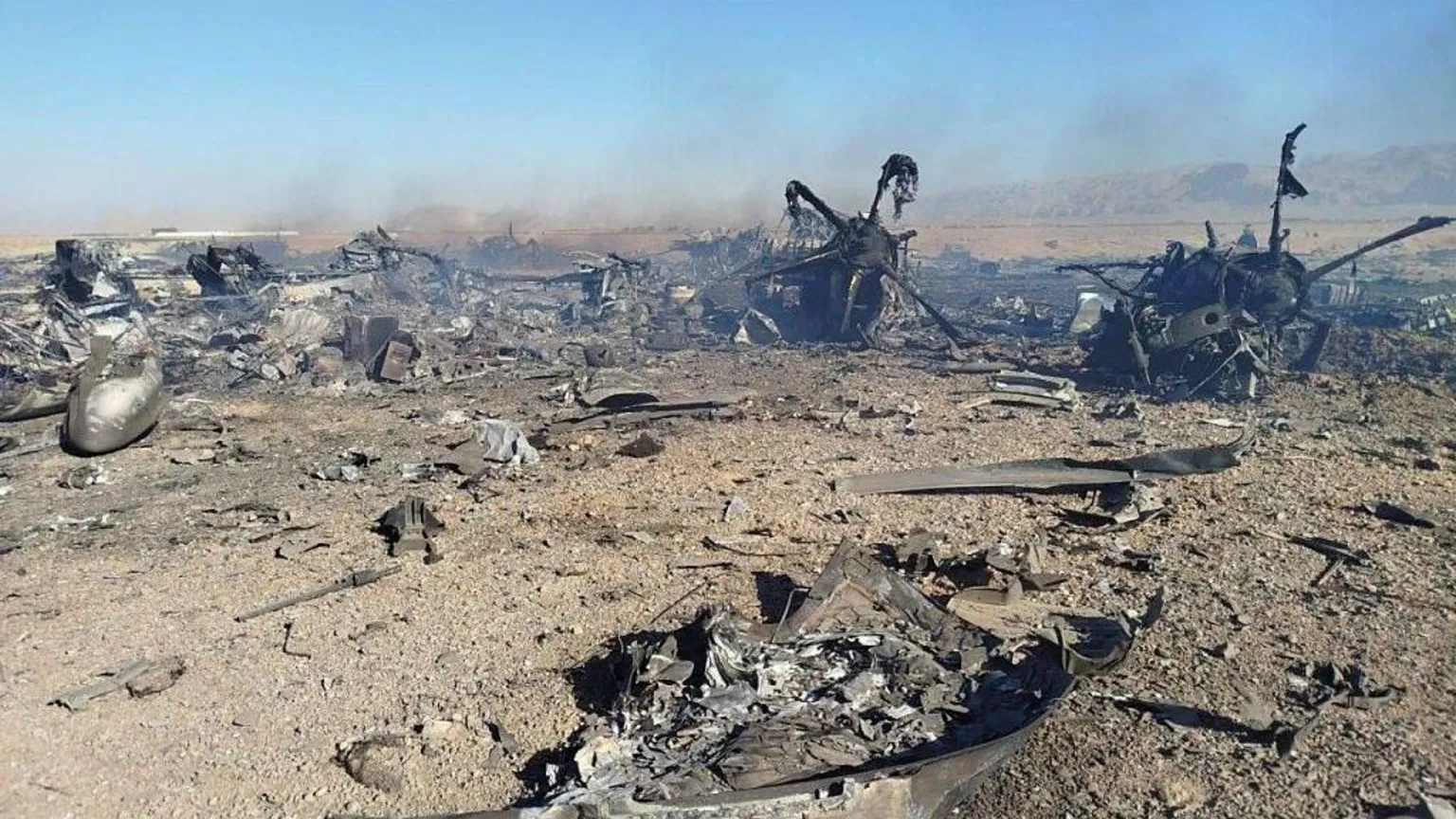
Trump Declares Victory Following Rescue Mission in Iran
US President Donald Trump promptly declared victory after the second crew member of an F-15 fighter jet, downed over Iran, was recovered. He stated that the dramatic and successful rescue operation within Iranian territory
"proves, once again, that we have achieved overwhelming air dominance and superiority".
However, analysts and observers suggest a more complex reality regarding the implications for the US presence in Iran.
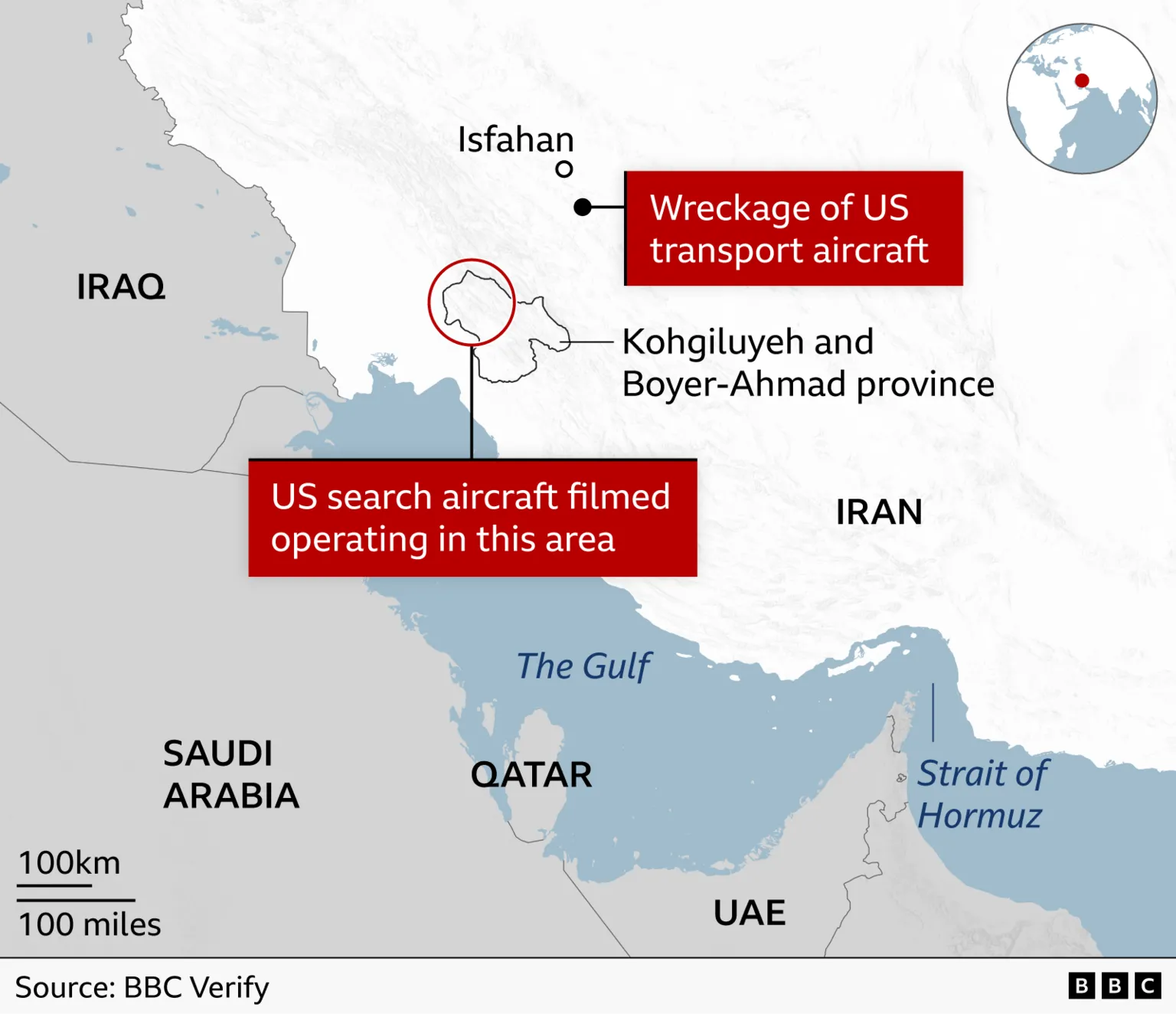
Complex Threat Environment Despite Successful Mission
While the rescue mission was successful, recent events—including the downing of two aircraft and at least one helicopter being struck by gunfire—underscore persistent threats to US aircraft and personnel. These incidents occurred despite weeks of intense US and Israeli strikes targeting Iran's military infrastructure and President Trump's assertions that Tehran had been stripped of its anti-aircraft capabilities.
Several Washington sources, speaking to the BBC, speculated that the loss of aircraft and the complexity involved in recovering the pilots might deter President Trump from authorizing ground operations aimed at seizing Iran's critical oil export terminal at Kharg Island, other strategic Gulf sites, or highly enriched uranium deposits buried deep underground.
Risks of Ground Operations and Iranian Defenses
Military planners have scoped these operations and presented them as options to the president. However, such missions are highly complex and risk exposing US forces to Iran's remaining capabilities, including hard-to-detect man-portable air defense systems (Manpads). These shoulder-launched missiles are particularly effective against low-flying aircraft.
Potential US Confidence Boost from Rescue Operation
Conversely, the fact that US troops managed to enter a contested environment, establish a forward airfield and refueling point under Iranian observation, and maintain control for hours while destroying two stranded aircraft and dispatching replacements, could embolden the administration.
This success might reinforce the belief that airborne or amphibious operations against Iranian targets have a strong chance of success. Such a message would resonate with US service members flying over Iranian airspace and those preparing for potential deployment.
Mixed Signals from President Trump on Iran Strategy
President Trump has conveyed mixed messages regarding the future course of action. In a series of phone calls on Sunday, he expressed optimism that a
"deal" with Iran could be just around the corner.
However, he has also repeatedly warned on Truth Social that a self-imposed deadline to begin striking Iranian power plants and bridges is approaching if negotiations fail.

In an expletive-laden message directed at the Iranian regime on Sunday, Trump warned that if the Strait of Hormuz remained closed, they would be
"living in Hell". In a brief phone interview with Fox News, he further suggested the possibility of moving to
"take" Iran's oil, though he did not provide additional details.
Implications of Escalated Campaign Against Iran
An expanded campaign targeting Iranian infrastructure and energy assets would mark a significant escalation. Human rights organizations have cautioned about the potential impact on civilians and the risk of war crimes.
Critics of the president are likely to interpret these developments as signs of frustration over the US's inability to secure freedom of navigation in the Strait of Hormuz, a crucial global corridor for oil and other commodities.
Public and Military Support for Rescue Efforts
To date, President Trump's supporters have rallied behind the administration's efforts to rescue the crew members. For Trump, the successful recovery represents a
"win"both publicly and within the US military.
The rescue operation reinforced the administration's commitment to the Soldier's Creed's
"No Man Left Behind"ethos, which emphasizes that, whenever possible, no US service member should be abandoned to the enemy.
Nonetheless, some supporters, including fervent MAGA backers, have expressed unease about the prospect of an expensive and protracted war with an uncertain outcome and potential US casualties.
Strategic and Propaganda Implications of Pilot Recovery
The recovery of the two pilots denied Iran a significant propaganda victory. The image of US military personnel held captive in Iran would likely have dominated US war-related news and undermined President Trump's narrative of a swift and decisive victory.
Shifts in President Trump's Public Statements
President Trump's comments over the weekend contrast with statements made the previous week, including a televised address on 1 April. During that address, he suggested the US had created conditions enabling other countries to engage in the Strait of Hormuz, telling allies to
"Take it, protect it, use it for yourselves".
He had also recently indicated a willingness to
"leave"Iran if a deal could not be reached.
However, he now appears to have shifted strategy, hoping that increased threats of devastating attacks on Iran's core infrastructure will compel Tehran's leadership to negotiate.