Opening Summary
Welcome to our live coverage of developments in the Middle East.
Donald Trump announced that the leaders of Israel and Lebanon will engage in talks on Thursday, marking the first direct diplomatic negotiations between the two nations in decades.
“Trying to get a little breathing room between Israel and ,”the former US president posted on Truth Social on Wednesday.
“It has been a long time since the two leaders have spoken, like 34 years. It will happen tomorrow.”
Trump did not specify the participants or provide further details. The Financial Times reported that a ceasefire could be declared soon, citing Lebanese officials.
Earlier reports indicated that Israeli Prime Minister Benjamin Netanyahu was considering a possible truce with Lebanon following pressure from Washington.
Meanwhile, the White House denied claims that the US requested an extension of its ceasefire with , which is set to expire next week. Press Secretary Karoline Leavitt stated that talks between the parties were
“productive and ongoing,”and the US
“feels good about the prospects of a deal.”
The US also announced enhanced sanctions targeting Iran’s oil industry. The Treasury Department revealed that sanctions would focus on oil transport infrastructure, affecting over two dozen individuals, companies, and ships connected to petroleum shipping magnate Mohammad Hossein Shamkhani.
On Wednesday, Pakistan’s army chief met with Iran’s foreign minister in Tehran as part of diplomatic efforts to ease tensions in the Middle East and to arrange a second round of US-Iran negotiations. Trump earlier stated that the war was
“very close to over.”
Leavitt indicated that talks would
“very likely”be held again in Islamabad, with Pakistan serving as
“the only mediator”in the discussions.
Major Wall Street stock indices continued to rise on optimism regarding a potential US-Iran agreement.
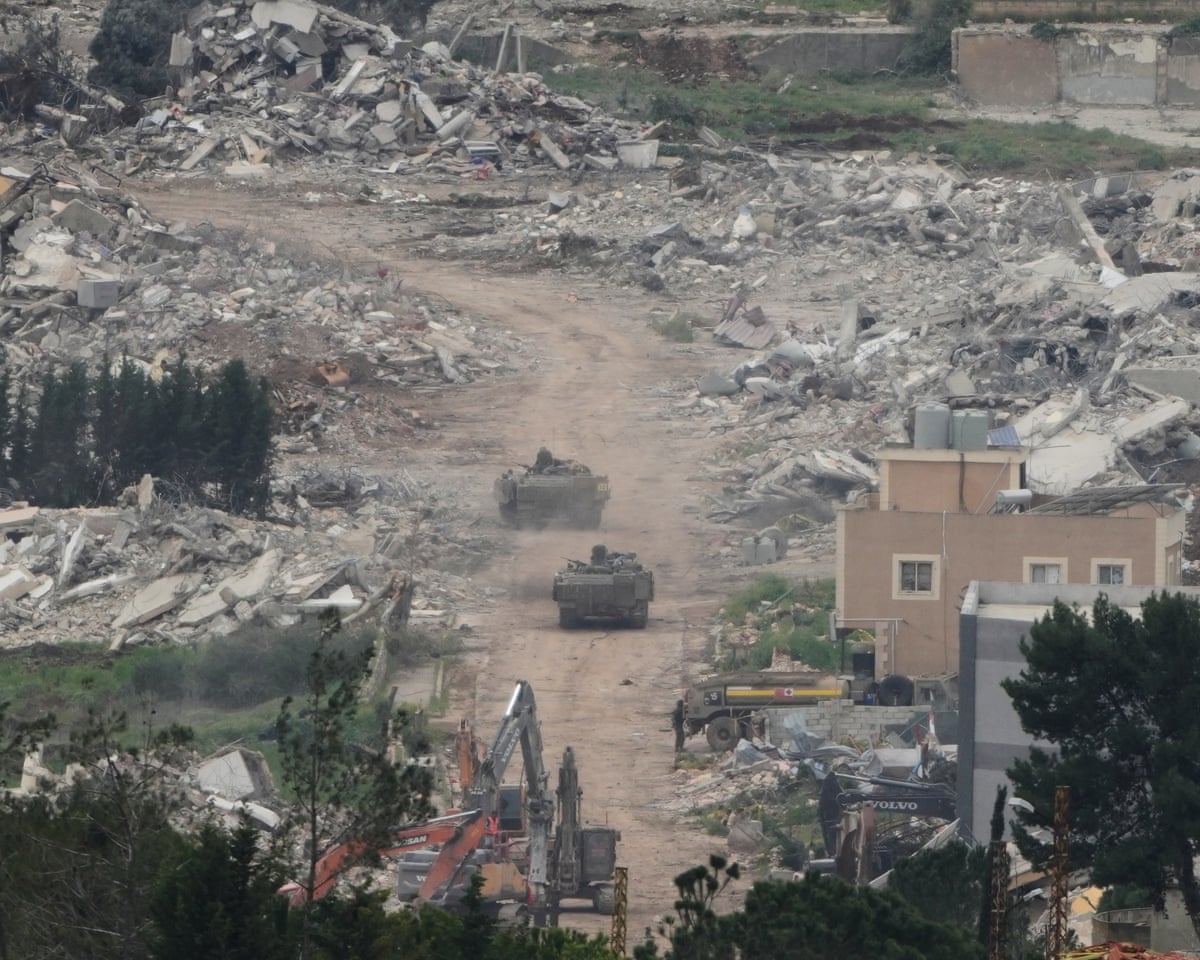
Israel’s security cabinet convened to discuss a ceasefire following the US-mediated Israel-Lebanon talks in Washington on Tuesday. Despite this, the Israeli military continued airstrikes in Lebanon, with Netanyahu stating that Israel was close to
“overwhelm[ing]”the southern Lebanese town of Bint Jbeil, which he described as a Hezbollah stronghold.
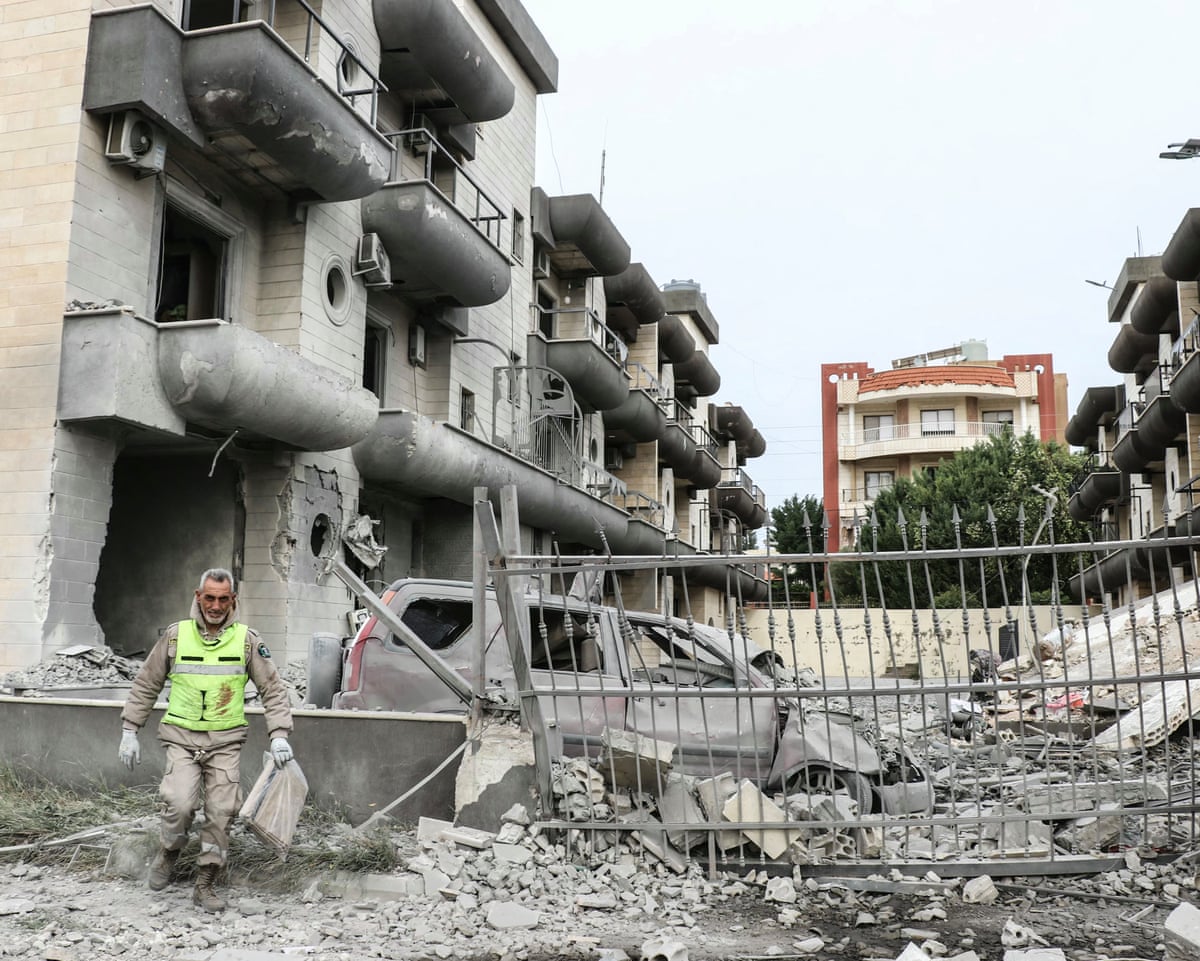
Four Lebanese rescue workers were killed in consecutive Israeli strikes in the southern village of Mayfadoun on Wednesday, according to paramedic groups. Six others were wounded.
The US Central Command (Centcom) reported intercepting 10 vessels attempting to depart Iranian ports within the first 48 hours of the US naval blockade. However, ship tracking data showed that at least three ships sailed from Iranian ports through the Strait of Hormuz, although some later turned back.
Finance ministers from 11 countries, including the UK and Japan, called for
“coordinated emergency support”from the International Monetary Fund (IMF) and World Bank to assist countries affected by disruptions caused by the Middle East conflict.
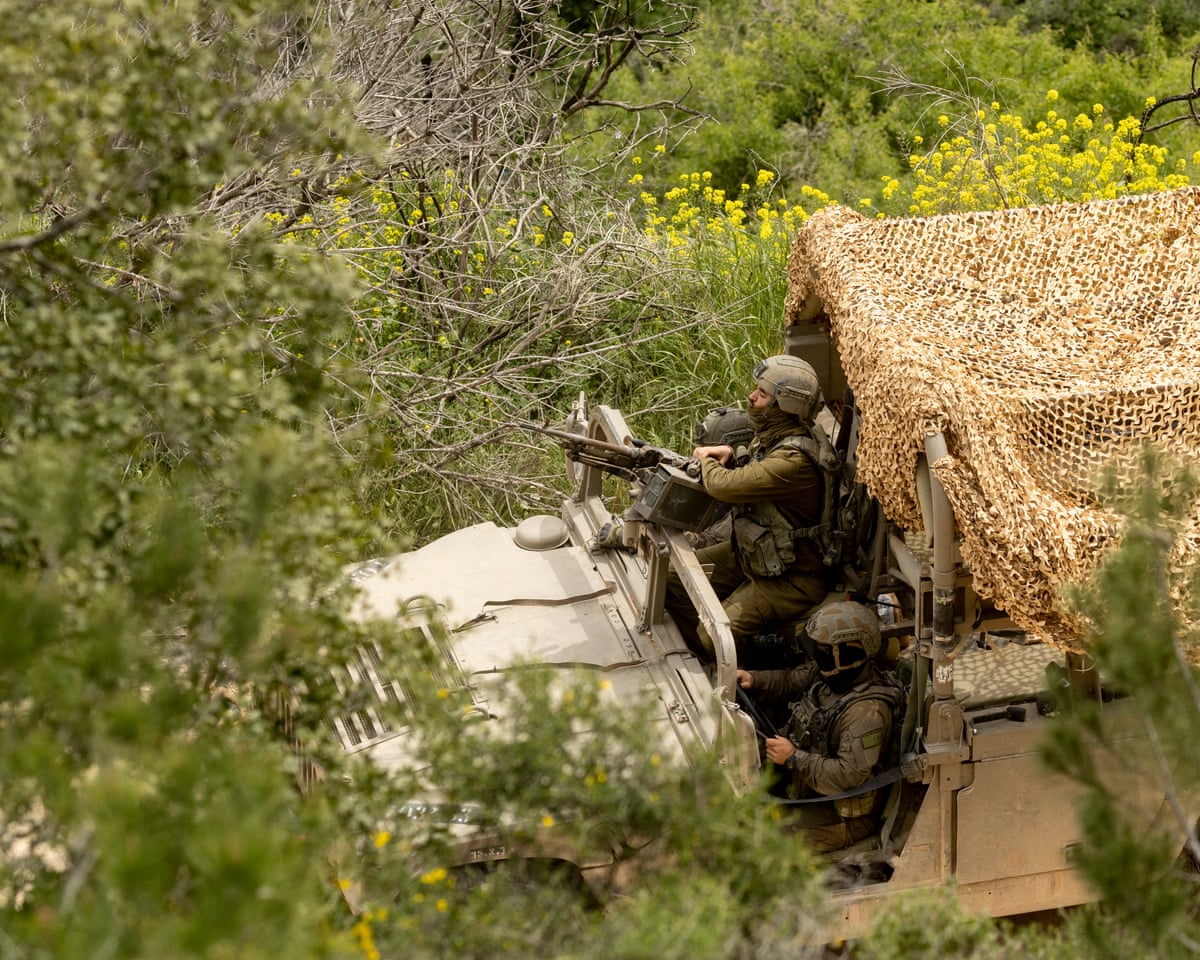
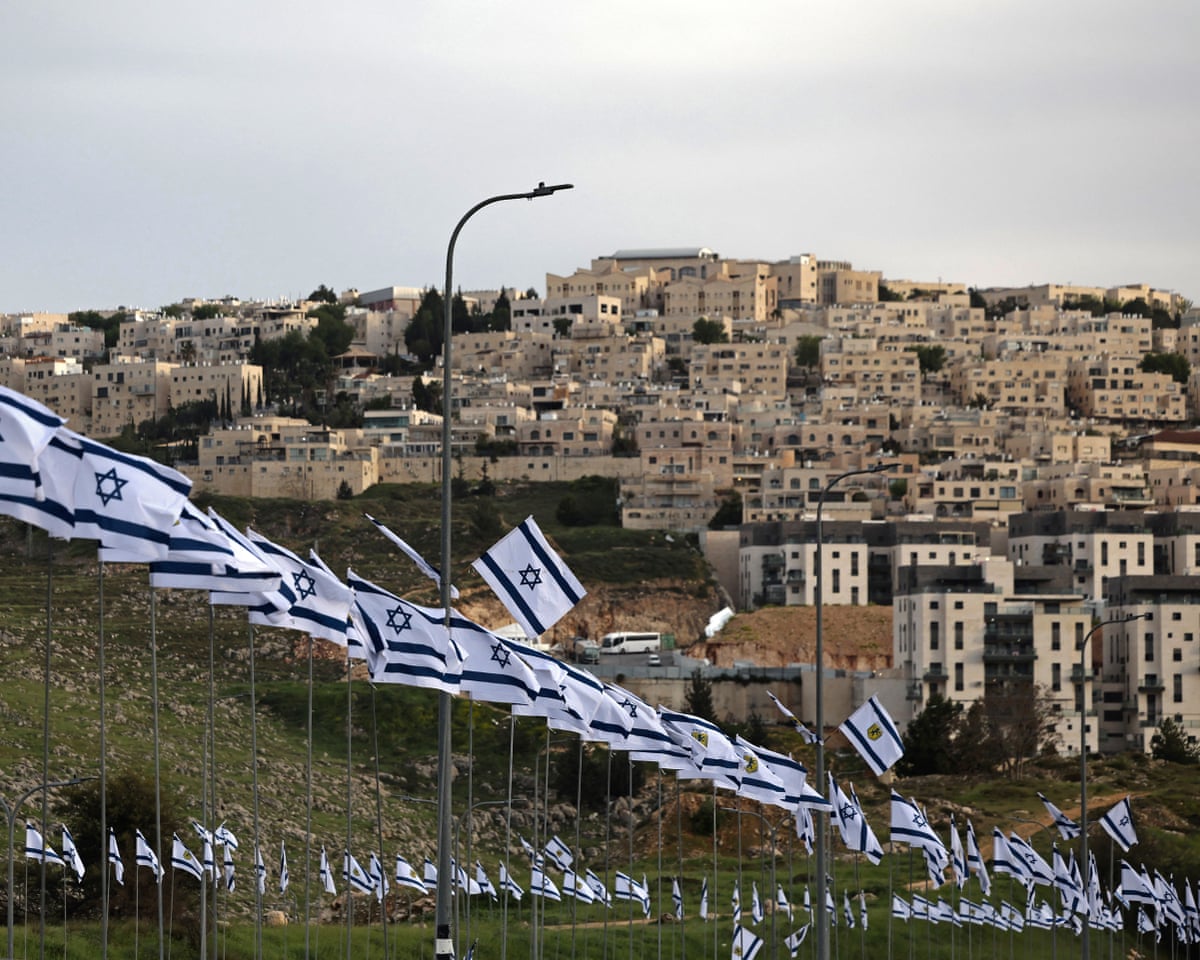
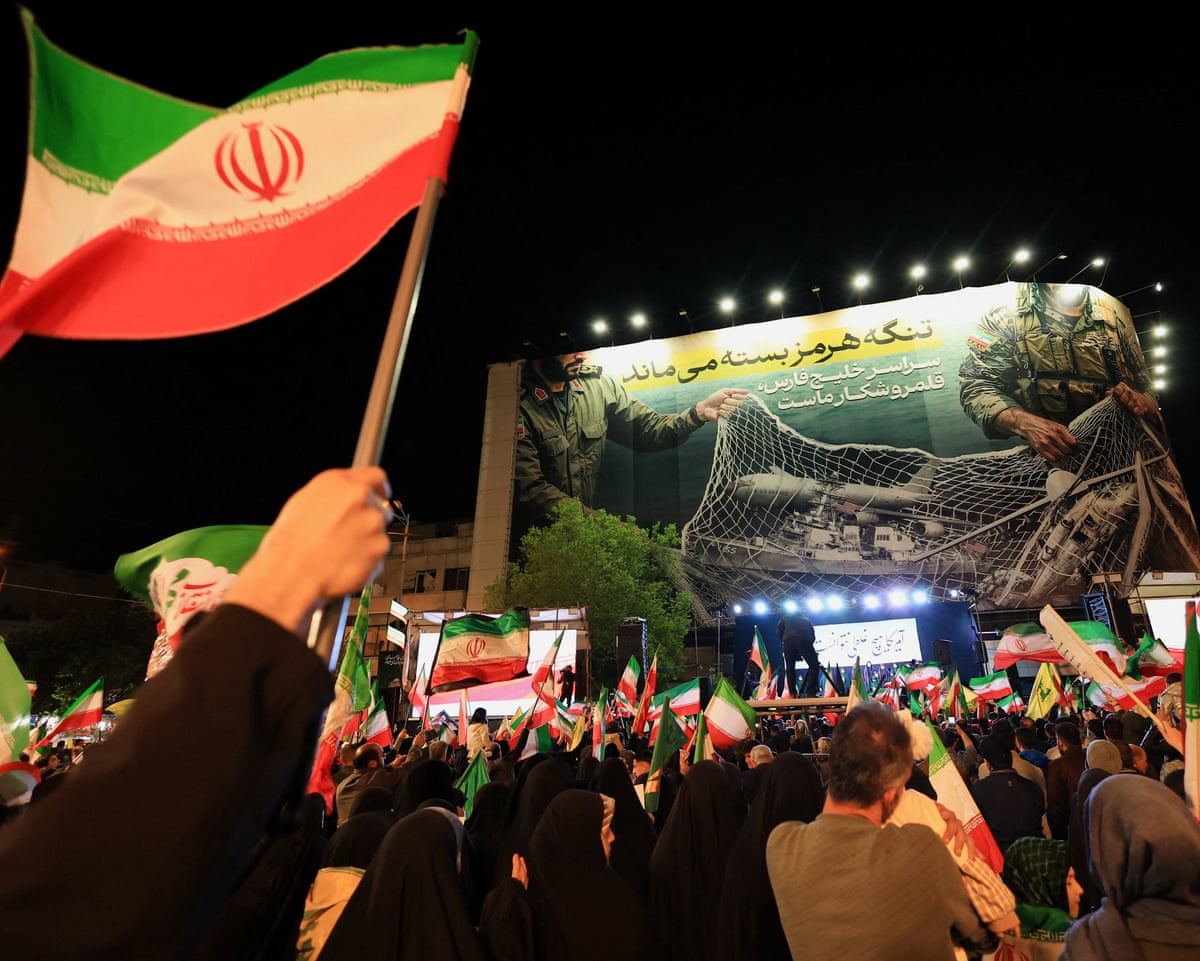
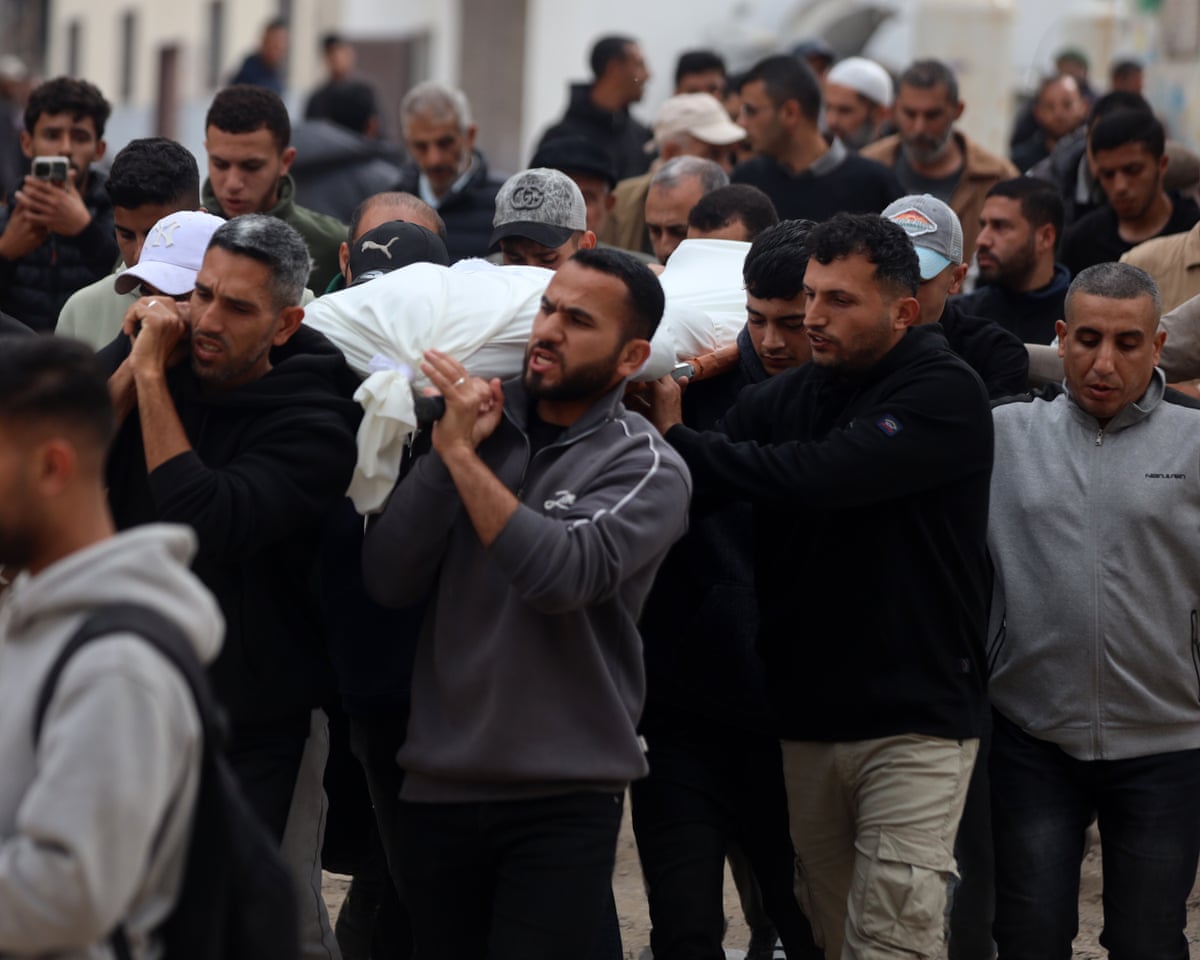
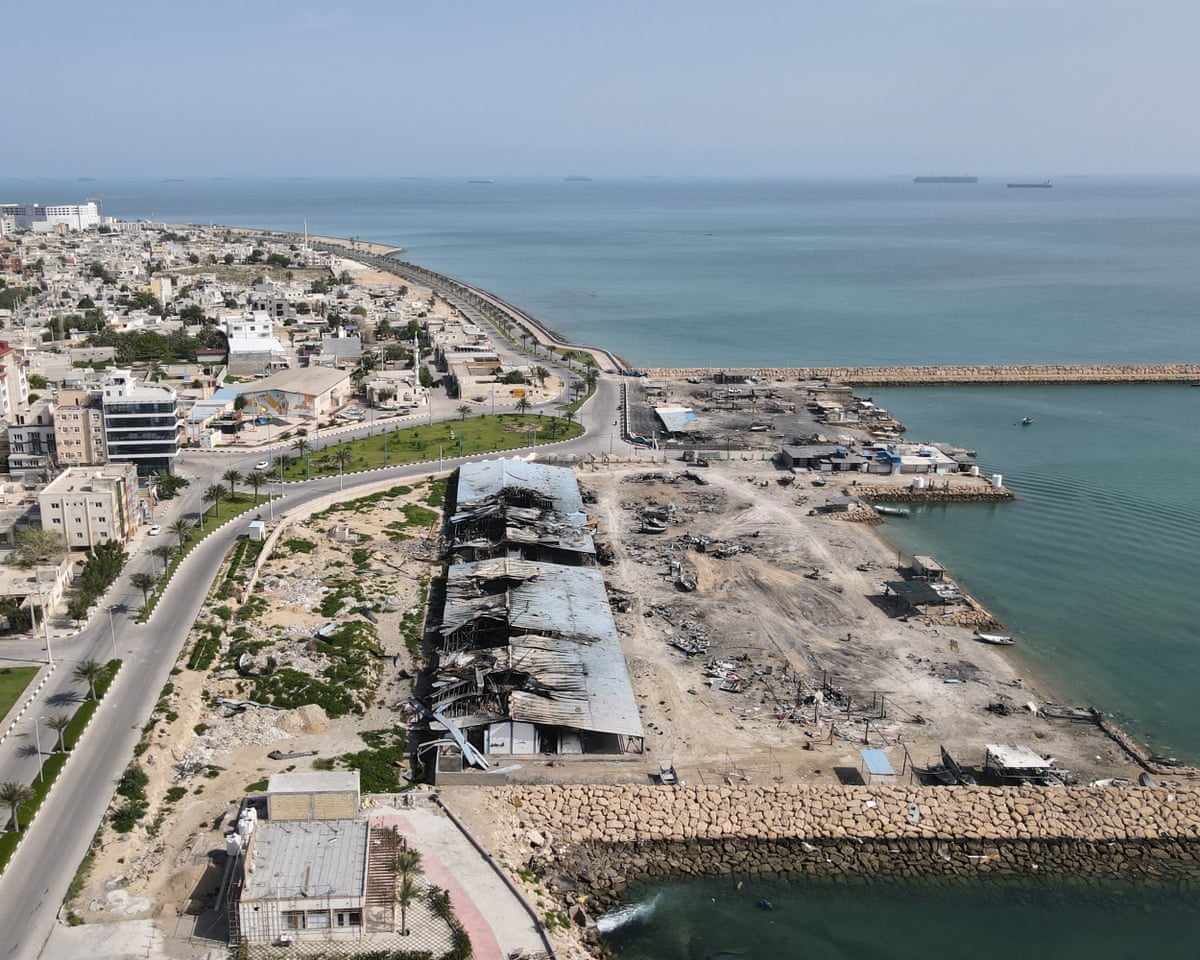
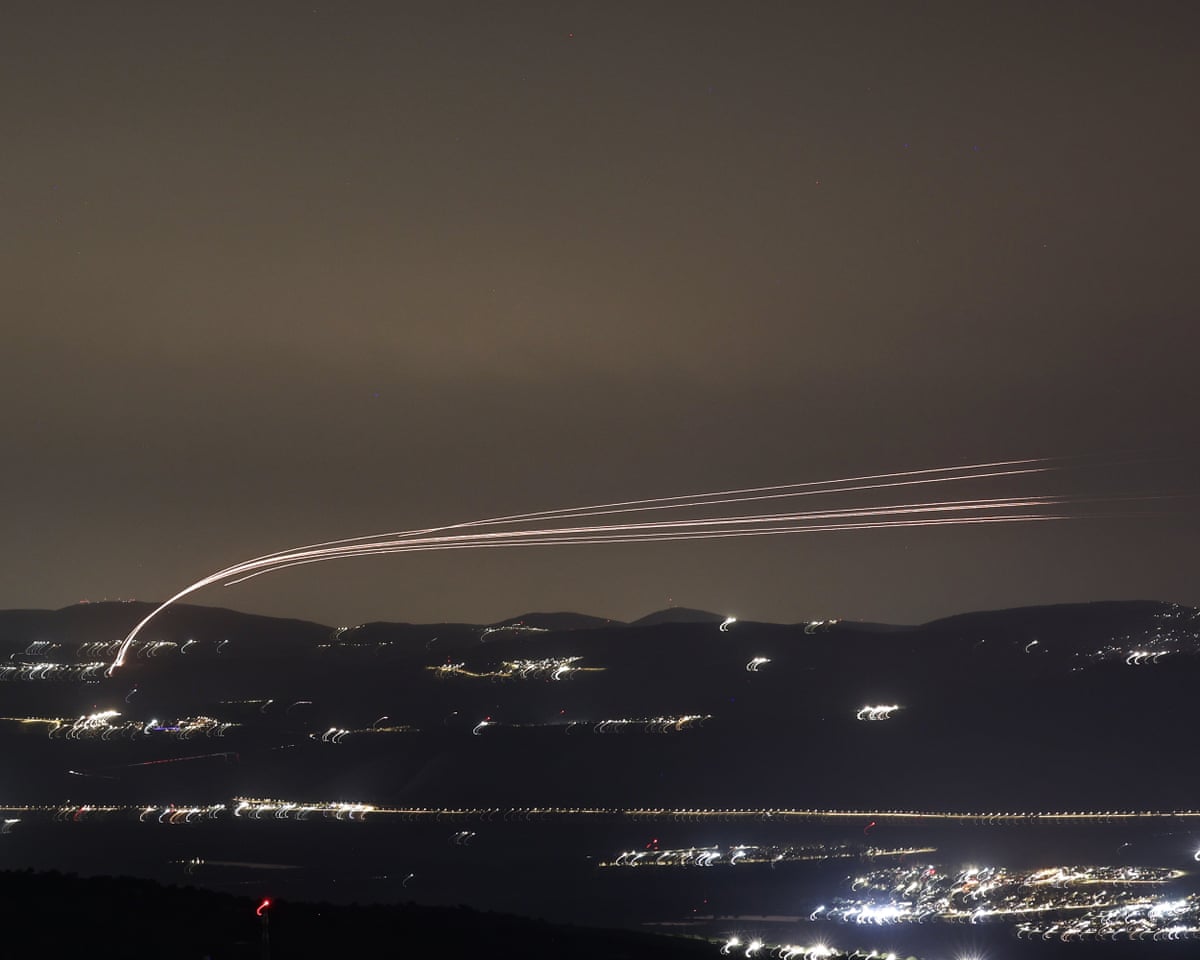
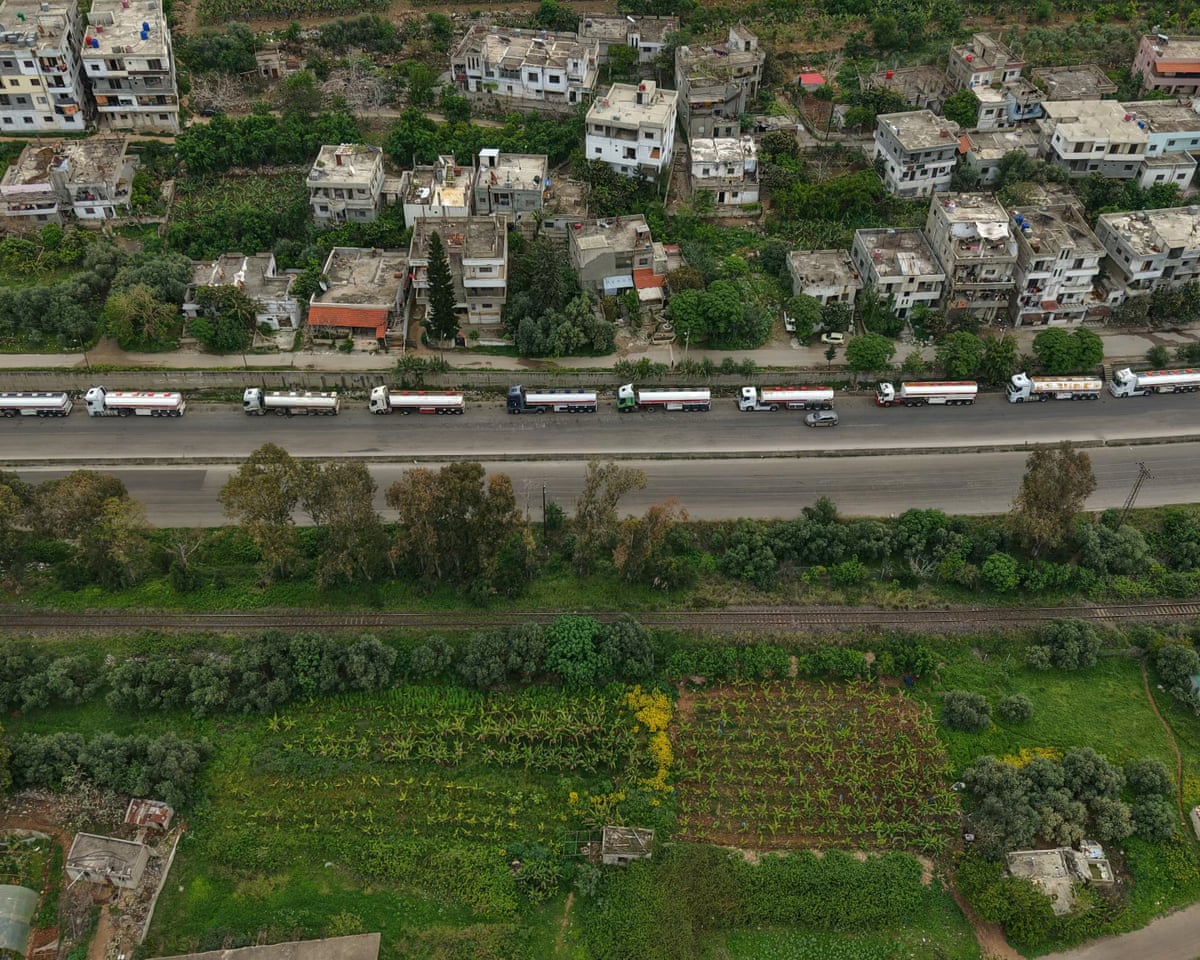
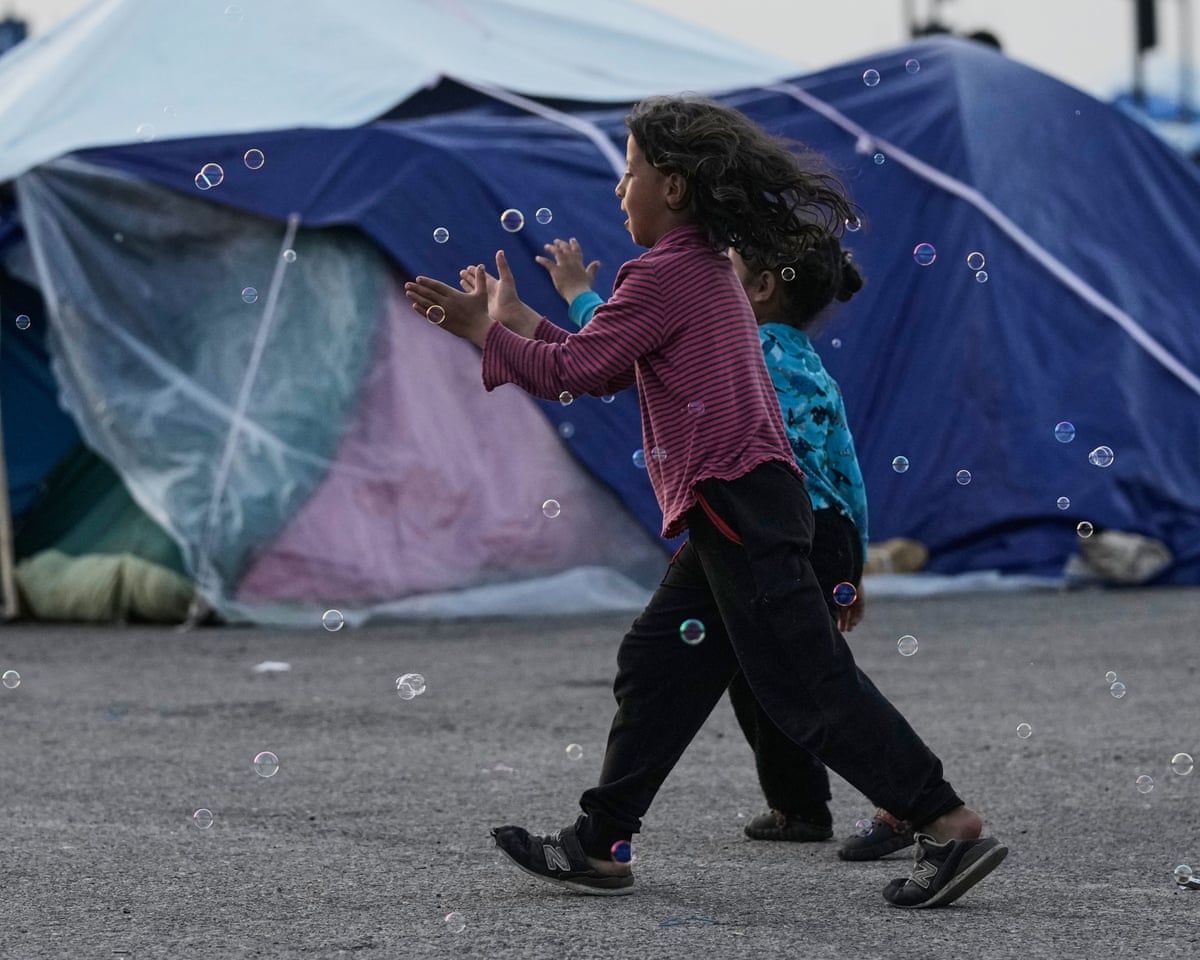
Here are some of the latest images from the Middle East amid growing optimism that the conflict may be nearing an end, with a key Pakistani mediator in Tehran and talks raising hopes for an agreement that would reopen the Strait of Hormuz.
The European Union is preparing plans to address an impending jet fuel shortage and to maximize refinery output, officials said.
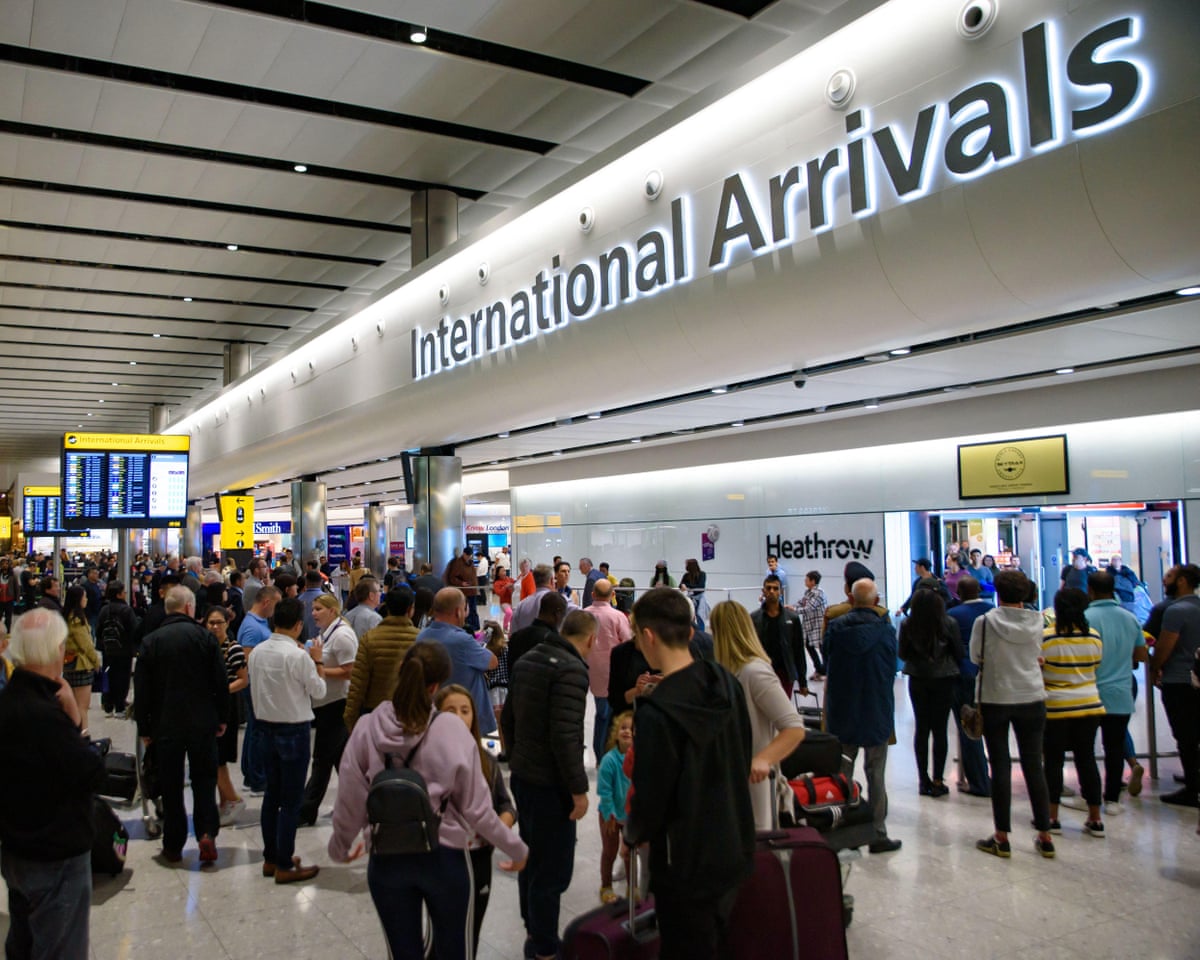
European airlines have warned of jet fuel shortages within weeks due to the war, which could disrupt travel ahead of the summer season.
Europe is more dependent on jet fuel imports from the Middle East than for any other transport fuel, with approximately 75% of jet fuel sourced from the region, reports.
Starting next month, the European Commission will implement EU-wide mapping of refining capacity for oil products and introduce measures
“to ensure that existing refining capacity is fully utilised and maintained,”according to a draft proposal.

The EU is also developing measures specifically targeting jet fuel supply, although these are still in progress, officials familiar with the proposals said. The European Commission declined to comment on the draft plans, which are scheduled for publication on 22 April.
Jet fuel prices have surged since the blockade of the Strait of Hormuz, and European airlines are warning of price increases, cancellations, and grounded aircraft if the conflict does not resolve soon.
US President Trump stated in comments aired on Wednesday that the war with Iran could end shortly, urging the world to watch for an
“amazing two days.”Meanwhile, US forces enforcing the blockade turned back vessels attempting to leave Iranian ports.
The US Secretary of Defense and the Chairman of the Joint Chiefs of Staff will hold a press conference on Thursday morning US time regarding the US-Israel operation against Iran. The Department of Defense announced on social media that Pete Hegseth and General Dan Caine would address Operation Epic Fury at 8am ET (1200 GMT).
Asian stock markets mostly advanced, while oil prices stabilized on Thursday amid expectations of a ceasefire extension in the Middle East conflict and hopes for further US-Iran negotiations.
Tokyo’s Nikkei 225 rose 2.4%, South Korea’s Kospi climbed 2%, Hong Kong’s Hang Seng increased, and the Shanghai Composite index was up 0.6%.
China reported 5% economic growth for the January-March quarter, an acceleration from the previous quarter, according to the Associated Press.
Although economists suggest China has largely absorbed the initial impacts of the Iran conflict, some warn that its significant export sector could face more substantial effects in the coming months due to slower global economic growth.
Taiwan’s Taiex index traded 0.9% higher, while Australia’s S+P/ASX 200 edged down 0.1%.