Tehran Refuses New US Negotiations
Tehran has announced it currently has no plans to engage in further talks with the United States, according to Iran's state media on Sunday evening. This statement came shortly after US President Donald Trump declared he was sending a delegation to Islamabad for potential negotiations.
Iran's state broadcaster IRIB, citing Iranian sources, stated,
“There are currently no plans to participate in the next round of Iran-US talks.”
The US delegation was scheduled to arrive in Islamabad on Monday to discuss a possible continuation of talks aimed at resolving the ongoing US-Israeli conflict involving Iran. This followed President Trump's renewed threats to target Iran's infrastructure if the country does not agree to a deal.
The US delegation, led by Vice-President JD Vance and including Trump's special envoy Steve Witkoff and son-in-law Jared Kushner, was expected to address issues concerning the transit of commercial shipping through the Strait of Hormuz. This move reversed an earlier agreement to reopen the strategic waterway, which had been closed due to the US's refusal to lift its naval blockade.
Iran's official IRNA news agency reported that Tehran's decision to abstain from the second round of talks was due to what it described as Washington's excessive demands, unrealistic expectations, inconsistent positions, repeated contradictions, and the ongoing naval blockade, which Iran views as a violation of the ceasefire.
The conflict, now entering its eighth week, has resulted in thousands of casualties in Iran and neighboring countries, while also causing a surge in oil prices due to the closure of the strait.
In a state television interview aired late Saturday, Iran's chief negotiator and parliament speaker Mohammad Bagher Qalibaf emphasized,
“There will be no retreat in the field of diplomacy,”while acknowledging significant differences remain between the parties.
President Trump stated on Sunday that the talks in Islamabad, scheduled before the fragile two-week ceasefire expires on Wednesday, represented the
“last chance”for Iran to accept a peace agreement.
He warned,
“If Iran does not sign this deal, the whole country is getting blown up.”On Fox News, Trump reiterated his threat to destroy Iran's power plants and bridges if the agreement is not accepted.
Trump described the US offer, which includes reopening the strait and preventing Iran from enriching uranium, as a
“very fair and reasonable deal.”He vowed to eliminate
“every single Power Plant”and
“every single Bridge”if Iran refuses the deal.
On Truth Social, Trump declared,
“NO MORE MR. NICE GUY! They’ll come down fast, they’ll come down easy and, if they don’t take the DEAL, it will be my Honor to do what has to be done, which should have been done to Iran, by other Presidents, for the last 47 years.”
Pakistan’s foreign affairs ministry reported that Deputy Prime Minister Mohammad Ishaq Dar spoke with Iran’s Foreign Minister Abbas Araghchi on Sunday. The conversation included discussions on
“the need for continued dialogue and engagement as essential to resolving the current issues as soon as possible for promoting the peace and stability in the region and beyond.”
A phone call was also planned between Iran’s President Masoud Pezeshkian and Pakistan’s Prime Minister Shehbaz Sharif.
US Ambassador to the United Nations Mike Waltz told ABC News he anticipated the new round of talks would yield an
“incredibly consequential”outcome.

Strategic Importance of the Strait of Hormuz
For Iran, the closure of the Strait of Hormuz, imposed following the US and allied launch of the Iran war on 28 February during nuclear program negotiations, remains a potent strategic tool, exerting political pressure on President Trump.
On Saturday, Iran reinstated strict restrictions on commercial shipping transit through the strait, reversing earlier agreements.
Trump’s renewed threats to target Iran’s power plants and bridges align with a pattern of similar warnings throughout the conflict, many of which preceded attempts to de-escalate tensions. Notably, he announced the ceasefire two weeks ago just hours after threatening that Iran’s
“whole civilisation will die tonight.”
Trump accused Iran of breaching the two-week ceasefire by attacking two merchant ships in the strait following a brief increase in transit attempts on Saturday.
Iran’s Foreign Ministry spokesperson Esmaeil Baghaei condemned the US naval blockade as a violation of the ceasefire, describing it as
“unlawful and criminal.”He added on social media that the blockade, by
“deliberately inflicting collective punishment on the Iranian population,”amounts to war crimes and crimes against humanity.
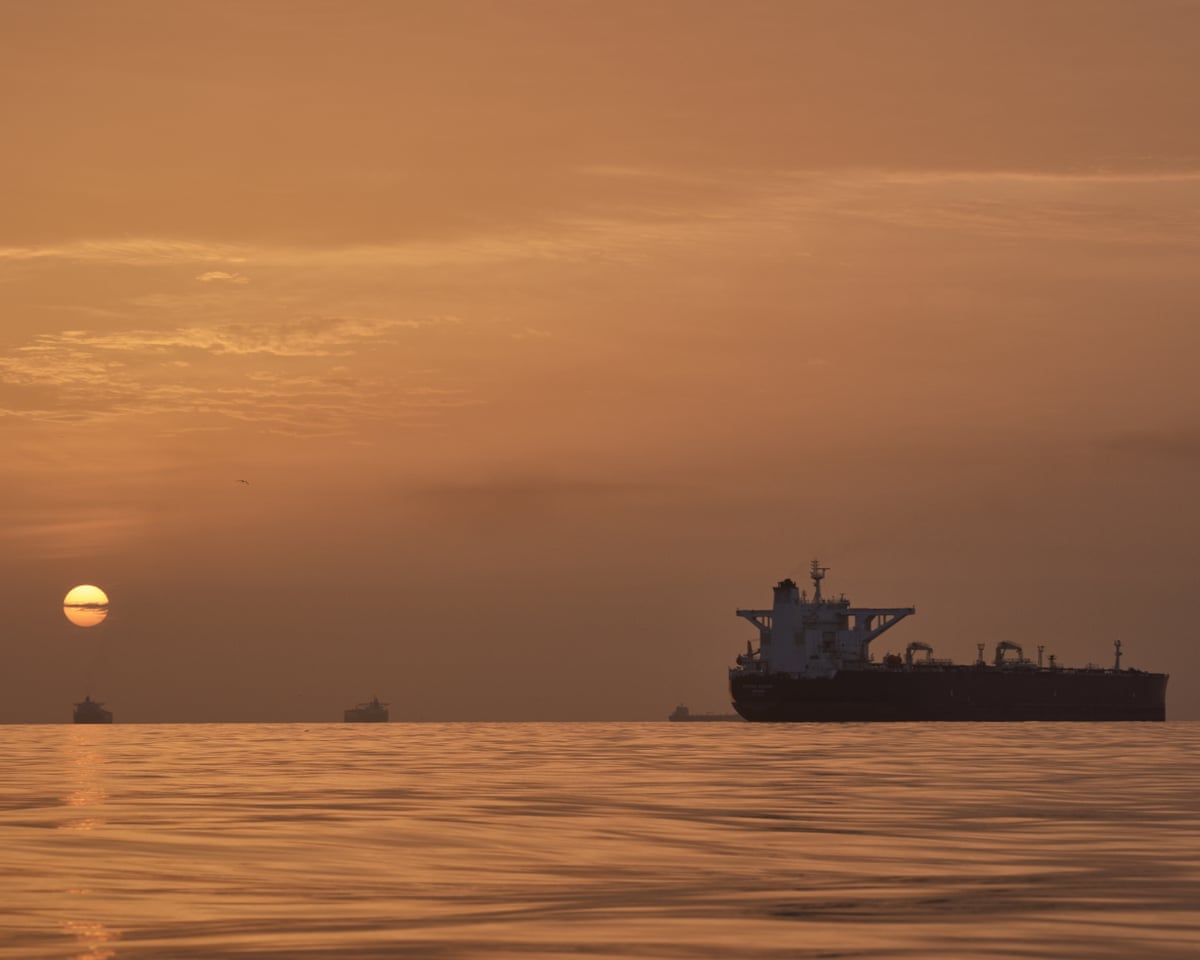
Approximately one-fifth of global oil trade typically passes through the Strait of Hormuz, and the ongoing conflict threatens to exacerbate the global energy crisis. Iran maintained on Sunday its position that no ships would be allowed to pass while the US blockade remains in place.
Two liquefied petroleum gas tankers were observed moving eastbound toward the strait early Sunday morning, according to ship-tracking websites. However, the semi-official Tasnim news agency reported that Iran’s armed forces turned the vessels back.
US Naval Actions and Regional Impact
President Trump announced on Sunday that the US had seized an Iranian-flagged cargo ship attempting to bypass the US naval blockade.
He stated on social media that a US Navy guided-missile destroyer in the Gulf of Oman warned the ship to stop, but it did not comply.
“Our navy ship stopped them right in their tracks by blowing a hole in the engineroom,”Trump wrote.
US Marines have taken custody of the cargo ship, named Touska, and are inspecting its contents.
The announcement on Friday that the strait would reopen led to the sharpest one-day drop in oil prices in years and record highs in stock markets, driven by expectations that the disruption would end soon. However, with the strait remaining closed, markets may experience renewed volatility when trading resumes on Monday.
Pressure is mounting on President Trump to find a resolution to the conflict as fellow Republicans prepare to defend narrow majorities in Congress during the November midterm elections.
Regional Ceasefires and Displacement
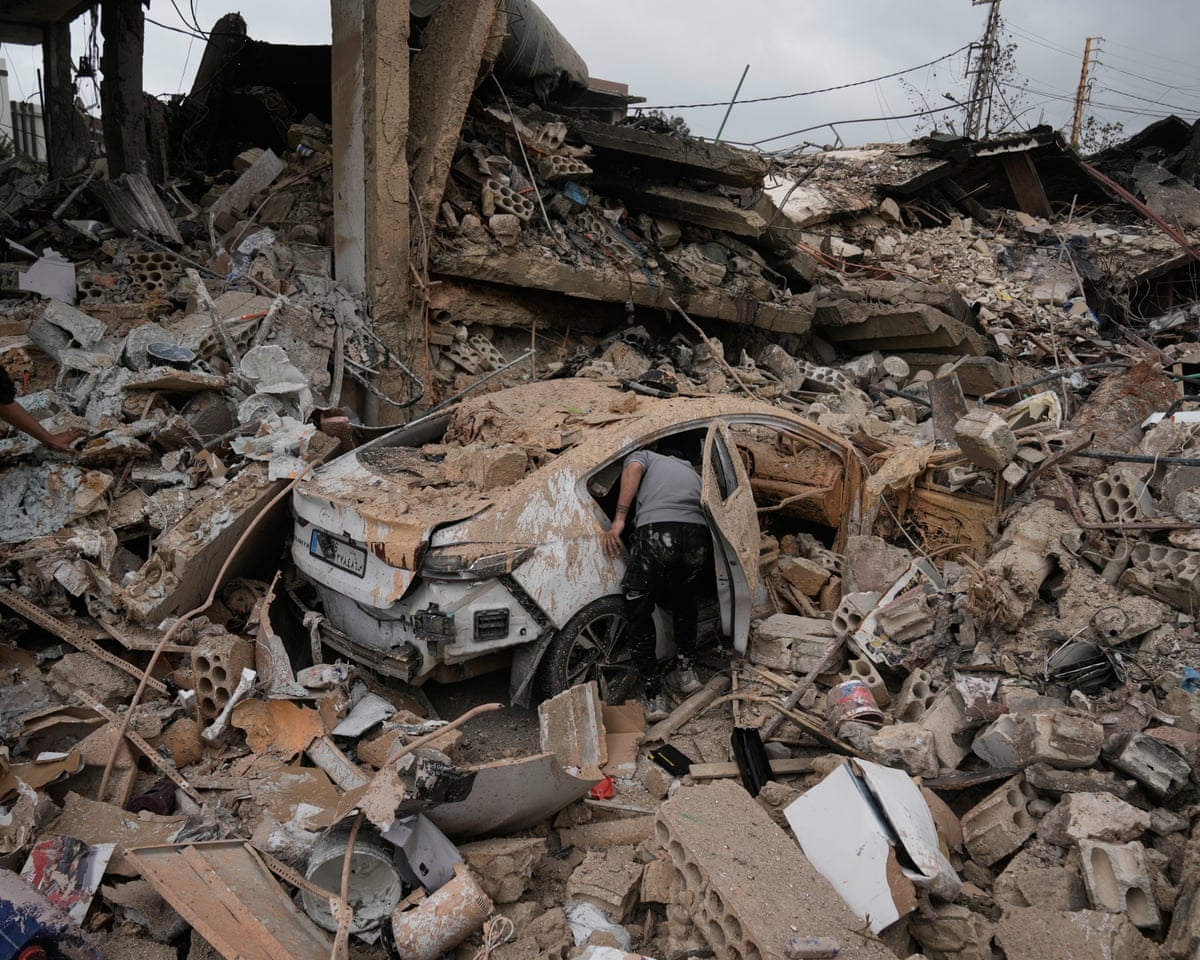
In addition to the two-week ceasefire in Iran, Israel and Lebanon announced a separate ceasefire last week. The Israeli invasion has displaced more than one million Lebanese citizens. Israel stated the operation targeted Hezbollah, a powerful Shia armed group allied with Iran that has fired across the border in support of Tehran.
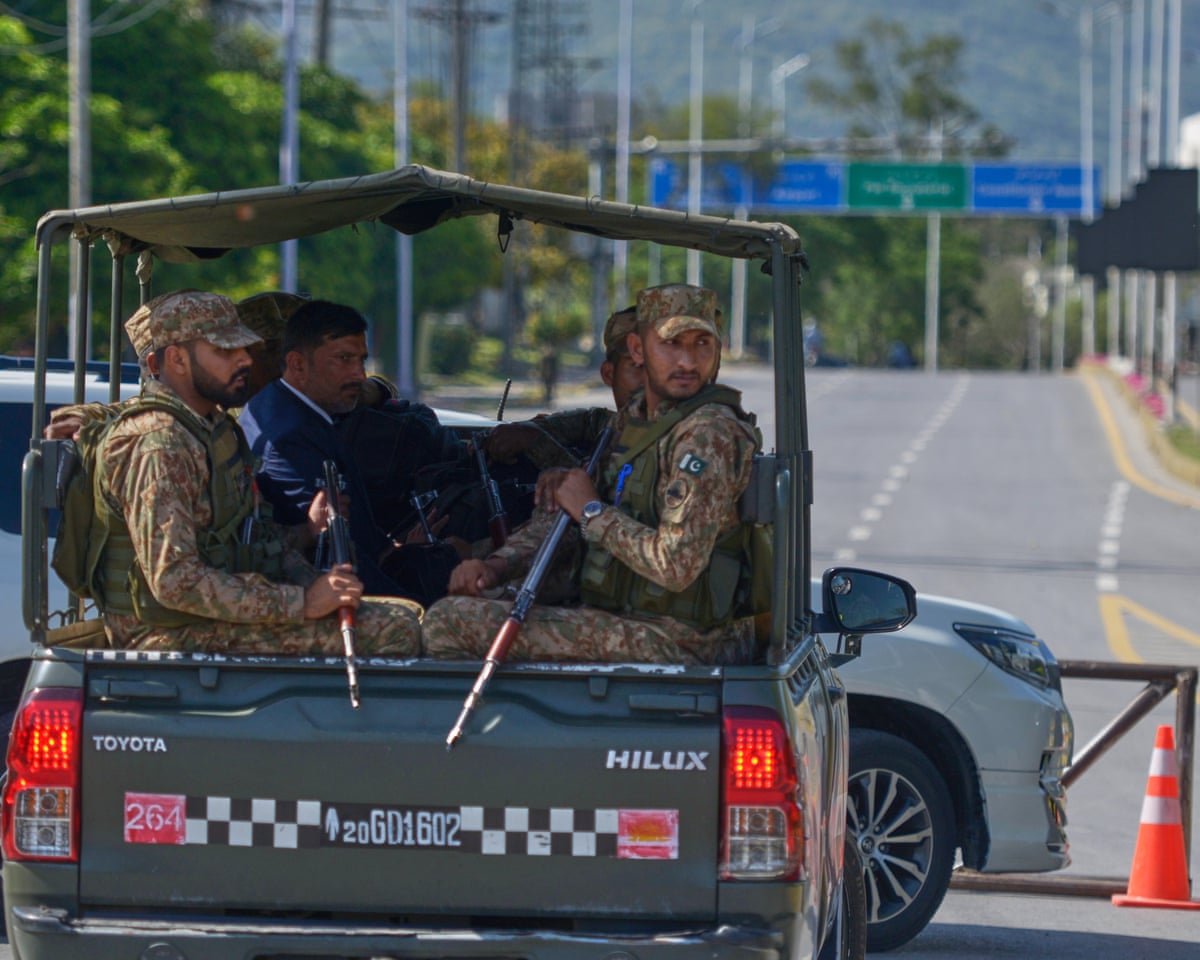
Security personnel were seen patrolling in Islamabad, Pakistan on Sunday in anticipation of any second round of official US-Iran talks.