Missile Interceptions and Local Impact
A Scottish man residing in Dubai reported that his children inquired about the "bangs" they heard, which were caused by the UAE's interception of missiles launched from Iran.
Gary Goldie described Tehran's retaliatory missile attacks on Gulf states, following US and Israeli strikes, as "concerning" but noted that daily life was "continuing as normal" in the region.
The Foreign Office has advised British nationals in the Middle East to register their presence with the UK government to receive updates regarding the evolving situation.
Scottish political leaders have urged for a de-escalation of hostilities and called on all parties involved to pursue a "peaceful resolution" to the conflict.
Several Scots are reportedly stranded in Abu Dhabi and Dubai in the UAE, as well as in Doha, Qatar. Both countries serve as major travel hubs connecting the UK with Africa, Asia, and Australasia.
Airspace over the UAE and Qatar, which operate direct flights to Edinburgh and Glasgow, remains closed until further notice.
Goldie shared that he had received multiple calls from concerned relatives in Scotland since the conflict began on Saturday. He emphasized that there was "no sense of emergency," although Dubai authorities had implemented precautionary measures, including advising children to learn from home.
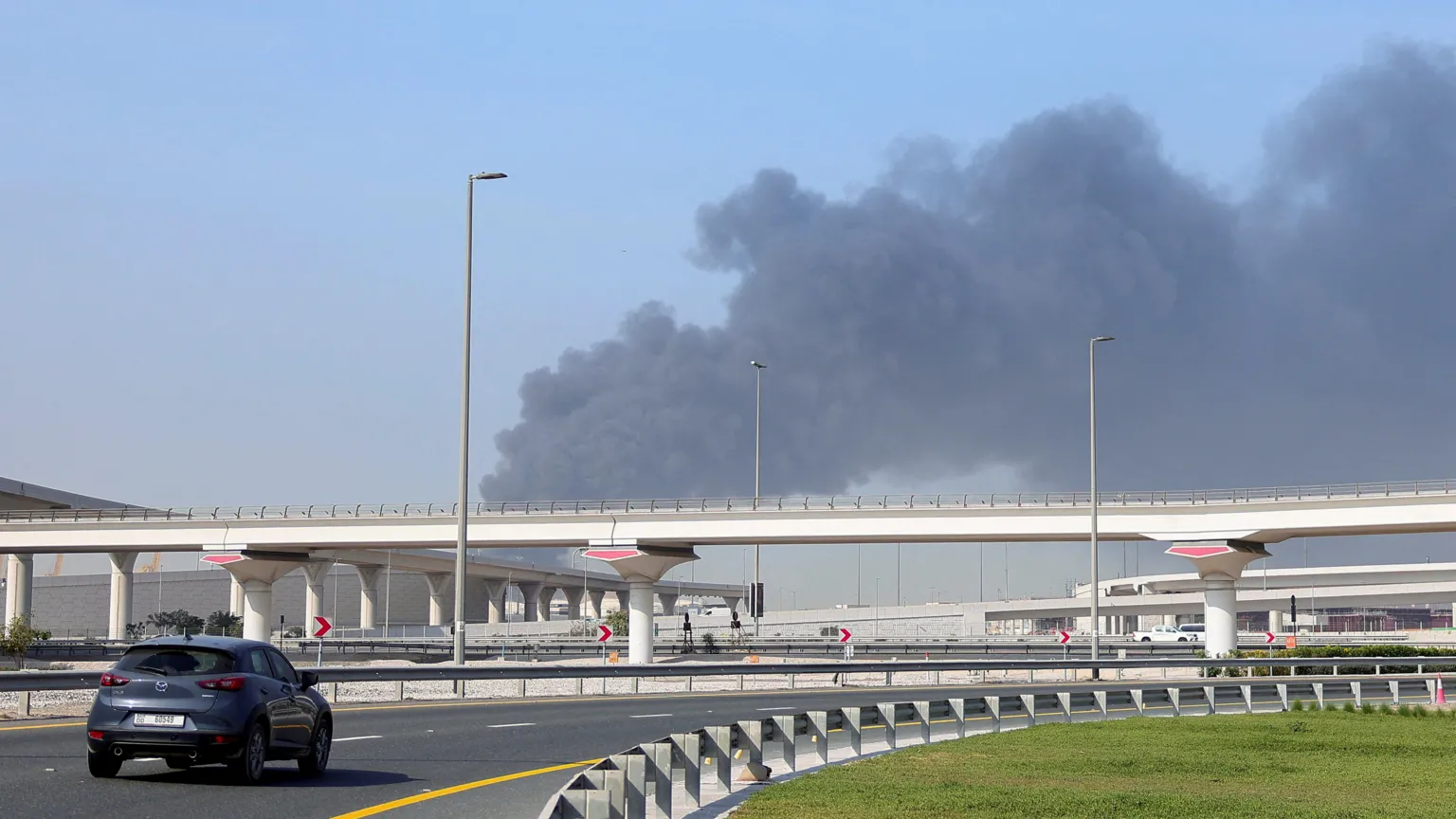
One individual has died and 11 others have been injured due to falling debris from strikes targeting airports in Abu Dhabi and Dubai.
Goldie told BBC Scotland News that while people were "cautious," normal activities continued with busy roads, and malls and hotels remaining open.
"Dubai is a big place, the UAE is a big place, so it is in very small pockets where this debris is falling.
Our children were asking yesterday what was going on, what are the bangs? We have heard some of the bangs, some of the interceptions of what is going on over Dubai.
But some of the calls I've been getting from back home, people think we're in all out warzone. It's very small, concentrated areas."

Travel Disruptions and Safety Advisories
Flights to and from Middle Eastern countries are suspended until Monday. The Foreign Office advises against all but essential travel to Bahrain, Kuwait, Qatar, and the UAE, recommending British nationals shelter in place.
The US and Israel characterized the Saturday attacks as a "pre-emptive" strike against the Iranian government, which they accuse of pursuing nuclear weapons development.
Simon Calder, travel correspondent for The Independent, explained that travelers to and from the region must wait until airspace reopens. However, those transiting through Qatar or the UAE to destinations such as Thailand, India, and Australia have the right to be transported to their final destinations.
Calder advised passengers to review their travel insurance policies and stated:
"Under air passenger rights rules you have the right to be flown to your destination as soon as possible.
If you are heading on from the area further afield, you can say to the airlines in that case Emirates or Qatar Airways right you've got to rebook me on another airline and that might be one of the European carriers and might be British Airways but they've got to find a way of getting you to your destination."
Experiences of Those Stranded
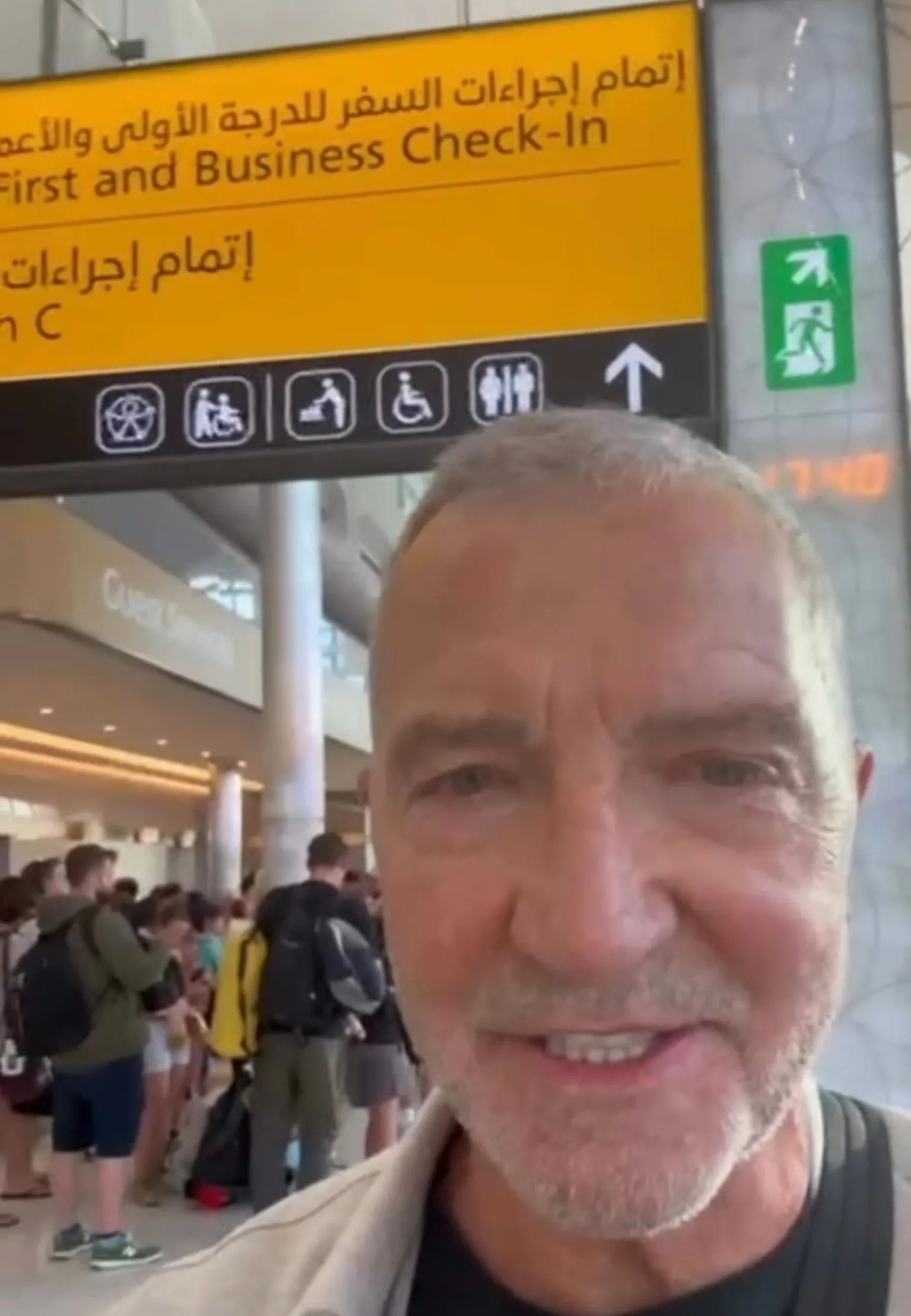
Former Rangers and Liverpool player and manager Graeme Souness is among those stranded at Zayed International Airport in Abu Dhabi. He shared two videos on Instagram describing "some pretty loud bangs going off" as anti-missile defences were activated.
Souness had initially been looking forward to watching the Old Firm derby on Sunday. He later posted that he continued to hear explosions and was checking into a hotel while awaiting flight resumptions.
"You get grumpy when you get delays at airports but we should think about people who are dying."
Political Responses and Calls for Peace
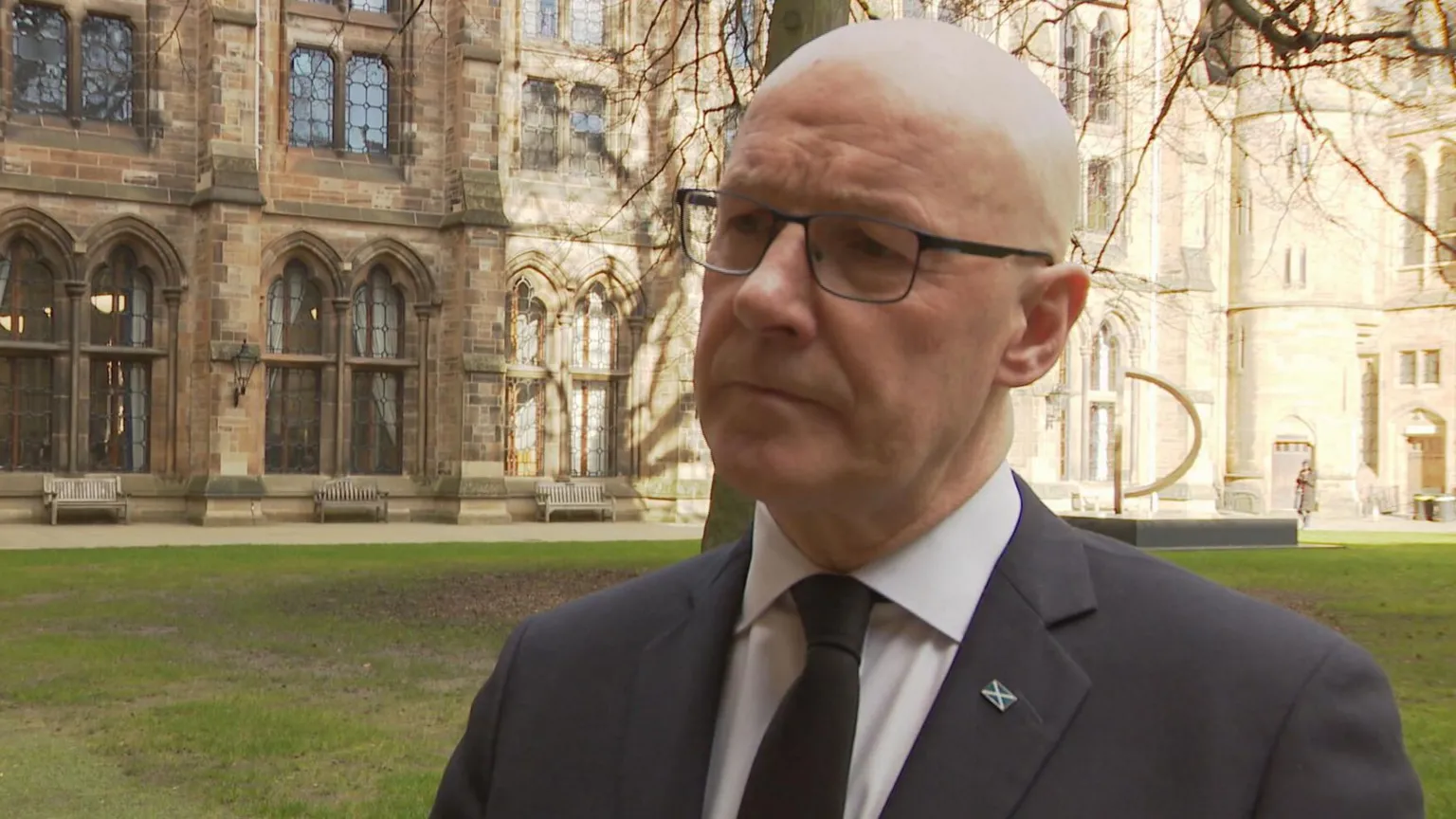
On Saturday, First Minister John Swinney expressed his "deep concern over the potential for escalation" in the conflict. He called on the US and Israel to clarify how their actions comply with international law and urged Scots trapped in the region to seek consular assistance.
"Although the Iranian regime is an oppressive regime that should never have access to nuclear weapons, we have got to find a peaceful way to resolve this conflict and that is in everybody's best interest,"Swinney stated.
Speaking on BBC Scotland's The Sunday Show, Scottish Labour leader Anas Sarwar highlighted the risk of further violence in the Middle East and the rising death toll in Iran. He called for an "urgent de-escalation" of the conflict.