Netanyahu Declares Victory and Commitment to Security Zones
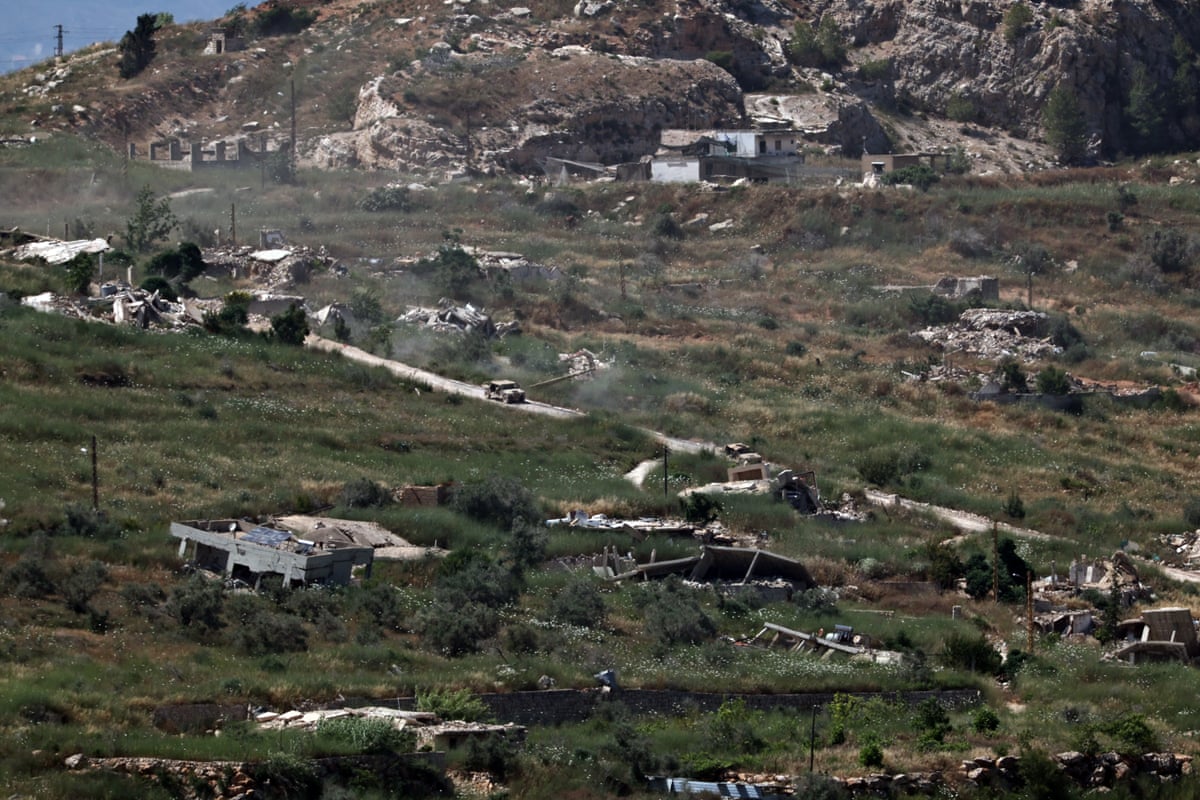
Benjamin Netanyahu has proclaimed a historic victory over Iran and firmly ruled out any immediate withdrawal of Israeli forces from Lebanon, stating that Israel’s military presence would continue "for as long as necessary."
In a televised press conference on Monday, the Israeli prime minister emphasized,
"We established deep security zones around the State of Israel. We did this in Gaza, in Lebanon, and in Syria. And I want to make it clear: we will remain in these security zones … to protect our country."
The announcement comes amid a preliminary agreement between Washington and Tehran that has sparked dismay and anger in Israel, accompanied by widespread criticism of Netanyahu’s leadership.
Claims of Averting Nuclear Threat
Netanyahu asserted that the joint US-Israeli military campaign against Iran had prevented what he described as "nuclear annihilation" of Israel.
He stated on Monday,
"And what would that mean? It would mean that millions of Israeli citizens … would have been in terrible danger of mass death … and we have pushed away from us, for years, this danger of the annihilation of Israel’s population."
Details and Reactions to the US-Iran Interim Deal
The precise terms of the interim agreement remain unclear but appear to explicitly include a ceasefire in Lebanon. This follows Israel’s extensive offensive after Hezbollah attacks on northern Israel at the outset of the 15-week conflict.
US officials reassured Israel on Monday that the withdrawal of Israeli forces from Lebanon was not a condition of the US-Iran pact, affirming Israel’s right to defend itself against Hezbollah attacks.
Despite these assurances, the apparent terms of the agreement represent a significant setback for Israel, which had strongly opposed linking the US-Iran deal to halting Israeli operations against Hezbollah in Lebanon. Israeli media headlines described the outcome as an "abject failure."
There was relative calm in southern Lebanon on Monday. Hezbollah’s attacks on Israeli military targets in both southern Lebanon and northern Israel ceased just before midnight. Israel also significantly reduced its attacks, although unconfirmed reports of explosions in some southern towns emerged.
Military sources in Israel, quoted by the Jerusalem Post, indicated that if Hezbollah respected the ceasefire, Israel would respond accordingly.
Hezbollah, closely allied with Tehran, has not directly commented on the deal but has previously expressed support for Iran’s efforts to secure a ceasefire in Lebanon.
Officials and commentators in Israel have warned that the deal will strengthen Hezbollah and other militant Islamist groups supported by Tehran across the region.
However, Israel, reliant on the US for critical military, diplomatic, and other support, could not afford to alienate the Trump administration, analysts noted.
On Sunday, an Israeli strike on Hezbollah targets in Beirut prompted a harsh reprimand from US President Trump. The announcement of the interim peace agreement may have prevented a new barrage of Iranian ballistic missiles aimed at Israel.

Strained US-Israel Relations and Political Implications
Neil Quilliam of the Chatham House thinktank in London commented,
"The personal relationship between Trump and Netanyahu has taken a hit but … the whole debate around Israel in the US is changing so Israeli-US ties are under some strain at the moment, both at the political level and the societal level."
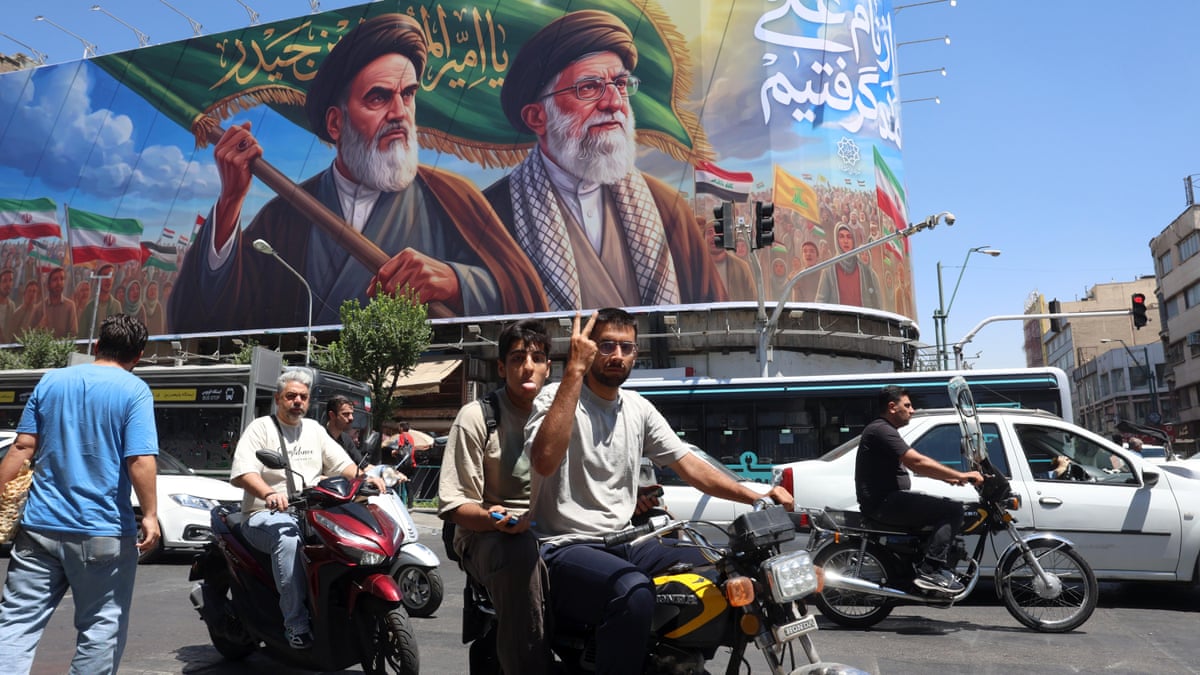
Netanyahu played a key role in persuading Trump to initiate the war against Iran, with Israeli military forces coordinating closely with their US counterparts throughout the conflict. An Israeli strike killed Ayatollah Ali Khamenei, then Iran’s supreme leader, on the first day of the war.
Nevertheless, the war’s outcomes have fallen short of Netanyahu’s promises of regime change in Tehran, as well as the destruction of Iran’s nuclear program and ballistic missile capabilities.
Opposition politicians in Israel have swiftly criticized the deal. With elections scheduled before October, a close contest for power is anticipated. Netanyahu declared on Monday his intention to run and win.
Yair Golan, leader of the Democrats, a centre-left party, accused Netanyahu of allowing
"military achievements won through the courage of [Israel’s armed forces] to be erased."
Golan further stated,
"Trump signs an agreement that funnels billions to the ayatollahs’ regime, leaves the nuclear infrastructure intact, preserves the ballistic [missile] threat as it is, and throws a lifeline to the murderous regime in Tehran."
Naftali Bennett, former prime minister and a leading challenger in the upcoming polls, criticized Netanyahu as
"incapable of achieving a decisive victory"and accused him of leading Israel into wars of
"stagnation and attrition."
Far-right members of Netanyahu’s coalition government have called for Israel to disregard the deal’s terms, arguing that Israel was not involved in the negotiations and thus not bound by the agreement.
National Security Minister Itamar Ben-Gvir stated on his Telegram channel,
"We are not party to this agreement. It does not safeguard our security."
Territorial Control and Military Actions
Israel has seized large areas in Syria and has occupied more than 60% of Gaza since Hamas’s surprise raid into Israel on 7 October 2023, which triggered the recent series of conflicts. Airstrikes have continued in Gaza since a ceasefire arranged by Trump last year, resulting in numerous casualties.
Military historian Danny Orbach of the Hebrew University in Jerusalem warned that if Trump forced Israel to withdraw from Lebanon, Netanyahu’s political career would be jeopardized.
Orbach explained,
"To withdraw from the border would be a repudiation of the basic lesson of October 7 … which is that if there is an enemy who want to destroy you, you do not withdraw from the border."
Dahlia Scheindlin, a leading Israeli electoral analyst, acknowledged the northern situation as problematic for Netanyahu but noted that many of his supporters would view the interim deal’s unfavorable terms as merely a
"blip in a long list of what they consider to be his accomplishments."
She added,
"I don’t know if any of them are going to change their minds because of the ceasefire."