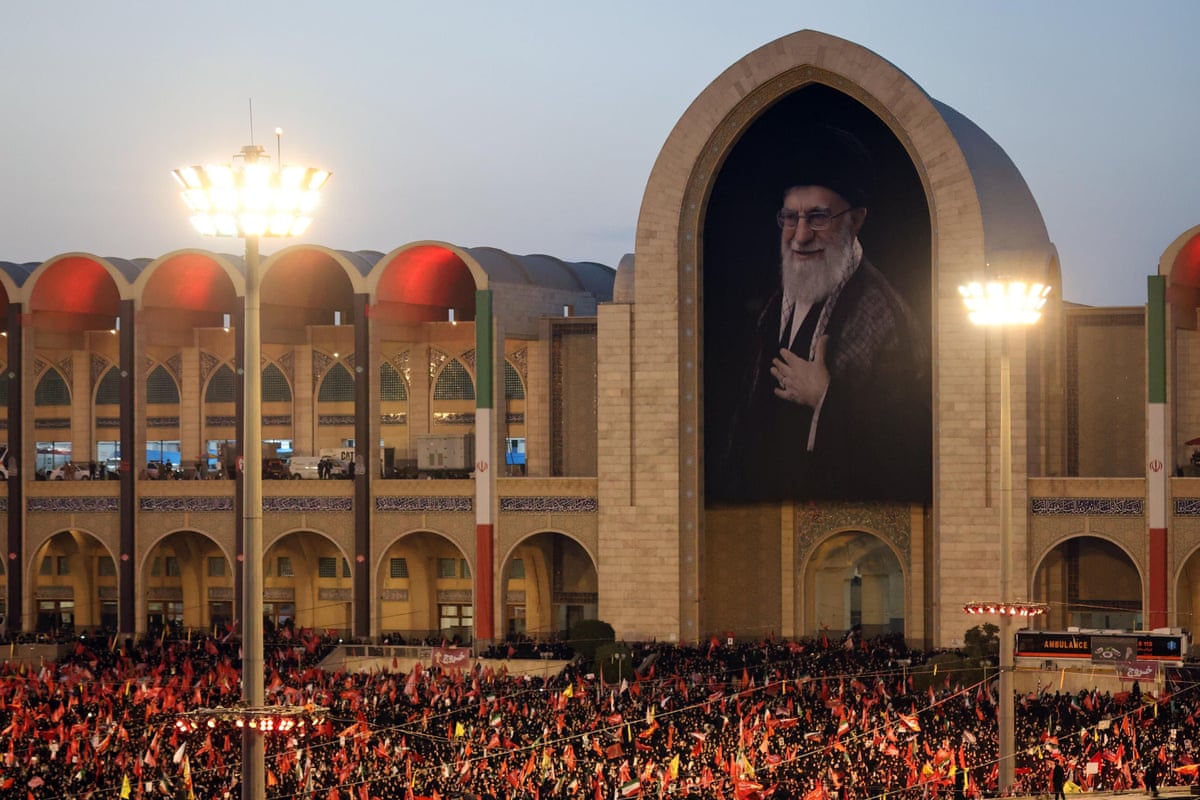
Massive Funeral Procession in Tehran
On Monday, a crowd estimated in the millions gathered in Tehran for the funeral procession of Iran’s assassinated supreme leader, Ali Khamenei.
The scale and intensity of the march, whether spontaneous or orchestrated, marks a significant shift for a nation that, just seven months prior, experienced widespread protests resulting in thousands of deaths caused by government security forces.
Many observers interpret the gathering as a response to the conflict initiated against Iran by Israel in February.
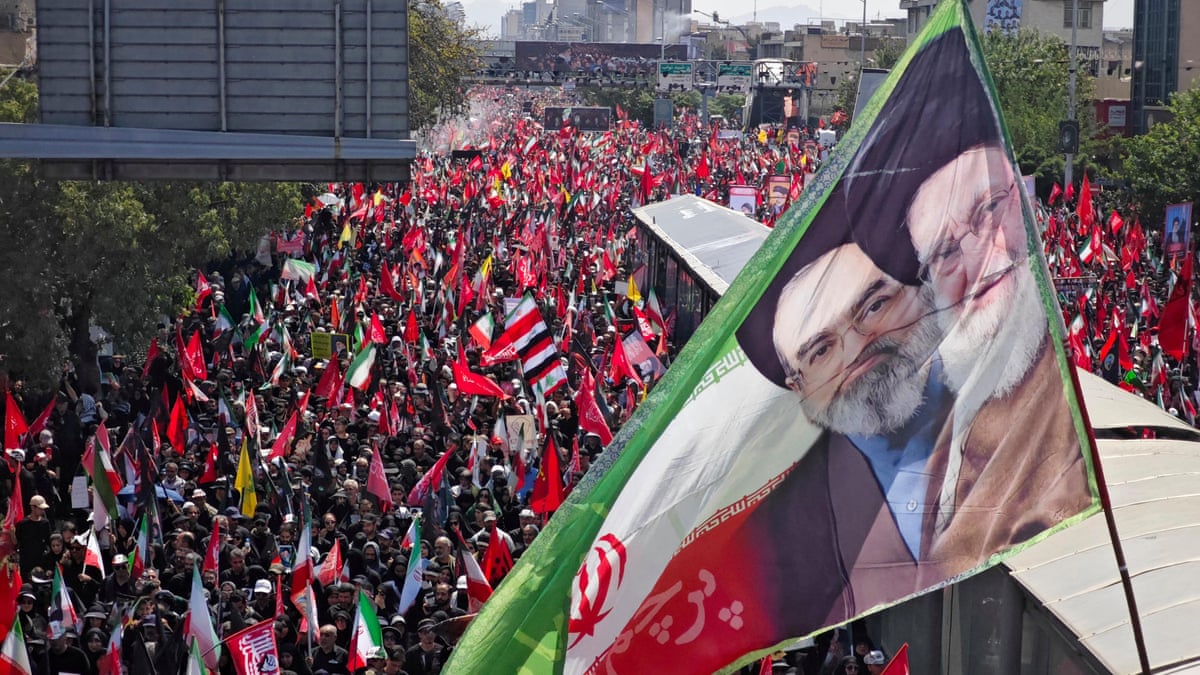
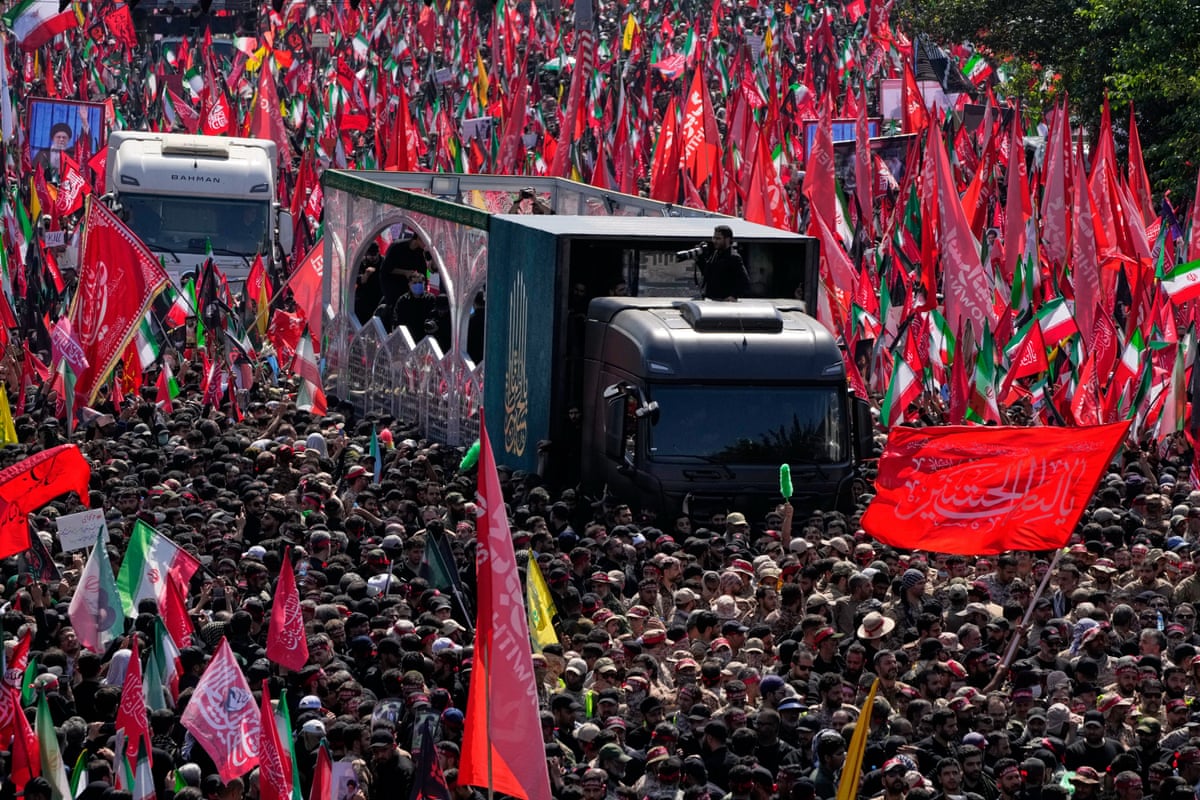
The procession, described by state media as numbering in the millions, moved through Tehran from Revolution Square to Azadi Square following a two-day funeral held at the Grand Mosalla mosque for Khamenei and members of his family.
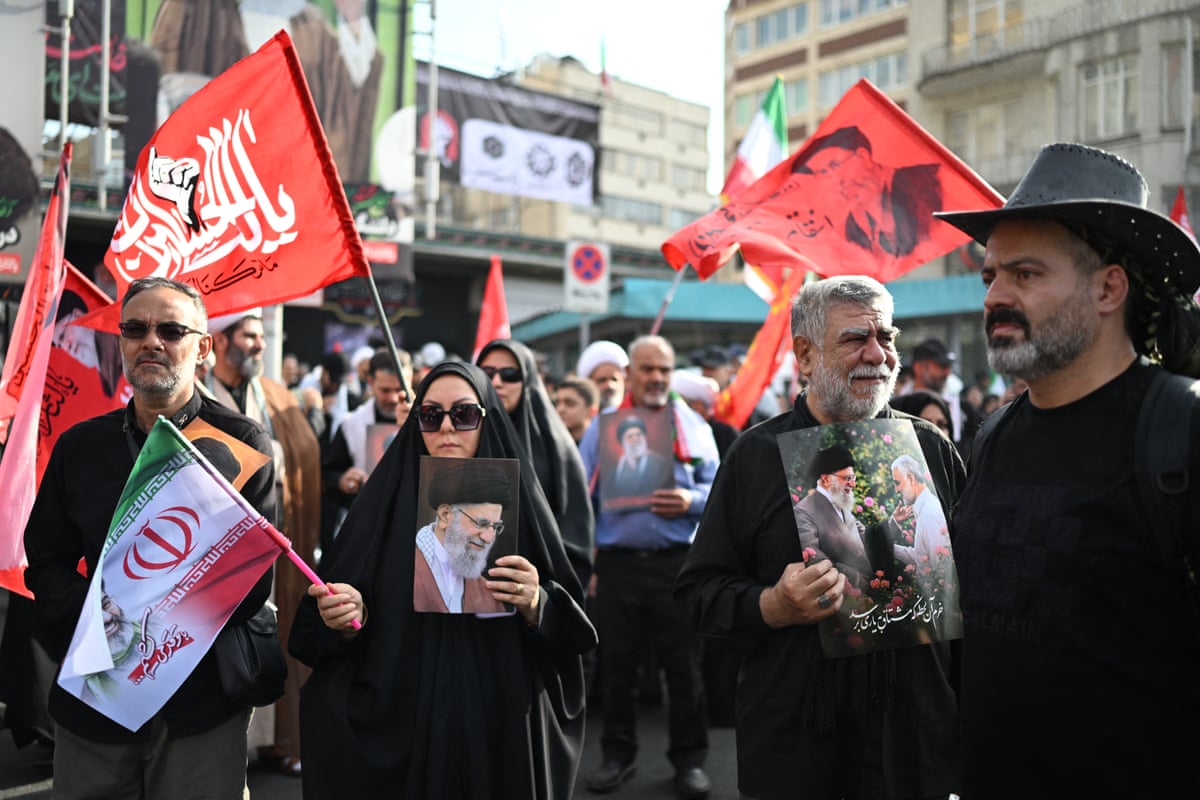
Mourners dressed in black carried flags emblazoned with the slogan “We will rise,” alongside Iranian flags and images of Khamenei.
The Tehran metro was heavily crowded as people sought to join the march, chanting:
“Mourning is mourning today, mourning day is today. Martyr Khamenei is before God today.”
Expressions of Grief and Calls for Revenge
The stage at the ceremony bore the name “Khamenei,” and throughout the event, mourners expressed both personal grief and a desire for retribution.
Khamenei was killed by Israeli bombs in February, an attack aimed at destabilizing and ultimately overthrowing the Iranian government.

Late Monday, Khamenei’s body was transported to Qom, where further processions are scheduled for Tuesday, followed by similar events in Shia cities across Iraq.
Leadership Attendance and Security Concerns
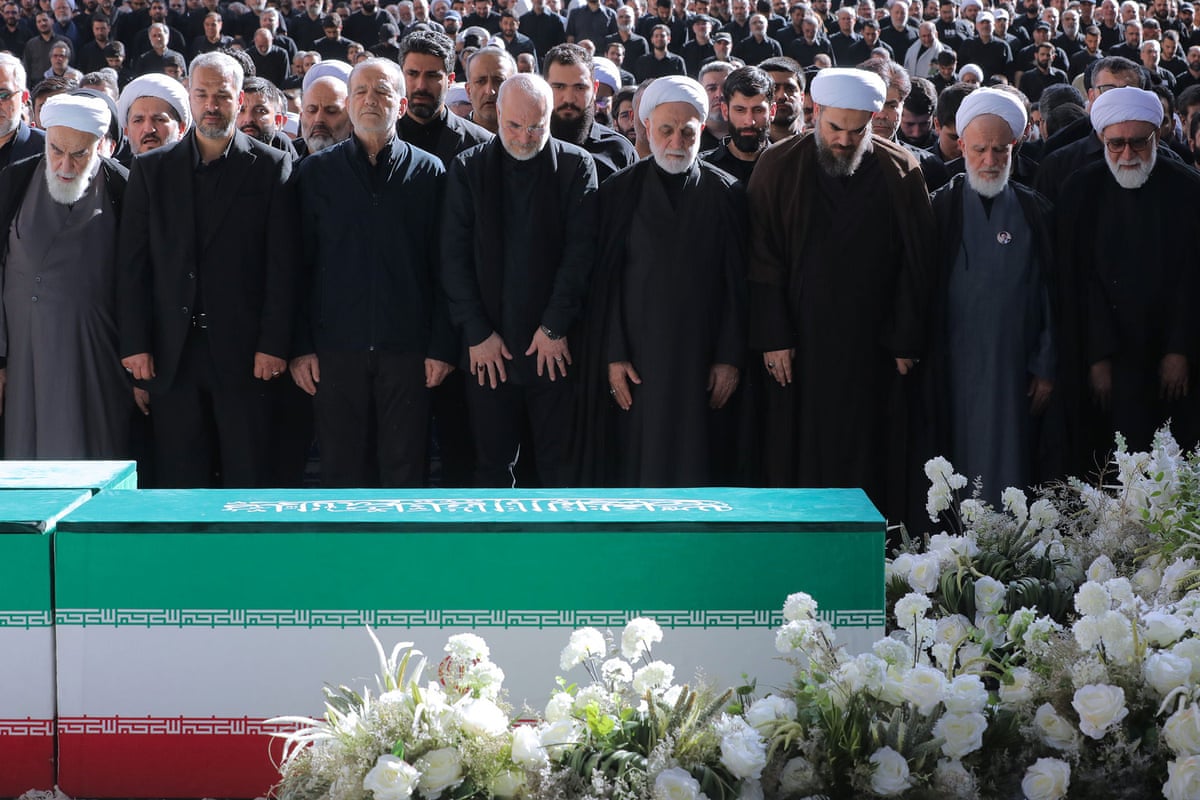
On Sunday, the entire Iranian leadership, diminished by successive Israeli assassinations, attended morning prayers except for the new supreme leader, Mojtaba Khamenei, son of the late leader and his appointed successor.
Officials stated that Mojtaba Khamenei’s absence was not due to injuries from the Israeli attack on the presidential building but rather concerns for his safety. His three brothers were present to mourn.
Organized Mourning and Public Order
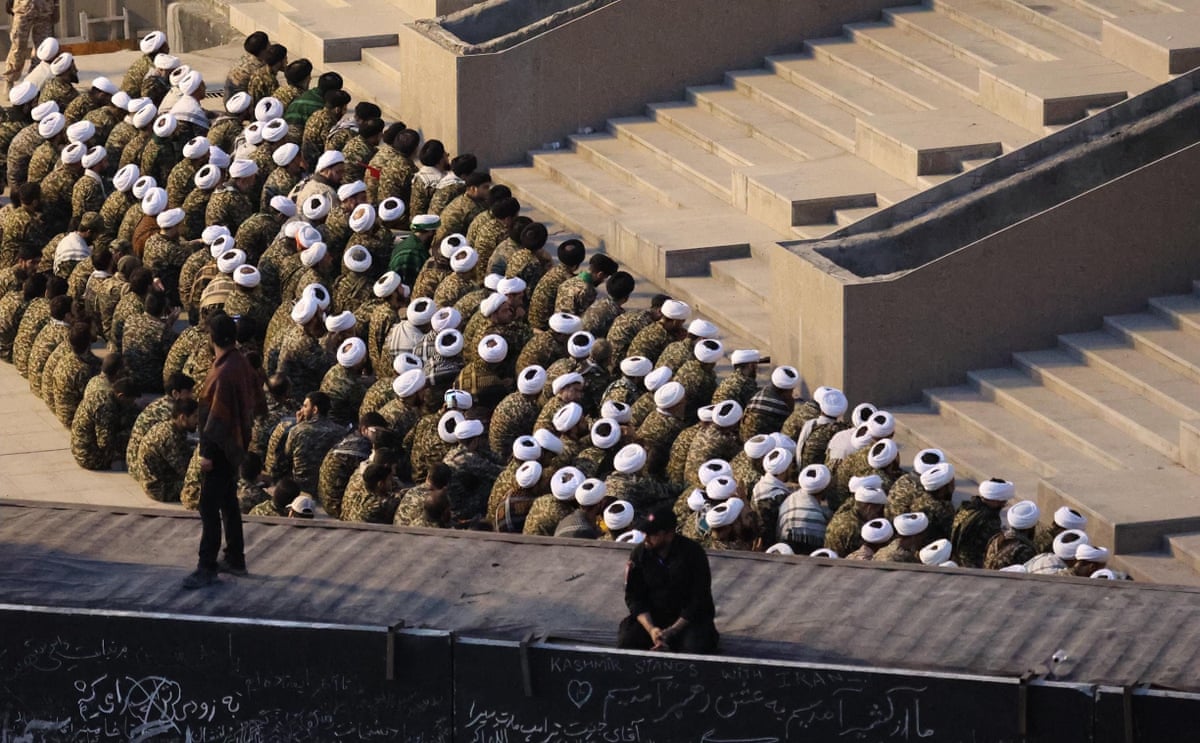
Thanks to meticulous organization by state authorities and the volunteer civic army, which provided food and shelter for mourners, the procession remained peaceful with no fatalities, contrasting with previous state-linked funerals that often descended into chaos, including that of the former supreme leader.
Presidential Remarks and International Attention
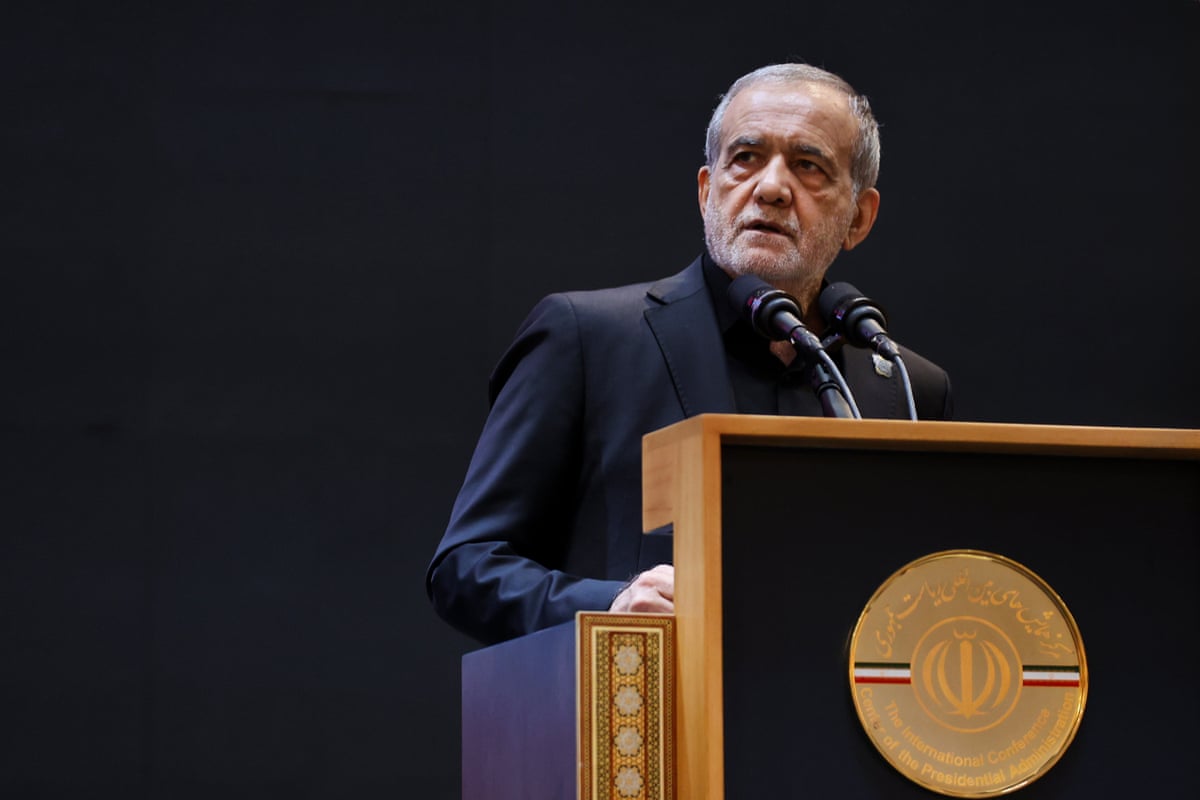
Iranian President Masoud Pezeshkian praised the conduct of the crowds and expressed hope that the images from Iran would prompt the West to reconsider its stance toward the country.
“If I want to say something, only a few Persian speakers will understand it, but the behaviour and presence of the people are understood by the whole world.”
Rejecting former U.S. President Donald Trump’s claim that the grief displayed at the funeral was insincere, Pezeshkian stated:
“This greatness, these tears that flow from the eyes of girls, men, and children, is not something that can be created by order. Tears arise from the pain and sorrow that surges within a person, and the world sees this truth.”
More than 300 foreign journalists, in addition to those already based in Iran, were granted rare visas to cover the funeral and the demonstration of national unity.
Political Interpretations and Regional Impact
Pezeshkian, a reformist elected two years ago who emphasizes consensus within Iran’s political elite, remarked:
“I do not accept the interpretation of farewell. It is a covenant for continuing on the path. This is not actually a farewell but rather a pact to continue on the path.
By entering this war, the enemy disrupted the geography of the region, but in fact it strengthened the unity and cohesion among Muslims and even made the people of the world aware of its human rights claims.”
The president accused Israel of committing “all the crimes that are taking place in the region … with the support of the United States and European countries.”