Ongoing Middle East Crisis Coverage
continues its detailed coverage of the escalating crisis in the Middle East.
The fragile ceasefire between the United States and Iran experienced increased tension on Friday, just one day before delegations from both nations are scheduled to meet in Pakistan. The US accused Tehran of violating commitments concerning the Strait of Hormuz, while Israel conducted strikes in Lebanon that Iran asserts breach the ceasefire agreement.
Late Thursday, former President Donald Trump posted on social media criticizing the US administration's handling of oil transit through the Strait of Hormuz, stating it was performing a “very poor job” and emphasizing,
“That is not the agreement we have!”
Iran has not indicated any intention to lift its near-total blockade of the strait, which has resulted in the most severe disruption to global energy supplies to date. Tehran has cited Israel’s ongoing military actions in Lebanon, including the heaviest strikes of the conflict on Wednesday, as a significant obstacle to progress.
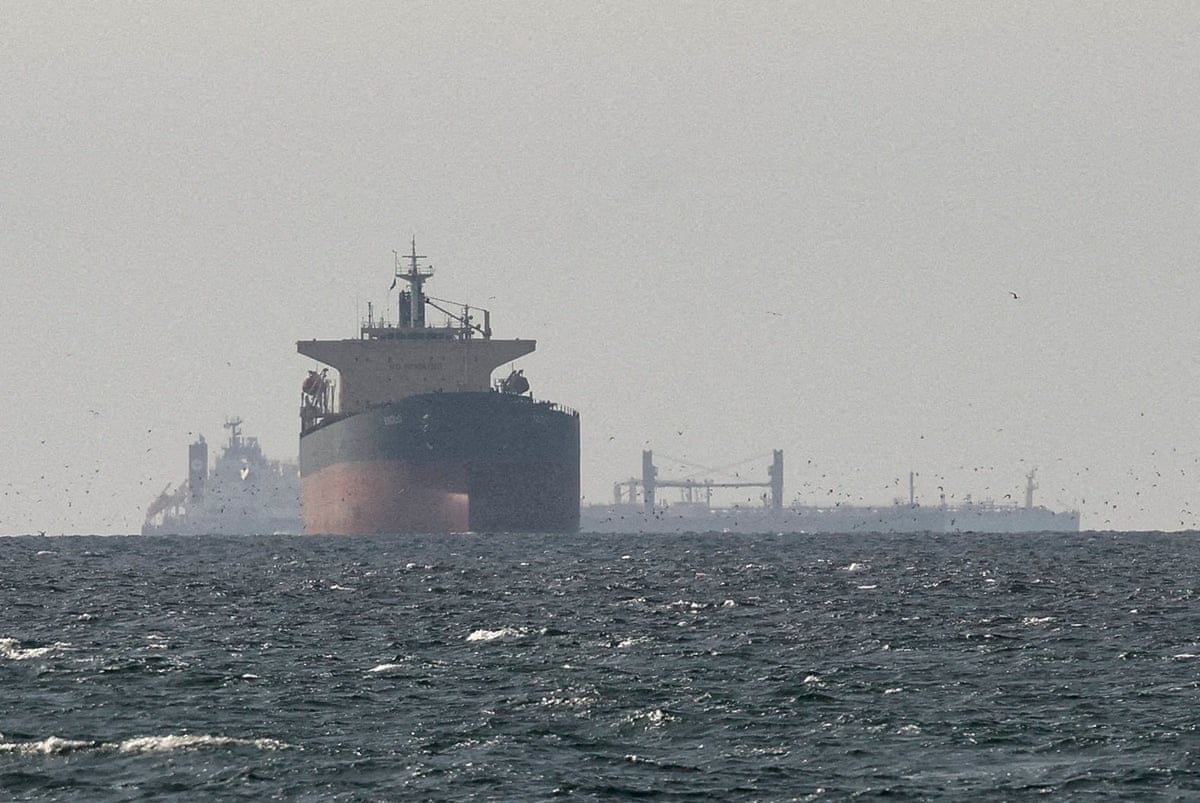
During the first 24 hours following the ceasefire announcement by Trump on Tuesday, only one oil products tanker and five dry bulk carriers passed through the strait. This is a stark contrast to typical operations, where the strait facilitates about a fifth of global oil and liquefied natural gas shipments and accommodates approximately 140 vessels daily in peacetime.
Trump expressed optimism about a potential peace deal with Iran as a diplomatic delegation led by Vice-President JD Vance prepared to depart for Pakistan for critical talks aimed at ending the conflict this weekend. Trump remarked,
“Iran’s leaders talk much differently when you’re at a meeting than they do to the press. They’re much more reasonable.”This aligns with the administration’s narrative that Tehran’s public statements differ from private communications.
Trump also disclosed that he requested Israeli Prime Minister Benjamin Netanyahu on Wednesday to adopt a “more low-key” approach in Lebanon to support the success of the upcoming US-Iran negotiations in Islamabad. He told NBC News,
“I spoke with Bibi and he’s going to low-key it. I just think we have to be sort of a little more low-key.”Trump added his belief that Israel was “scaling back” its operations in Lebanon.
Netanyahu stated that he had directed his cabinet to initiate direct negotiations with Lebanon focused on disarming Hezbollah, while simultaneously asserting,
“There is no ceasefire”in Lebanon and affirming that Israel will
“continue to strike Hezbollah with force.”
Israel has launched a new series of strikes targeting what it described as “Hezbollah launch sites” in Lebanon, following earlier orders by the Israel Defense Forces (IDF) for residents to evacuate Beirut’s densely populated southern suburbs. Later, Hezbollah reported firing a salvo of rockets toward northern Israeli settlements.
While Israel maintains that the conflict will persist and that
“talks will be held under fire,”Lebanon insists on a ceasefire before commencing direct negotiations. Lebanese President Joseph Aoun stated that a ceasefire is
“the only solution.”Lebanon also demands the United States act as mediator and guarantor of any agreement, with talks scheduled for next week hosted by the US State Department in Washington.
Iranian President Masoud Pezeshkian condemned Israeli strikes on Lebanon as violations of the ceasefire agreement, warning that such actions would render negotiations meaningless and affirming Iran’s commitment to support the Lebanese people.
Mohammad Bagher Ghalibaf, Speaker of the Iranian Parliament, emphasized that Lebanon is an
“inseparable part of the ceasefire”deal. In a post on X, he stated,
“There is no room for denial and backtracking.”
British Prime Minister Keir Starmer criticized Israel’s continued attacks on Lebanon, stating they
“shouldn’t be happening.”He dismissed US Vice-President JD Vance’s suggestion of a
“legitimate misunderstanding”regarding the ceasefire breach, asserting,
“It is a matter of principles as far as I’m concerned.”
A statement attributed to Iran’s Supreme Leader Mojtaba Khamenei indicated that Iran will enter a new phase of managing the Strait of Hormuz but did not provide further details. The statement, broadcast on state television, also declared Iran’s determination to
“take revenge”for his father, who was assassinated on the first day of the war, and for all those killed in the conflict. He said,
“We will certainly demand compensation for each and every damage inflicted, and the blood price of the martyrs and the compensation for the wounded of this war.”
JD Vance is set to lead the US delegation to Pakistan with the directive to convert the fragile Iran ceasefire into a lasting peace agreement.
At 41 years old, Vance, who has maintained a low profile during the Middle East conflict, faces one of the most significant challenges of his career as talks commence Saturday in Islamabad.
Aaron Wolf Mannes, a lecturer at the University of Maryland School of Public Policy and expert on the American vice presidency’s role in foreign policy, told AFP,
“I cannot think of a case where the vice president ran formal negotiations like this. This is high risk, high reward.”
Vance has built his political identity as an avowed anti-interventionist advocating for America to avoid further foreign wars, making his current role as Trump’s diplomatic closer for an Iran deal a complex balancing act following the US-led war.
The New York Times reported that in private discussions prior to the war, Vance opposed military action, warning it could lead to regional instability and fracture Trump’s MAGA coalition.
Vance will be accompanied by special envoy Steve Witkoff and Trump’s son-in-law Jared Kushner.
One analysis suggests that Iranians may perceive Vance as a more credible diplomatic partner due to his opposition to the war and skepticism of US interventionism.
Mannes commented,
“If he can get something that papers it over without dealing with real issues, that’s probably enough. But if nothing good comes of this, it raises questions about his competence, which is not going to help him electorally. And of course Rubio’s right there as a potential rival for 2028.”

Islamabad Prepares for Historic US-Iran Negotiations
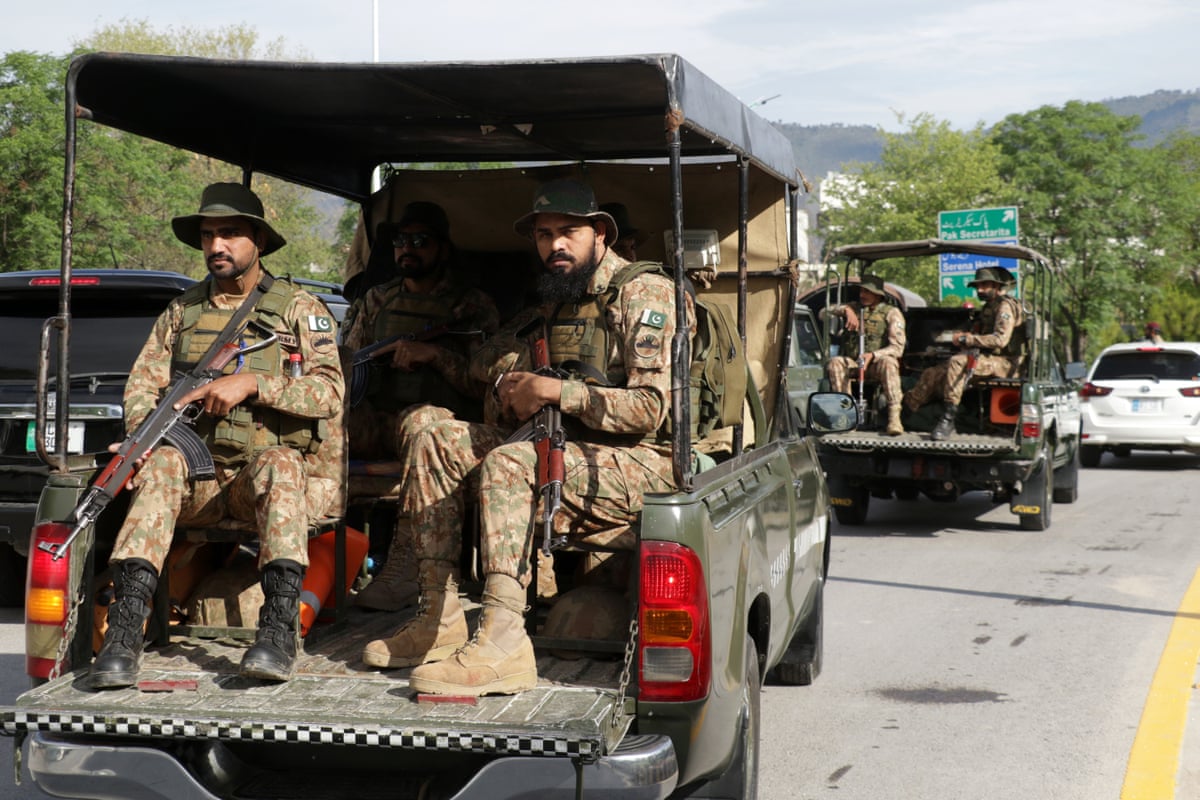
Islamabad has been placed under strict lockdown as Pakistan’s capital prepares to host historic negotiations between Iran and the United States, which hold the promise of ending a war that has devastated the Middle East.
Despite ongoing hostilities, including Israel’s continued bombardment of Lebanon and disputes over negotiation terms, Pakistani officials affirm that the critical peace talks will proceed as scheduled over the weekend.
Iran’s Deputy Foreign Minister Saeed Khatibzadeh revealed that Pakistan has been actively engaged behind the scenes to maintain peace and protect the fragile ceasefire, including intervening to prevent Iran from retaliating against strikes on Lebanon.
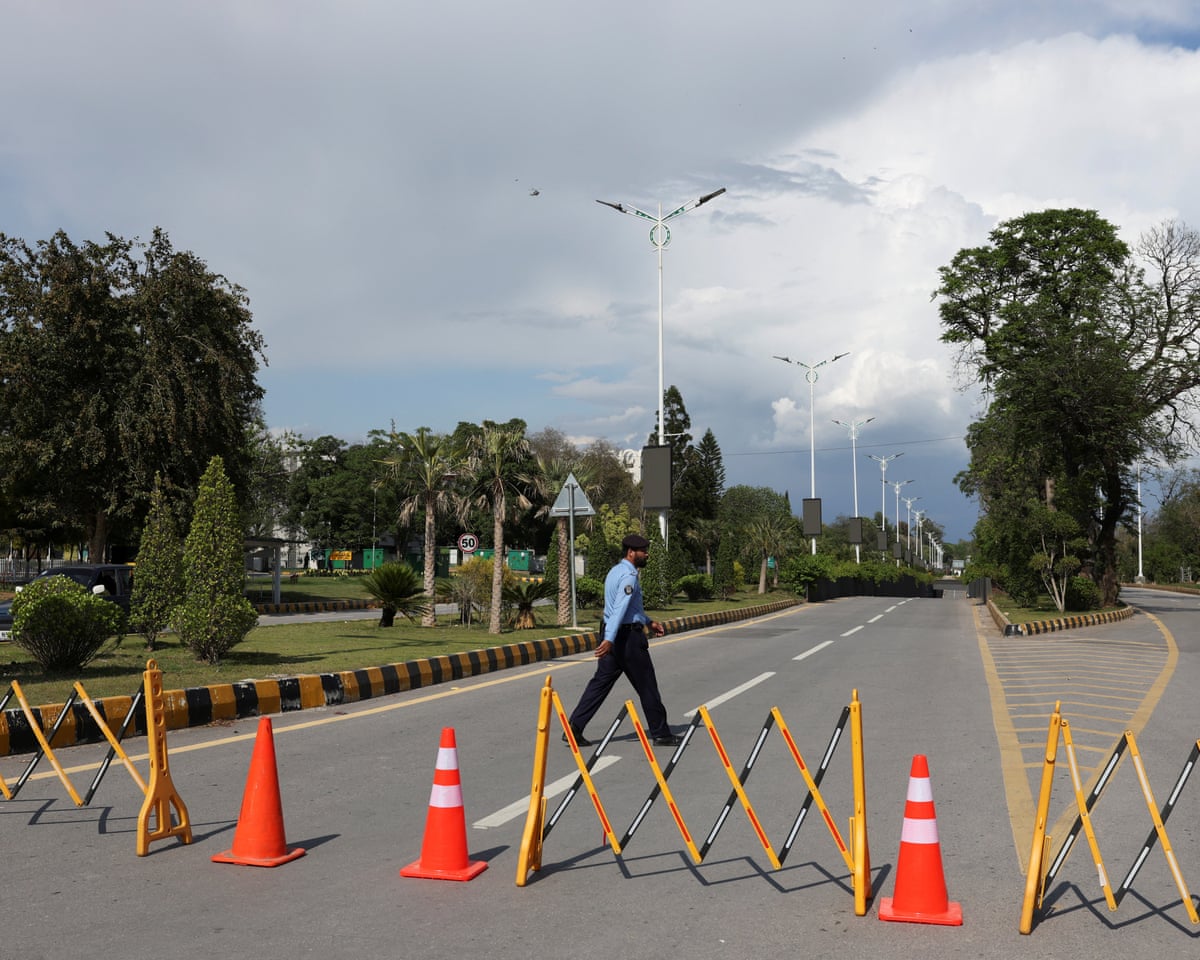
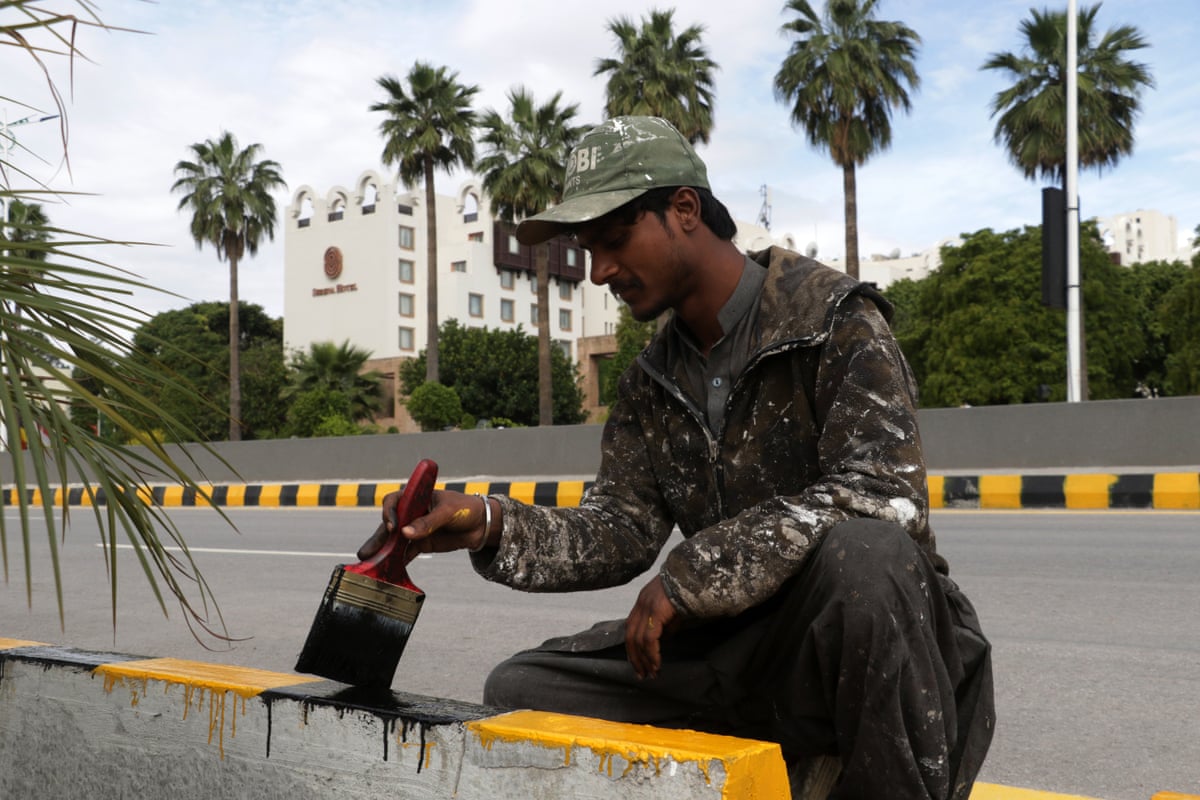
Security has been significantly heightened across Islamabad ahead of the first round of discussions set for Saturday. Army personnel and paramilitary rangers have been deployed, and a public holiday was declared on Thursday and Friday, resulting in unusually empty streets.
Key delegations were expected to arrive Thursday night and Friday morning. The US delegation is led by Vice-President JD Vance, accompanied by special envoys Steve Witkoff and Jared Kushner.
Iran’s delegation includes Foreign Minister Abbas Araghchi and Parliament Speaker Mohammad Bagher Ghalibaf, both participants in prior ceasefire negotiations. Senior officials from Iran’s Revolutionary Guard are also anticipated to attend.
Due to security concerns, Pakistani authorities have identified three to four potential venues for the talks.
The most prominent attendees are expected to stay at Islamabad’s exclusive five-star Serena Hotel, which may also host the negotiations. The hotel has been cleared of guests, and a 3km radius around it has been closed to traffic and placed under military control.
The White House has issued warnings to US government staff against using their positions to place bets in futures markets, according to reports by the Wall Street Journal and citing sources.
Some of Trump’s major policy announcements have been preceded by well-timed financial trades, raising concerns about potential leaks of nonpublic information.

Notably, just before the ceasefire announcement earlier this week, a trader made highly specific and timely bets anticipating a halt in fighting by April 7, resulting in combined profits of hundreds of thousands of dollars.
Exchange data and calculations also revealed that an unidentified trader or group placed $500 million in Brent and WTI crude futures within a one-minute window shortly before Trump announced a five-day delay on March 23 attacks on Iran’s energy infrastructure, after which oil prices dropped 15%.
White House spokesperson Davis Ingle stated to ,
“While he [Trump] seeks a strong and profitable stock market for everyone, members of Congress and other government officials should be prohibited from using nonpublic information for financial benefit.”
IMF Lowers Global Growth Forecasts Amid Middle East Conflict
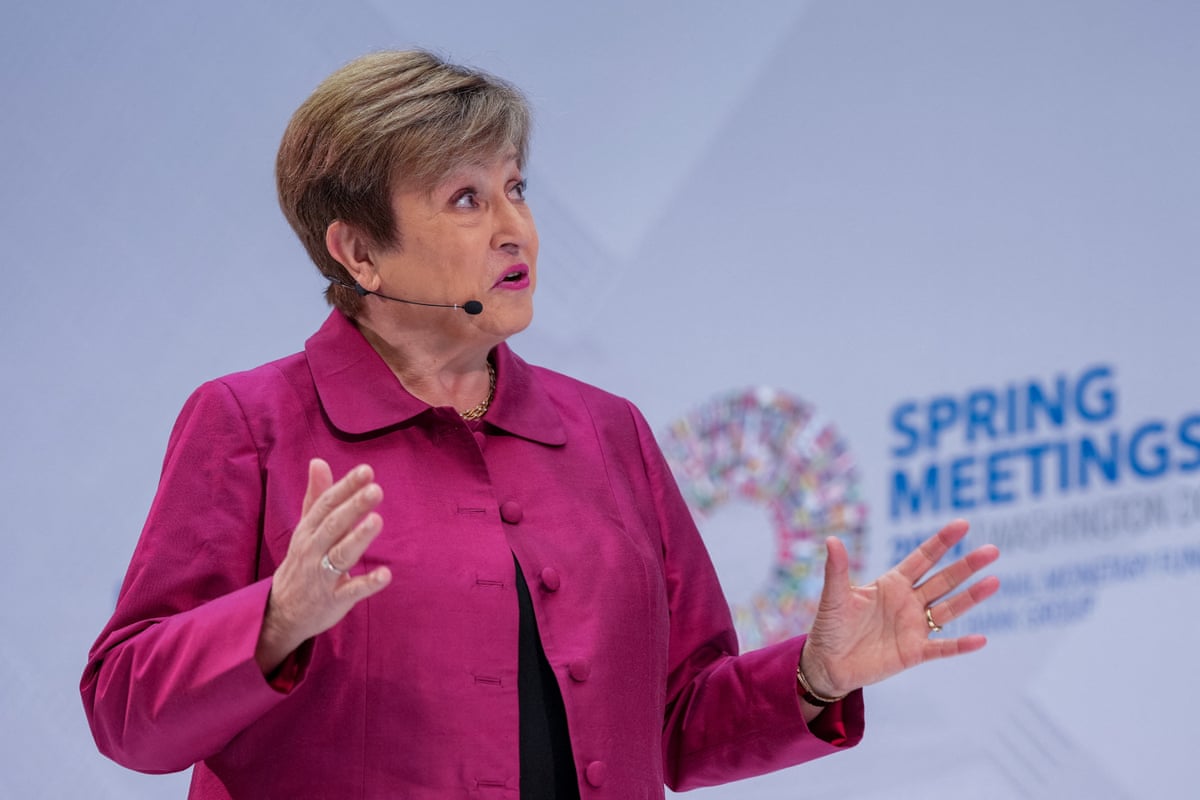
The International Monetary Fund (IMF) announced on Thursday that it will reduce global growth forecasts due to the ongoing Middle East war, warning of the conflict’s lasting negative effects despite the fragile ceasefire.
IMF Managing Director Kristalina Georgieva stated,
“Even in a best case, there will be no neat and clean return to the status quo ante.”
Georgieva explained that even under the fund’s most optimistic scenario, escalating energy costs, infrastructure damage, supply disruptions, and diminished market confidence will result in lower-than-expected growth.
The IMF anticipates providing up to $50 billion in immediate financial assistance to countries affected by the war, with food insecurity projected to impact at least 45 million people.
Georgieva added,
“Given the spillovers from the war, we expect near-term demand for IMF balance-of-payments support to rise by somewhere between $20 billion and $50 billion, with the lower bound prevailing if ceasefire holds.”
Trump Criticizes Right-Wing Influencers Over Iran War Opposition
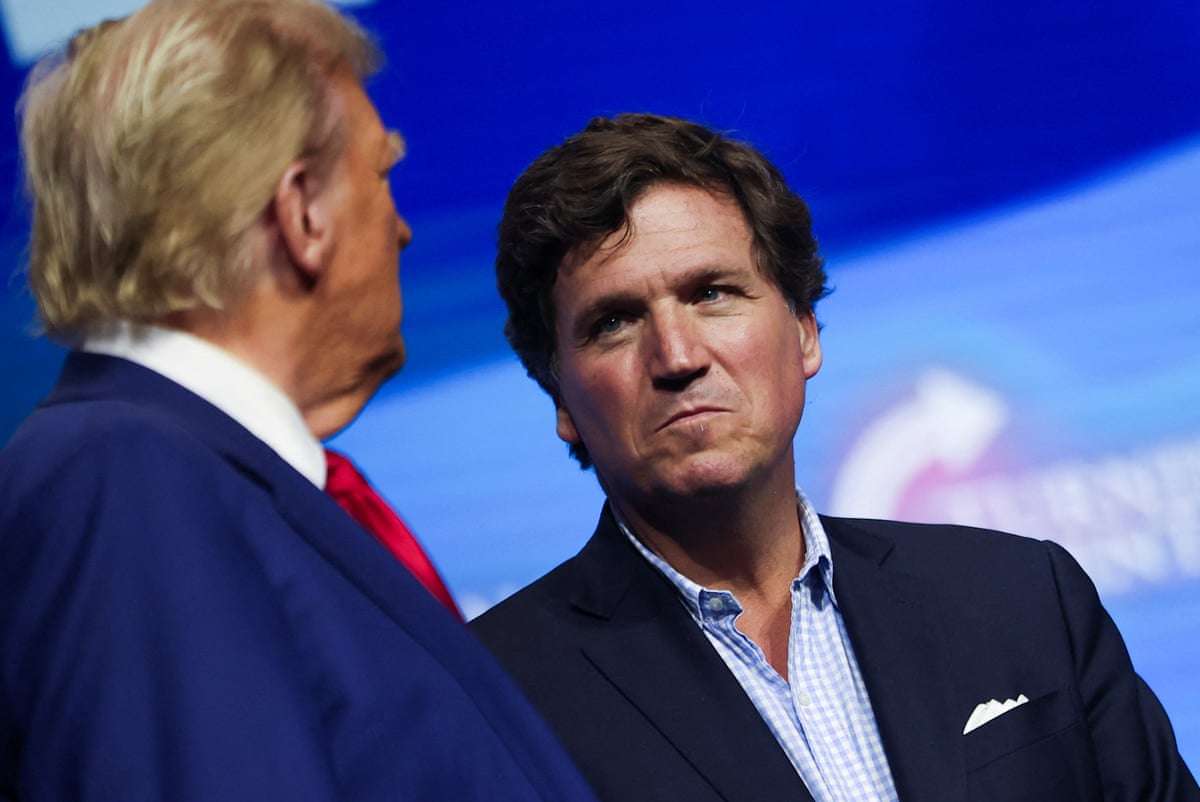
Donald Trump publicly criticized right-wing influencers Tucker Carlson, Megyn Kelly, Candace Owens, and Alex Jones, labeling them as
“not ‘MAGA,’ they’re losers.”
These figures, who were once reliable supporters during Trump’s presidency, have recently voiced opposition to the war in Iran.
In a lengthy post on his Truth Social platform, Trump launched personal attacks against the four, who remain influential voices within the right-wing media ecosystem, stating,
“As President, I could get them on my side anytime I want to, but when they call, I don’t return their calls because I’m too busy on World and Country Affairs and, after a few times, they go ‘nasty’.”
The Iran war has exacerbated divisions within Trump’s MAGA movement, with many supporters and commentators viewing the conflict as a betrayal of Trump’s promise to prioritize America First and avoid entanglement in foreign wars.
On Monday, Carlson described Trump’s rhetoric toward Iran, including an expletive-laden threat on Easter, as
“vile”on all levels. Alex Jones questioned on his InfoWars show,
“How do we 25th Amendment his ass?”Megyn Kelly characterized the recent ceasefire as
“sounds very much like surrender,”though she expressed support for it.
South Korea Sends Special Envoy to Iran
South Korea announced that senior diplomat Chung Byung-ha will soon travel to Iran as a special envoy to discuss the safety of South Korean citizens and Iran’s blockade of the Strait of Hormuz.
The South Korean Foreign Ministry stated on Friday that Chung intends to advocate for freedom of navigation for all vessels, including those from South Korea.
Earlier, Iranian Foreign Minister Abbas Araghchi welcomed South Korea’s plan to send a special envoy during a phone call with South Korean Foreign Minister Cho Hyun on Thursday.
Drone Attacks Reported in Kuwait Despite Ceasefire
Kuwait accused Iran and its proxies of launching drone attacks targeting vital facilities on Thursday night, despite the two-week ceasefire in the Iran war.
Kuwait’s Foreign Ministry condemned the attacks, stating they targeted
“some vital Kuwaiti facilities.”
However, Iran’s Revolutionary Guard Corps (IRGC) denied responsibility for new attacks on Gulf states. In a statement published by Iran’s state-run IRNA news agency, the IRGC asserted,
“If these reports published by the media are true, without a doubt it is the work of the Zionist enemy or America.”
Stock Markets Rise and Oil Prices Increase Ahead of Talks
Stock markets rose on Friday amid investor optimism about the fragile US-Iran ceasefire ahead of the planned weekend negotiations, while oil prices edged slightly higher.
Equity markets in Asia extended gains, with Tokyo, Hong Kong, Seoul, Shanghai, and Taipei rising at least 1%. Singapore and Manila also saw gains, although Sydney’s market declined.
These gains followed a second consecutive positive session on Wall Street, where the S&P 500 increased by 0.6% on Thursday.
Brent crude oil prices climbed 1% to $96.83 per barrel as trading resumed in Asia.
Reflecting Iran’s continued control over the Strait of Hormuz, a Botswana-flagged liquefied natural gas tanker named the Nidi attempted to exit the Persian Gulf via a route designated by the Revolutionary Guard but abruptly turned back early Friday, according to ship-tracking data.
On Thursday, four tankers and three bulk carriers successfully transited the Strait of Hormuz, bringing the total number of ships passing through since the ceasefire to at least 12, according to data firm Kpler. Other vessels not transmitting location data may have also passed through.
The strait typically handles about one-fifth of the world’s oil and liquefied natural gas flows and sees approximately 140 ships daily during peacetime.
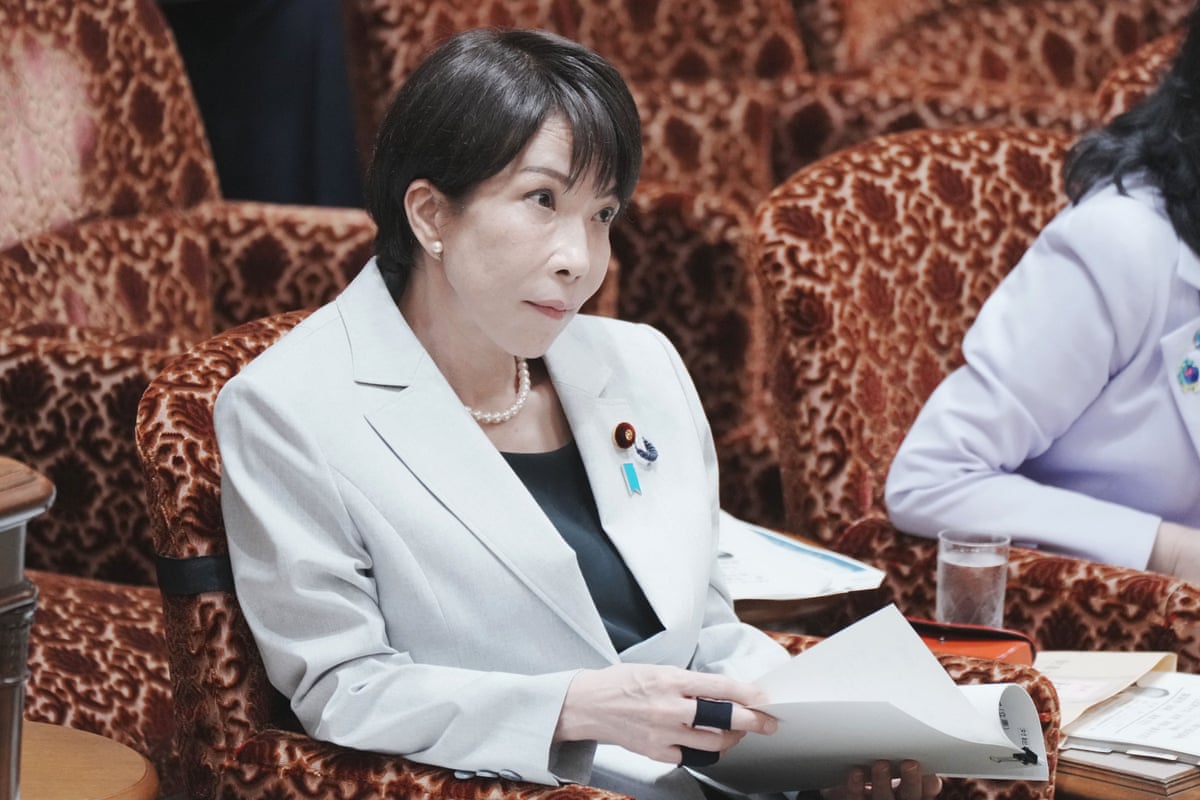
Japan announced plans to release 20 days’ worth of oil reserves starting in May to ensure stable domestic supply amid ongoing regional conflict disrupting global supply chains. Prime Minister Sanae Takaichi made the announcement during a cabinet meeting on Friday.
Japan depends on the Middle East for approximately 95% of its oil imports. The country began releasing reserves on March 16, both unilaterally and in coordination with other nations, under a plan to make available enough oil to last 50 days. The new release of 20 days’ worth is additional to this.
As of April 6, Japan held enough oil reserves to cover 230 days of consumption, including 143 days in its public stockpile.
By May, Japan expects to secure more than half of its oil imports through routes that bypass the Strait of Hormuz, according to Takaichi, who did not specify the alternative sources.
Japan has also reached out to suppliers in the United States, Malaysia, Central Asia (including Azerbaijan and Kazakhstan), Latin America (Brazil, Argentina, Ecuador, Colombia, and Mexico), and Africa (Nigeria and Angola).
The government has requested that suppliers sell fuel directly to critical sectors such as healthcare, transportation, and agriculture, including green tea producers, livestock farmers, and fisheries.