

Shipping, Fossil Fuels, and Global Trade Disruptions
Approximately one-fifth of the world’s oil and liquefied natural gas (LNG) passed through the Strait of Hormuz, a narrow sea passage less than 30 miles wide at its narrowest point, before it was effectively closed due to a US-Israeli attack on Iran. This event caused oil prices to surge and left an estimated 2,000 vessels stranded, highlighting the intricate and environmentally detrimental relationship between the shipping industry and fossil fuels.
The shipping sector is among the most polluting industries globally, with most ship engines powered by heavy fuel oil, a carbon-intensive byproduct of oil refining that is unsuitable for other uses. Shipping accounts for about 3% of global greenhouse gas emissions, a figure expected to rise as international trade expands.
Beyond fuel use, shipping companies depend heavily on fossil fuels as cargo. Marie Fricaudet, from the shipping and oceans group at the Institute, University College London, noted,
"About 40% of the global fleet is used to transport fossil fuels. [That’s] a trade that must be phased out to prevent the most severe impacts of climate change."
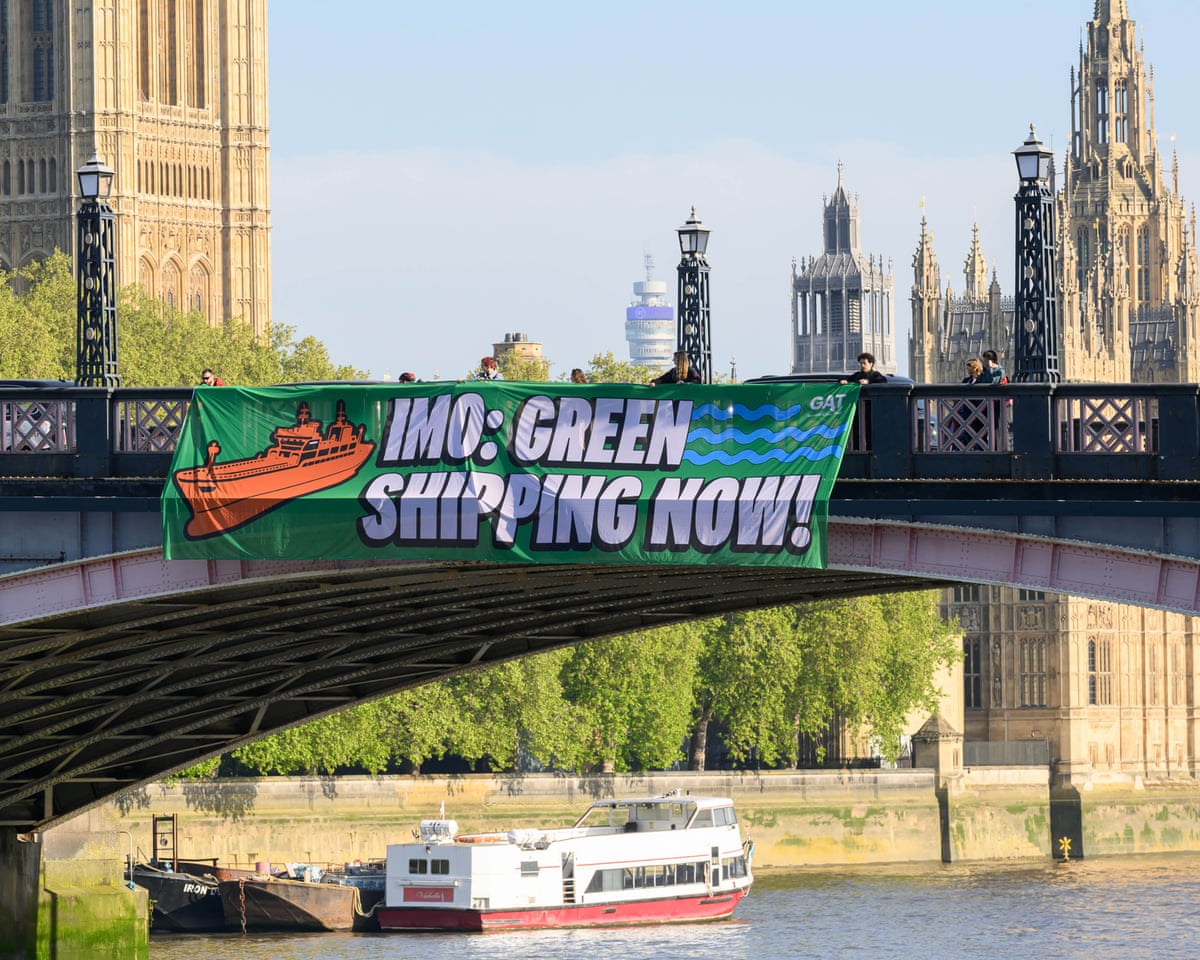
At the International Maritime Organization (IMO) headquarters in London, two weeks of negotiations among numerous governments are underway, focusing on strategies to decarbonise shipping. According to insiders, many countries have faced intense lobbying from pro-oil interests.
Countries such as Liberia, Panama, and Greece have shifted from supporting stringent greenhouse gas emission controls to attempting to eliminate new regulations.
Transitioning away from fossil fuels to a green economy necessitates cleaning up the shipping sector. However, with many shipping companies and nations possessing significant commercial stakes in oil, efforts to green the fleet encounter substantial resistance.
The Role of LNG and Its Economic Implications
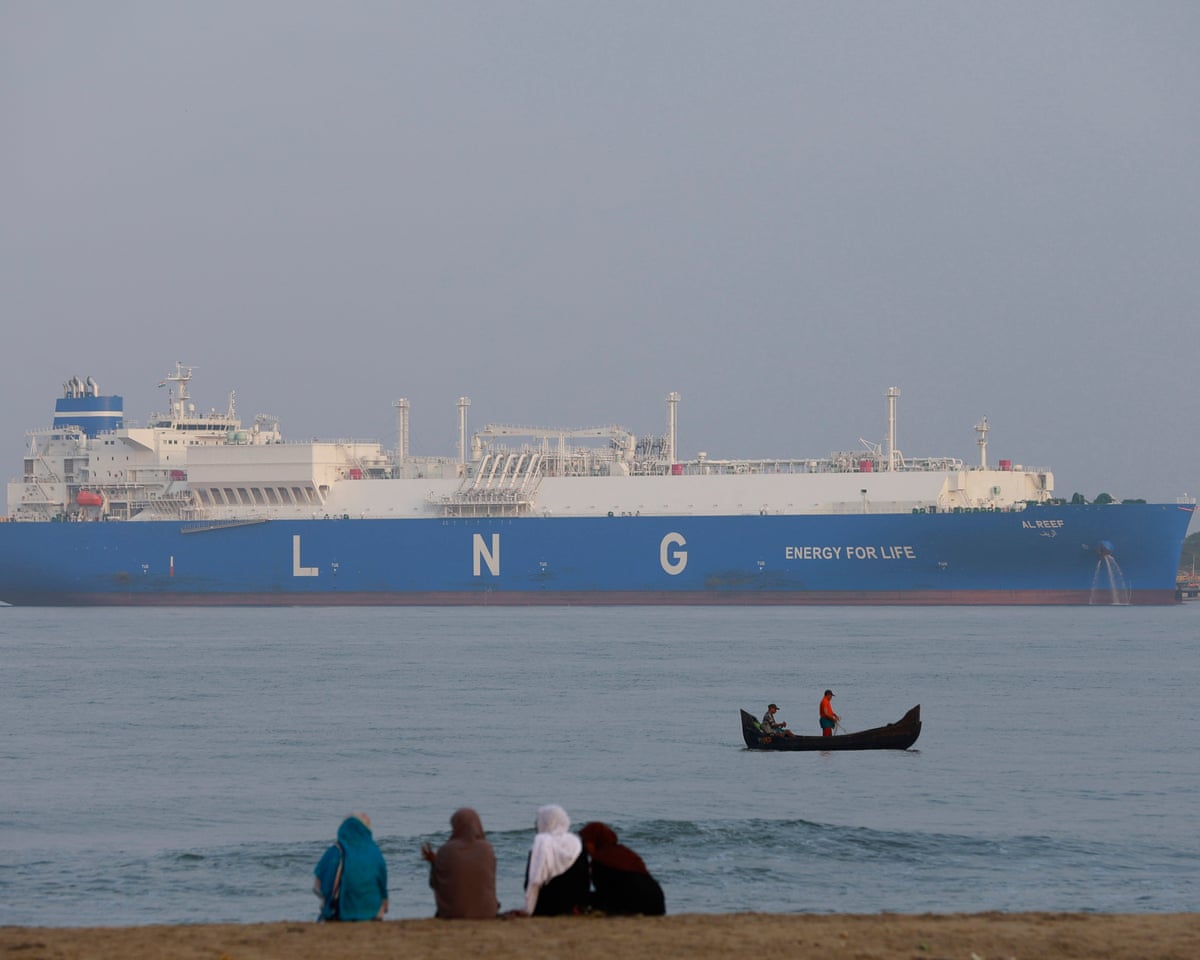
LNG trade, which has been disrupted by the closure of the Strait of Hormuz, is among the most expensive to transport. LNG requires storage in specially cooled containers and transportation via some of the most costly vessels. Investments in LNG infrastructure increased following the 2022 oil crisis triggered by Russia’s invasion of Ukraine, as European countries and others sought alternative gas sources. Prior to this, LNG benefited from the global shift away from coal.
Repeated oil crises have led many countries to reconsider LNG as a long-term energy security option. One participant in the IMO talks stated,
"There are plenty of economies with a high dependency on gas, but these factors mean LNG is looking particularly dodgy in the midterm, the mid-2030s."
Marie Fricaudet concurs, stating,
"Among the vessels most exposed to this transition, LNG tankers stand out: they represent a relatively new and capital-heavy segment, typically have long operational lifespans, and are expected to face oversupply under most 1.5C and 2C climate scenarios."
Influence of LNG Interests on IMO Negotiations
Tristan Smith, professor of energy and transport at UCL, highlights the influence of LNG stakeholders:
"The future demand for moving LNG between continents, and those invested in owning and financing ships and import/export terminals that enable this, appears to be significantly linked to pressure exerted on the IMO’s negotiations."
Several countries with strong LNG interests, including the US, Saudi Arabia, and Qatar, disrupted last year’s talks. They were joined by Liberia and the Marshall Islands, whose national flag registries are closely associated with LNG exposure, according to Smith.

Smith further explained,
"The stance of this group of industry actors is markedly different from other actors in the shipping industry who are taking a much more progressive position in the discussion. [This] raises significant risks for a fair, equitable and effective resolution of the current impasse in the IMO’s debates."
The LNG industry continues to expand its fleet. The International Gas Union (IGU) reports over 750 vessels currently deliver LNG globally, with 337 new vessels on order.
Ella Minty, IGU’s director of communications, stated,
"LNG will remain a critical fuel to meet global energy demand growth, particularly in the developing world, and the growth in vessels aligns with LNG expansion plans that have already reached final investment decision or are under construction."
Progress and Challenges in IMO Decarbonisation Talks
The IMO negotiations have been ongoing for years, but last April marked a breakthrough when countries agreed to pursue decarbonisation of maritime trade through the "net zero framework" and to implement a levy requiring companies to pay a small fee per tonne of greenhouse gas emitted.
This levy was intended to fund countries adopting cleaner fuels, renewable energy, or hydrogen, and to assist developing nations. However, shortly after the agreement, the US, under the Trump administration’s legacy of climate action rejection, began efforts to undermine the levy.
By October, these tactics appeared successful. An interim meeting postponed the proposed levy, and other countries have since proposed plans that could effectively eliminate the IMO’s decarbonisation targets. A decision on the levy’s future is not expected until October.
Industry and Civil Society Responses
A spokesperson for the International Chamber of Shipping affirmed the industry’s support for the IMO’s emission reduction plans, stating the sector is advancing "at speed on decarbonisation, often outpacing regulatory requirements through significant investment in alternative fuels, new technologies and more efficient vessel designs." The spokesperson added,
"However, achieving a successful global transition ultimately depends on decisions taken by member states at the IMO. Governments must provide the clear consistent international regulatory framework needed to support and accelerate the industry’s efforts."
Civil society observers reported to that despite lobbying pressures, many countries remain committed and appear to hold a working majority. Delaine McCullough, president of the Clean Shipping Coalition and Ocean Conservancy’s shipping programme director, emphasized,
"Although there are differences on some of the details, IMO member states worked constructively to seek resolutions. Member states must hold the line against those looking to once again disrupt and delay."
Future Prospects for Shipping and Decarbonisation
While some countries express concerns about the impact on their maritime industries, experts argue that decarbonisation need not result in commercial failure. Christiaan De Beukelaer, senior lecturer in culture and climate at the University of Melbourne, noted that alternative cargoes exist. Coal shipments can be replaced with other dry goods such as grain, and liquid cargoes with alternatives.
He explained,
"Even when we stop using fossil energy entirely, there will still be a need to transport energy across oceans, as liquid fuels made with renewable electricity will not always be produced where they are consumed."
Decarbonising the global economy requires sectors dependent on oil and gas—such as transport, heating, and heavy industry—to transition to electricity. This shift will drive substantial demand for solar panels, wind turbines, heat pumps, batteries, and electric vehicles, many of which will require maritime transport, though not necessarily through the Strait of Hormuz.


